
Sokoke Breed Guide

Quick Summary
A rare, highly active, and exceptionally intelligent natural breed from Kenya, the Sokoke behaves more like an elegant forest dweller in its athletic capabilities but is deeply devoted to its human family. They are best for dynamic households that can match their high energy, desire for vertical space, and need for constant, interactive companionship.
Quick Facts
- origin countryKenya
- breed groupShorthair / Natural Breed
- sizeMedium, slender, and long-legged
- weight range5 to 10 pounds (2.3 to 4.5 kg)
- height range7 to 10 inches (18 to 25 cm)
- lifespan12 to 15 years
- coat typeExtremely short, close-lying, with virtually no undercoat
- common colorsBrown modified tabby (wood-bark pattern with ticked hairs)
- other namesSokoke Forest Cat, Kadzonzo
- recognized byTICA, FIFe, GCCF, CCA
Caring for a Sokoke
Living with a Sokoke is like sharing your home with a miniature cheetah that has a brilliant, inquisitive mind. In my experience, these cats don’t just walk; they leap, sprint, and survey their kingdom from the highest absolute point in the room, meaning ceiling-height cat trees are a must. They are deeply bonded to their families and will follow you from room to room, vocalizing in a soft but persistent trill to tell you about their day. Because they lack a dense undercoat, you’ll need to keep your home warm and be prepared to offer cozy heated beds during colder months.
Is a Sokoke a good family pet?
Yes, they make outstanding family pets for active households because they thrive on social interaction and love being part of daily activities. I’ve found they do incredibly well with older children who understand how to respect their boundaries and engage them in active play, though their lightning-fast movements can sometimes overwhelm very young toddlers.
Do Sokokes shed a lot?
Hardly at all. Because they have a single, very short coat with almost no undercoat, their shedding is minimal and easily managed. A quick weekly brush with a rubber grooming mitt is usually all it takes to keep their stunning wood-grain coat gleaming.
Is a Sokoke good for first-time owners?
Honestly, I rarely recommend them for absolute beginners. Their extreme intelligence, intense athletic needs, and demand for constant mental stimulation can easily overwhelm someone used to a more laid-back breed, making them best suited for those with some experience managing active, vocal cats.
Temperament & Personality

The Sokoke is an incredibly social, highly communicative, and athletic cat that forms intense bonds with its human family. They are not independent couch potatoes; they want to be actively involved in everything you do, often riding on shoulders or supervising tasks from nearby shelves. In my years of working with them, I’ve noticed they possess a unique sensory awareness, reacting quickly to changes in their environment with sharp intelligence. While they are deeply affectionate, they prefer to show it on their own terms, usually choosing active companionship over long hours of lap-sitting.
Is a Sokoke good with other pets?
In my experience, they do wonderfully with other active cats and cat-friendly dogs, often forming tight-knit play alliances. However, because of their strong natural hunting instincts from their forest heritage, I strongly advise against keeping them around small rodents, birds, or fish.
How much attention does a Sokoke need?
They require a significant amount of daily interaction and mental engagement. If left alone for long periods without stimulation, they can quickly develop separation anxiety or destructive behaviors, so I always tell owners to invest in puzzle toys and commit to at least 30 to 40 minutes of interactive play daily.
Training & Behavior
Sokokes are among the easiest cats to train because of their high intelligence and natural desire to interact with their owners. They learn tricks, recall commands, and even leash-walking remarkably fast when positive, reward-based training is used. However, this intelligence also means they can easily learn how to open doors, cabinets, and drawers, requiring you to actively baby-proof your home.
Training Tips
- Use high-value, clicker-based positive reinforcement
- Start harness and leash training early in kittenhood
- Incorporate puzzle feeders to challenge their minds
- Establish clear, consistent boundaries to prevent counter-surfing
- Teach fetch early to channel their high retrieving drive
Fun Activities
- Interactive fetch with lightweight toys
- Leash-walks in secure, quiet outdoor areas
- Agility obstacle courses
- High-altitude climbing challenges
- Water play in shallow basins or dripping faucets
Is a Sokoke easy to train?
Absolutely, they are incredibly receptive to training when you use positive, reward-based methods. I’ve seen them master basic dog-like commands like ‘sit,’ ‘come,’ and fetching items within just a few sessions, provided you keep the training short, fun, and highly rewarding.
Sokoke Health Issues

The Sokoke is a remarkably robust and healthy breed, largely because they developed naturally in the wild without intensive human breeding intervention. However, they are still susceptible to common feline ailments, and their lack of a dense coat makes them highly sensitive to cold climates.
Hypothermia and Cold Sensitivity
Because they originate from coastal Kenya, Sokokes have virtually no insulating undercoat to protect them from cold temperatures. They cannot tolerate drafty homes or cold climates and can easily suffer from hypothermia if kept in ambient temperatures below 68°F (20°C).
Hypertrophic Cardiomyopathy (HCM)
HCM is the most common cardiac disease in cats, causing the heart walls to thicken and lose efficiency. While not exceptionally common in the Sokoke compared to other breeds, it is still a risk in any pedigree line, making regular veterinary screenings vital.
Feline Lower Urinary Tract Disease (FLUTD)
This condition encompasses cystitis, bladder stones, and urethral blockages, which can be triggered by stress or a lack of moisture in the diet. Sokokes, being highly sensitive to environmental changes, can develop stress-induced urinary issues.
Periodontal Disease
Like many domestic cats, Sokokes can accumulate plaque and tartar, leading to painful gum inflammation, tooth loss, and potential systemic infections if left untreated. Regular home dental care and professional cleanings are essential.
Separation Anxiety and Stress-Induced Dermatitis
Due to their deeply social nature and high intelligence, Sokokes can become highly stressed when isolated. This psychological stress can manifest as over-grooming, leading to bald spots and skin infections.
How long do Sokokes typically live?
With proper care, a high-quality diet, and protection from the cold, a Sokoke typically lives between 12 and 15 years. Some individuals can even reach 18 to 20 years of age, owing to their naturally robust genetic foundation.
What to Feed a Sokoke
Feeding a Sokoke requires a focus on high-quality, animal-based proteins to support their extremely fast metabolism and active lifestyle. Because they are highly energetic, they burn calories much faster than your average domestic cat.
Best Diet
I highly recommend a diet rich in high-protein wet food, which provides both the necessary amino acids for muscle maintenance and essential hydration. Look for formulas where real meat is the first ingredient, and consult your vet before introducing raw or specialized diets.
How to Feed
Establish a consistent feeding schedule of 2 to 3 measured meals per day rather than free-feeding, which can lead to overeating or food guarding if you have multiple pets. Using interactive puzzle feeders is an excellent way to slow down their eating while providing mental stimulation.
How Much to Feed
Portion sizes should be tailored to their age, weight, and activity level; an active adult Sokoke may require more calories than a standard domestic cat of the same weight. I always tell owners to work closely with their veterinarian to calculate daily caloric needs and adjust based on regular body condition score assessments.
Nutritional Tips
Ensure they always have access to fresh, clean water, preferably from a running pet fountain, as Sokokes are fascinated by moving water. Adding omega-3 fatty acid supplements can help maintain their skin barrier and keep their unique wood-grain coat glossy.
Sokoke Grooming Guide
Grooming a Sokoke is incredibly straightforward and low-maintenance, making it one of the easiest parts of their care routine. Their ultra-short single coat requires minimal intervention to look its absolute best.
Coat Care
A quick weekly brushing with a soft-bristled brush or a rubber grooming glove is more than enough to remove loose hairs. I’ve found that rubbing them down with a chamois cloth afterwards gives their coat a spectacular, glossy sheen.
Skin Care
Their skin is generally healthy, but because they lack an undercoat, they can dry out in low-humidity environments. Consider using a humidifier during winter to prevent dry, itchy skin.
Eye Care
Wipe the corners of their eyes with a soft, damp cloth if you notice any minor discharge, using a different section of the cloth for each eye to prevent any potential spread of bacteria.
Ear Care
Check their ears weekly for dirt, wax buildup, or redness, and gently clean them with a vet-approved ear cleaner and a cotton round if needed, never inserting anything directly into the ear canal.
Nail & Dental Care
Trim their nails every 2 to 3 weeks using a high-quality cat nail clipper, and brush their teeth daily with feline-safe toothpaste to prevent periodontal disease.
Considerations for Pet Parents
Pros
- Extremely intelligent and highly trainable
- Strikingly unique, beautiful wood-grain coat
- Very affectionate and deeply loyal to family
- Minimal shedding and low-maintenance grooming
- Naturally robust and healthy genetic pool
- Highly social and plays well with other pets
Cons
- Requires immense vertical space and climbing outlets
- Extremely sensitive to cold weather and drafts
- Can develop separation anxiety if left alone often
- High exercise and mental stimulation needs
- Very rare and difficult to acquire from reputable breeders
Best For
Active, experienced owners, families with older children, or multi-pet households where someone is home during the day and can provide plenty of vertical space, enrichment, and warmth.
Not Recommended For
Sedentary owners, those living in consistently cold or drafty homes, or individuals who are away from home for long hours and cannot provide companionship or mental stimulation.
Cost
- purchase price$1,500 – $3,000 USD
- monthly cost$100 – $180 USD
- initial setupExpect to spend $500 to $1,000 initially on high-quality vertical cat trees, climbing shelves, heated cat beds, puzzle toys, and initial vet visits.
Similar Breeds
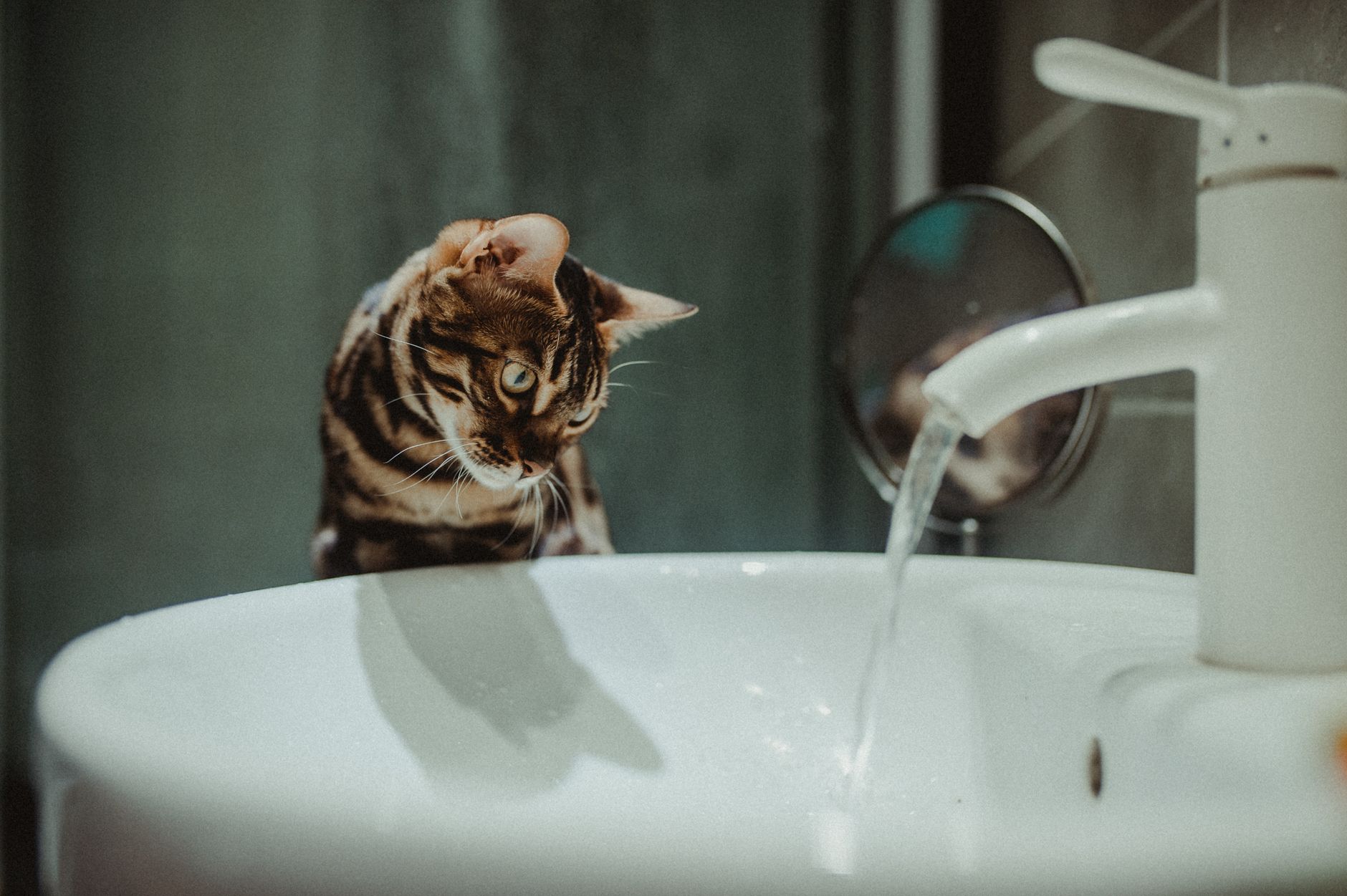
Bengal
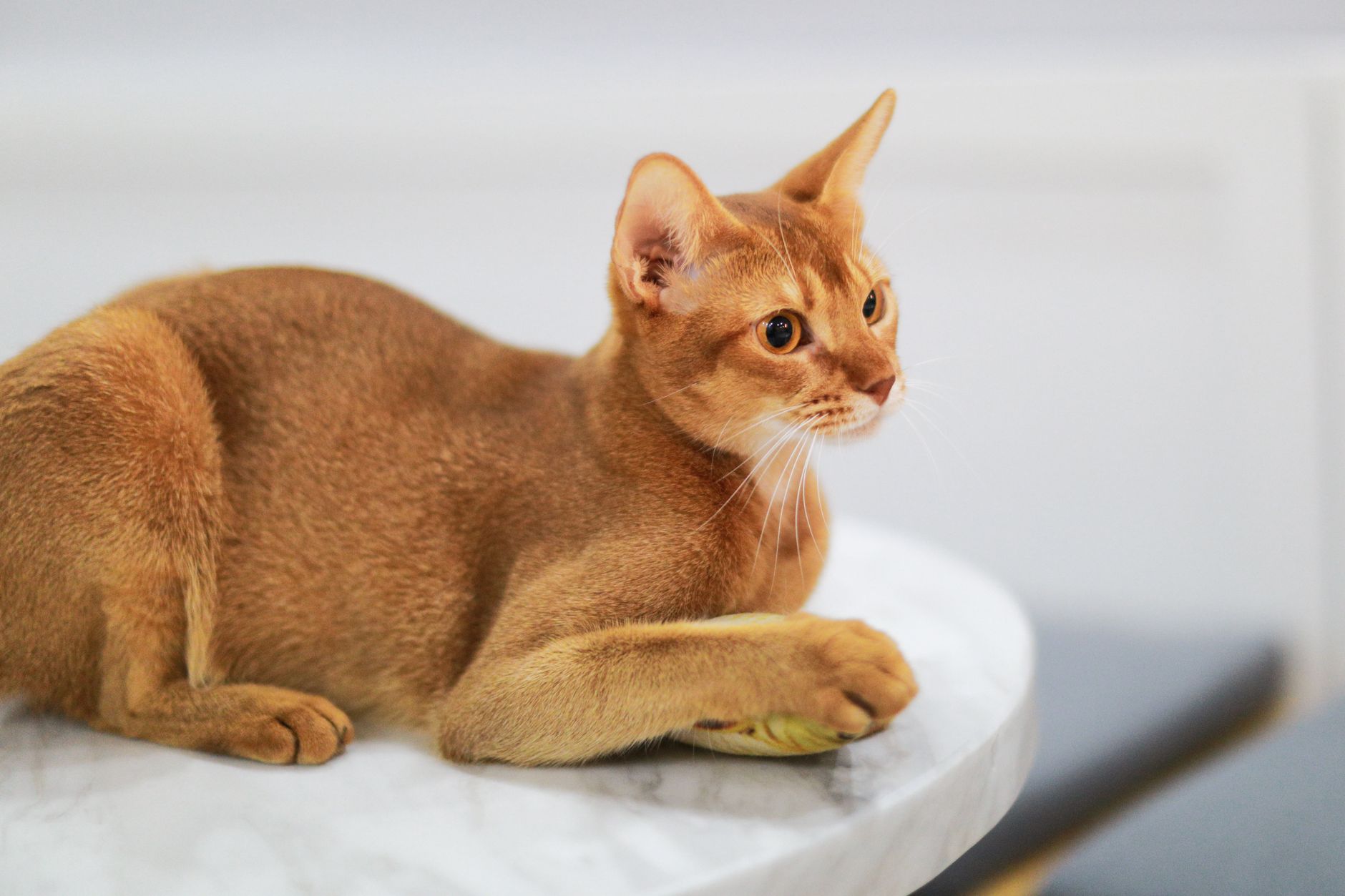
Abyssinian
Sokoke FAQs
Where does the Sokoke breed come from?
The Sokoke is a natural breed originating from the Arabuko-Sokoke Forest Preserve in Kenya, Africa. They were first discovered by Westerners in the late 1970s and were traditionally known as ‘Kadzonzo’ by the local Giriama people.
Why do Sokokes look like tree bark?
Their unique look comes from a modified tabby pattern featuring ticked hairs in the dark sections, creating a marbled effect that resembles the whorls of wood grain. This served as natural camouflage in their native Kenyan forest habitat.
Can a Sokoke live outdoors?
Absolutely not. Due to their lack of a protective undercoat, they cannot tolerate cold or wet weather, and their rare status makes them targets for theft. They should always be kept as strictly indoor cats to protect them from disease, predators, and temperature extremes.
Are Sokoke cats hypoallergenic?
No, they are not hypoallergenic. While they shed very little due to their single coat, they still produce the Fel d 1 protein in their saliva, dander, and urine, which is the primary trigger for cat allergies.
Are they vocal cats?
Yes, they are highly communicative. While they aren’t quite as loud or piercing as Siamese cats, they will frequently talk to you in a series of soft trills, chirps, and meows to express their needs and affection.
Do they like water?
Many Sokokes have a fascinating affinity for water, a trait stemming from their wild forest origins. Don’t be surprised if they try to join you in the shower, splash in their water bowl, or investigate running faucets.
How high can a Sokoke cat jump?
They are extraordinary athletes capable of jumping remarkably high—easily clearing six feet or more from a standstill. I always advise owners to secure breakables on high shelves, as a Sokoke will eventually explore those spaces.
Can they be left alone during the work day?
They do not tolerate long periods of isolation well. If you work long hours, it is highly recommended to have another active cat or a cat-friendly dog to keep them company, along with plenty of interactive puzzle toys.
Do Sokokes get along with dogs?
Yes, they generally get along very well with cat-friendly dogs. Their bold, active nature means they aren’t easily intimidated, and they often enjoy engaging in playful games with their canine housemates.
Is the Sokoke recognized by major cat registries?
Yes, the breed is recognized by several international registries, including TICA (The International Cat Association) and FIFe (Fédération Internationale Féline), though they remain classified as a rare breed.
What is the temperament difference between males and females?
In my experience, male Sokokes tend to be slightly more outgoing and intensely affectionate, while females can be more independent and observant, though both genders are highly active and deeply loyal.
How can I keep my Sokoke warm in the winter?
I recommend keeping your thermostat set to at least 68°F (20°C), providing thermal or plug-in heated cat beds, and placing their favorite resting spots away from drafty windows or doors.
Do they have a high prey drive?
Yes, they have a very strong, instinctual prey drive inherited from their forest-dwelling ancestors. They will actively hunt insects, feather toys, and laser pointers, and should never be trusted unsupervised around small pets like rodents or birds.
How often should I feed a Sokoke kitten?
Sokoke kittens are incredibly active and growing rapidly, so they should be fed 3 to 4 times a day with high-protein, kitten-specific wet food to support their high energy demands and skeletal development.