
Serengeti Breed Guide

Quick Summary
The Serengeti is an incredibly athletic, high-energy companion bred to capture the wild look of the African Serval without using any wild blood. In my years treating this breed, I’ve found they are best suited for active, engaged owners who can match their intense play drive, high intelligence, and vocal communication style.
As an Amazon Associate, we earn from qualifying purchases.
Popular with Serengeti owners: Omega-3 Fish Oil · Cat Tree · Cat Tunnel
Quick Facts
- origin countryUnited States
- breed groupChampionship (TICA)
- sizeMedium to Large
- weight range8 – 15 lbs (3.6 – 6.8 kg)
- height range8 – 12 inches (20 – 30 cm)
- lifespan10 – 15 years
- coat typeShort, dense, and tight
- common colorsYellow-to-gold spotted tabby, solid black, silver/black smoke
- other namesNone
- recognized byTICA
Caring for a Serengeti
Living with a Serengeti is more like sharing your home with an elite track-and-field athlete than a standard domestic cat. In my clinical practice, I have seen that these cats require massive vertical territory, such as six-foot cat trees, to satisfy their urge to climb and jump. I always tell owners that a bored Serengeti will inevitably invent their own entertainment, which often involves scaling your curtains or opening kitchen cabinets. They demand substantial daily interactive play to channel their immense physical and mental energy.
Is a Serengeti a good family pet?
They make excellent family pets for active households, as they love having multiple people to play with. However, because they leap with such power and speed, I recommend supervising them around very young toddlers to prevent accidental knockdowns during play.
Do Serengetis shed a lot?
No, they shed very minimally. Their short, single coat is incredibly tight and sleek, meaning a quick weekly brush is all that is needed to keep loose hairs under control and maintain their healthy coat shine.
Is a Serengeti good for first-time owners?
I generally advise against this breed for absolute beginners. Their extreme energy levels, vocal nature, and constant need for mental stimulation can easily overwhelm someone who is not prepared for a highly demanding, dog-like cat.
Temperament & Personality

The Serengeti possesses a wonderfully confident, outgoing, and deeply loyal personality. They inherit the talkative, ‘velcro’ attachment style of the Oriental Shorthair and the athletic curiosity of the Bengal. In my clinic, I observe that these cats do not hide under examination tables; they walk right up to me, chirp for attention, and demand to investigate my stethoscope.
Is a Serengeti good with other pets?
Yes, they thrive in multi-pet households, especially alongside other high-energy cats or cat-friendly dogs who can match their play style. However, due to their strong prey drive, smaller pets like hamsters or birds must be strictly kept in a separate, secure room.
Zesty Paws Wild Alaskan Salmon Oil
- ✓Omega-3 EPA and DHA from wild Alaskan salmon
- ✓Supports skin, coat, joints and heart
- ✓Easy pump onto food, no capsules
- Omega-3 fatty acids support skin, coat and joints from the inside out
How much attention does a Serengeti need?
They are highly demanding of attention and do not tolerate isolation well. If you work long 12-hour days away from home, a single Serengeti is highly likely to develop separation anxiety or destructive behaviors.
Training & Behavior
Because of their high intelligence and eager-to-please nature, Serengetis are remarkably trainable. In my practice, I have seen clients successfully harness-train them for outdoor walks and teach them complex tricks like fetching toys on command. They respond beautifully to positive reinforcement and love the mental challenge of learning new skills.
Training Tips
- Use high-value, low-calorie treats to reward positive behavior immediately.
- Begin harness and leash training early, ideally between 12 and 16 weeks of age.
- Incorporate clicker training to stimulate their active minds and prevent boredom.
- Set firm, consistent boundaries on counter-jumping using positive redirection.
- Never use physical punishment, as this will destroy their trust and cause anxiety-related issues.
Fun Activities
- Leash walking in quiet, secure outdoor spaces
- Playing fetch with lightweight crinkle balls or felt mice
- Navigating indoor agility courses built from chairs and boxes
- Solving advanced, multi-step food puzzle toys
- Learning utility commands like ‘sit’, ‘stay’, and ‘come’
Is a Serengeti easy to train?
Yes, they are exceptionally easy to train compared to other feline breeds. Their combination of high intelligence, curiosity, and food motivation makes them ideal candidates for clicker training and learning active tricks.
Serengeti Health Issues

While the Serengeti is generally a robust, structurally sound breed, they are genetically linked to Bengal and Oriental Shorthair lines, which predisposes them to a few specific hereditary health concerns. Responsible breeding practices, including genetic screening and annual cardiac ultrasounds, are critical to safeguarding their health.
Hypertrophic Cardiomyopathy (HCM)
An inherited heart condition where the muscular walls of the heart thicken abnormally, potentially leading to heart failure or blood clots. Because of their Bengal heritage, screening breeding cats with annual echocardiograms is highly recommended.
Progressive Retinal Atrophy (PRA)
A genetic ocular disease that causes the gradual degeneration of the photoreceptors in the retina, ultimately leading to complete blindness.
Pyruvate Kinase (PK) Deficiency
An inherited hemolytic anemia caused by the lack of a key enzyme needed for red blood cell metabolism, leading to premature cell breakdown.
Yaheetech 63-Inch Large Cat Tree
- ✓Five platforms and a cosy condo
- ✓Large perch for heavy cats up to 22 lb
- ✓Wide base with anti-toppling kit
- Gives cats vertical space to climb, scratch and nap, which reduces stress and keeps them off your shelves
Periodontal Disease
An inflammatory condition affecting the gums and supporting structures of the teeth. What I see most often in practice is early-onset dental disease in breeds with Oriental ancestry.
Feline Lower Urinary Tract Disease (FLUTD)
A group of clinical conditions affecting the bladder and urethra, which can cause painful crystals, stones, or sterile cystitis. It is often triggered or worsened by stress and low water intake.
How long do Serengetis typically live?
With proper preventative care, high-quality nutrition, and an indoor-only lifestyle, Serengetis generally live between 10 and 15 years. Regular veterinary check-ups and senior blood work starting around age seven help catch age-related conditions early.
What to Feed a Serengeti
Due to their highly active lifestyles and long, muscular builds, Serengetis require a nutrient-dense diet to support their lean muscle mass. Free-feeding kibble is not recommended, as their high intelligence can sometimes manifest as a food obsession, leading to overeating and subsequent weight gain.
Best Diet
I recommend a high-quality, protein-forward wet diet to support their athletic frame and maintain excellent hydration, which is essential for urinary tract health. Look for commercial diets that list real meat (like chicken, turkey, or rabbit) as the first three ingredients.
How to Feed
Feed your Serengeti on a strict schedule of 2 to 3 portion-controlled meals per day. Utilizing interactive puzzle feeders is highly beneficial, as it forces them to work for their food, simulating natural hunting behaviors.
How Much to Feed
Daily caloric intake should be tailored to their specific weight, age, and activity level. Generally, an active adult Serengeti requires about 200 to 280 calories daily. Always consult your veterinarian to calculate exact portion sizes for your individual cat.
Nutritional Tips
Incorporate Omega-3 fatty acids, such as high-quality fish oil, to support their skin, joints, and glossy coat. Additionally, provide multiple freshwater sources, like running water fountains, to encourage frequent drinking.
Serengeti Grooming Guide
Grooming a Serengeti is wonderfully simple and direct. Their tight, short coat does not easily mat or tangle, allowing you to spend more time on their extensive exercise and training needs.
Coat Care
Brush their coat once a week with a soft-bristle brush or rubber grooming mitt to remove dead hair and distribute natural skin oils. Baths are rarely necessary unless they get into something sticky or dirty.
Skin Care
Their skin is typically healthy, but I advise clients to regularly inspect their skin for any signs of dryness, scaling, or flea activity during their weekly brushing sessions.
Eye Care
Minimal care is required. Wipe any minor crust or discharge from the corners of the eyes using a soft, damp cloth. Use a separate clean area of the cloth for each eye to prevent any potential spread of bacteria.
Ear Care
Because of their large, upright ears, they can collect dirt and wax more easily than other breeds. Inspect them weekly; if they look dirty, clean them using a cotton ball moistened with a vet-approved, gentle ear cleanser.
Nail & Dental Care
Trim their nails every 2 to 3 weeks to prevent them from snagging on carpets. Brush their teeth at least three times a week with veterinary-enzymatic toothpaste to combat their genetic predisposition to periodontal disease.
Considerations for Pet Parents
Pros
- Stunning, exotic appearance of a wild cat without wild heritage
- Incredibly loyal, affectionate, and deeply bonded to family
- Highly intelligent, quick to learn tricks, and trainable
- Minimal grooming requirements and very low shedding
- Excellent companion for active households with other pets
- Playful and endlessly entertaining personality
Cons
- Extremely high energy levels that require daily dedication
- Highly vocal; can be loud and persistent when communicating
- Prone to separation anxiety if left alone for long periods
- Demands significant vertical climbing space and enrichment
- Can be prone to early-onset dental issues and heart conditions
Best For
The ideal owner is an active individual, couple, or family who works primarily from home or has a busy household, and who is fully committed to providing intensive daily play, mental puzzles, and ample climbing structures.
Not Recommended For
This breed is not recommended for owners seeking a calm, quiet, low-maintenance lap cat, people who are away from home for long hours daily, or those living in small apartments without the space to install vertical climbing systems.
Cost
- purchase price$1,500 – $3,000 USD
- monthly cost$80 – $150 USD
- initial setupPlan to budget an additional $500 to $800 initially for heavy-duty cat trees, puzzle feeders, veterinary check-ups, vaccines, microchipping, and essential high-energy toys.
-
EGETOTA 5-Way Cat Tunnel with Play BallA crinkly play tunnel gives cats somewhere to hide, pounce and race through
-
Purina Fancy Feast Gravy Lovers Wet Cat Food Variety PackA high-protein, complete diet suits cats’ needs as obligate carnivores
-
Depets Self-Cleaning Slicker BrushFine wire pins lift loose undercoat and work out small tangles before they turn into mats
Similar Breeds
Serengeti FAQs
Do Serengeti cats have wild blood?
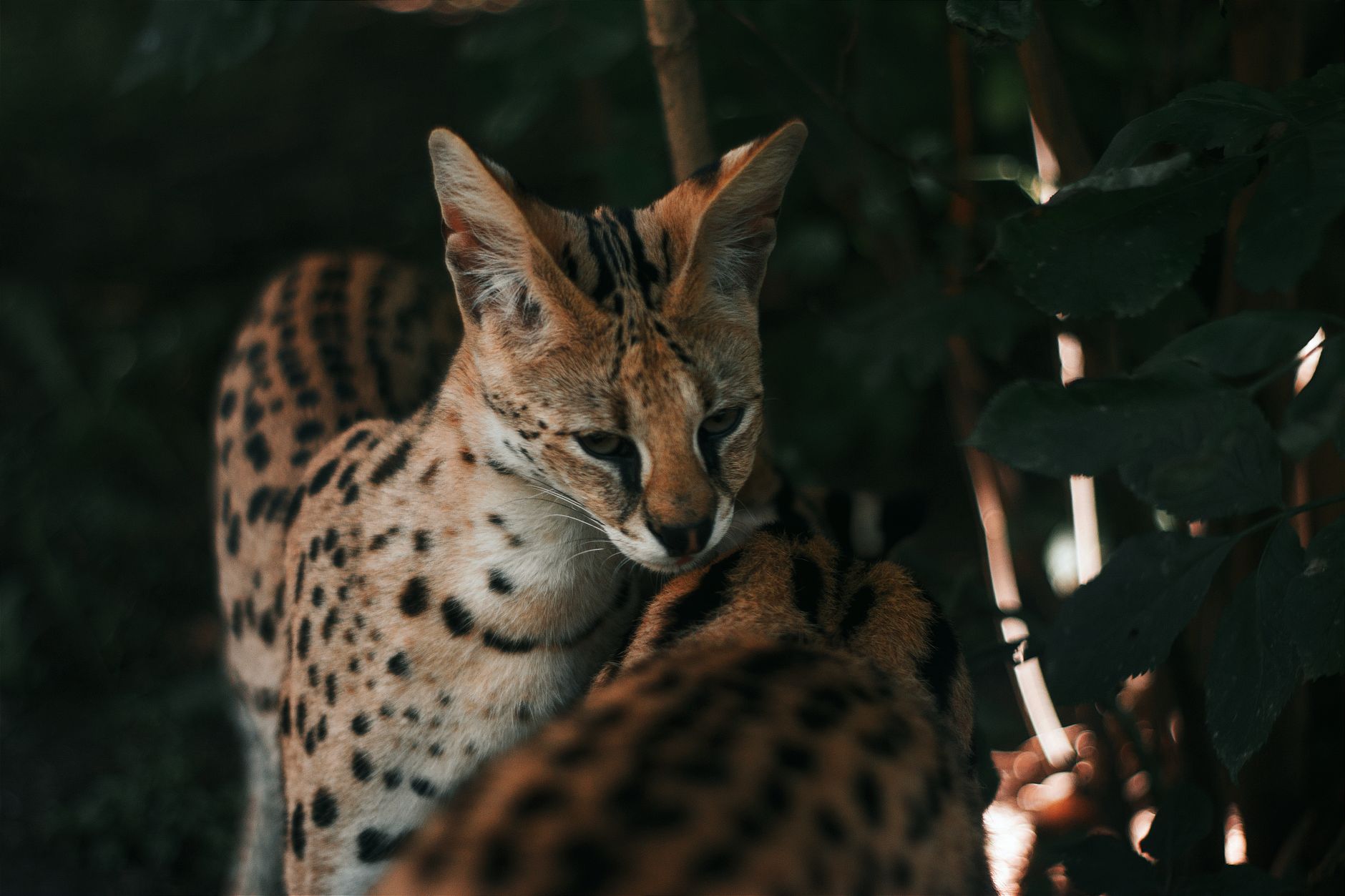
No, despite their exotic, wild look, Serengetis do not contain any wild cat DNA. They are a fully domestic breed created by crossing the Bengal (which itself has distant wild ancestry, but the Serengeti is bred back to domestic lines) with the Oriental Shorthair.
How high can a Serengeti cat jump?
A Serengeti is capable of jumping up to 6 or 7 feet in the air from a standing position. This incredible vertical leap means they can easily access the tops of refrigerators, high cabinets, and doors.
Are Serengeti cats vocal?
Yes, they are highly vocal. Inheriting this trait from their Oriental Shorthair ancestry, they will loudly communicate their needs, opinions on dinner time, or simply chat with you when you walk into the room.
Can a Serengeti live happily in an apartment?
They can, but only if the apartment is heavily modified with vertical spaces like wall shelves, tall cat trees, and window perches. You must also commit to active daily playtime to offset the limited horizontal space.
Do Serengeti cats like water?
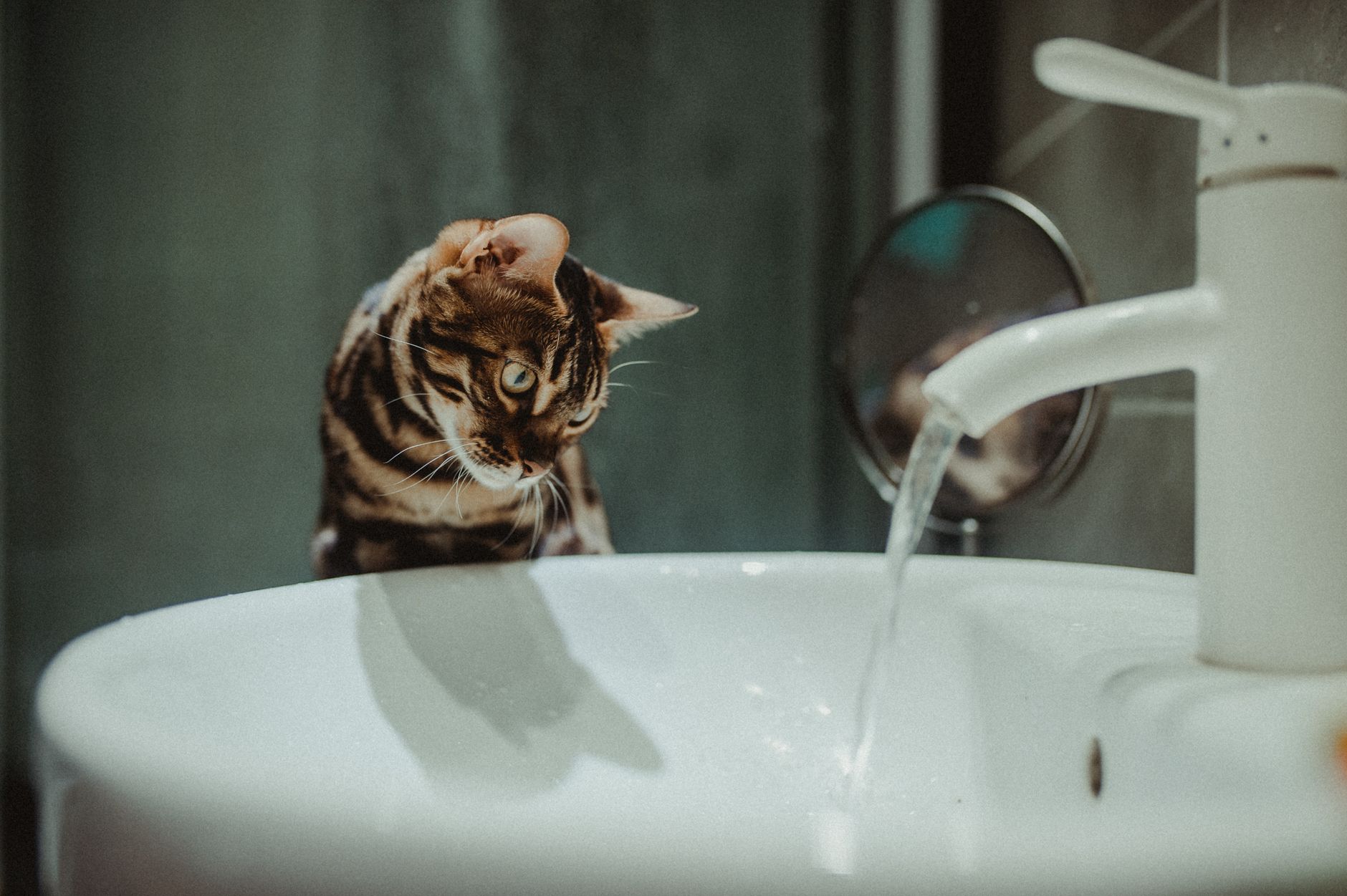
Many Serengetis inherit a love for water from their Bengal heritage. Do not be surprised if they try to join you in the shower, play in their water bowl, or splash in a running sink.
Are Serengeti cats hypoallergenic?
No, they are not hypoallergenic. While they have a short, low-shedding coat, they still produce the Fel d 1 protein in their saliva, skin, and dander, which is the primary trigger for cat allergies.
How do you socialize a Serengeti kitten?
Expose them to various sights, sounds, gentle handling, and different people between 3 and 12 weeks of age. Reward calm behavior with high-value treats to build their natural confidence.
Do they get along with dogs?
Yes, Serengetis generally get along excellent with friendly, respectful dogs. Their confident nature means they are rarely intimidated, and they often form close bonds and play fetch together.
What is the difference between a Serengeti and a Savannah cat?
While they look similar, the Savannah cat is a hybrid breed created by crossing a domestic cat with a wild Serval. The Serengeti is a completely domestic breed with zero wild ancestors in its recent pedigree.
Can I take my Serengeti cat for walks?
Yes, they are excellent candidates for harness and leash training. Because of their high intelligence and curiosity, they enjoy safe, supervised outdoor exploration on a secure harness.
Are they prone to obesity?
Due to their high activity levels, they rarely become obese as young adults, but as they age or if they are under-stimulated, they can gain weight. Controlled feeding schedules and routine weight checks are vital.
Why does my Serengeti follow me everywhere?
They are known as ‘velcro’ cats. They form deep, intense bonds with their human families and possess a strong desire to participate in every household activity.
Are they destructive if left alone?
Yes, if they do not receive enough mental and physical stimulation, a bored Serengeti can become highly destructive, scratching furniture, knocking over items, or chewing cords.
Is the Serengeti recognized by major cat registries?
The Serengeti is recognized by TICA (The International Cat Association) and is eligible for championship status. They are not currently recognized by the CFA (Cat Fanciers’ Association).