
Ragamuffin Breed Guide
Quick Summary
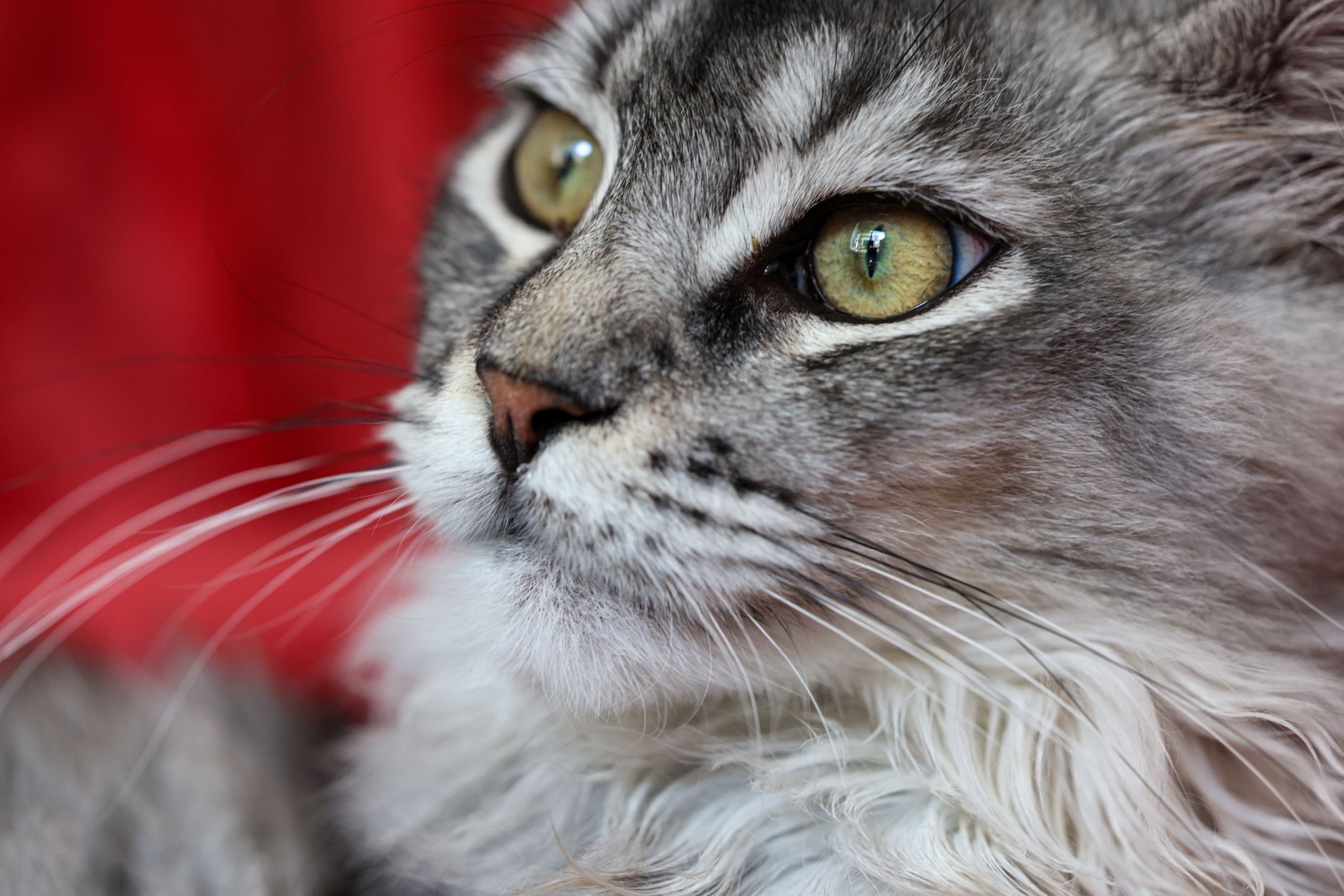
A docile, heavily-boned lap cat known for its plush, rabbit-like coat and sweet disposition, the Ragamuffin is the ultimate companion for those seeking an affectionate, calm, and highly social indoor cat. They crave human companionship and thrive in homes where they can be part of the daily family action.
Quick Facts
- origin countryUnited States
- breed groupSemi-longhair
- sizeLarge, heavy-boned
- weight range10 to 20 pounds
- height range10 to 15 inches
- lifespan12 to 18 years
- coat typePlush, semi-long, rabbit-soft, dense
- common colorsAll colors and patterns, including pointed, solid, mink, tabby, tortoiseshell, and calico
- other namesRagaMuffin
- recognized byCFA, ACFA, ICE
Caring for a Ragamuffin
Living with a Ragamuffin is like having a living, breathing teddy bear that follows you from room to room. In my experience, they do not just tolerate being held; they actively go limp into your arms, melting their heavy bodies against yours. Because of their incredibly trusting and docile nature, they must be kept strictly indoors to protect them from outdoor hazards. You will need to watch their diet closely, as their slow maturation process can sometimes mask a tendency to gain excess weight.
Is a Ragamuffin a good family pet?
Absolutely. In my years of working with cats, I have rarely seen a breed so universally patient and loving with children, often happily participating in interactive play or being carried around without fuss.
Do Ragamuffins shed a lot?
While they have a plush, semi-long coat, it is surprisingly low-maintenance because the texture resists matting and tangling. They do shed seasonally, but a thorough weekly brushing is usually enough to keep it under control.
Is a Ragamuffin good for first-time owners?
Yes, they are highly recommended for beginners because of their forgiving, sweet temperament and lack of demanding behavioral quirks. They adapt beautifully to apartment living and handle household transitions with remarkable ease.
Temperament & Personality
The Ragamuffin temperament is defined by an absolute lack of aggression and a deep-seated desire to cuddle. They are classic ‘velcro cats’ that greet you at the door and prefer to sleep tucked under your arm or draped across your lap. I always describe them as emotionally intuitive; they seem to sense when their owners are feeling down and will offer comforting purrs. Unlike many cats, they are exceptionally outgoing and welcome strangers as if they were long-lost friends.
Is a Ragamuffin good with other pets?
Yes, they are exceptionally peaceful. In my experience, they easily integrate with dogs, other cats, and even well-managed pocket pets, preferring to make friends rather than establish dominance.
How much attention does a Ragamuffin need?
They need a significant amount of social interaction and do not do well when left alone for long stretches. If you work long hours, I highly recommend getting them a feline companion or a cat-friendly dog to keep them company.
Training & Behavior
Ragamuffins are surprisingly trainable due to their eager-to-please attitude and high intelligence. I have successfully taught them to fetch toys, sit on command, and even walk comfortably on a harness and leash. They respond beautifully to positive reinforcement and clicker training, always preferring gentle encouragement over force.
Training Tips
- Use high-value, low-calorie treats
- Keep sessions short, under 5 minutes
- Introduce a harness and leash gradually indoors
- Never scold; use clicker training for positive reinforcement
- Start socialization training within the first 12 weeks
Fun Activities
- Fetching soft crinkle balls
- Learning tricks like ‘shake’ and ‘high-five’
- Gentle interactive wand toy play
- Exploring outdoors in a pet stroller
- Leash walking in a quiet backyard
Is a Ragamuffin easy to train?
Yes, compared to many other cat breeds, they are remarkably cooperative. Their dog-like desire to interact with their owners makes them highly receptive to basic clicker training and routine-building.
Ragamuffin Health Issues
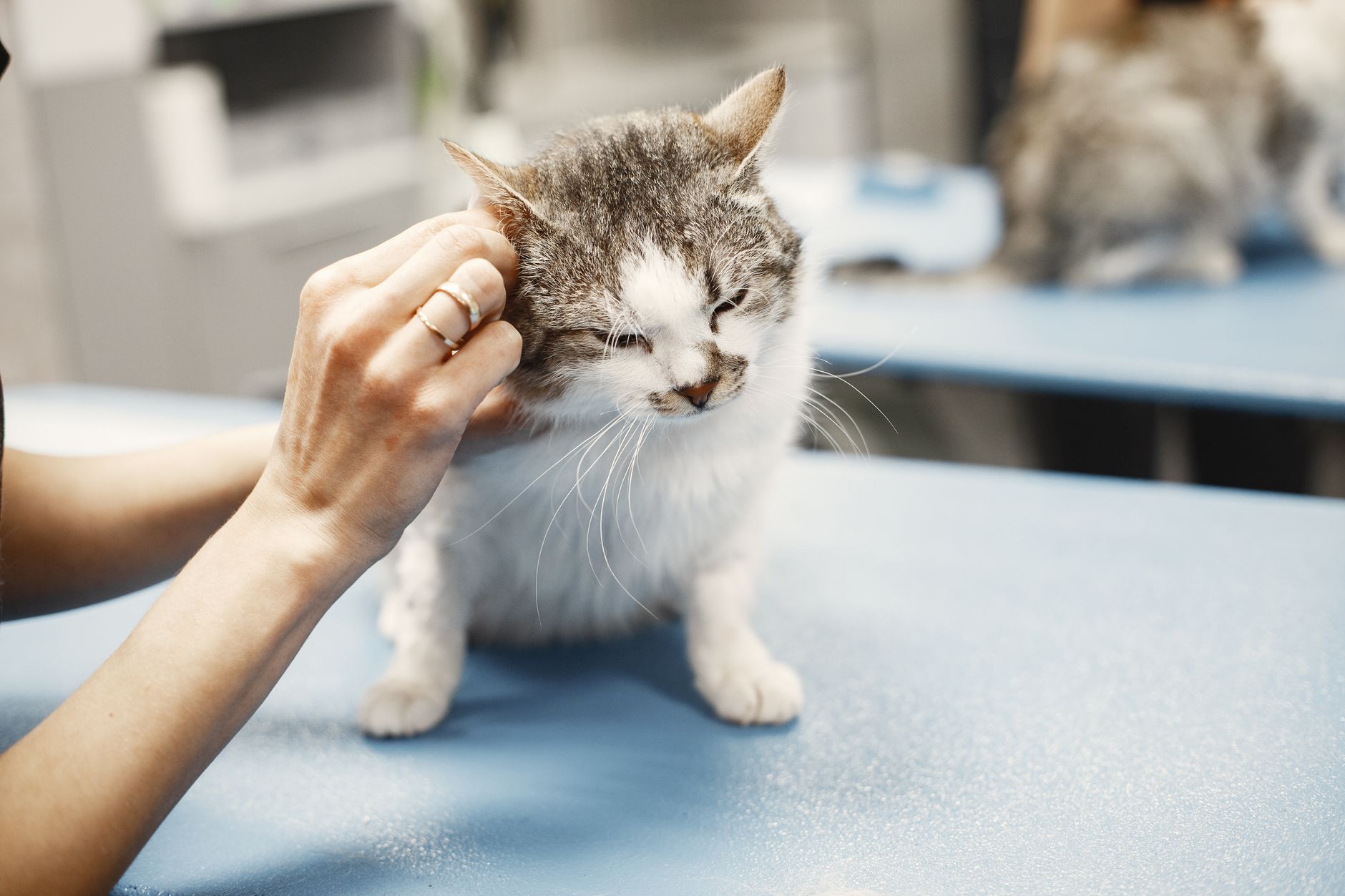
The Ragamuffin is generally a robust and healthy breed, but their gene pool shares history with the Ragdoll and Persian, making them susceptible to certain hereditary conditions. Working with breeders who perform genetic screening is vital to ensuring a healthy pet.
Hypertrophic Cardiomyopathy (HCM)
A hereditary condition where the heart muscle thickens, reducing its pumping efficiency over time.
Polycystic Kidney Disease (PKD)
An inherited disorder where fluid-filled cysts form in the kidneys, eventually leading to renal failure. DNA screening of parents is essential to eliminate this risk.
Obesity
Due to their laid-back nature and low energy levels, Ragamuffins are highly prone to gaining excess weight, which strains their joints and cardiovascular system.
Periodontal Disease
Like many domestic breeds, they are prone to plaque buildup that can cause gingivitis and painful tooth loss if dental hygiene is ignored.
How long do Ragamuffins typically live?
With proper indoor care, regular veterinary checkups, and a balanced diet, a Ragamuffin can easily live between 12 to 18 years, with many reaching their late teens.
What to Feed a Ragamuffin
Feeding a Ragamuffin requires careful management because their slow, four-to-five-year growth cycle can trick owners into overfeeding. They naturally develop a fatty pad on their lower abdomen (the primordial pouch), which is normal, but it must not be confused with obesity.
Best Diet
I recommend a high-protein, low-carbohydrate wet food diet to help maintain muscle mass while preventing unwanted weight gain. Wet food also provides crucial hydration to support kidney and urinary tract health.
How to Feed
Avoid free-feeding dry kibble all day. Instead, establish a strict routine of two to three measured meals daily to keep their metabolism stable and prevent overeating.
How Much to Feed
Portion size depends entirely on their current weight, age, and activity level. As a general starting point, aim for 20 to 30 calories per pound of body weight daily, but always consult your vet to tailor a precise feeding plan.
Nutritional Tips
Incorporate omega-3 fatty acid supplements, like salmon oil, to keep their plush coat soft and shiny, and use interactive puzzle feeders to slow down their eating and stimulate their minds.
Ragamuffin Grooming Guide
Despite their luxurious, rabbit-soft fur, Ragamuffins are surprisingly easy to groom. Their coat texture resists matting, meaning you will not need to struggle through daily detangling sessions, though regular maintenance is still a must.
Coat Care
Brush their coat once or twice a week using a high-quality slicker brush or a long-toothed metal comb. Increase this to daily brushing during the spring and fall shedding seasons to minimize hairballs.
Skin Care
Monitor their skin during brushing for any dry patches, dandruff, or redness, especially under their dense armpits and groin area where friction occurs.
Eye Care
Wipe the corners of their large, expressive eyes weekly with a damp, soft cloth to remove any minor discharge, using a fresh section of the cloth for each eye.
Ear Care
Check ears weekly for dirt, wax, or redness. Clean them gently with a vet-approved ear rinse and a cotton round, never inserting cotton swabs into the ear canal.
Nail & Dental Care
Trim their nails every two to three weeks to prevent snagging on furniture, and brush their teeth at least three times a week using cat-safe enzymatic toothpaste.
Considerations for Pet Parents
Pros
- Extremely affectionate and loving ‘lap cats’
- Exceptional with children and other pets
- Docile temperament makes them easy to handle
- Plush coat is surprisingly low-maintenance
- Adaptable to small apartments and quiet homes
- Highly intelligent and easily trained to tricks
Cons
- Cannot be allowed outdoors unsupervised due to trusting nature
- High risk of separation anxiety if left alone too long
- Prone to obesity and requiring strict diet management
- Take up to 5 years to reach full physical maturity
- Can be expensive to purchase from reputable breeders
Best For
The Ragamuffin is best suited for families, seniors, or individuals who spend a lot of time at home and want a highly interactive, cuddly companion. They thrive in busy households where they can receive constant attention and love.
Not Recommended For
This breed is not recommended for owners who work long hours outside the home without other pets to keep them company. They are also not a good fit for anyone looking for an independent, low-interaction cat or an outdoor mouser.
Cost
- purchase price$1,200 to $2,500
- monthly cost$80 to $150
- initial setupExpect to spend $500 to $800 initially on essential items including a high-quality scratching post, sturdy carrier, large litter boxes, veterinary wellness exams, microchipping, and high-quality food.
Similar Breeds
Ragdoll

Siberian
Ragamuffin FAQs
What is the difference between a Ragdoll and a Ragamuffin?
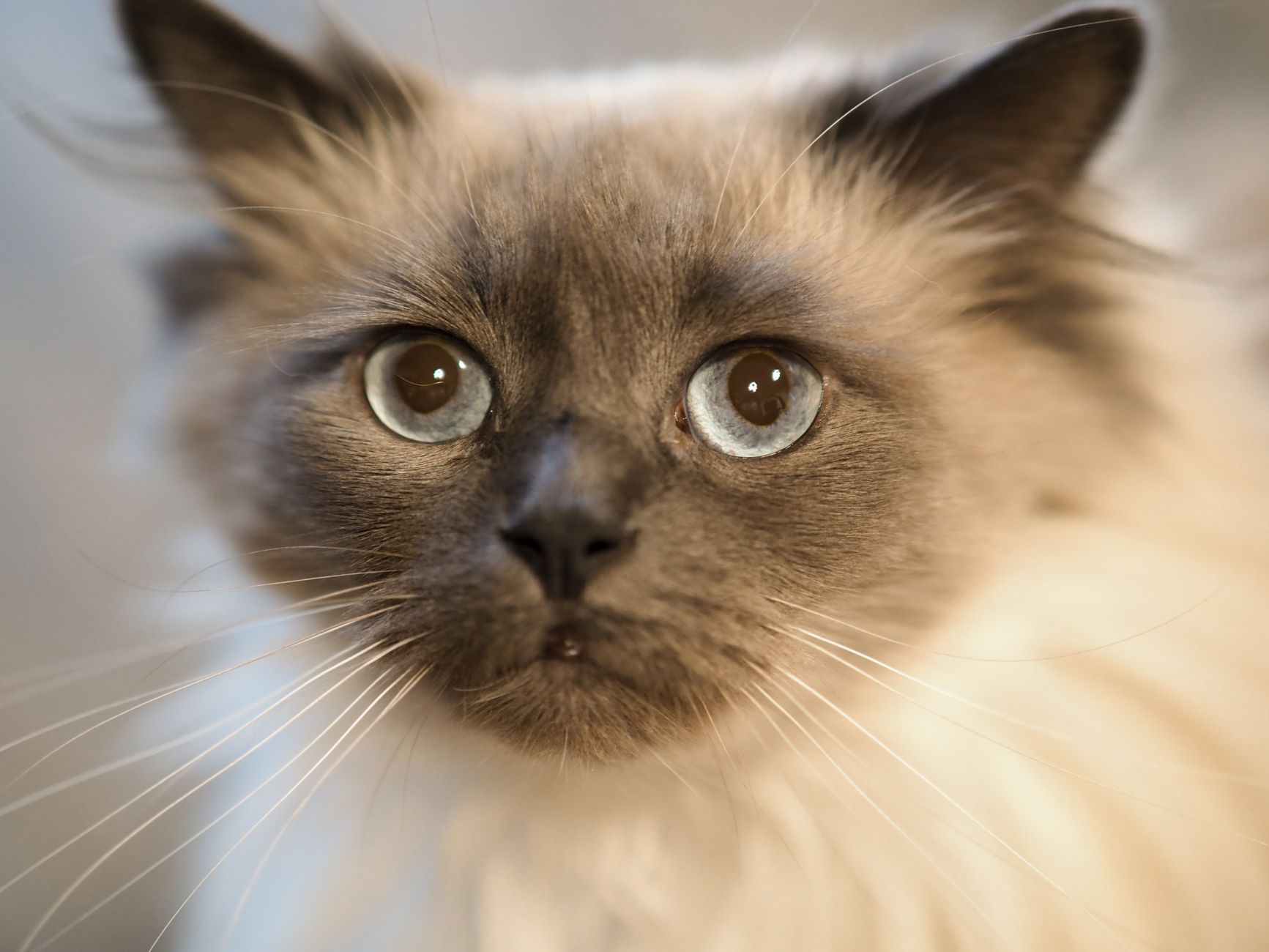
Though they share history, Ragamuffins are recognized as a distinct breed with different standards. While Ragdolls only come in pointed patterns with blue eyes, Ragamuffins can be any color or pattern and can have any eye color, with green or gold being common, and their body shape is slightly more rounded and heavily boned.
Why do Ragamuffins go limp when you hold them?
This is a genetic trait inherited from their foundation stock. It is a sign of deep trust and relaxation, where their muscles completely relax when picked up, earning them their signature doll-like reputation.
Are Ragamuffins hypoallergenic?
No, Ragamuffins are not hypoallergenic. They produce the Fel d 1 protein in their saliva and skin glands like all cats, and their dense fur can trap and spread this dander throughout your home.
How big do Ragamuffin cats get?
They are one of the largest domestic cat breeds. Neutered males frequently weigh between 15 and 20 pounds (or more), while females typically range from 10 to 15 pounds.
Do Ragamuffins have health issues?
Yes, they are genetically predisposed to Polycystic Kidney Disease (PKD) and Hypertrophic Cardiomyopathy (HCM), as well as lifestyle-related issues like obesity. Responsible breeders test their breeding cats for these genetic mutations.
Can Ragamuffins be left alone while I go to work?
They do not cope well with long periods of isolation. If you must work during the day, it is best to have another friendly cat or dog to keep them company, as loneliness can lead to depression and behavioral issues.
Do they talk a lot?
Generally, no. Ragamuffins are a quiet breed with soft, sweet voices that they use sparingly to ask for food or gentle attention, unlike highly vocal breeds like the Siamese.
Are Ragamuffin cats lazy?
They are certainly laid-back and calm, but they are not lazy. They enjoy interactive play sessions, fetching toys, and climbing cat trees, though they spend a large portion of the day napping near their humans.
Do they need to be bathed?
Because their coat texture resists dirt and mats, they rarely need baths. A bath every few months or when they get into something messy is more than enough to keep them clean.
At what age is a Ragamuffin fully grown?
They are a slow-maturing breed that takes between 4 and 5 years to reach their full adult size, skeletal structure, and coat density.
Do Ragamuffins like water?
While they may not jump in the tub with you, many Ragamuffins are fascinated by water and will pat at dripping faucets, play with water bowls, or watch you take a shower with curiosity.
Do they jump high or climb a lot?
Unlike some athletic breeds, Ragamuffins generally prefer to stay closer to ground level or mid-height surfaces. While they can climb cat trees, you are more likely to find them resting on the sofa than on top of the refrigerator.