
Old English Sheepdog Breed Guide
Quick Summary
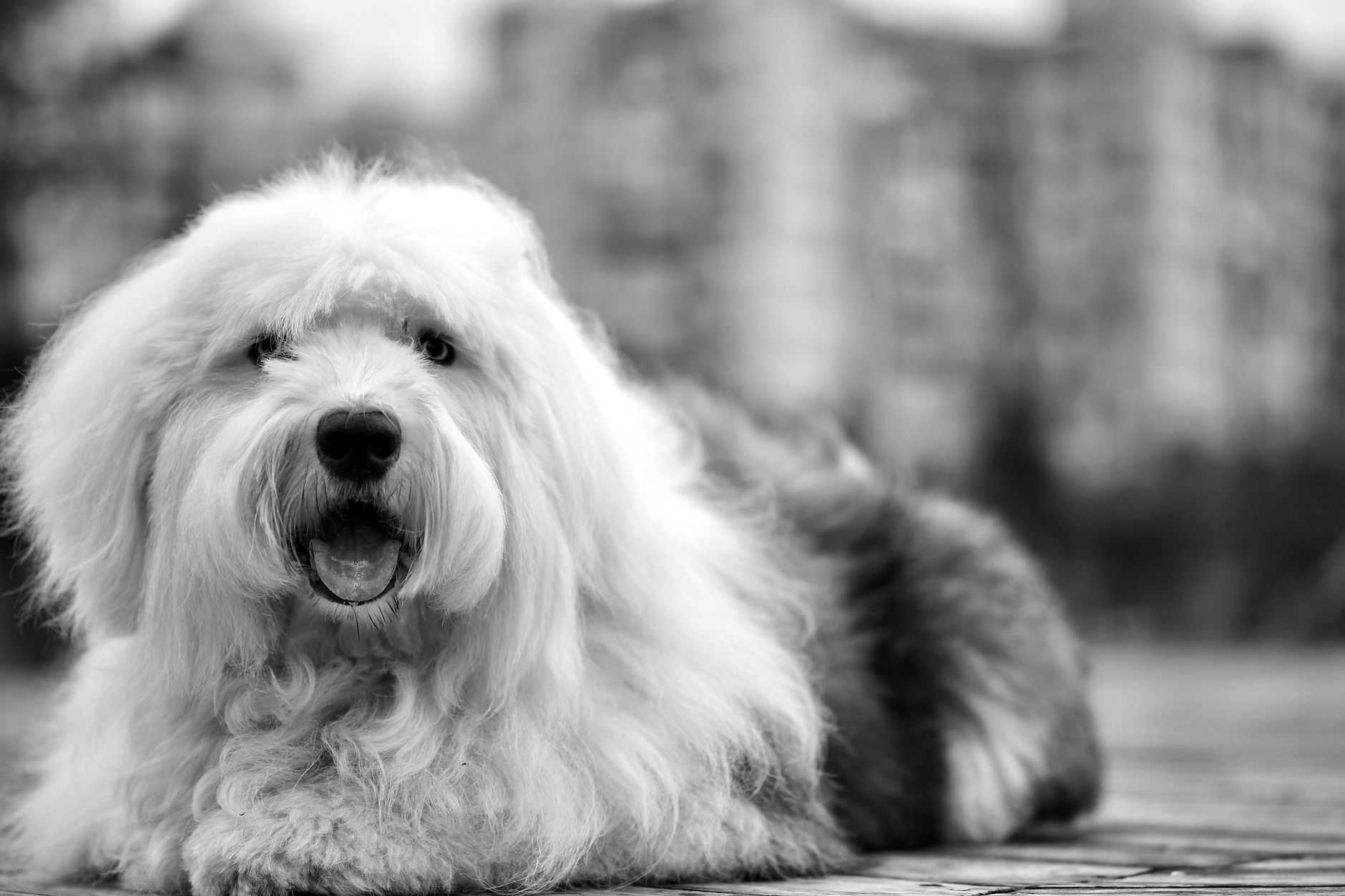
The Old English Sheepdog (OES) is a large, athletic herding dog famous for its shaggy double coat, clownish personality, and distinct ‘pot-bellied’ bark. Excellent for active, dedicated families who can commit to intensive coat maintenance, they are deeply affectionate companions that thrive on human contact but require firm, positive guidance to manage their working-dog instincts.
As an Amazon Associate, we earn from qualifying purchases.
Popular with Old English Sheepdog owners: Slicker Brush · Orthopedic Dog Bed · Hip & Joint Supplement
Quick Facts
- origin countryUnited Kingdom
- breed groupHerding Group
- sizeLarge
- weight range60 to 100 pounds
- height range21 to 22+ inches
- lifespan10 to 12 years
- coat typeLong, shaggy, profuse double coat with a textured outer layer and waterproof undercoat
- common colorsBlue, grey, blue merle, or grizzly, with or without white markings
- other namesBobtail, Shepherd’s Dog
- recognized byAKC, UKC, KC, FCI
Caring for a Old English Sheepdog
Living with an Old English Sheepdog means embracing a lifestyle dominated by a rigorous grooming schedule and moderate, daily mental and physical exercise. In my practice, the biggest shock for new owners is the sheer volume of debris that their magnificent coats act as a magnet for, bringing the outdoors directly into your living room. They require at least 1 to 2 hours of physical activity daily, combined with interactive play to keep their quick minds busy. Without a proper outlet, they can easily develop destructive behaviors or resort to ‘herding’ family members around the house.
Is a Old English Sheepdog a good family pet?
Absolutely, they are renowned for being incredibly gentle, patient, and protective ‘nanny dogs’ for children. However, their size and herding habit of gently bumping or nipping at heels means they must be supervised around toddlers.
Do Old English Sheepdogs shed a lot?
Yes, but not in the way short-haired dogs do. Their dead hair gets trapped in the thick undercoat rather than falling directly onto your furniture, which will cause severe, painful matting unless brushed out thoroughly to the skin multiple times a week.
Is a Old English Sheepdog good for first-time owners?
I generally do not recommend them for novices due to their extreme grooming demands and headstrong herding instincts. An inexperienced owner can quickly become overwhelmed by a 90-pound dog with a matted coat and a stubborn streak.
Temperament & Personality
OES are famous for their bubbly, clownish, and deeply affectionate nature, often remaining puppy-like well into their adult years. They are intensely loyal to their human packs and dislike being excluded from family activities, which can occasionally manifest as separation anxiety. Despite their goofy behavior, they possess a strong, protective herding instinct and a booming, distinctive bark that makes them excellent watchdogs.
Pecute Skin-Friendly Self-Cleaning Slicker Brush
- ✓Instant hair-ejection button
- ✓Made for heavy shedders and sensitive skin
- ✓Works on cats and dogs
- Fine wire pins lift loose undercoat and work out small tangles before they turn into mats
Is a Old English Sheepdog good with other pets?
Generally yes, they tend to get along very well with other household dogs and can co-exist with cats if socialized early. However, their herding instinct may drive them to chase running cats, which requires consistent training to curb.
How much attention does a Old English Sheepdog need?
They are a highly social breed that thrives on constant human companionship and does not do well when left alone for long periods. Expect a dog that will follow you from room to room, eager to participate in whatever you are doing.
Training & Behavior
OES are highly intelligent but possess an independent, working-dog mindset that can translate into stubbornness if training is repetitive or harsh. I always tell owners to start training on day one, focusing on positive reinforcement and high-value rewards to keep them engaged. Because they were bred to work independently in the fields, they will gladly take charge if they sense a lack of consistent leadership.
Training Tips
- Use positive reinforcement and high-value food rewards
- Keep training sessions short, varied, and fun
- Begin socialization immediately to prevent overprotectiveness
- Address herding behaviors like heel-nipping early on
- Establish clear boundaries and consistent house rules
Fun Activities
- Agility trials
- Herding instinct tests
- Obedience competitions
- Therapy dog work
- Hiking and nosework games
Is a Old English Sheepdog easy to train?
They are highly capable and learn commands quickly, but their independent streak means they require a patient, consistent handler. They respond best to fun, reward-based training rather than repetitive, boring drills.
Old English Sheepdog Health Issues
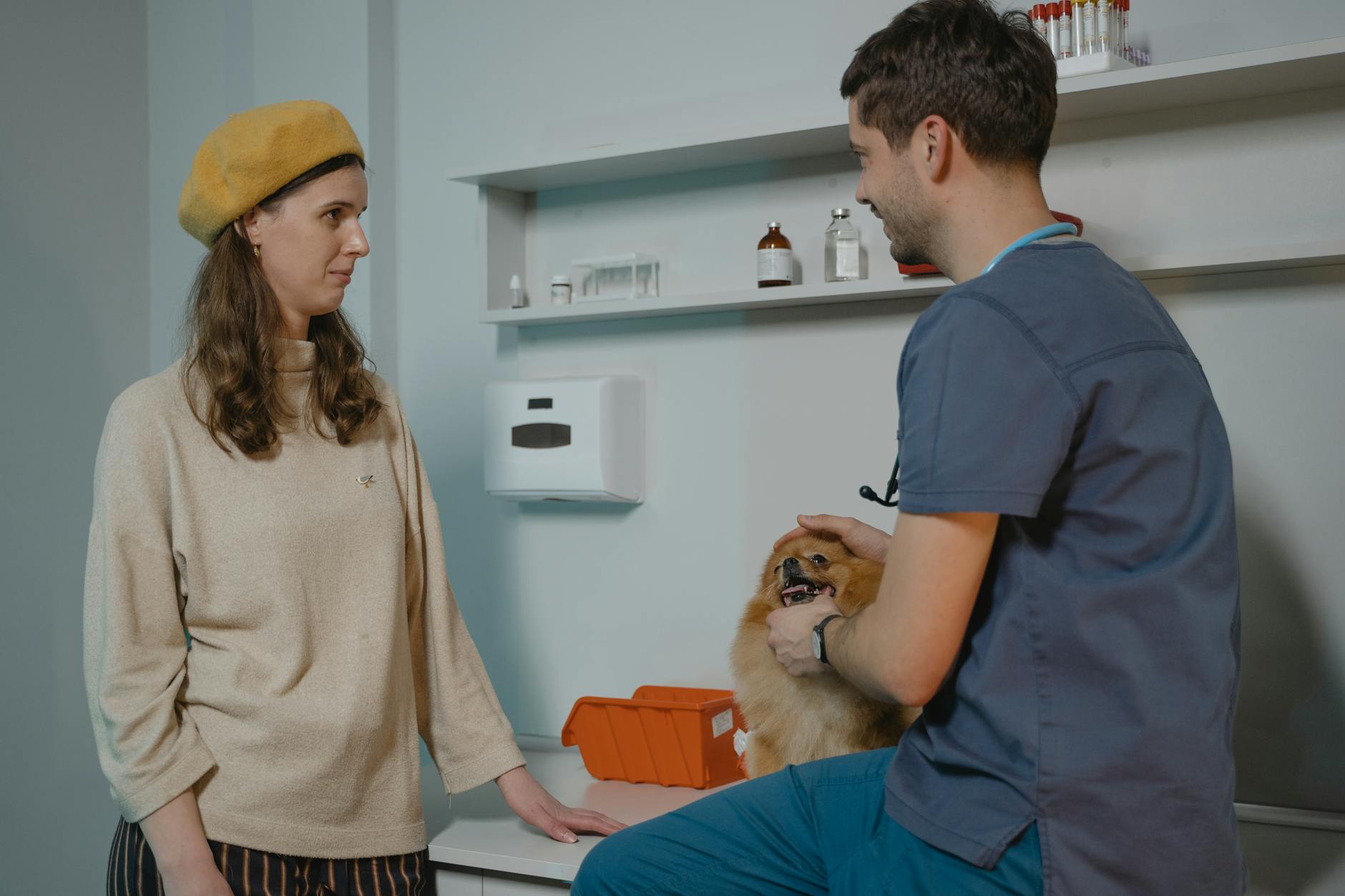
While Old English Sheepdogs are generally robust working dogs, they are genetically predisposed to several hereditary orthopedic, ophthalmologic, and metabolic conditions. In my clinical experience, proactive health screening and maintaining a lean body weight are crucial to maximizing their health and lifespan.
Hip Dysplasia
A genetic malformation of the hip joint where the femur does not fit snugly into the pelvic socket, leading to painful arthritis.
MDR1 Gene Mutation
A genetic sensitivity to certain common medications, including specific antiparasitics (like ivermectin) and chemotherapeutics, which can cross the blood-brain barrier and cause fatal toxicity.
Progressive Retinal Atrophy (PRA)
A family of degenerative eye diseases that causes the gradual deterioration of the retina, eventually leading to complete blindness.
BFPETHOME Orthopedic Washable Large Dog Bed
- ✓High-density egg-crate foam for senior dogs
- ✓U-shaped bolster for head support
- ✓Waterproof inner layer; removable cover
- Supportive foam cushions hips and joints, ideal for large, senior or dysplasia-prone dogs
Hypothyroidism
An underactive thyroid gland leading to a metabolic slowdown, commonly diagnosed in middle-aged dogs.
Gastric Dilatation-Volvulus (GDV)
Also known as bloat, a life-threatening emergency where the stomach fills with gas and twists on its axis, cutting off blood supply.
Cataracts
An opacity in the lens of the eye that blocks light from reaching the retina, which can lead to vision loss.
How long do Old English Sheepdogs typically live?
The typical lifespan for an OES ranges from 10 to 12 years. With excellent veterinary care, a proper diet, and rigorous weight management, some can reach 13 or 14 years.
What to Feed a Old English Sheepdog
Proper nutrition for an OES must focus on supporting joint health and preventing obesity, which places unnecessary stress on their large frames. Because of their heavy coats, it is very easy to miss weight gain, so I teach my clients how to palpate their dog’s ribs regularly.
Best Diet
A high-quality, large-breed adult formula rich in glucosamine, chondroitin, and omega-3 fatty acids is ideal to support joint health. For puppies, a dedicated large-breed puppy formula is essential to ensure controlled growth and prevent skeletal developmental issues.
How to Feed
Divide their daily ration into two equal meals to lower the risk of GDV (bloat). Avoid exercising your dog for at least one hour before and after meals, and use a slow-feeder bowl if they tend to gulp their food.
How Much to Feed
Adult OES typically require 2.5 to 4.5 cups of high-quality dry kibble daily, depending on weight and activity level. Always consult your veterinarian to calculate exact caloric needs based on a Body Condition Score.
Nutritional Tips
Incorporate EPA and DHA from marine sources to keep their skin healthy under that massive coat. Limit high-calorie treats, as even a small amount of excess weight can exacerbate joint issues like hip dysplasia.
Old English Sheepdog Grooming Guide
Grooming an OES is not just a cosmetic chore; it is an absolute lifestyle commitment. Neglecting their coat is a welfare issue, as matting can cause severe skin infections and restrict their movement.
Coat Care
Expect to spend 3 to 4 hours per week line-brushing down to the skin with a pin brush and metal comb to prevent matting. Many owners opt for a professional ‘puppy cut’ every 6 to 8 weeks to make day-to-day maintenance manageable.
Skin Care
Always dry their skin thoroughly after baths or wet walks, as trapped moisture in the dense undercoat easily breeds yeast and bacterial dermatitis. Pay close attention to the beard, which remains wet after drinking.
Eye Care
Keep the hair around their eyes trimmed or tied up in a topknot to prevent mechanical irritation, corneal ulcers, and chronic tear staining.
Ear Care
Their floppy ears trap moisture and debris; pluck or trim excess canal hair and clean weekly with a vet-approved drying solution to prevent otitis externa.
Nail & Dental Care
Trim nails every 3 to 4 weeks to prevent splaying of the feet, and brush teeth daily to combat periodontal disease.
Considerations for Pet Parents
Pros
- Extremely affectionate and loyal
- Excellent, gentle family companion
- Distinctive, beautiful appearance
- Highly intelligent and adaptable
- Natural watchdog with a protective instinct
- Playful, joyful personality
Cons
- Extreme grooming requirements
- Highly prone to tracking dirt and moisture
- Can be headstrong and stubborn
- At risk for bloat and joint issues
- Strong herding instinct may lead to heel-nipping
Best For
Dedicated owners or families who have the time to invest hours weekly in grooming (or the budget for professional groomers) and want a highly affectionate, active, and present companion.
Not Recommended For
Indoorsy families, busy professionals who are away for long hours, or first-time owners who are unprepared for intensive coat maintenance and a large, strong working dog.
Cost
- purchase price$1,800 to $3,500
- monthly cost$150 to $250
- initial setupExpect to spend $1,000 to $1,500 initially on high-quality grooming tools (high-velocity blow dryer, combs, slicker brushes), a large crate, puppy exams, vaccinations, and spay/neuter surgery.
-
VetIQ Glucosamine Hip & Joint ChewsGlucosamine and chondroitin chews support cartilage and mobility, especially in large, senior and dysplasia-prone dogs
-
Zuke’s Mini Naturals Dog Training Treats, ChickenQuick to eat, so training sessions keep moving
-
Diamond Naturals Skin & Coat Dog Food, Salmon & PotatoA complete, balanced diet matched to your dog’s size and age is the foundation of a healthy coat, gut and energy level
Similar Breeds

Related Dog Guides
Old English Sheepdog FAQs
Do Old English Sheepdogs bark a lot?
They have a very loud, distinctive ‘pot-bellied’ bark that sounds like two metal pans clanging together. While they aren’t nuisance barkers, they will loudly announce visitors or unusual sounds, making them excellent watchdogs.
Why are they called Bobtails?
Historically, their tails were docked to identify them as working, tax-exempt drover dogs in England. Today, some are born with natural bobtails, but many are born with full tails that are left natural in countries where docking is banned.
Are Old English Sheepdogs hypoallergenic?
No, they are not hypoallergenic. They shed their dense undercoat, and because their long fur traps dander and saliva close to the skin, they can easily trigger allergies in sensitive individuals.
How much exercise does an Old English Sheepdog need?
They are working dogs that require a moderate amount of daily exercise, averaging 1 to 2 hours. A mix of brisk walks, off-leash play in a secure area, and mental stimulation like puzzle toys will keep them calm and happy.
Can they live in an apartment?
While they can adapt to apartment living if given ample daily outdoor exercise, it is not ideal. Their size, booming bark, and tendency to track mud and water mean they thrive much better in a house with a fenced yard.
At what age do they stop growing?
OES are a large breed and take longer to mature than smaller dogs. They generally reach their full height by 12 to 15 months but will continue to fill out and gain muscle until they are 2 years old.
Do Old English Sheepdogs smell?
Their thick double coats can develop an unpleasant odor if they get wet and are not dried completely, or if food and saliva accumulate in their beard. Regular brushing, beard washing, and thorough drying are essential to keep them smelling fresh.
Are they prone to separation anxiety?
Yes, they form incredibly strong bonds with their human families and can become highly stressed when left alone for long periods. They are best suited for households where someone is home most of the day.
Why does my Old English Sheepdog try to herd my kids?
This is an instinctive herding behavior bred into them for centuries. They may gently nudge, circle, or nip at the heels of running children; this behavior must be redirected early through positive training.
Should I shave my Old English Sheepdog in the summer?
I strongly advise against shaving them down to the skin. Their double coat actually insulates them from the heat and protects them from sunburn; instead, keep them brushed out to allow air circulation, or opt for a slightly shorter ‘puppy cut’ clip.
Are they good swimmers?
Many enjoy water, but their heavy, double coat becomes incredibly waterlogged and heavy when wet. This poses a major drowning hazard, so they should always be supervised near pools or deep water and dried off completely afterward.
What grooming tools do I need for an OES?
You will need a high-quality stainless steel greyhound comb, a long-pinned slicker brush, a pin brush without protective plastic balls on the tips, dematting spray, and a high-velocity dog blow dryer to dry the coat thoroughly after bathing.
How do I prevent my OES from getting eye infections?
The long hair over their eyes can collect dirt and irritate the cornea. You should either keep the hair trimmed short around the eyes or use a hair band to tie it up in a topknot, checking the eyes daily for redness or discharge.
Can they tolerate hot weather?
They do not tolerate heat well due to their heavy double coats and are highly susceptible to heatstroke. During hot summer months, keep them in air-conditioned environments and limit outdoor exercise to the cool early morning or late evening hours.
Sources & Further Reading
- American Kennel Club (AKC)
- Merck Veterinary Manual
- American Veterinary Medical Association (AVMA)
- PetMD