
Toybob Breed Guide

Quick Summary
In my years treating this breed, I have found the Toybob to be a delightfully compact, affectionate companion with a distinctive natural bobtail. They are best suited for owners who want a playful, dog-like feline presence without the large size. What I see most often in practice is a robust, highly adaptable little cat that integrates seamlessly into family life.
Quick Facts
- origin countryRussia
- breed groupNatural mutation
- sizeVery small
- weight range4-7 lbs
- height range7-9 inches
- lifespan12-15 years
- coat typeShort to semi-long
- common colorsAll colors and patterns accepted
- other namesSkif-Thai-Don
- recognized byWCF, TICA
Caring for a Toybob
Day-to-day life with a Toybob is full of energetic antics and surprising agility despite their tiny stature. I always tell owners to secure high-perch cat trees because these cats love to climb and observe their domain from above. In my clinical experience, they handle routine handling remarkably well if socialized early, making grooming and veterinary exams a breeze.
Is a Toybob a good family pet?
Yes, their sturdy build and playful nature make them fantastic companions for children. Always supervise interactions to ensure gentle handling, as they are quite small.
Do Toybobs shed a lot?
They have a manageable coat that sheds moderately during seasonal changes. Weekly brushing is usually sufficient to keep their fur in top shape.
Is a Toybob good for first-time owners?
Absolutely. Their friendly, adaptable temperament and eagerness to please make them wonderful pets for those new to cat ownership.
Temperament & Personality
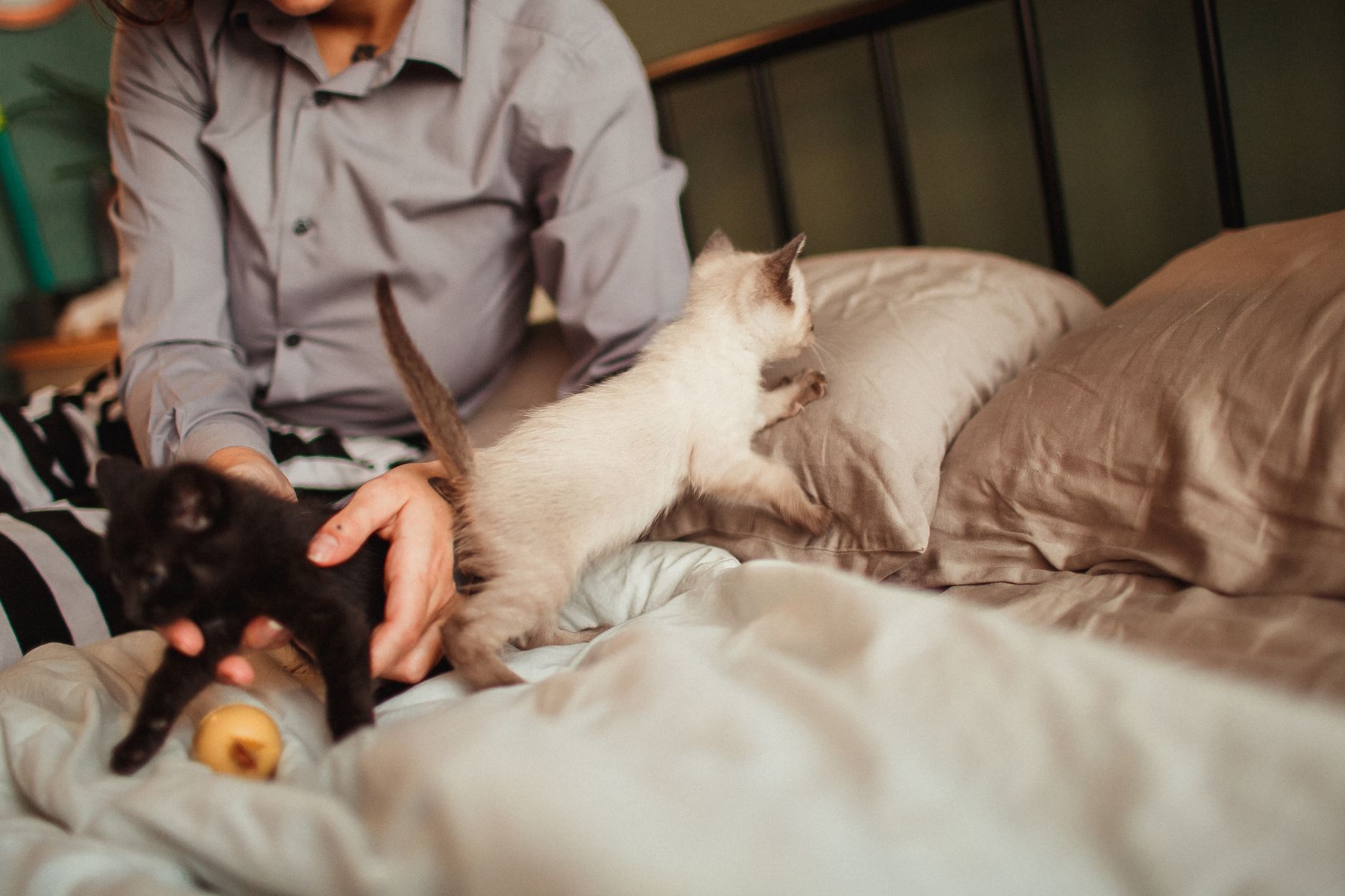
What I see most often in practice is an exceptionally social and fearless little cat that acts much bigger than it is. They thrive on human companionship and will often follow you from room to room like a loyal puppy. They are remarkably intelligent and enjoy interactive play that challenges their problem-solving skills.
Is a Toybob good with other pets?
Generally, yes. Their sociable nature allows them to get along well with cat-friendly dogs and other felines when properly introduced.
How much attention does a Toybob need?
They crave human interaction and can become lonely or bored if left alone for long periods. Providing interactive toys and puzzle feeders helps keep them stimulated.
Training & Behavior
Toybobs possess high intelligence and a strong desire to interact with their humans, making them surprisingly receptive to basic training. I frequently recommend clicker training to channel their mental energy into positive behaviors. Consistency and positive reinforcement are the keys to success with this clever breed.
Training Tips
- Use high-value treats for motivation
- Keep training sessions short and fun
- Incorporate clicker training early
- Provide puzzle toys to challenge their intellect
Fun Activities
- Retrieving small toy mice
- Learning agility courses
- Interactive wand toy play
- Puzzle feeders for problem-solving
Is a Toybob easy to train?
Yes, their intelligence and food motivation make them easier to train than many other cat breeds. You can even teach them to walk on a leash.
Toybob Health Issues

In my clinical practice, Toybobs are generally viewed as a robust and healthy natural breed without an excessive burden of inherited disorders. However, because of their unique bobtail genetics, responsible breeding is crucial to avoid spinal issues.
Spinal Kinks and Deformities
Related to the genetics of the natural bobtail, minor kinks or structural variations can occasionally occur in the tail vertebrae. Most cause no clinical issues, but severe cases require veterinary monitoring.
Hypertrophic Cardiomyopathy (HCM)
A common feline heart disease causing thickening of the heart muscle. Regular auscultation during annual veterinary exams helps detect early heart murmurs.
Dental Disease
Like many small cats, Toybobs are prone to plaque buildup and periodontal disease if oral hygiene is neglected. Professional cleanings and at-home brushing prevent this.
How long do Toybobs typically live?
With proper veterinary care, a healthy diet, and indoor living, Toybobs typically enjoy a lifespan of 12 to 15 years.
What to Feed a Toybob
Nutrition plays a vital role in maintaining your Toybob’s high energy levels and lean muscle mass. Because of their tiny size, portion control is essential to prevent feline obesity.
Best Diet
A high-protein, premium commercial cat food tailored to small breeds is ideal. Consult your veterinarian to select the best life-stage formulation for your individual cat.
How Much to Feed
Portions vary based on age, weight, and activity level; always consult your vet for precise caloric targets. As a small breed, even a few extra ounces can significantly impact their joints.
Nutritional Tips
Ensure fresh, clean water is always available, and incorporate puzzle feeders to stimulate their minds during mealtime.
Toybob Grooming Guide
Maintaining a Toybob’s coat is relatively straightforward, making grooming a pleasant bonding experience. Regular maintenance keeps their skin healthy and minimizes shedding.
Coat Care
Brush their coat weekly with a soft-bristle brush or rubber grooming mitt to remove loose hairs and distribute natural oils. Increase frequency during seasonal shedding periods.
Skin Care
Check their skin periodically during grooming sessions for any signs of irritation, dryness, or parasites.
Eye Care
Wipe the corners of the eyes gently with a damp, soft cloth if any minor discharge accumulates.
Ear Care
Check ears weekly for dirt or wax buildup, cleaning gently with a vet-approved ear cleaner when necessary.
Nail & Dental Care
Trim their claws every 2 to 3 weeks and introduce tooth brushing early with pet-safe enzymatic toothpaste to prevent periodontal disease.
Considerations for Pet Parents
Pros
- Extremely affectionate and loving
- Compact size perfect for smaller homes
- Playful and dog-like personality
- Generally robust and healthy
- Smart and easy to train
Cons
- Prone to separation anxiety if left alone
- Requires mental stimulation to prevent boredom
- Small size means they can easily hide in tiny spaces
- Relatively rare and can be difficult to source
Best For
Families, retirees, or apartment dwellers who want an interactive, highly affectionate companion animal that stays by their side.
Not Recommended For
Busy households where the cat is left alone for long stretches of the day without companionship or stimulation.
Cost
- purchase price$1,500 – $3,500+
- monthly cost$50 – $100
- initial setupIncludes microchipping, initial vaccinations, spay/neuter surgery, and basic supplies like carriers and litter boxes.
Similar Breeds


Toybob FAQs
Where did the Toybob breed originate?
The Toybob originated in Russia through a natural genetic mutation resulting in a small body and a short, kinked bobtail.
Are Toybobs hypoallergenic?
No, Toybobs are not hypoallergenic, as they produce normal feline dander and proteins that trigger allergies.
How big do Toybobs get?
Adult Toybobs typically weigh between 4 and 7 pounds, making them one of the smallest cat breeds in the world.
Do Toybobs get along with dogs?
Yes, when properly socialized, their confident and playful nature allows them to coexist happily with cat-friendly dogs.
Are Toybobs vocal cats?
They communicate with soft, melodic chirps and meows, but they are generally not excessively loud or demanding.
Can Toybobs live in apartments?
Their small size and adaptable nature make them exceptional pets for apartment living, provided they get enough playtime.
What causes the Toybob’s short tail?
The short, bobbed tail is the result of a natural genetic mutation affecting the vertebrae structure.
Do Toybobs like to cuddle?
They are exceptionally affectionate and frequently seek out laps and cuddles from their favorite humans.
Are Toybobs high maintenance?
Aside from needing regular social interaction and playtime, their physical grooming requirements are quite low.
How active are Toybobs?
They maintain a playful, energetic disposition well into adulthood, enjoying interactive games and climbing.
What should I feed my Toybob?
A high-quality, protein-rich commercial diet formulated for small cats is ideal for maintaining their lean muscle mass.
Do Toybobs suffer from health issues?
They are generally healthy, but owners should monitor for dental disease and ensure ethical breeding to avoid spinal complications.