
Siamese Breed Guide

Quick Summary
The Siamese is an ultra-social, intensely vocal, and fiercely loyal companion that behaves more like an energetic dog than a typical independent feline. Best for active households where someone is home frequently, this highly intelligent breed demands constant interaction, mental stimulation, and daily conversation. If you want a quiet, hands-off lap warmer, this is absolutely not the cat for you.
Quick Facts
- origin countryThailand (formerly Siam)
- breed groupShorthair (Natural Breed)
- sizeMedium, svelte, and long-bodied
- weight range6 to 14 pounds
- height range8 to 10 inches
- lifespan12 to 20 years
- coat typeShort, fine, glossy, and lying close to the body
- common colorsSeal point, Blue point, Chocolate point, Lilac point
- other namesWichien Maat, Meezer
- recognized byCFA, TICA, FIFe, GCCF
Caring for a Siamese
Living with a Siamese is like sharing your home with a permanent toddler who can jump six feet in the air. In my experience, they do not tolerate being left alone for long workdays and will quickly develop destructive habits if bored. You must treat them as active participants in your day, involving them in tasks, talking back to their constant vocalizations, and providing high-climbing vertical territory. Expect to have your personal space invaded constantly—they will sleep under your covers, sit on your keyboard, and follow you to the bathroom.
Is a Siamese a good family pet?
Absolutely, because they thrive on commotion and love having multiple people to entertain. I’ve found they do exceptionally well with gentle children who will wave feather wands and run around with them. Just ensure kids respect their boundaries, as they will vocalize loudly if they’ve had enough.
Do Siameses shed a lot?
No, they are actually very low-maintenance shedders due to their single coat, which lacks a dense undercoat. Weekly brushing with a rubber curry brush is usually more than enough to keep their sleek coat looking pristine. However, they are not truly hypoallergenic, despite what some breeders claim, as they still produce Fel d 1 protein in their saliva.
Is a Siamese good for first-time owners?
Generally, no, unless you are prepared for a highly demanding, high-energy pet. I often see first-time owners overwhelmed by how loud, needy, and shadow-like they are. If you expect an independent, quiet cat, a Siamese will shock you; but if you want an incredibly interactive, dog-like companion, they can work.
Temperament & Personality
The Siamese personality is legendary for its depth, intensity, and sheer loudness. These cats form incredibly deep, almost obsessive bonds with their chosen humans, often choosing one favorite person to shadow constantly. They are highly intelligent, emotionally intuitive, and will vocalize their opinions on everything from the cleanliness of their litter box to the timing of dinner. In my decades of handling cats, I’ve never met another breed that craves interactive eye contact and communication quite like the Meezer.
Is a Siamese good with other pets?
Yes, they actually prefer having animal company to prevent loneliness. In my experience, they do wonderfully with energetic dogs and other active cats, especially another Siamese companion. They are highly social and will often form a close-knit snuggle pile with their housemates.
How much attention does a Siamese need?
They need an immense amount of attention—I tell prospective owners to expect at least 1 to 2 hours of direct, active play and social interaction daily. Leaving a Siamese alone for an 8-hour workday without another companion or stimulating puzzle toys is a recipe for separation anxiety and vocal distress. They demand to be involved in everything you do.
Training & Behavior
Siamese cats are exceptionally brainy, which makes them one of the easiest feline breeds to train—but also one of the easiest to accidentally spoil. They respond beautifully to positive reinforcement and clicker training, and many can easily master leash-walking or fetching. However, if you don’t train them, their active minds will find destructive ways to self-entertain, like opening cabinets or unraveling toilet paper rolls. I always advise starting clicker training the very week you bring them home.
Training Tips
- Use high-value, smelly treats like freeze-dried chicken to hold their focus.
- Keep training sessions short, around 3 to 5 minutes, to match their fast-moving minds.
- Introduce a harness and leash indoors slowly before venturing outside.
- Never use physical or vocal punishment, as they are highly sensitive and will lose trust.
- Incorporate a clicker to immediately mark desired behaviors.
Fun Activities
- Interactive fetch with lightweight crinkle balls or felt mice
- Leash-walking in quiet, grassy outdoor areas
- Solving advanced Level 3 food puzzle toys
- Learning agility courses utilizing jumps and tunnels
- Target stick training to perform spins and high-fives
Is a Siamese easy to train?
Yes, they are remarkably quick learners who often pick up tricks faster than many dog breeds. Because they are highly food-motivated and eager for your focused attention, they will happily perform behaviors for a reward. The challenge is keeping them from outsmarting your childproof locks!
Siamese Health Issues
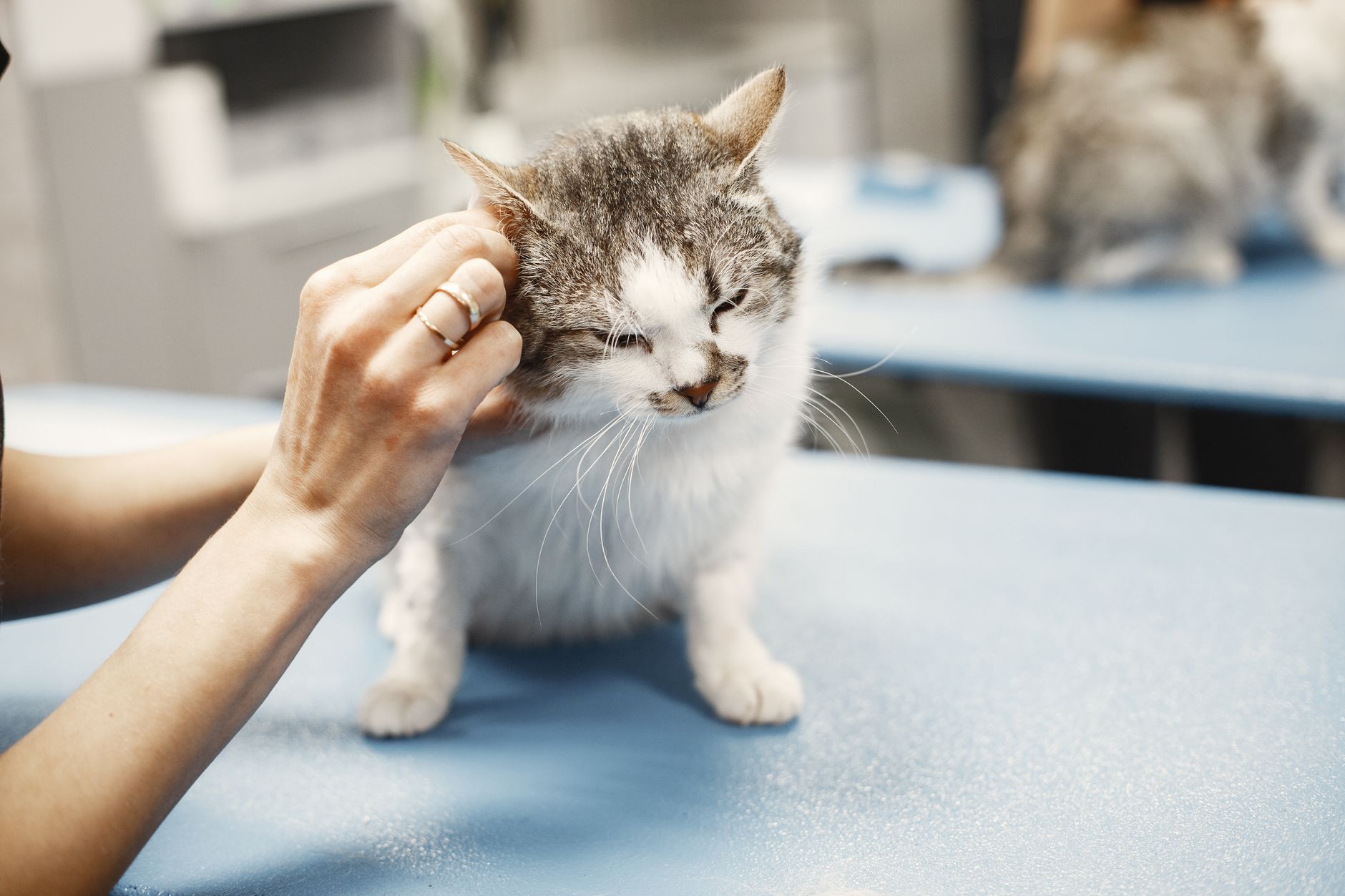
While Siamese cats are generally hardy and famous for their longevity, their genetic pool makes them susceptible to several hereditary health issues. It is crucial to work with a reputable breeder who screens their lines and to maintain regular veterinary wellness checks. I’ve seen many Siamese live well past 15 years when provided with proactive dental care and weight management.
Progressive Retinal Atrophy (PRA)
An inherited eye disease that causes gradual degradation of the retina, leading to progressive vision loss and eventual blindness. Responsible breeders test their breeding cats for the genetic mutation to prevent passing it down.
Amyloidosis
A disease where a non-functional protein called amyloid deposits in major organs, primarily the liver or kidneys in Siamese cats, eventually leading to organ failure. This is a familial condition that requires careful veterinary management.
Asthma and Bronchial Disease
Siamese cats suffer from asthma at a higher rate than general cat populations, characterized by chronic inflammation of the airways. This condition can range from mild to life-threatening acute episodes.
Hypertrophic Cardiomyopathy (HCM)
The most common heart disease in cats, where the heart muscle thickens abnormally, reducing its efficiency. It can lead to blood clots, heart failure, or sudden death if left untreated.
Convergent Strabismus and Nystagmus
Commonly known as crossed eyes (strabismus) and involuntary eye movement (nystagmus), these genetic traits affect the wiring between the eyes and brain. While mostly cosmetic and not painful, it can slightly limit their depth perception.
How long do Siameses typically live?
With proper indoor-only care, regular veterinary visits, and a balanced diet, Siamese cats frequently live between 15 and 20 years. They are renowned in the cat world for their exceptional longevity. I have personally known several ‘Meezers’ who reached the ripe old age of 22.
What to Feed a Siamese
Siamese cats have a naturally svelte, athletic build that can be easily ruined by obesity. Keeping them at an optimal weight is vital to protect their long, fine-boned limbs and joints. I’ve found that they thrive on a carefully portioned diet rather than free-feeding, which often leads to overeating out of boredom.
Best Diet
I highly recommend a high-moisture, high-protein wet food diet to support their lean muscle mass and kidney health. Look for diets where real meat (like chicken, turkey, or salmon) is the first ingredient, and limit dry kibble, which can be carbohydrate-heavy. Always consult your vet to choose a life-stage appropriate formula.
How to Feed
Feed your adult Siamese on a strict schedule of two to three small, measured meals per day rather than leaving food out. Because they are highly active, using puzzle feeders or hiding food around the house mimics their natural hunting instincts and keeps them mentally engaged. Clean, fresh water should always be available, preferably via a cat fountain to encourage drinking.
How Much to Feed
Portion size depends on their exact weight, age, and activity level, but generally, an active adult Siamese requires about 200 to 250 calories per day. Always check the caloric density of your specific food and adjust under your veterinarian’s guidance. Avoid giving in to their dramatic vocal begging, as they are master manipulators.
Nutritional Tips
Incorporate omega-3 fatty acids (like salmon oil) into their diet to maintain their signature glossy, close-lying coat. Monitor their treat intake strictly, ensuring treats make up less than 10% of their daily caloric intake. If your Siamese is prone to urinary tract issues, talk to your vet about specialized wet diets designed to manage bladder pH.
Siamese Grooming Guide
Grooming a Siamese is a breeze compared to long-haired breeds, making them ideal for owners who want a low-maintenance coat. However, you must dedicate regular time to their dental and claw care, which are often overlooked but highly critical. Because they love being handled, grooming can be a wonderful bonding activity.
Coat Care
Brush their short, fine coat once a week with a soft-bristle brush or a rubber grooming mitt to remove loose hairs and distribute natural skin oils. They do not require regular bathing unless they manage to get into something sticky or dirty. Weekly grooming also helps minimize the hair they ingest, reducing hairballs.
Skin Care
Their skin is generally healthy, but their pointed coloration is heat-sensitive; their fur grows lighter in warm temperatures and darker in cold. Watch for signs of dry, flaky skin during dry winter months, and consult your vet if you notice excessive licking or bald patches.
Eye Care
Due to their genetic predisposition for crossed eyes and minor tearing, check their eyes weekly. Wipe away any mild discharge with a damp, soft cotton ball—using a separate clean cotton ball for each eye to prevent spreading any potential infection.
Ear Care
Check their large, upright ears weekly for wax buildup, dirt, or signs of redness. If they look dirty, clean them gently with a vet-approved ear cleanser and a cotton round, never inserting cotton swabs into the ear canal.
Nail & Dental Care
Clip their sharp claws every two to three weeks to prevent them from snagging on carpets or scratching furniture. Dental hygiene is absolutely vital, as Siamese are prone to periodontal disease; brush their teeth daily or at least three times a week with a cat-safe enzymatic toothpaste.
Considerations for Pet Parents
Pros
- Incredibly affectionate, loyal, and dog-like companions
- Highly intelligent and easily trained to do tricks or walk on a leash
- Very low grooming needs with minimal shedding
- Thrives in active households and gets along well with other pets
- Often enjoys exceptionally long lifespans (15-20 years)
- Entertaining, playful, and deeply interactive personalities
Cons
- Extremely loud, frequent, and persistent vocalization
- Prone to separation anxiety and cannot be left alone all day
- Can be highly demanding and shadow your every move
- Requires significant daily mental stimulation and interactive play
Best For
Active households, multi-pet families, or work-from-home owners who want a highly interactive, dog-like shadow. They are perfect for people who enjoy ‘talking’ to their pets and want a cat that actively participates in daily family life.
Not Recommended For
Busy professionals who are out of the house for long hours, or anyone seeking a quiet, calm, or independent cat. If constant loud meowing or a cat jumping on your shoulders stresses you out, do not choose this breed.
Cost
- purchase price$800 – $2,500 USD
- monthly cost$80 – $150 USD
- initial setupInitial setup costs typically run $500 to $1,000, including high-quality scratching posts, vertical cat trees, puzzle toys, litter boxes, carrier, and initial vet checkups/vaccinations.
Similar Breeds
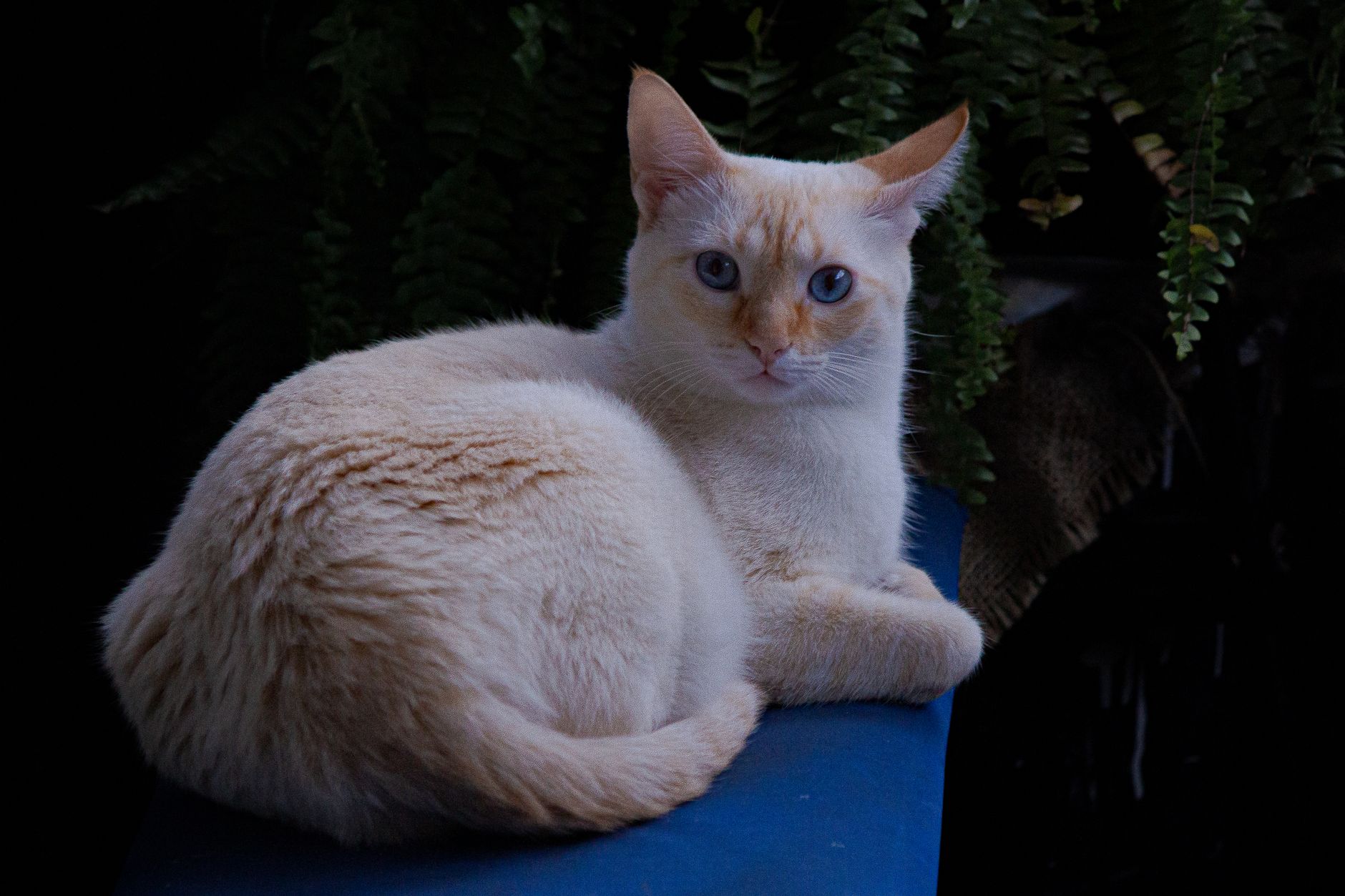
Balinese
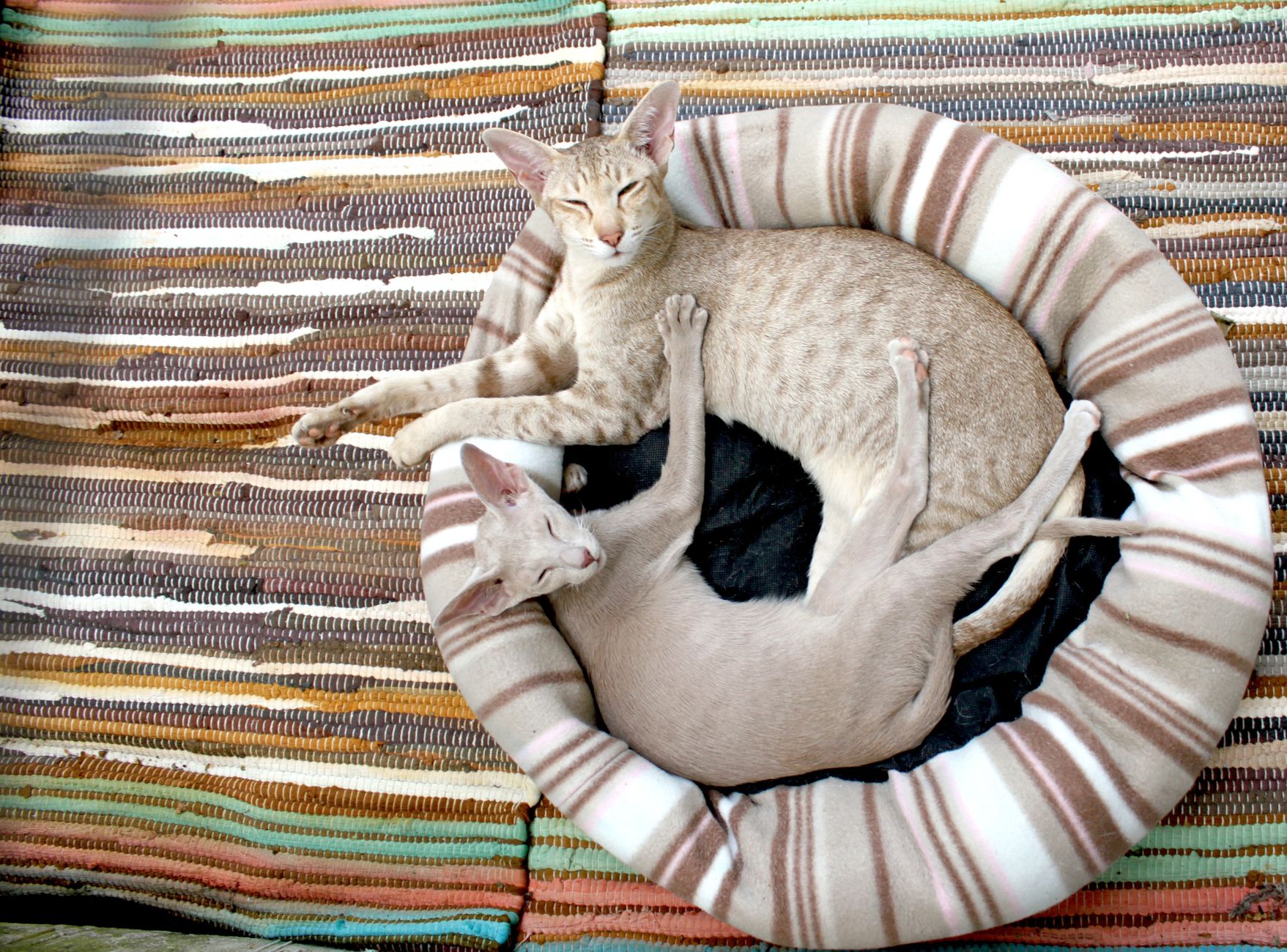
Oriental Shorthair
Siamese FAQs
Why do Siamese cats meow so much?
Siamese cats are naturally vocal because they were bred to be close companions and possess a unique vocal cord structure that allows a wide, raspy range of tones. They use this ‘yowl’ to communicate everything from hunger to a demand for attention, treating it as a true conversation with their humans.
Why does my Siamese cat’s fur change color?
Their coat color is controlled by a temperature-sensitive enzyme that restricts pigment production to the cooler parts of their body (ears, paws, tail, and face). This means they are born pure white in the warm womb and gradually develop dark points as they grow, with their coat sometimes darkening in cold winters and lightening in summer.
Are Siamese cats hypoallergenic?
While no cat is 100% hypoallergenic, Siamese cats do produce slightly less of the Fel d 1 protein (the main allergen) in their saliva than many other breeds. They also shed very little due to their single coat, which helps reduce the spread of dander, making them a common choice for mild allergy sufferers.
Do Siamese cats get lonely?
Yes, they are highly social animals that suffer from loneliness and separation anxiety if left alone for long periods. In my experience, they do much better when adopted in pairs or kept in households with other friendly pets and active owners.
What is the difference between a traditional and modern Siamese?
Traditional Siamese (often called Appleheads) have rounder faces, heavier bones, and a sturdier build reminiscent of the original imported cats. Modern Siamese are highly stylized with extremely long, svelte bodies, large wedge-shaped heads, huge ears, and long, thin tails.
Are Siamese cats aggressive?
Generally, no, they are affectionate and loving. However, because they are highly energetic and intelligent, a bored or neglected Siamese can easily become frustrated, leading to play-aggression, biting, or destructive behaviors if they aren’t given enough mental stimulation.
Why do Siamese cats have crossed eyes?
Historically, the gene that creates the pointed coat pattern also affected the wiring of the optic chiasm, causing crossed eyes (strabismus). While modern breeding has largely reduced this trait, it still appears occasionally and does not cause them pain, though it may slightly alter their depth perception.
Do Siamese cats like water?
While individual preferences vary, many Siamese are fascinated by water and enjoy watching dripping faucets or splashing in shallow puddles. Some will even try to join you in the shower or dip their paws into water bowls, which is why a running pet fountain is highly recommended.
How can I stop my Siamese cat from meowing at night?
Nighttime vocalization is usually a sign of boredom or pent-up energy. To stop it, establish an intense play session right before bed followed by their largest meal of the day, and strictly ignore their nighttime cries so you don’t accidentally reward the behavior with attention.
Can Siamese cats be left alone for 8 hours?
I strongly advise against leaving a single Siamese alone for a full 8-hour workday. If you must be gone, it is highly recommended to have a second pet (preferably another active cat or dog) to keep them company, along with plenty of interactive puzzle toys.
Are female or male Siamese cats more affectionate?
In my experience, both genders are incredibly loving, but males tend to be slightly more relaxed, goofy, and demand attention indiscriminately from anyone nearby. Females are often highly loyal but can be more opinionated, sometimes bonding intensely with just one specific person.
What are ‘points’ on a Siamese cat?
‘Points’ refer to the darker coloration on the coldest parts of the cat’s body: the face (mask), ears, paws, and tail. The contrast between these dark points and the lighter body color is the defining aesthetic feature of the breed.
Do Siamese cats jump high?
Yes, they are incredibly athletic, long-limbed cats capable of jumping six feet or more in a single leap. Expect to find them on top of your refrigerator, doors, and highest kitchen cabinets, which is why tall cat trees are a necessity.
At what age do Siamese cats stop growing?
While they reach sexual maturity early, Siamese cats generally finish filling out physically around 1 to 2 years of age. They will maintain their sleek, svelte, muscular look throughout adulthood if fed a proper, portion-controlled diet.