
 Siamese Cat Vocalization: Why They’re So Talkative” loading=”lazy”>
Quick Summary
Siamese cat vocalization is a deeply ingrained genetic trait stemming from centuries of selective breeding in royal Asian courts. While their expressive chatter is normal and indicates a high social drive, sudden increases in vocal behavior can signal underlying veterinary conditions like hyperthyroidism, hypertension, or cognitive decline. Understanding how to manage their environment and communicate effectively can help balance their talkative nature with a peaceful home.
If you have ever shared your home with a beautiful Siamese cat, you already know that they do not simply meow like other felines. They hold entire conversations, muttering, chirping, and occasionally delivering ear-splitting yowls that sound remarkably like a human infant crying in distress.
In my years of veterinary practice, I have had countless clients come to my clinic looking exhausted, asking if this relentless chatter is a sign of psychological distress or a physical ailment. The short answer is that vocalization is a deeply ingrained breed trait, but the clinical reality is far more nuanced and fascinating.
Understanding the exact biological, genetic, and behavioral drivers behind this famous ‘Siamese voice’ is crucial for any owner. By learning to decode their unique vocal styling, we can ensure their physical health is optimal and their complex social needs are being met.
Key Takeaways
- Vocalization is an evolutionary trait linked to the Siamese’s history as royal palace guard companions.
- Siamese cats possess a vastly superior vocal range compared to other domestic breeds, utilizing infant-like frequencies to grab attention.
- A sudden escalation in crying can indicate serious clinical conditions such as feline hyperthyroidism, high blood pressure, or arthritis.
- Many owners accidentally reinforce screaming behavior through operant conditioning by responding with attention or food.
- Feline Cognitive Dysfunction (FCD) is a common cause of nocturnal howling in senior Siamese cats.
- Providing high-level environmental enrichment and structured play can naturally reduce boredom-induced vocalizations.
In This Article
- The Evolutionary Blueprint: Genetics Behind the Famous Voice
- Deciphering the Siamese Dialect: What Your Cat Is Trying to Tell You
- Clinical Concerns: When Talkativeness Is Actually a Symptom of Disease
- The Danger of Accidental Reinforcement: Are You Training the Noise?
- Constructing a Quiet Protocol: Behavioral Modification Strategies
- Cognitive Decline in Aging Siamese: Navigating Kitty Dementia
- Environmental Enrichment: Keeping a Highly Intelligent Mind Busy
- The Social Imperative: Does Your Siamese Need a Companion?
The Evolutionary Blueprint: Genetics Behind the Famous Voice
To truly understand why your Siamese cat is so incredibly vocal, we must look backward in time to their historical origins in Siam, which is modern-day Thailand. Unlike many domestic cats that evolved as solitary, silent hunters, Siamese cats were selectively bred for centuries to live in close proximity to Buddhist monks and royal families.
This close human-animal bond favored cats that could actively communicate, resulting in a breed with a highly developed social drive.
In my clinical experience, this genetic blueprint means that Siamese cats do not view vocalization as an optional behavior, but rather as their primary method of interacting with their social group. They possess an incredibly sensitive nervous system that responds rapidly to environmental stimuli, which they immediately translate into sound.
This is not a behavior you can—or should—completely train out of them, as it is a core component of their genetic identity.
The Ancient Guard Cat Legacy
Historical records suggest that Siamese cats in royal palaces were used similarly to guard dogs, utilizing their loud, piercing cries to alert their owners of incoming strangers or potential dangers. This protective instinct and desire to sound the alarm remain deeply embedded in their modern DNA.
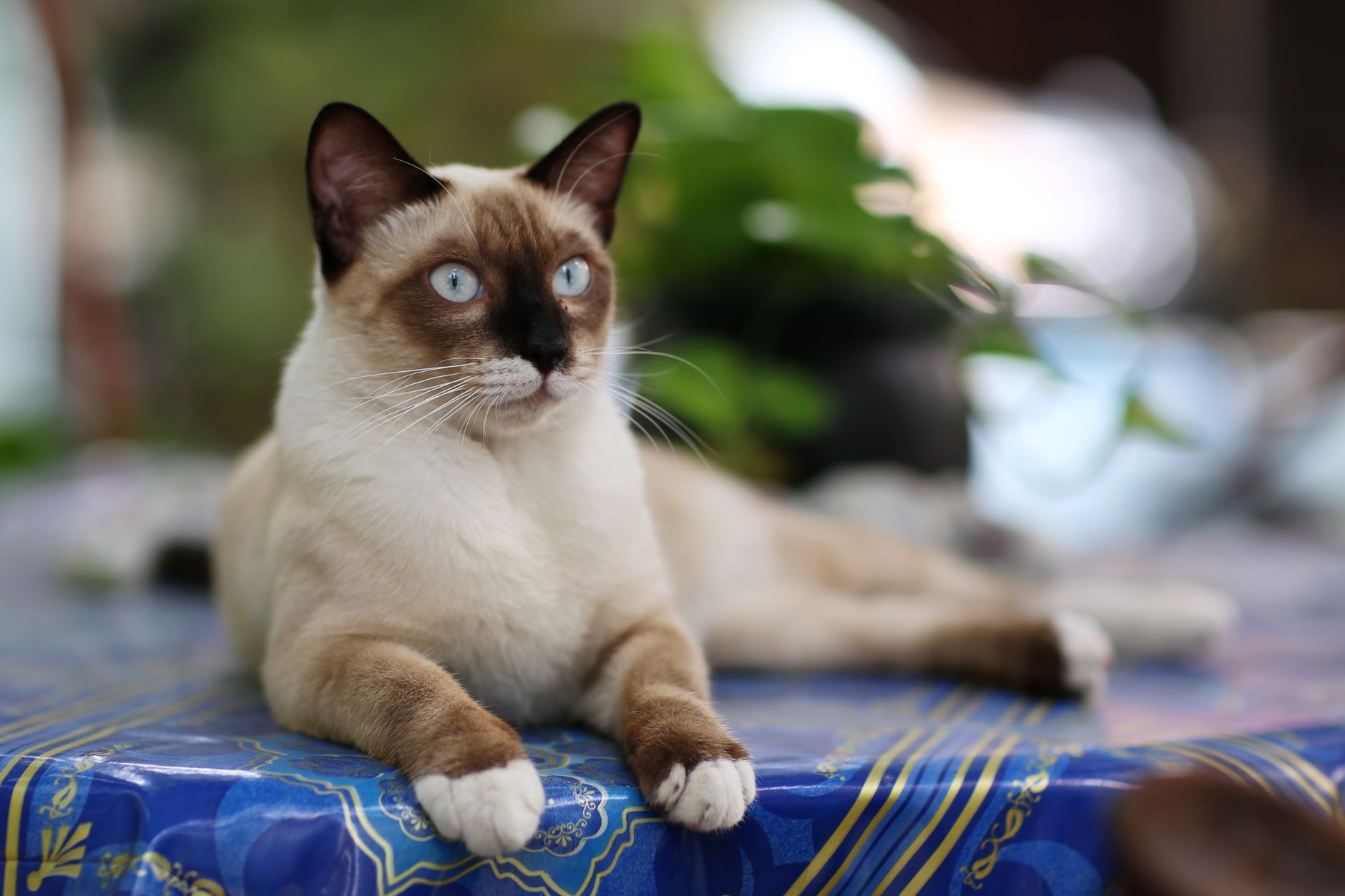
Deciphering the Siamese Dialect: What Your Cat Is Trying to Tell You
When a client brings their Siamese to my clinic and complains that the cat is ‘screaming’ at them, my very first step is to ask them to describe the pitch, frequency, and context of the sound. Siamese cats possess a vastly superior vocal range compared to almost any other domestic breed, and they use specific tones to convey distinct emotional states.
In my practice, I have observed that these cats are master manipulation artists; they quickly realize which pitches trigger the fastest response from their owners. Learning to distinguish between their daily chatter and cries of genuine distress is one of the most important skills a Siamese owner can develop.
- The Friendly Raspy Greeting: A mid-pitched, short ‘mee-ow’ that signifies a casual greeting or a polite request for your presence.
- The Demanding Low-Pitched Yowl: A guttural, prolonged sound usually delivered near the food bowl or closed doors, signaling frustration or a demand for service.
- The High-Pitched Trill or Chirp: An excited, bird-like sound used during interactive play or when they spot prey through a window.
- The Infant-Like Cry: A piercing, nasal wail that closely mimics human baby frequencies, engineered to trigger an immediate, urgent caregiving response from humans.
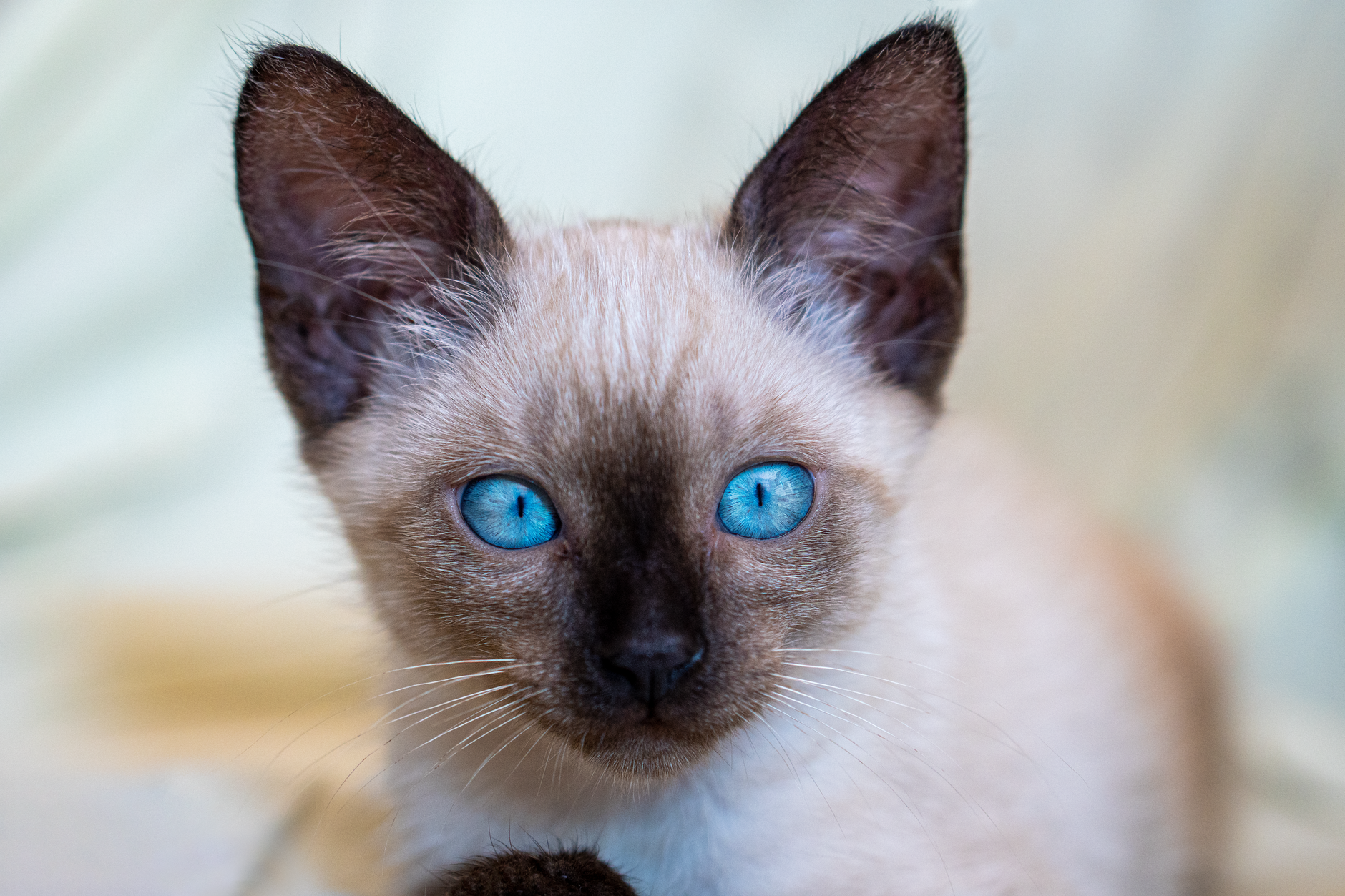
Clinical Concerns: When Talkativeness Is Actually a Symptom of Disease
While it is true that Siamese cats are naturally vocal, a sudden, dramatic shift in their vocalization baseline is one of the most common reasons I recommend a complete veterinary workup. If a normally quiet Siamese suddenly starts howling, or if an already talkative cat escalates to frantic, non-stop screaming, we must investigate potential underlying medical issues immediately.
As a clinician, I always tell my clients that pain, discomfort, and internal metabolic shifts will manifest as vocal distress long before you see physical symptoms. We must perform diagnostic bloodwork, blood pressure checks, and physical exams to rule out several common feline pathologies that directly drive excessive vocalization.
- Feline Hyperthyroidism: An overproduction of thyroid hormone that speeds up the metabolism, causing severe restlessness, weight loss, and constant nocturnal howling.
- Systemic Hypertension: High blood pressure, frequently secondary to chronic kidney disease, which causes intense headaches and sensory confusion, leading to loud crying.
- Osteoarthritis and Joint Pain: Chronic, localized pain that makes jumping or walking uncomfortable, prompting your cat to vocalize when they attempt physical movements.
- Sensory Decline: Gradual loss of vision or hearing that leaves senior cats feeling disoriented and isolated, causing them to cry out to locate their owners.

The Danger of Accidental Reinforcement: Are You Training the Noise?
One of the most eye-opening conversations I have with my clients involves explaining how they may have accidentally trained their Siamese to shout at them. Siamese cats are exceptionally intelligent, highly observant animals with cognitive capacities that match or exceed many dog breeds.
They learn through operant conditioning, which means they quickly connect their behaviors with your subsequent actions.
If your Siamese lets out a loud, demanding yowl and you immediately look at them, talk back to them, pick them up, or put food in their bowl, you have just rewarded that behavior. In your cat’s mind, they have successfully pushed a button that makes their human perform a specific task, ensuring they will scream even louder next time.
The Trap of Negative Attention
Many frustrated owners resort to yelling ‘quiet’ or clapping their hands to stop the noise. However, to a highly social, bored Siamese, even negative attention is a rewarding victory, as it means they successfully forced you to engage with them.
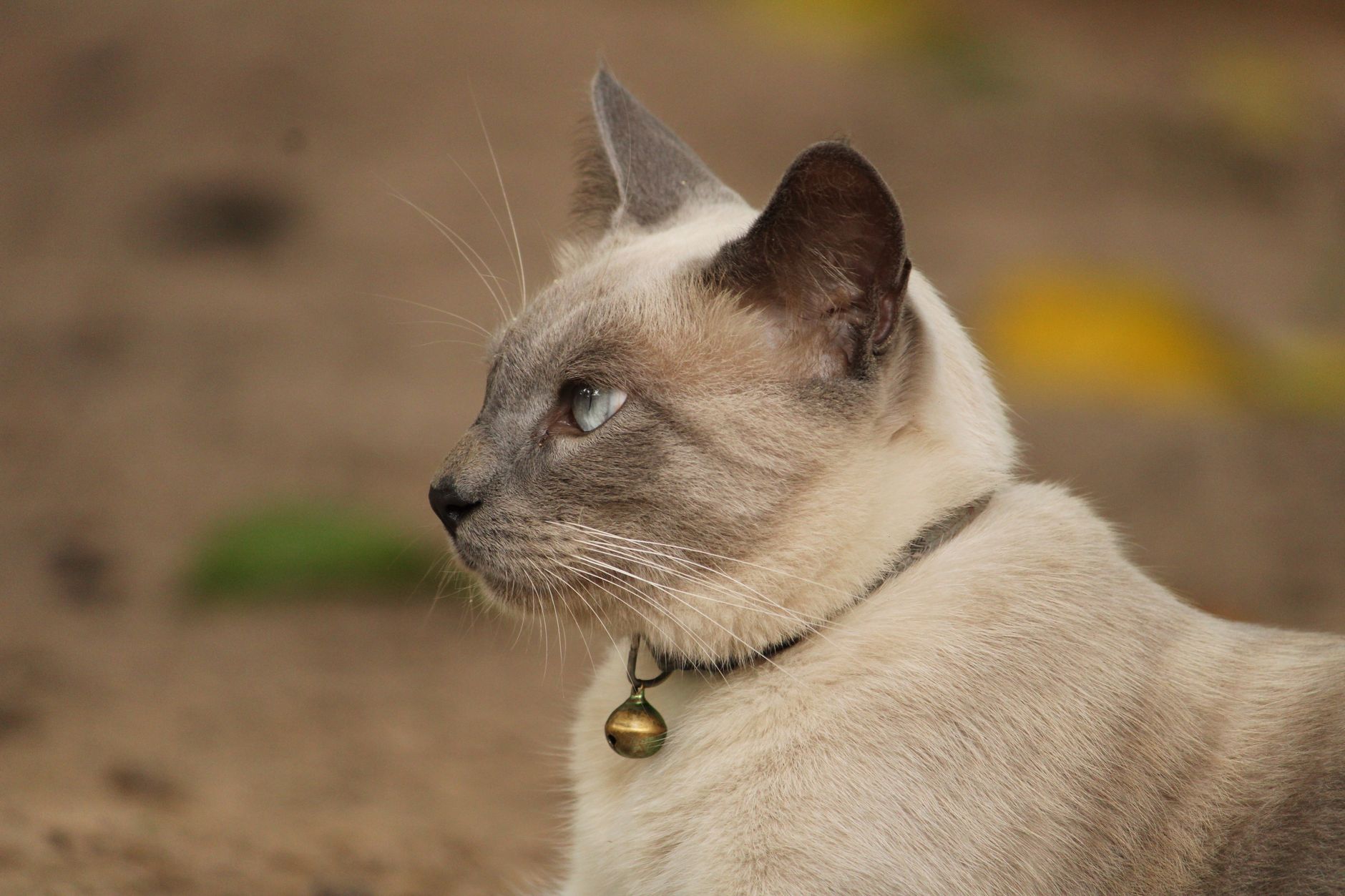
Constructing a Quiet Protocol: Behavioral Modification Strategies
If your Siamese’s vocal demands are beginning to strain your household’s peace, we need to implement a structured behavior modification protocol to break the screaming cycle. This is not about silencing your cat entirely, but rather teaching them that quiet, calm behavior is the only key that unlocks your attention and rewards.
I advise my clients that success in this area requires absolute, 100% consistency from every single human living in the household. If just one family member breaks the rules and gives in to a late-night screaming fit, the cat’s demanding behavior will actually become stronger and more persistent.
- Implement the ‘Cold Shoulder’ Technique: Completely ignore your cat when they vocalize demandingly; do not make eye contact, speak, or move toward them.
- Capture and Reward Calmness: Keep a stash of high-value treats on hand and immediately reward your Siamese when they have been quiet for at least ten consecutive seconds.
- De-Link Yourself from Feeding: Use an automated pet feeder set to precise times so your cat associates food with a machine rather than your physical movement.
- Establish Strict Play Routines: Dedicate two fifteen-minute windows daily to intense interactive play, helping to drain their physical energy before you need quiet time.
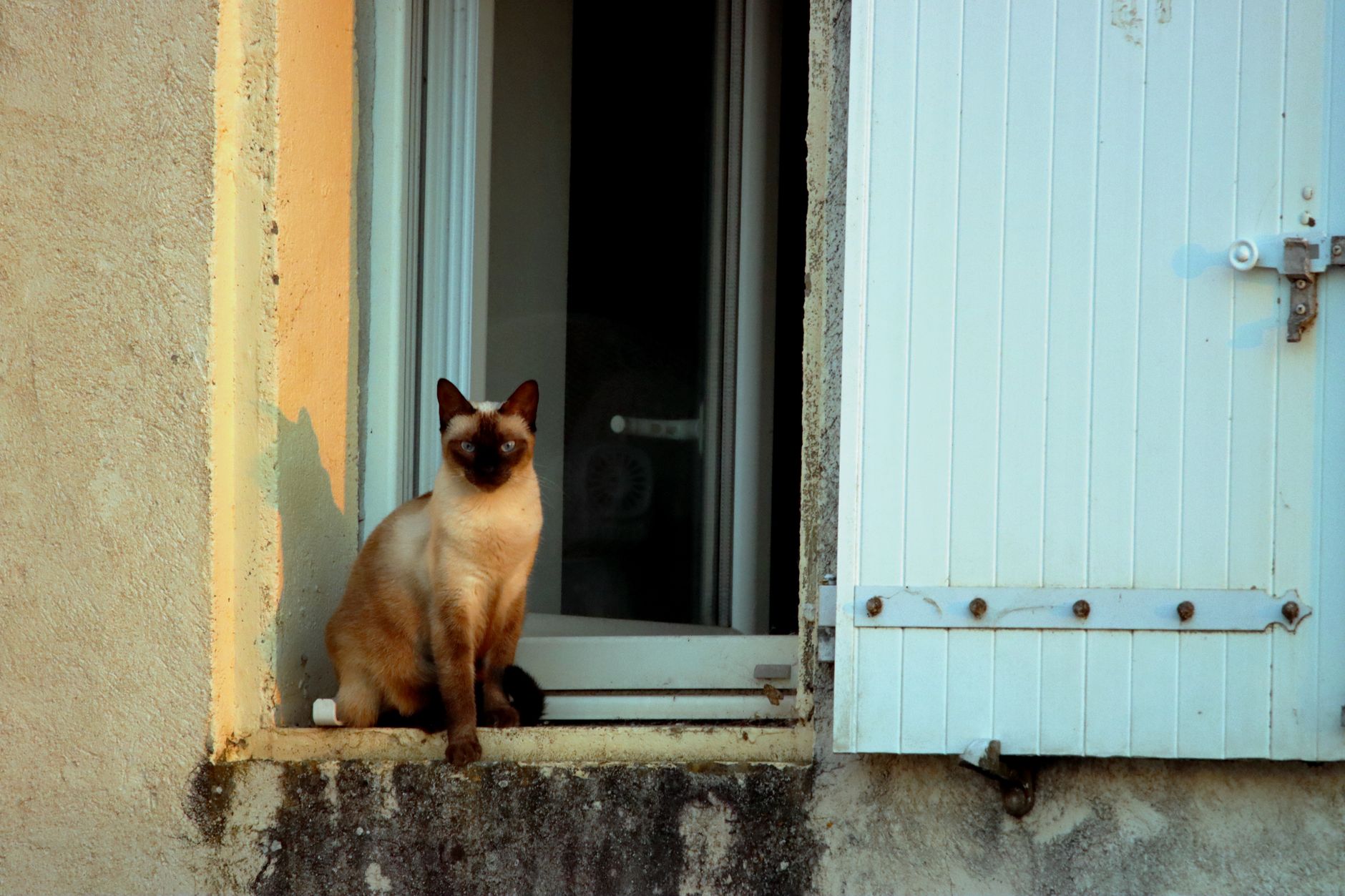
Cognitive Decline in Aging Siamese: Navigating Kitty Dementia
Thanks to advances in modern veterinary medicine, our feline companions are living much longer lives, which means I am diagnosing more cases of Feline Cognitive Dysfunction (FCD). This condition is highly analogous to Alzheimer’s disease in humans, and one of its hallmark symptoms is sudden, loud, and disoriented vocalization, particularly during the middle of the night.
If you have a senior Siamese who wanders the hallways crying out in a flat, lost tone, they are likely experiencing spatial disorientation. Their brain is struggling to process sensory inputs, and they are crying out because they genuinely do not know where they are or how to find you in the dark.
- Pacing or wandering aimlessly around the house while vocalizing loudly
- Staring blankly at walls, corners, or furniture for extended periods
- Reversal of the normal sleep-wake cycle, resulting in high nighttime activity and daytime lethargy
- Forgetting trained behaviors, such as the location of their litter box or favorite sleeping spots
Environmental Enrichment: Keeping a Highly Intelligent Mind Busy
In my years of clinical practice, I have found that a significant portion of excessive vocalization in young, healthy Siamese cats stems from pure, unadulterated boredom. These are not low-maintenance lap cats; they are active, athletic, and mentally complex animals that require daily cognitive challenges to stay balanced.
If you do not provide your Siamese with a constructive outlet for their mental energy, they will inevitably invent their own entertainment—which usually involves screaming at you. Environmental enrichment is the most effective non-medical tool we have to reduce boredom-related vocalizations.
- Introduce Advanced Food Puzzles: Force your Siamese to solve complex sliding mechanisms or mazes to access their daily dry kibble.
- Expand Vertical Territory: Install dedicated cat wall shelves, window perches, and tall cat trees to give them a high-vantage patrol route.
- Deploy Motion-Activated Toys: Use toys that react to your cat’s movement, simulating the unpredictable nature of live prey to keep them engaged while you work.
- Provide Visual Entertainment: Position a comfortable perch near a bird feeder or leave a tablet playing specialized nature videos designed for cats.
The Social Imperative: Does Your Siamese Need a Companion?
Because Siamese cats are incredibly social and form deep emotional bonds, they struggle immensely when left alone in empty houses for long workdays. This isolation often manifests as separation anxiety, which drives them to vocalize hysterically the moment you return home or even while you are preparing to leave.
Many of my clients ask if adopting a second cat will solve this loneliness-induced screaming. While a companion can indeed provide vital social stimulation, it is not a decision to be made lightly, as an improper match can create intense territorial stress.
Selecting the Right Feline Partner
If you decide to get a companion, choose another high-energy, social breed or an active, confident shelter cat. A quiet, introverted breed like a Persian or Ragdoll will easily be overwhelmed and stressed by a Siamese’s intense, face-to-face social style.
Frequently Asked Questions
Why does my Siamese cat meow so loudly at night?
This is often due to their natural crepuscular instincts, boredom, or, in older cats, Feline Cognitive Dysfunction (FCD). Ensure they have an intense play session before bed, and schedule a veterinary exam if they are a senior cat to check for hypertension or dementia.
Can I train my Siamese cat to be completely quiet?
No, and you should not try to do so. Vocalization is a core genetic trait of the Siamese breed, deeply linked to their social nature. The goal of behavior modification is to manage excessive, demanding screaming, not to eliminate their natural, healthy desire to converse with you.
Is it true that Siamese cats mimic human baby cries?
Yes, Siamese cats have evolved a vocal range that can closely mimic the frequency of a human infant’s cry. They quickly learn that this specific, piercing pitch triggers an immediate, urgent caregiving response from their owners, making it a highly effective tool for getting attention.
How do I know if my Siamese cat is crying in pain?
A cat in pain will typically show a sudden change in their vocalization baseline, such as crying out when jumping, grooming, or being touched. This is often accompanied by other subtle clinical signs like hiding, lethargy, decreased appetite, or changes in their normal posture.
Does spaying or neutering reduce Siamese vocalizations?
Yes, absolutely. Intact Siamese cats, especially females in heat, will produce incredibly loud, persistent, and distressing yowls to attract mates. Having your Siamese spayed or neutered at an appropriate age will significantly reduce hormone-driven vocalizations.
Do automated feeders really help quiet a vocal cat?
Yes, they are highly effective. When you feed your cat manually, they learn to associate your movement with food, leading them to vocalize at you to speed up the process. An automated feeder breaks this association, transferring their focus and vocal demands to the machine instead of you.
Sources & Further Reading
- American Veterinary Medical Association (AVMA)
- The Cat Fanciers’ Association (CFA)
- Cornell University College of Veterinary Medicine
- PetMD
Final Thoughts
Sharing your life with a Siamese cat is a uniquely rewarding experience, but it undeniably requires a high tolerance for vocal expression. In my veterinary practice, I always emphasize that their talkative nature is not a behavioral flaw, but rather a profound testament to their deep intelligence and desire for human connection.
By carefully distinguishing between normal breed chatter, learned attention-seeking behaviors, and potential medical red flags, you can foster a harmonious household. Remember to enrich their environment, rule out clinical issues with regular veterinary checkups, and embrace the fact that your elegant companion simply has a lot of love to share.
With patience, consistency, and a deep understanding of their unique genetic blueprint, you and your Siamese can enjoy a lifetime of wonderful, lively conversations together.