
Savannah Breed Guide
Quick Summary
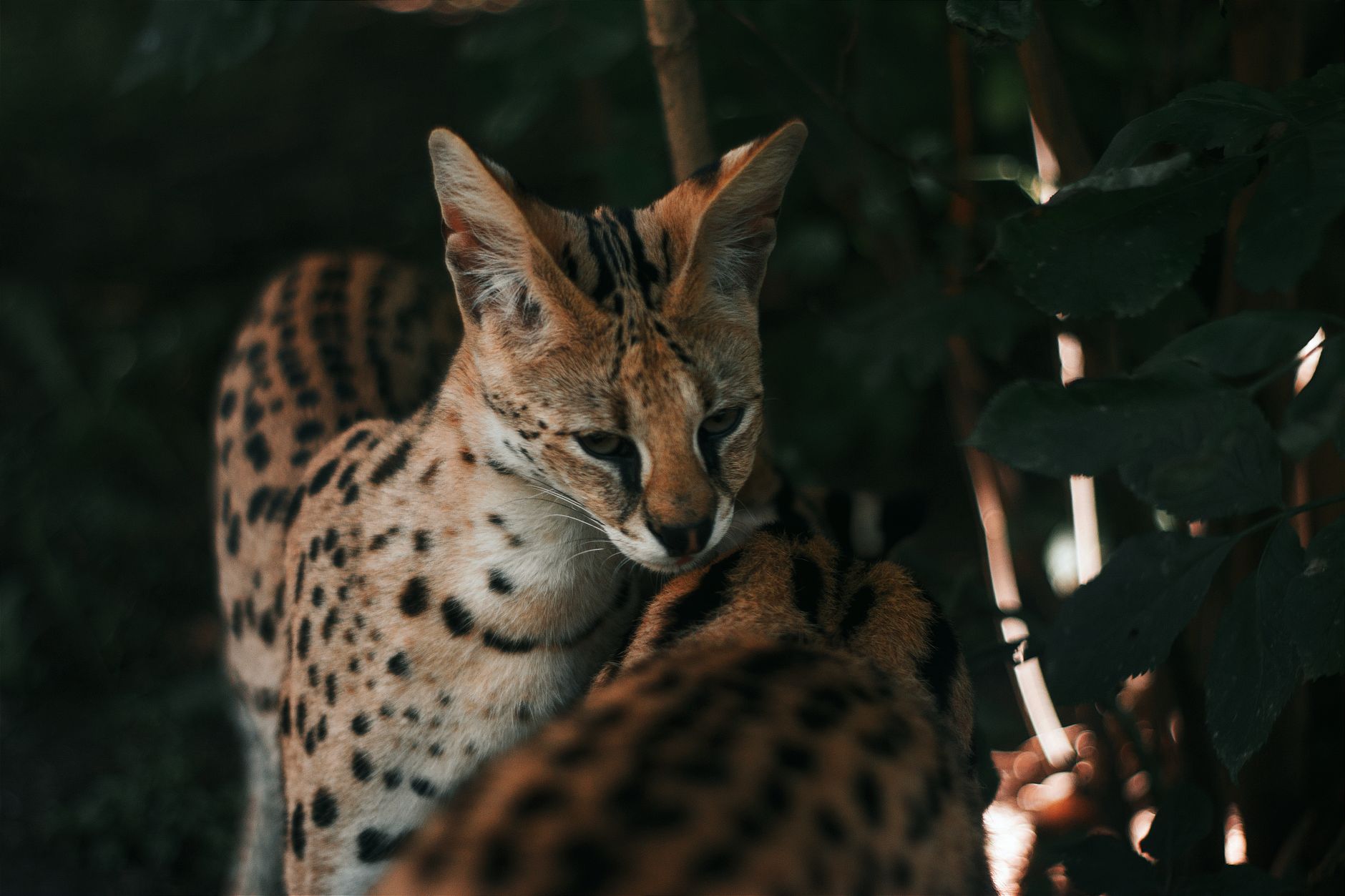
The Savannah cat is an extraordinary, high-energy hybrid breed crossing the wild African Serval with domestic felines, boasting an athletic, long-legged build and a strikingly spotted coat. They behave more like active, highly intelligent dogs than typical lap cats, requiring immense mental stimulation and dedicated physical outlets. This breed is best suited for experienced, highly active owners who can accommodate their intense curiosity and structural needs.
Quick Facts
- origin countryUnited States
- breed groupChampionship (TICA)
- sizeTall, lean, and leggy; F1 and F2 generations are substantially larger than domestic cats.
- weight range12 to 25+ pounds (generation-dependent, F1 males can exceed 25 pounds)
- height range14 to 19 inches at the shoulder (world record holders for tallest domestic cats)
- lifespan12 to 20 years
- coat typeShort to medium length, dense, slightly coarse texture with a soft undercoat.
- common colorsBrown spotted tabby, silver spotted tabby, black smoke, and solid black.
- other namesNone (commonly classified by filial generation, e.g., F1, F2, F3, F4, F5)
- recognized byTICA, REFR
Caring for a Savannah
Living with a Savannah is less like owning a cat and more like sharing your home with a brilliant, athletic toddler who can jump eight feet into the air. In my experience, they demand a dynamic environment with dedicated vertical territory—think floor-to-ceiling cat trees and securely mounted wall shelves. I always tell owners to secure their breakables because a Savannah will explore every high surface in your home. They are highly social and require hours of daily interaction, environmental enrichment, and active play to prevent boredom-induced destruction.
Is a Savannah a good family pet?
Yes, for the right family. They do incredibly well in active households with older children who understand how to respect an energetic animal, but their sheer size and high-velocity play styles can make them overwhelming for toddlers.
Do Savannahs shed a lot?
No, they are relatively low-shedding cats. They have a short, dense coat that only requires a quick weekly brushing to manage loose hairs and keep their spotted coat looking glossy.
Is a Savannah good for first-time owners?
Absolutely not. Their intense energy, high intelligence, and complex behavioral needs require a seasoned pet owner who understands feline behavior, training techniques, and environmental enrichment.
Temperament & Personality
The Savannah temperament is legendary for its dog-like loyalty, intense curiosity, and vibrant energy. They are not passive ornaments; they want to be involved in every household activity, from helping you fold laundry to joining you in the shower. I’ve found that they form incredibly strong bonds with their human family, often greeting them at the door and following them from room to room with a distinctive chirrup.
Is a Savannah good with other pets?
Generally, yes, especially when raised with them. They tend to thrive with high-energy dogs and other active, confident cats, but their high prey drive means they should never be trusted around small pets like rodents, birds, or reptiles.
How much attention does a Savannah need?
They require a massive amount of daily attention. Unlike independent domestic breeds, a Savannah needs direct, interactive play sessions, mental training, and companionship to keep from becoming bored and frustrated.
Training & Behavior
Savannahs are among the most trainable felines on the planet due to their high cognitive capacity. In my years of working with them, I’ve found they respond beautifully to positive reinforcement and clicker training, often mastering commands in just a few repetitions. However, if you don’t train them, they will train you—using their intelligence to open doors, turn on faucets, and retrieve hidden treats.
Training Tips
- Use clicker training with high-value freeze-dried meat treats.
- Start harness and leash training early using a secure, H-style harness.
- Teach them ‘leave it’ early to manage their intense curiosity.
- Keep training sessions short, dynamic, and fun (under 5 minutes).
- Never use physical punishment, as this destroys their trust instantly.
Fun Activities
- Leash walking in quiet, safe outdoor environments
- Playing fetch with small, soft toys
- Using a large, high-quality cat exercise wheel
- Solving complex level-3 food puzzle toys
- Splashing in shallow water tubs or sinks
Is a Savannah easy to train?
Yes, they are highly responsive to training because they are eager to engage their brains. They easily learn to walk on a harness, fetch toys, and perform basic tricks like sit, shake, and high-five.
Savannah Health Issues
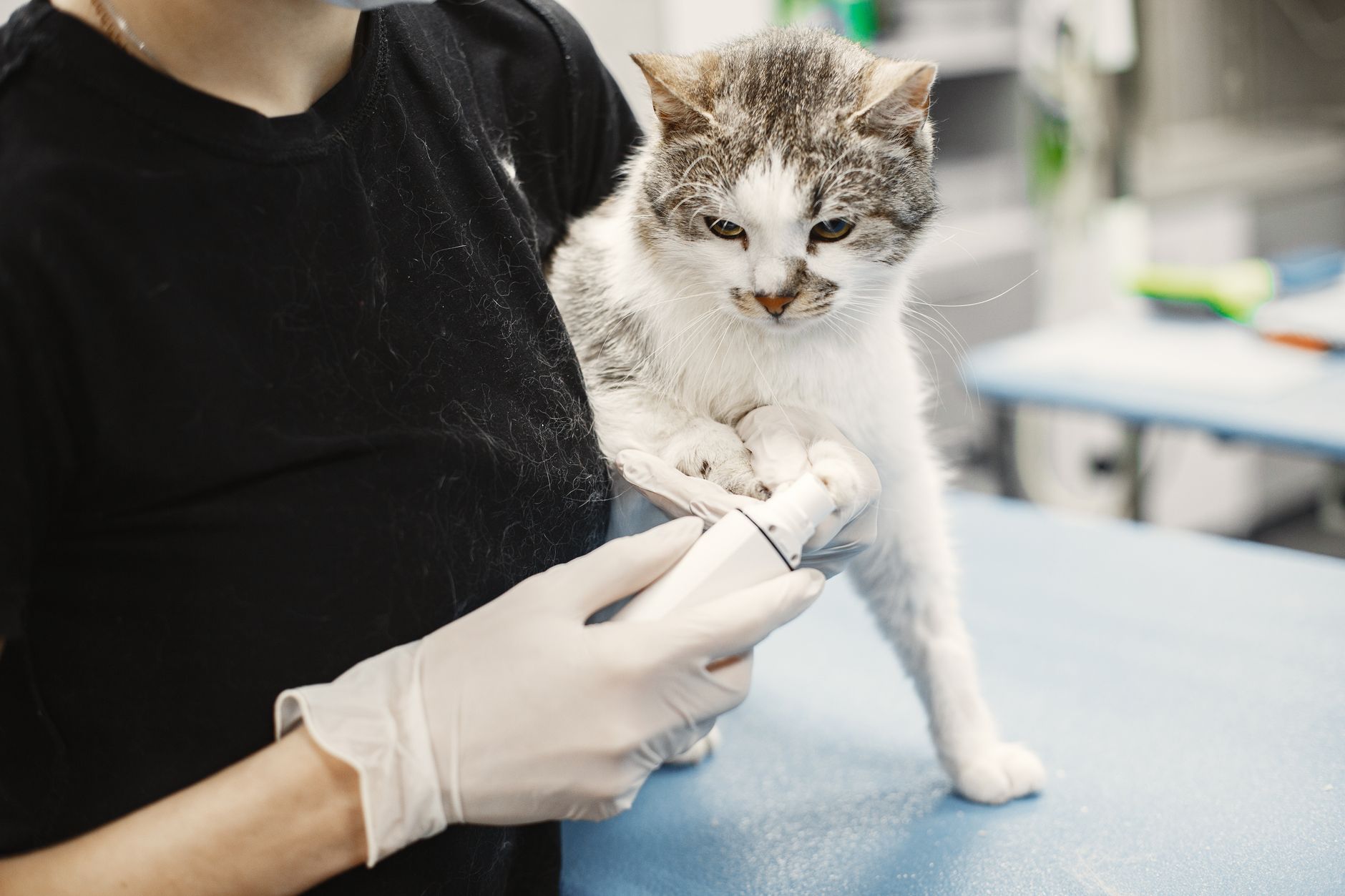
As a hybrid breed, Savannahs are generally robust, healthy, and long-lived, benefiting from genetic diversity. However, they are still susceptible to some common feline genetic conditions and have unique physiological traits that require an experienced vet.
Hypertrophic Cardiomyopathy (HCM)
A genetic condition where the heart muscle thickens, making it harder for the heart to pump blood. Responsible breeders screen their breeding cats annually via echocardiograms.
Pyruvate Kinase (PK) Deficiency
An inherited red blood cell enzyme deficiency that leads to hemolytic anemia. It is easily preventable via DNA testing of the parent cats.
Progressive Retinal Atrophy (PRA)
A genetic eye disease that causes the gradual degeneration of the retina, leading to eventual blindness. DNA screening can identify carriers.
Early Generation Male Sterility
A biological reality for early-generation (F1 through F3, and sometimes F4) Savannah males due to hybrid sterility. This is not a health issue but a genetic trait that prospective breeders must understand.
How long do Savannahs typically live?
With proper care, high-quality nutrition, and regular veterinary checkups, Savannah cats routinely live between 12 and 20 years, remaining active and playful well into their senior years.
What to Feed a Savannah
Feeding a Savannah requires careful consideration of their high metabolism and athletic build. Many owners and breeders advocate for specialized diets to support their development, particularly for early generations.
Best Diet
I highly recommend a diet rich in high-quality, animal-based proteins with minimal fillers. While later generations (F4+) do perfectly fine on premium commercial grain-free wet foods, early generations (F1-F3) often thrive on a balanced, veterinary-approved raw diet or a commercial raw formulation.
How to Feed
Feed adult Savannahs twice a day on a set schedule to keep their digestion regular. Kittens have incredibly fast growth spurts and should be fed three to four times a day until they reach physical maturity around three years of age.
How Much to Feed
Portion sizes vary dramatically by generation and weight. An F1 male weighing 22 pounds will require significantly more calories than an F5 female weighing 11 pounds; always consult your veterinarian to calculate exact caloric requirements based on weight and activity level.
Nutritional Tips
Ensure the diet has adequate taurine supplementation, especially if you feed a homemade raw diet. Avoid commercial dry foods heavy in corn, wheat, or soy, as these can lead to digestive upset and obesity in this active breed.
Savannah Grooming Guide
Grooming a Savannah is incredibly straightforward compared to long-haired breeds, making coat maintenance the easiest part of their care regimen. However, their fast-growing claws and dental health require regular dedication.
Coat Care
Brush their coat once a week with a soft slicker brush or rubber grooming mitt to remove dead hair and distribute natural skin oils. During the seasonal shedding periods in spring and fall, up this to twice weekly.
Skin Care
Keep their skin healthy by offering high-quality omega-3 fatty acid supplements and avoiding frequent bathing, which can strip their coat of natural, protective oils.
Eye Care
Regularly wipe the corners of their eyes with a damp, warm cotton ball to remove any minor discharge, using a fresh cotton ball for each eye.
Ear Care
Inspect their large ears weekly for dirt, wax buildup, or signs of redness, wiping them clean with a vet-approved ear-cleaning solution and a cotton pad.
Nail & Dental Care
Clip their nails every two to three weeks, as their powerful hind legs can cause accidental scratches during play. Brush their teeth at least three times a week with pet-safe enzymatic toothpaste to prevent periodontal disease.
Considerations for Pet Parents
Pros
- Stunning, wild appearance with an incredibly affectionate, loyal personality.
- High intelligence makes them exceptionally easy to clicker-train and leash-walk.
- Highly social and active companion that loves being involved in household tasks.
- Generally healthy, robust, and long-lived breed.
- Low grooming requirements with minimal shedding.
Cons
- Requires immense mental and physical stimulation to prevent destructive behaviors.
- Can jump up to 8 feet in the air, requiring extensive home-proofing.
- Can be highly vocal and demanding of your time and attention.
- Very expensive to purchase and may face legal ownership restrictions in certain areas.
- Not suited for small apartments or low-energy households.
Best For
An ideal Savannah owner is an experienced cat lover, active adventurer, or family with a spacious home who can commit hours daily to interactive play, puzzle training, and environmental enrichment.
Not Recommended For
They are not recommended for busy professionals who are away from home for long hours, apartment dwellers without space for vertical climbing, or anyone seeking a quiet, calm lap cat.
Cost
- purchase price$1,500 – $20,000+ (F1 generation kittens are the most expensive, while F4 and F5 generations typically range from $1,500 to $5,000)
- monthly cost$150 – $300 (covering premium food, high-quality litter, pet insurance, and toys)
- initial setupInitial setup can cost between $1,000 and $3,000, including high-end cat trees, heavy-duty toys, secure harnesses, a large cat wheel, and legal microchipping/veterinary requirements.
Similar Breeds
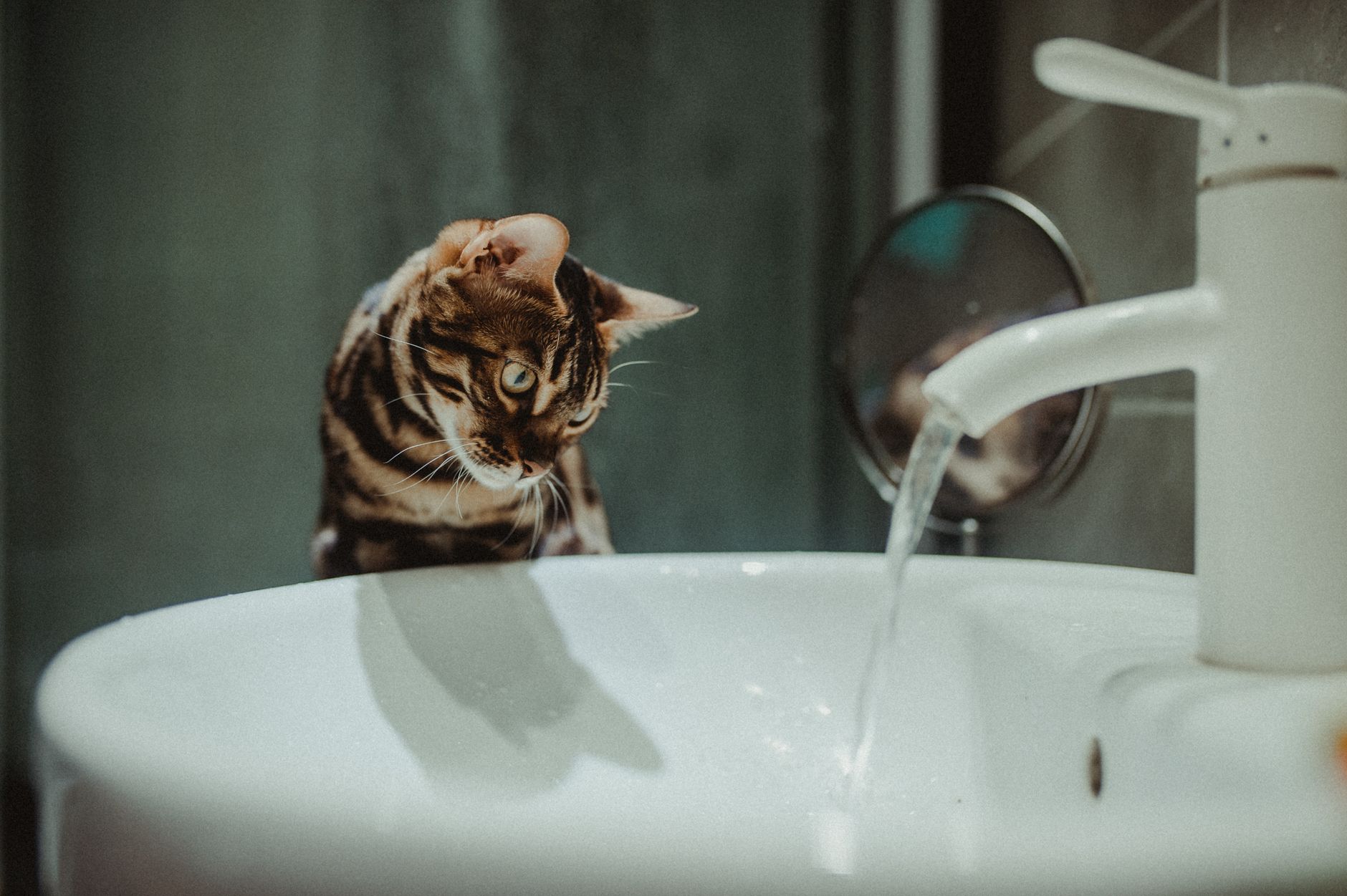
Bengal

Chausie
Savannah FAQs
Are Savannah cats legal to own everywhere?
No. Because they are wild hybrids, local laws vary. Several US states (like Hawaii and Georgia) and cities (like New York City) ban them entirely, while others restrict early generations (F1-F4) but allow later generations (F5+). Always check your state, county, and municipal laws before bringing one home.
What do the terms F1, F2, F3, etc., actually mean?
The ‘F’ stands for filial generation, indicating how many generations removed the cat is from its wild ancestor, the Serval. An F1 cat has a Serval parent (50% wild DNA), an F2 has a Serval grandparent (approx. 25% wild DNA), and so on. The lower the number, the larger and more wild the cat’s traits and appearance will be.
Do Savannah cats really love water?
Yes, many Savannahs are absolutely fascinated by water. It is not uncommon for them to play in their water bowls, splash in shallow baths, or even jump into the shower with their owners. I always advise keeping toilet lids closed to prevent them from turning the bowl into a personal splash zone.
Can Savannah cats use a standard litter box?
They can, but due to their long legs and large size, standard-sized commercial litter boxes are usually far too small. I recommend using large storage totes with a high entry hole cut out, or heavy-duty, extra-large industrial litter boxes to prevent accidents and give them room to turn around.
How high can a Savannah cat jump?
An adult Savannah can easily leap up to 8 feet vertically from a standing position. This means they can reach the top of refrigerators, doors, and high bookshelves with ease, requiring owners to think vertically when pet-proofing their homes.
Do Savannah cats vocalize a lot?
They can be very vocal. They communicate with a range of unique sounds, including standard meows, bird-like chirrups, and a very loud, dramatic hiss inherited from the Serval. Their hiss is a natural communication tool, not always a sign of aggression.
How do Savannahs do with dogs?
In my experience, Savannahs get along phenomenally well with dogs, especially active, cat-friendly breeds. They enjoy playing chase and wrestling, often matching a dog’s energy level much better than a standard domestic cat would.
Can Savannah cats be left alone during the work day?
Generally, no, particularly the early generations (F1-F3). They crave interaction and get bored easily, which can lead to destructive behaviors like scratching furniture or opening cabinets. If you must be gone, getting a high-energy companion animal or creating a secure outdoor catio is highly recommended.
Are Savannahs prone to biting or aggressive behavior?
They are not inherently aggressive, but because they are highly energetic and strong, their play can be intense. If they aren’t given appropriate outlets for their prey drive or if they are handled roughly, they may play too hard. Consistent positive reinforcement training is key to teaching boundaries.
Do Savannah cats need outdoor access?
They should never be allowed to roam free outdoors, as their high prey drive makes them excellent hunters who can easily get lost, stolen, or injured. Instead, satisfy their outdoor curiosity safely by harness-walking them or building a fully enclosed, escape-proof catio.
Why are Savannah cats so expensive?
Breeding Savannahs is incredibly difficult and expensive. Servals and domestic cats have different gestation periods, and early-generation male kittens are sterile, making breeding a highly complex, labor-intensive process with small litter sizes.
What kind of toys are best for a Savannah?
Standard cheap cat toys will not survive a Savannah. They need heavy-duty, dog-grade toys, hard plastic puzzle feeders, durable wand toys (used under supervision), and feather teasers. In my experience, they also love large cardboard boxes and paper bags to explore.
Do Savannah cats require special veterinary care?
Generally, they can see a standard vet, but it’s important to find a clinic familiar with hybrid breeds. There are historical concerns in the breeding community about using ketamine as an anesthetic, so many owners prefer vets who utilize safer, modern gas anesthetics like Isoflurane.