

Quick Summary
While a cat’s individual lifespan depends on genetics and environment, breeds like the Siamese, Burmese, Balinese, Savannah, Russian Blue, and American Shorthair consistently live the longest, frequently reaching 15 to 20 years or more. Maximizing their longevity requires a proactive approach to veterinary care, including regular senior blood screenings, precise weight management, and dental care. Partnering with your veterinarian to catch age-related conditions early is the key to ensuring these resilient breeds enjoy a vibrant senior hood.
As an Amazon Associate, we earn from qualifying purchases.
Popular with cat owners: Cat Tunnel · Cat Tree · Slicker Brush
In my twenty years of clinical practice, I have had the privilege of treating cats of every shape, size, and temperament. One of the most common questions clients ask me during annual wellness exams is how they can maximize their feline companion’s lifespan.
While there are never any guarantees in medicine, genetics play a profound role in a cat’s longevity. In this comprehensive guide, we will explore six cat breeds known for their exceptional lifespans, often reaching deep into their late teens and even twenties.
However, longevity is not just a matter of luck; it requires a proactive partnership between you and your veterinarian. Let’s delve into the genetics, health profiles, and specialized care strategies for these remarkably resilient breeds.
Key Takeaways
- Genetics play a major role in longevity, but proactive veterinary care is the ultimate catalyst for a long life.
- Siamese and Balinese cats are highly prone to renal disease, making early screening at age seven critical.
- Burmese cats have a metabolic predisposition to diabetes, which can be mitigated through a strict low-carb wet diet.
- Savannah cats possess hybrid vigor but require specialized joint and nutritional support to maintain their high-energy lifestyle.
- Obesity is the primary threat to the longevity of Russian Blues and American Shorthairs; precise portion control is vital.
- Feline pain is often silent; changes in mobility or social behavior are frequently signs of hidden conditions like arthritis.
In This Article
- 1. The Siamese: Elegant, Vocal, and Remarkably Resilient
- 2. The Burmese: Playful Companions with Surpassing Longevity
- 3. The Balinese: Long-Haired Grace with Long-Term Vitality
- 4. The Savannah Cat: Wild Heritage and Striking Lifespans
- 5. The Russian Blue: Quiet Elegance and Outstanding Vitality
- 6. The American Shorthair: The Robust and Adaptable Survivor
1. The Siamese: Elegant, Vocal, and Remarkably Resilient
The Siamese is not just famous for its striking blue eyes and highly vocal personality; it is also one of the longest-living breeds in the feline world. In my practice, I routinely treat Siamese cats that are 18, 19, and even 22 years old.
They possess an incredibly robust genetic baseline that keeps them active and mentally sharp far longer than many other breeds.
However, their long lifespans mean they are highly susceptible to age-related degenerative conditions. As a vet, I frequently monitor aging Siamese for progressive retinal atrophy and chronic kidney disease.
Early intervention is absolutely critical to ensuring these senior years are comfortable and vibrant.
I always advise my clients to establish a baseline blood panel for their Siamese by age seven. This allows us to catch subtle shifts in renal markers like SDMA and creatinine before clinical symptoms even appear.
Proactive monitoring transforms a potential crisis into a highly manageable condition.
- Provide specialized senior diets low in phosphorus to protect aging kidneys.
- Schedule twice-yearly veterinary visits once your Siamese reaches ten years of age.
- Incorporate puzzle feeders to keep their highly active minds stimulated.
- Watch for signs of dental disease, which can accelerate systemic organ decline.
- ✓Three tunnels with a peephole and ball toy
- ✓Scratch-resistant polyester
- ✓Folds down small for storage
- A crinkly play tunnel gives cats somewhere to hide, pounce and race through
The Critical Link Between Oral Health and Longevity
I cannot overstate the importance of veterinary dental cleanings for your Siamese. Periodontal disease is not just about bad breath; it allows bacteria to enter the bloodstream, directly damaging the kidneys and heart valves.
Regular professional scaling combined with daily home brushing can literally add years to your cat’s life.

2. The Burmese: Playful Companions with Surpassing Longevity
If you are looking for a breed that retains its kitten-like playfulness well into its senior years, the Burmese is an outstanding choice. These affectionate cats frequently live between 16 and 20 years, with several notable individuals living well into their twenties.
Their high energy levels and strong muscle tone contribute heavily to their physical resilience.
Despite their overall robust health, Burmese cats have a few breed-specific genetic predispositions that owners must watch for. They are disproportionately prone to developing hypokalemia, a condition characterized by low blood potassium levels.
They also exhibit higher rates of type 2 diabetes mellitus compared to the general feline population.
When I treat Burmese cats, I focus heavily on metabolic health and weight management. Obesity is the primary trigger for feline diabetes, and keeping your Burmese lean is the single best preventative measure you can take.
A high-protein, low-carbohydrate wet diet is typically the cornerstone of my nutritional recommendations for this breed.
- Monitor for sudden muscle weakness or a hanging head, which can indicate hypokalemia.
- Avoid free-feeding dry kibble, as this highly contributes to feline obesity.
- Schedule annual urinalysis screenings to check for early signs of glucose excretion.
- Maintain a consistent daily play schedule to preserve muscle mass and insulin sensitivity.
Recognizing and Managing Feline Diabetes
Feline diabetes is a highly treatable disease, especially when caught early. If you notice your Burmese drinking excessively or visiting the litter box more frequently, bring them in for a blood glucose curve immediately.
With prompt dietary changes and insulin therapy, many of my Burmese patients actually achieve complete diabetic remission.

3. The Balinese: Long-Haired Grace with Long-Term Vitality
The Balinese is essentially a long-haired mutation of the Siamese, and they inherit the same remarkable genetic longevity. It is incredibly common for these elegant cats to live between 15 and 20 years when kept strictly indoors.
Their silky, single-layer coat requires surprisingly little maintenance, reducing the risk of painful hairballs and associated gastrointestinal blockages.
In my clinical experience, Balinese cats are highly sensitive to their environments and thrive on routine. Stress can manifest physically in cats, leading to conditions like feline idiopathic cystitis (FIC).
Therefore, preserving their long-term health requires equal attention to both physical and emotional well-being.
From a medical standpoint, we must remain vigilant against Hypertrophic Cardiomyopathy (HCM), a genetic heart condition. I recommend that all Balinese owners request an annual veterinary auscultation to listen for heart murmurs or abnormal rhythms.
Globlazer XXL Cat Tower for Multiple Cats
- ✓Multi-level tower for multi-cat homes
- ✓3 top perches
- ✓Spacious condos to hide and nap
- Gives cats vertical space to climb, scratch and nap, which reduces stress and keeps them off your shelves
Early detection of cardiac changes allows us to start protective medications that extend life expectancy.
- Request an annual proBNP blood test to screen for early, silent signs of heart disease.
- Use synthetic feline pheromone diffusers to minimize environmental stress and protect urinary health.
- Brush their fine coat twice weekly to prevent matting and minimize the ingestion of loose fur.
- Provide vertical territory, like tall cat trees, to satisfy their natural urge to climb and explore.
Understanding Hypertrophic Cardiomyopathy (HCM)
HCM is the most common cardiac disease in cats, causing the heart walls to thicken and lose efficiency. While it can be a scary diagnosis, modern veterinary cardiology offers excellent management strategies.
Regular echocardiograms allow us to monitor the disease’s progression and tailor treatments to keep your Balinese comfortable.
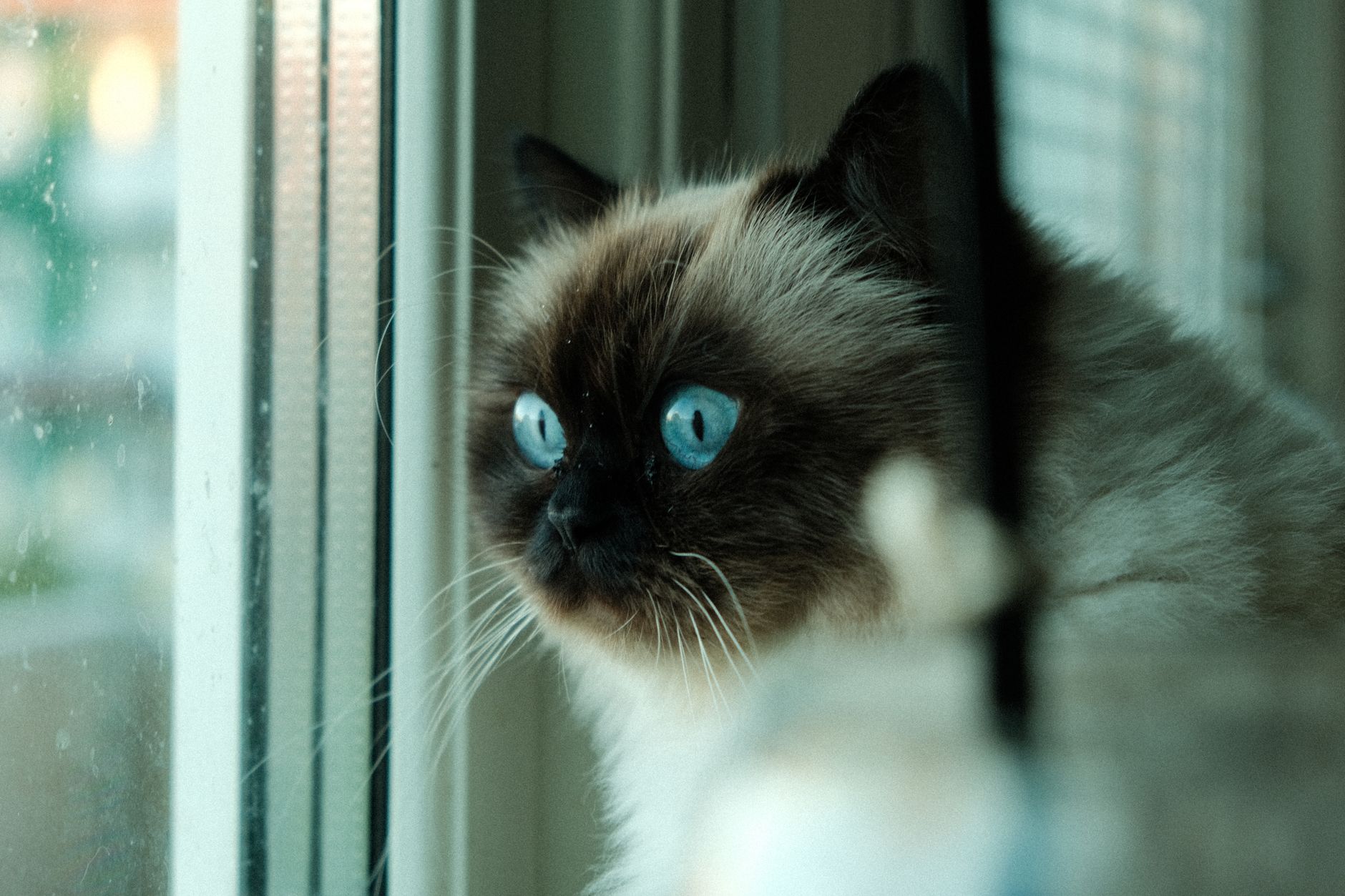
4. The Savannah Cat: Wild Heritage and Striking Lifespans
The Savannah cat is a striking cross between a domestic cat and the wild African Serval. This unique genetic blend gives them what we call hybrid vigor, making them exceptionally strong, muscular, and long-lived.
It is not unusual for a healthy Savannah cat to live between 12 and 20 years, maintaining their intense athletic abilities deep into seniorhood.
Because they are highly active, their joint health is paramount to their overall quality of life. In my clinic, I pay close attention to the musculoskeletal health of senior Savannahs, as their heavy frames can put extra stress on their joints.
Ensuring they remain lean and active is vital to preventing premature wear and tear.
Savannahs also have highly specific nutritional needs that differ slightly from standard domestic cats. They require high-quality, meat-based proteins to support their high metabolic rate and lean muscle mass.
I often work with Savannah owners to formulate balanced diets that support their unique physiology without overloading their kidneys.
- Incorporate high-quality glucosamine and chondroitin supplements early in life to support joint cartilage.
- Ensure they have ample space for high-impact jumping and running to maintain bone density.
- Avoid raw diets unless formulated by a board-certified veterinary nutritionist, as nutrient imbalances can cause severe bone disease.
- Perform routine blood chemistry panels annually to monitor hepatic and renal function.
The Importance of Musculoskeletal Conditioning
An active Savannah is a healthy Savannah. To protect their joints as they age, focus on low-impact exercise like leash walking or interactive wand play.
Keeping their supporting muscles strong is the best natural defense against the pain of osteoarthritis.
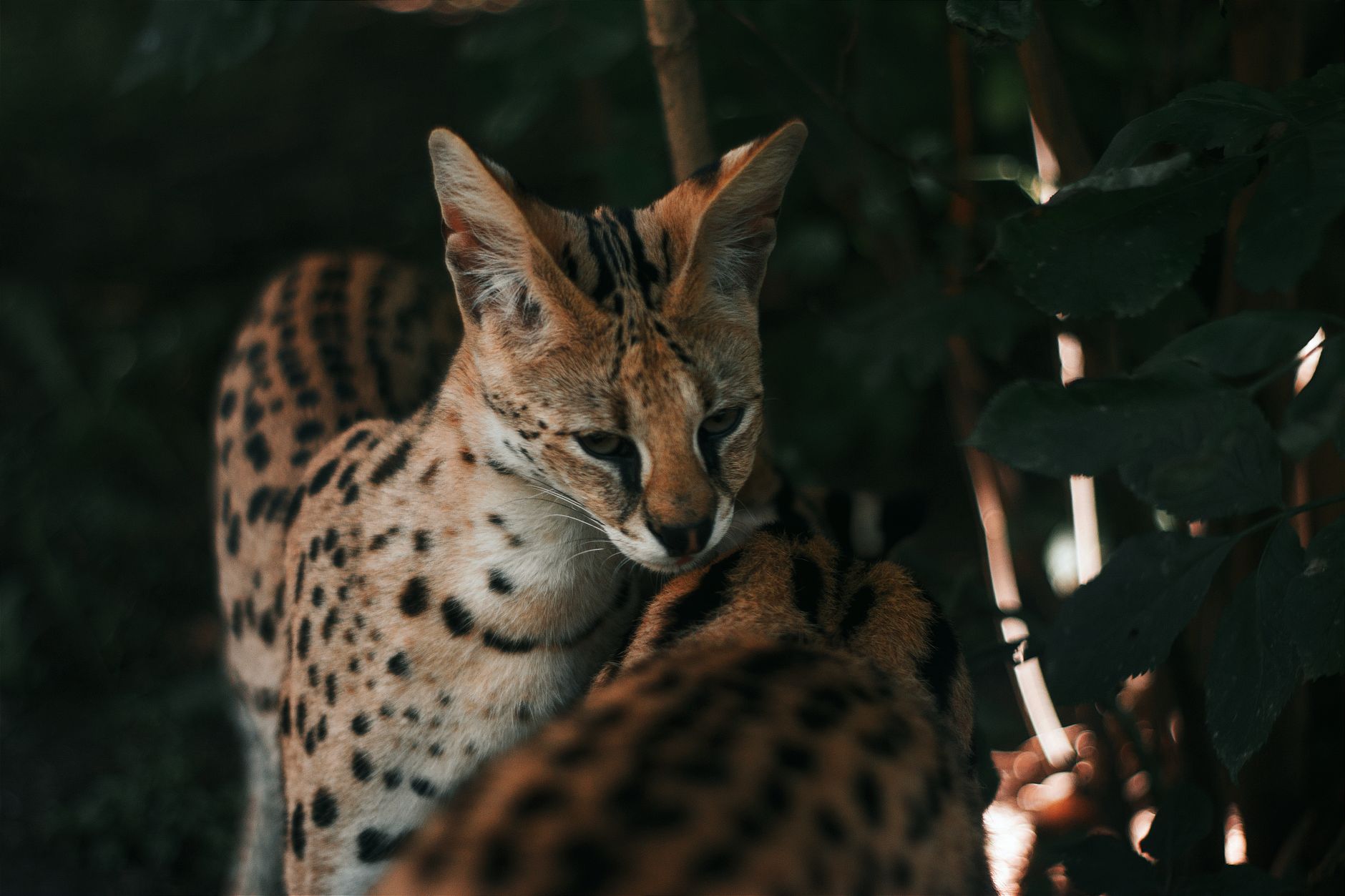
5. The Russian Blue: Quiet Elegance and Outstanding Vitality
The Russian Blue is a naturally occurring breed, meaning human intervention did not heavily manipulate their genetic pool. This natural development has blessed them with a remarkably clean bill of health and an average lifespan of 15 to 20 years.
They are gentle, reserved cats that bond deeply with their chosen humans.
In my practice, the biggest threat to a Russian Blue’s longevity is not a genetic defect, but rather obesity. These cats have a notorious love for food and can easily trick their owners into overfeeding them.
Because they are quiet and less demanding of physical exercise than breeds like the Siamese, the calories can pile on quickly.
Excess weight places an enormous strain on their cardiovascular system, kidneys, and joints. When I examine a Russian Blue, I always perform a Body Condition Score (BCS) assessment.
Keeping your Russian Blue at an ideal score of 5 out of 9 is the single most effective way to guarantee they reach their maximum genetic lifespan.
- Use gram scales to precisely measure daily food portions rather than relying on inaccurate measuring cups.
- Engage your Russian Blue in at least two fifteen-minute play sessions every day to stimulate metabolism.
- Invest in microchip-activated feeders if you have a multi-pet household to prevent food stealing.
- Schedule annual senior wellness panels starting at age eight to monitor metabolic health.
The Hidden Danger of Feline Obesity
Feline obesity is a chronic inflammatory state that predisposes cats to arthritis, diabetes, and hepatic lipidosis. It is far easier to prevent weight gain than it is to manage weight loss in a senior cat.
If your Russian Blue is slipping past an ideal weight, consult your vet for a structured caloric restriction plan.
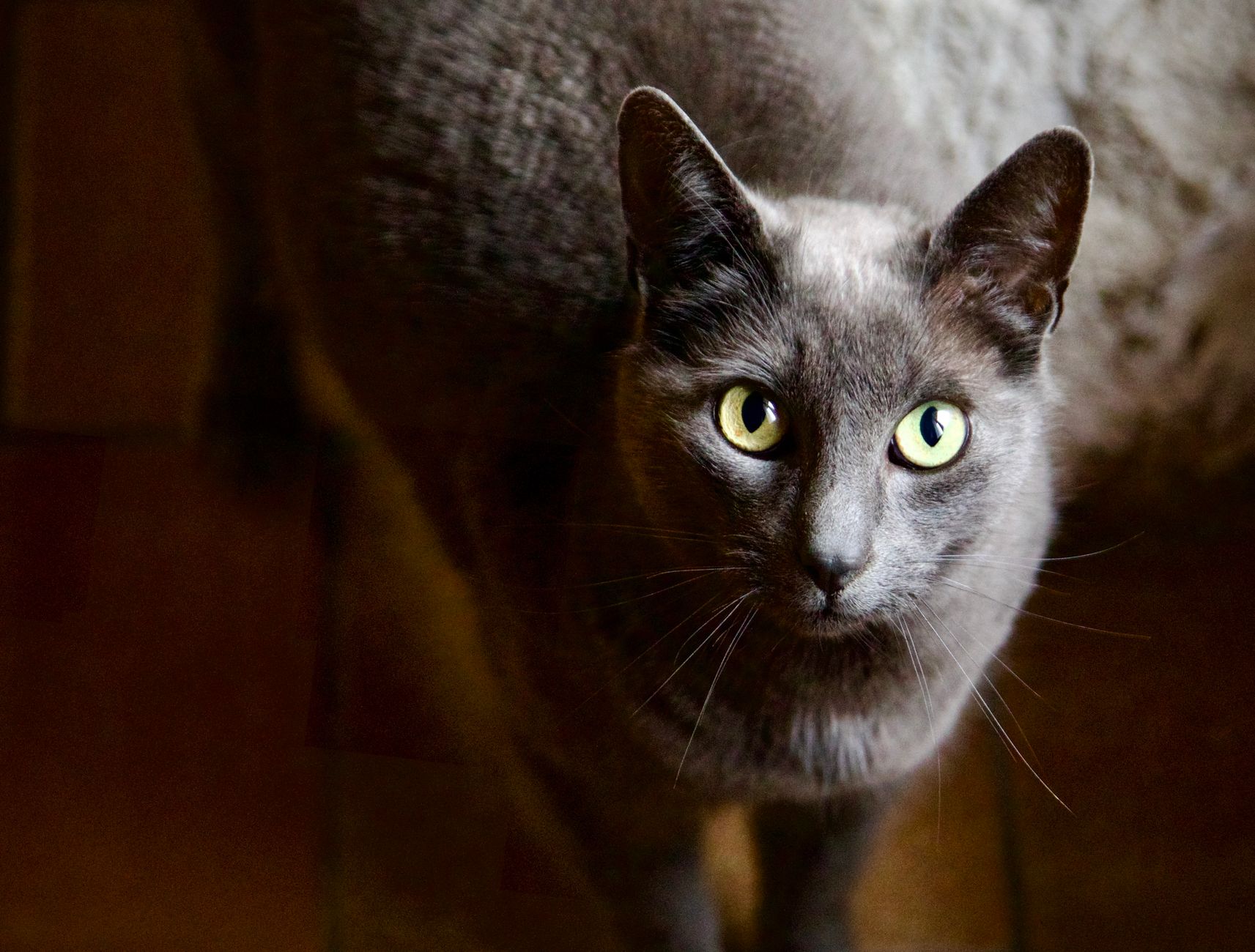
6. The American Shorthair: The Robust and Adaptable Survivor
Descended from the working mouser cats that accompanied early European settlers, the American Shorthair is built for endurance. This breed’s history of hard work has left them with a broad chest, muscular body, and an incredibly robust constitution.
They easily live between 15 and 20 years when provided with basic veterinary care.
Because they are so adaptable and easygoing, owners sometimes assume they do not need regular veterinary visits. This is a dangerous misconception.
American Shorthairs are masters at hiding pain and illness, a survival instinct inherited from their ancestors.
In my clinic, I frequently diagnose conditions like kidney disease or hypertension in American Shorthairs during routine screenings. These cats often show absolutely no outward signs of illness at home, highlighting the importance of preventative diagnostics.
Catching these silent killers early is the key to their legendary longevity.
- Schedule annual blood pressure checks, as hypertension is a common, silent issue in aging Shorthairs.
- Transition to a specialized senior formula food around age seven to support digestion and organ function.
- Provide orthopedic bedding to support their heavy, muscular frames during rest.
- Perform weekly home wellness exams, checking for unusual lumps, bumps, or dental sensitivity.
Recognizing Silent Pain in Your Senior Cat
Cats do not cry out when they are in pain; instead, they withdraw, sleep more, or stop jumping onto high surfaces. If you notice your senior American Shorthair spending more time on the floor, they may be suffering from arthritis.
Modern pain management, including monthly monoclonal antibody injections, can revolutionize their quality of life.

-
Pecute Skin-Friendly Self-Cleaning Slicker BrushFine wire pins lift loose undercoat and work out small tangles before they turn into mats
-
Greenies Feline Adult Dental Cat TreatsHelps reduce tartar build-up
-
IAMS Proactive Health Indoor Dry Cat FoodA high-protein, complete diet suits cats’ needs as obligate carnivores
Related Cat Guides
Frequently Asked Questions
How can I tell if my senior cat is in pain?
Cats are masters of hiding discomfort. Look for subtle behavioral changes, such as sleeping more than usual, withdrawing from social interaction, hesitating before jumping, or refusing to use the litter box due to joint stiffness.
When should I transition my cat to a senior diet?
Generally, cats are considered seniors around seven years of age. At this point, their metabolic and nutritional needs begin to shift, making a transition to high-quality senior food highly beneficial for their kidneys and joints.
How often should a senior cat visit the vet?
For cats over the age of ten, I recommend bi-annual veterinary visits. These frequent checkups allow us to run routine blood work, check blood pressure, and detect age-related changes before they become life-threatening.
Does keeping my cat indoors increase their lifespan?
Absolutely. Indoor cats face significantly fewer risks from trauma, infectious diseases, toxins, and predators. Keeping your cat indoors, combined with mental enrichment, is the single most impactful lifestyle decision for longevity.
Are mixed-breed cats as long-lived as purebreds?
Yes, many domestic mixed-breed cats (often called Domestic Shorthairs or Longhairs) benefit from genetic diversity, which reduces the risk of inherited diseases. With proper care, they frequently live to 15-20 years as well.
Sources & Further Reading
- The Cat Fanciers’ Association (CFA)
- Cornell University College of Veterinary Medicine
- American Veterinary Medical Association (AVMA)
- PetMD
Final Thoughts
Caring for a senior cat is one of the most rewarding aspects of my career as a veterinarian. While genetics lay the foundation for a long life, the daily choices you make as an owner ultimately build the structure.
By keeping your feline companion lean, prioritizing dental health, and scheduling regular veterinary wellness checks, you can help them achieve their maximum genetic potential.
Remember, aging is not a disease; it is simply a phase of life that requires specialized, compassionate care. Together, we can ensure your beloved cat enjoys many healthy, vibrant years by your side.