
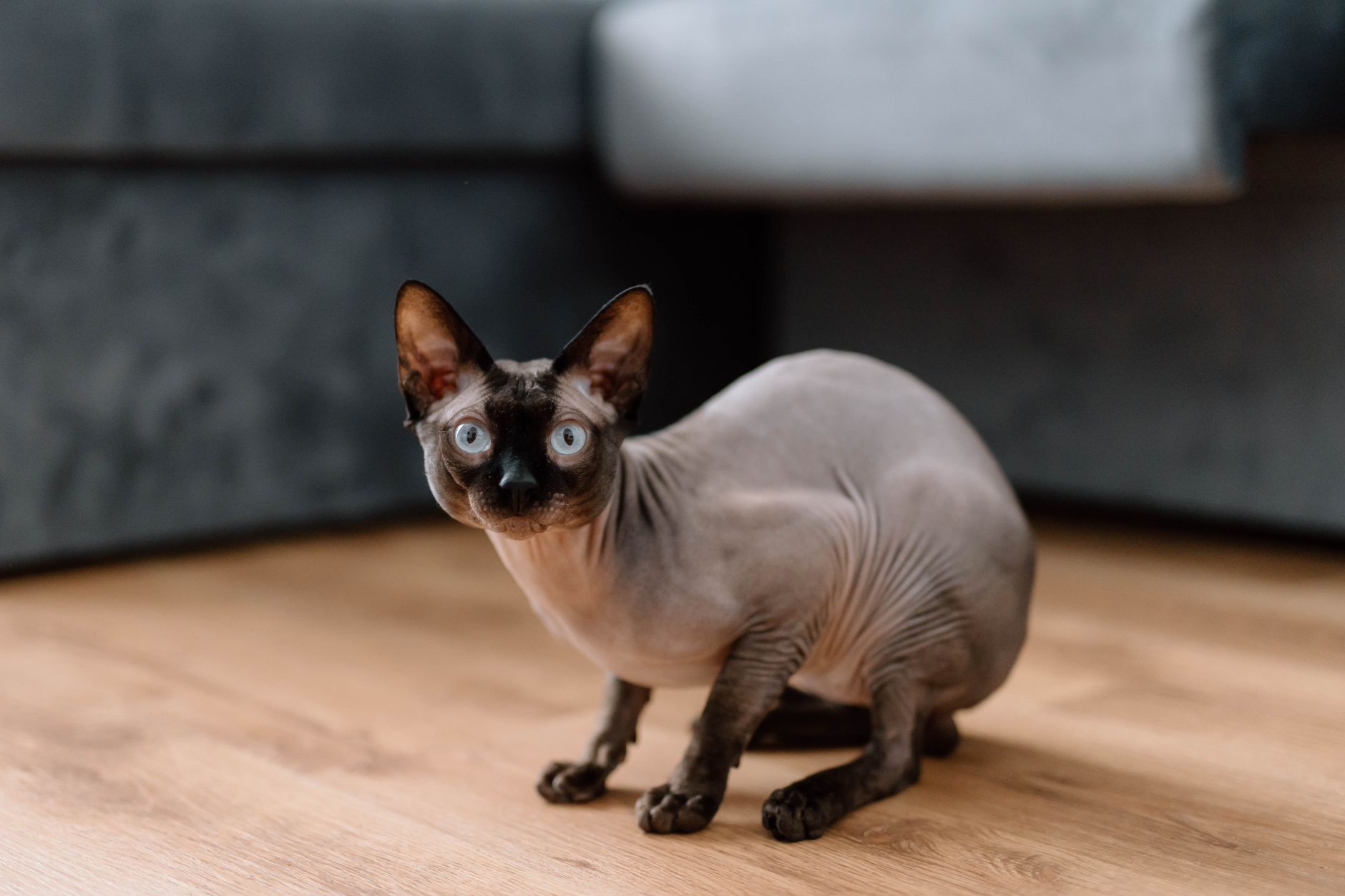
Quick Summary
While no feline is completely 100% allergen-free, several breeds are clinically proven to produce fewer allergens or shed less dander than standard domestic cats. Breeds like the Siberian, Balinese, and Russian Blue naturally secrete lower levels of the Fel d 1 protein, while the Sphynx and Rex breeds minimize dander dispersion through unique coat structures. Successfully coexisting with these breeds requires a combination of genetic selection and proactive household allergen-management protocols.
In my twenty years as a practicing veterinarian, few questions come up as often as: ‘Dr. Heller, is there a cat I can adopt that won’t trigger my allergies?’ It is a heartbreaking dilemma for animal lovers who suffer from sneezing, itchy eyes, or severe asthma.
While no feline is completely 100% allergen-free, certain breeds produce significantly fewer allergens or shed less dander, making them highly manageable companions. Understanding the medical science behind these ‘hypoallergenic’ breeds is the key to finding a pet that won’t compromise your health.
With the right clinical knowledge and preparation, many allergic patients can safely share their homes with a loving cat.
Key Takeaways
- No cat is completely allergen-free; ‘hypoallergenic’ means they produce fewer allergens or spread less dander.
- The primary feline allergen is Fel d 1, a glycoprotein found in saliva, skin oils, and urine, not the hair itself.
- Siberians and Balinese are long-haired breeds that naturally produce much lower levels of Fel d 1.
- Sphynx cats are hairless but still require regular bathing to wash away built-up skin oils containing allergens.
- Rex breeds have unique, fine curly coats that physically trap dander close to the skin.
- Feeding an allergen-reducing diet can neutralize Fel d 1 in saliva, reducing airborne triggers by nearly 50 percent.
- Always spend time with a prospective cat or their parents to test your personal allergy threshold before adoption.
In This Article
- 1. The Biological Reality: What is ‘Hypoallergenic’ in Cats?
- 2. The Siberian: The Surprising Heavyweight
- 3. The Balinese: The Low-Protein Longhair
- 4. The Sphynx: The Hairless Paradox
- 5. The Devon and Cornish Rex: Fine-Coated Friends
- bengal-sleek-coats-and-less-grooming”>6. The Bengal: Sleek Coats and Less Grooming
- 7. The Russian Blue: Double-Coated Protection
- 8. Dr. Heller’s Clinical Guide to Coexisting with Cats
1. The Biological Reality: What is ‘Hypoallergenic’ in Cats?
In my clinical practice, I frequently have to bust the widespread myth that cat hair itself is the primary source of human pet allergies. The actual culprit is a microscopic glycoprotein called Fel d 1, which is produced in feline saliva, skin sebaceous glands, and anal glands.
When cats groom themselves, they coat their fur in this saliva, which then dries and binds to microscopic dander particles. Because these dander flakes are incredibly light and sticky, they easily become airborne and suspend in your home’s air currents for hours on end.
Therefore, a truly ‘hypoallergenic’ cat is not one with zero hair, but rather one that biologically produces less of this specific protein or sheds less dander. Understanding this distinction is vital before you invest in a specific breed.
Additionally, male cats, especially intact ones, produce higher allergen levels than females, which is a key factor I always tell clients to consider.
- Salivary glands (secreted during daily grooming sessions)
- Sebaceous glands (microscopic oil glands located in the skin)
- Perianal glands (spread during defecation and regional grooming)
- Lachrymal glands (found in tears and eye discharge)
Gender and Neutering Factors
Intact male cats produce significantly more Fel d 1 than neutered males or females due to testosterone influence. I always recommend neutering male kittens early to drop allergen levels.
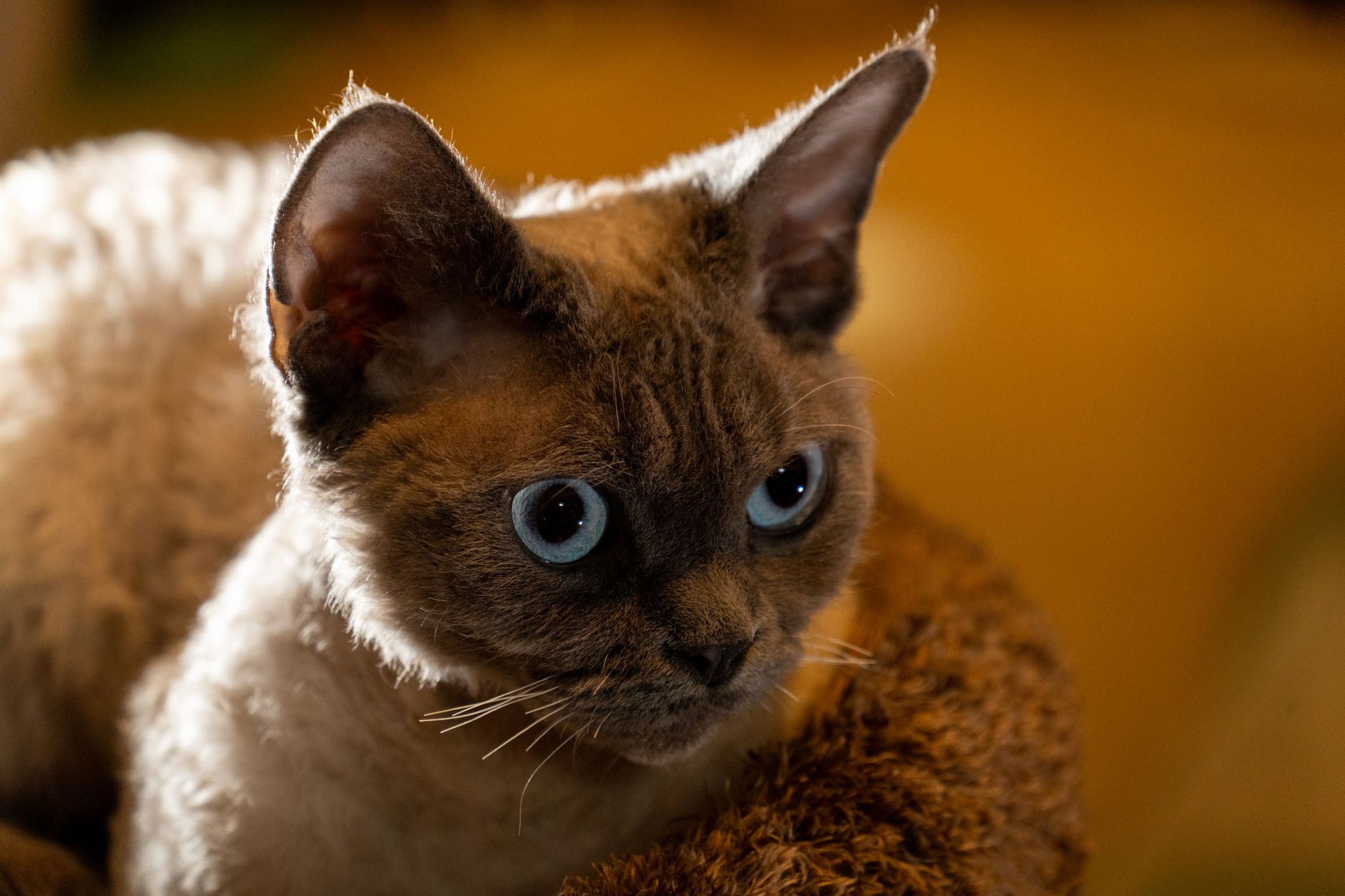
2. The Siberian: The Surprising Heavyweight
Many of my clients are shocked when I recommend the Siberian, a breed famous for its magnificent, plush triple coat. It seems entirely counterintuitive that a cat looking like a wild, fluffy forest dweller could be suitable for allergy sufferers.
However, genetic research indicates that Siberians naturally produce significantly lower levels of the Fel d 1 protein in their saliva compared to normal domestic cats. Roughly 75 percent of Siberian cats exhibit these reduced allergen levels, with some individuals producing almost none at all.
In my clinical experience, patients with moderate cat allergies often report absolutely zero symptoms when living with a purebred Siberian. I always advise clients to work with a reputable breeder who can test the individual kitten’s allergen levels, as they can still vary from litter to litter.
This breed’s calm temperament also means they are highly tolerant of the regular grooming sessions needed to keep their coat pristine.
- Schedule a visit with a breeder to test your personal reaction to their specific line.
- Brush the coat at least twice weekly using a high-quality metal comb to manage loose fur.
- Provide omega-3 fatty acid dietary supplements to keep the skin hydrated and minimize dry flaking.
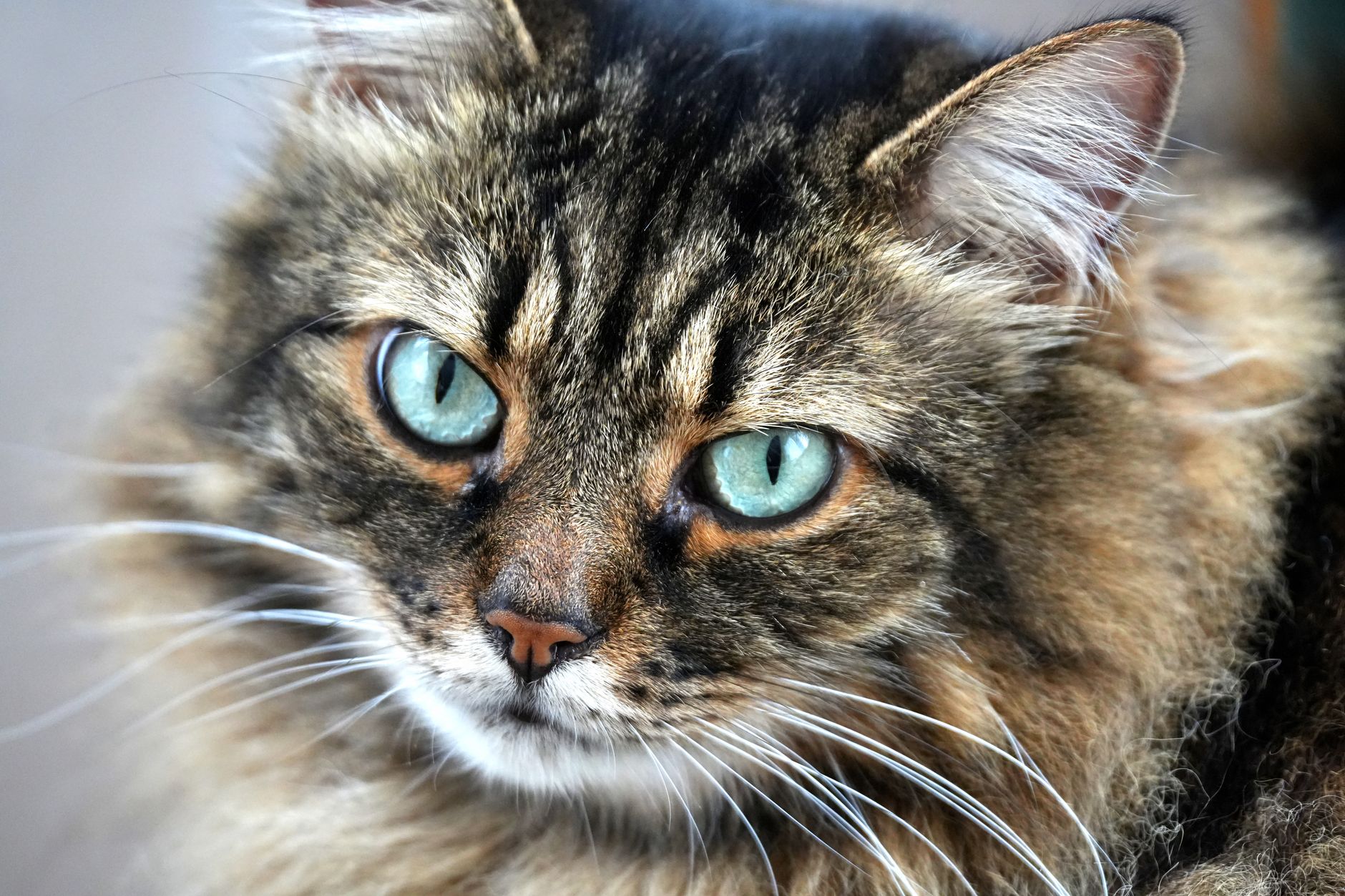
3. The Balinese: The Low-Protein Longhair
Do not let the long, silky coat of the Balinese fool you into thinking they will trigger your asthma. Often referred to as the ‘long-haired Siamese,’ this elegant, striking breed is genetically predisposed to producing far less Fel d 1 than standard domestic felines.
Unlike many long-haired breeds, the Balinese possesses a single coat, meaning they completely lack a thick, fluffy undercoat. This unique coat structure dramatically reduces the amount of shedding and flying dander circulating in your living space.
In my practice, I find Balinese cats to be exceptionally affectionate, vocal, and deeply bonded to their owners. Their sleek coat is highly manageable, meaning you will spend far less time grooming them and releasing dry dander into your home’s air.
They are also highly active, which helps keep their skin healthy and circulating natural oils evenly.
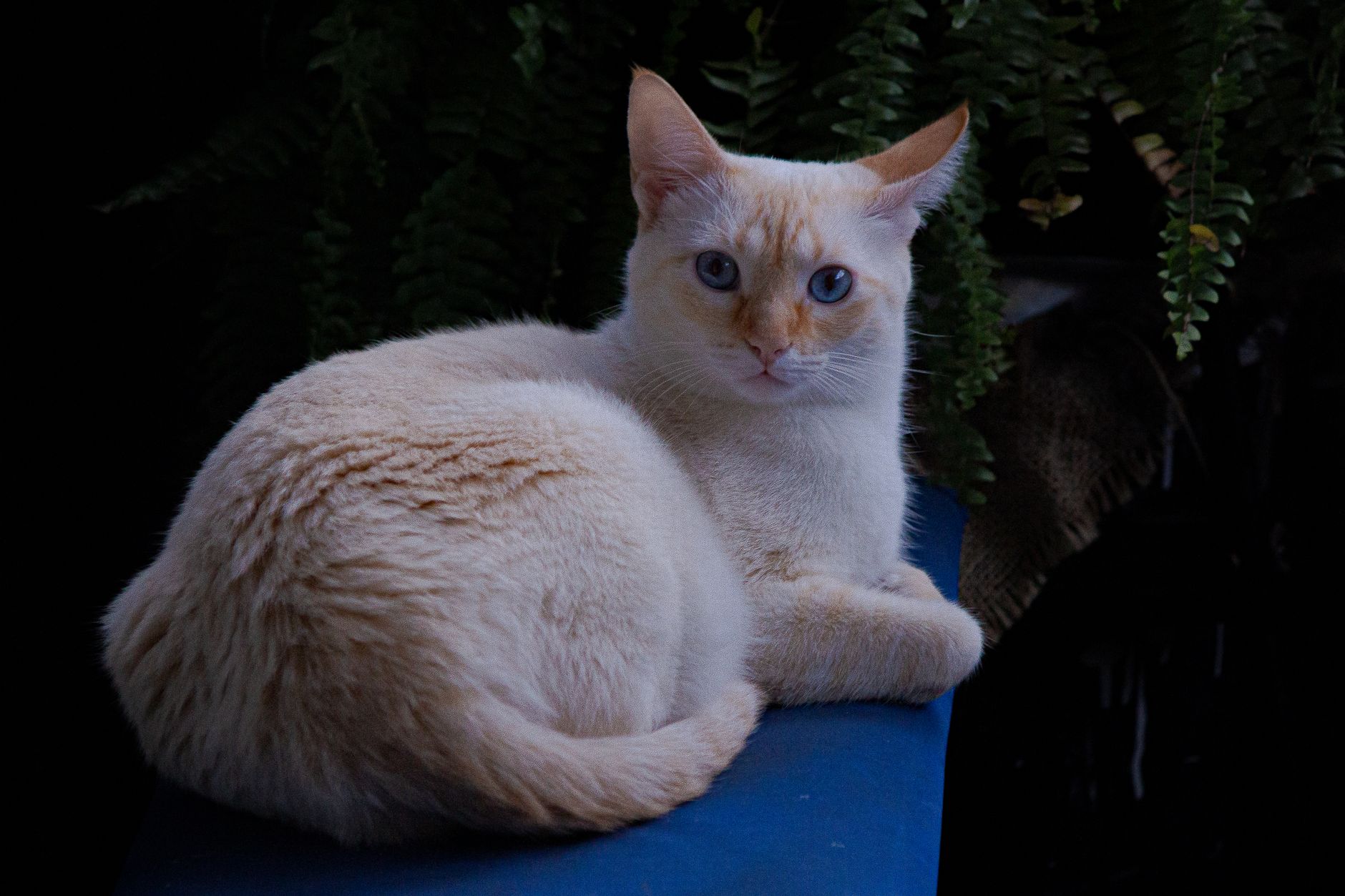
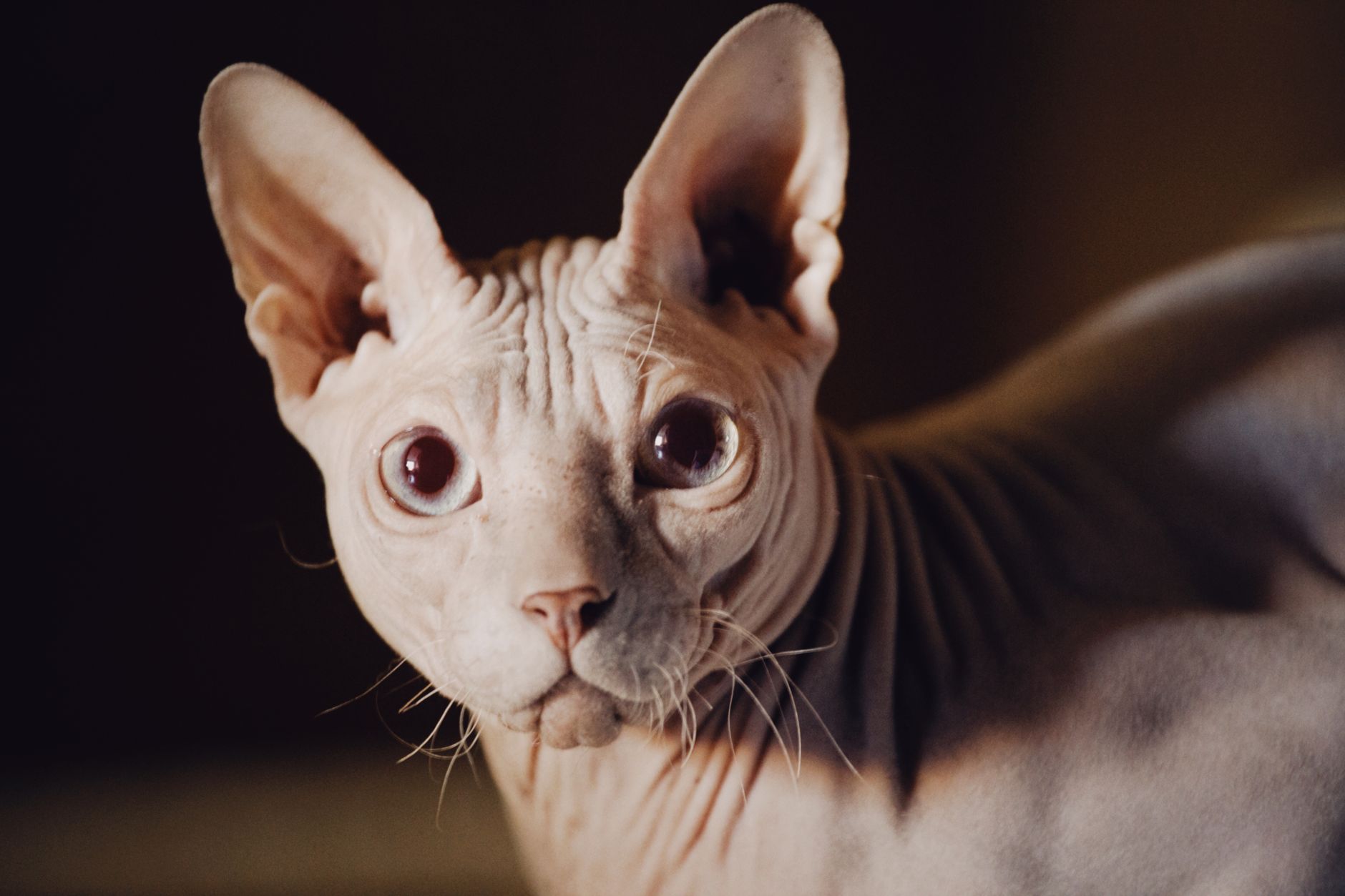
4. The Sphynx: The Hairless Paradox
The Sphynx is the most famous hairless cat breed, but they are also the most frequently misunderstood by allergy sufferers. I must emphasize to all my clients that a hairless cat is absolutely not an allergen-free cat.
While a Sphynx does not shed fur, they still secrete the Fel d 1 protein through their saliva and sebaceous skin glands. Because there is no hair to absorb these natural oils, a sticky, protein-rich residue builds up directly on their skin over time.
This means a Sphynx actually requires a strict, hands-on grooming routine to keep environmental allergens down. If you do not bathe them regularly, the concentrated protein on their skin will transfer directly to your hands, clothes, and furniture.
Many owners find that using specialized hypoallergenic pet wipes between weekly baths is an absolute lifesaver for controlling these surface proteins.
- Perform a weekly bath with a gentle, veterinary-approved oatmeal shampoo to clean the skin.
- Wipe down skin folds daily with hypoallergenic, fragrance-free baby wipes to prevent irritation.
- Wash their favorite bedding, blankets, and sweaters weekly in hot water to remove oil buildup.
- Clean their outer ears regularly to remove oily wax buildup where allergens frequently hide.
The Acne and Oil Connection
Because the Sphynx lacks fur to absorb natural skin oils, they are prone to blackheads and clogged pores. Regular, gentle cleansing is essential to prevent painful skin infections.
5. The Devon and Cornish Rex: Fine-Coated Friends
The Devon Rex and Cornish Rex are two distinct breeds that share unique genetic mutations resulting in very fine, wavy coats. These unusual coats are highly efficient at minimizing the spread of allergy triggers throughout your household.
Standard felines have three layers of hair: guard hair, awn hair, and down hair, but the Cornish Rex only possesses the soft down undercoat. The Devon Rex has a very sparse outer coat, giving them a soft, suede-like texture that feels warm to the touch.
Because their fur is so short, delicate, and tightly curled, they do not shed heavily into the environment. This keeps the Fel d 1-laden dander securely trapped close to their skin rather than floating through your living room.
In my clinic, I often note that these breeds love to perch on high surfaces, which also keeps dander away from floor-level air currents.
- Use a soft-bristled brush or silicone groomer to avoid damaging their delicate coat fibers.
- Ensure their indoor environment is temperature-controlled, as they feel the cold easily due to thin coats.
- Regularly inspect their skin for signs of dryness or yeast infections in the warm body folds.

6. The Bengal: Sleek Coats and Less Grooming
Bengals have become immensely popular, and they are an excellent option for allergy-prone households due to their unique coat structure. Their striking, wild-looking coats are structurally different from those of average domestic cats, resembling a sleek pelt.
Bengals possess a very short, dense coat that requires minimal self-grooming, which is a major benefit for allergy sufferers. Because they spend less time licking themselves, they deposit far less allergen-rich saliva onto their fur throughout the day.
Furthermore, their unique pelt-like coats shed remarkably little compared to other short-haired breeds. In my practice, Bengal owners frequently comment on how clean their home’s air and furniture remain compared to households with standard cats.
This breed is also highly energetic, requiring active play which stimulates healthy skin circulation and reduces flaky dry skin.

7. The Russian Blue: Double-Coated Protection
The Russian Blue is a stunning, quiet breed characterized by its shimmering silver coat and vivid green eyes. They are highly favored by allergy sufferers for two distinct biological reasons that I love to explain to clients.
First, there is compelling clinical evidence suggesting that Russian Blues produce naturally lower levels of the Fel d 1 protein. Second, their dense, plush double coat stands out at a 45-degree angle, which physically traps dander close to the skin.
This dense double coat acts as a highly effective natural filter, preventing microscopic dander particles from escaping into your household environment. They are also highly independent, making them a wonderful, low-maintenance choice for busy households.
Their calm demeanor also means they experience lower stress levels, which clinically correlates with reduced skin shedding.
The Russian Blue Temperament
These cats are highly sensitive to stress, which can cause excessive grooming or skin conditions. Keeping their routine stable directly helps control allergen shedding.
8. Dr. Heller’s Clinical Guide to Coexisting with Cats
If you are highly sensitive, choosing a hypoallergenic breed is only the first step on your pet ownership journey. In my years treating pet owners with allergies, I have learned that clinical success requires a multi-layered household strategy.
Even a low-allergen cat will still produce some Fel d 1 protein, which can accumulate over time if ignored. You must proactively manage your indoor environment and your pet’s physical condition to keep allergen levels below your personal symptomatic threshold.
By combining advanced air filtration, specialized diets, and smart grooming habits, you can dramatically reduce your allergic response. Let me share the exact medical and practical protocols I recommend to my allergy-prone clients.
Implementing even two or three of these clinical strategies can turn a sneezing household into a comfortable sanctuary.
- Install a True HEPA filter in your bedroom and main living areas to capture floating dander.
- Feed an allergen-reducing diet, such as Purina Pro Plan LiveClear, which neutralizes Fel d 1 in saliva.
- Keep your bedroom as a strict, cat-free sanctuary with the door closed at all times.
- Wash your hands thoroughly with soap and water immediately after petting or brushing your cat.
- Replace heavy carpets with hard flooring to prevent dander from becoming permanently trapped in fibers.
Frequently Asked Questions
Can you be allergic to a hairless Sphynx cat?
Yes, you can absolutely be allergic to a Sphynx. This is because feline allergies are triggered by the Fel d 1 protein found in cat saliva, skin oils, and urine, rather than the fur itself. Without hair to absorb these oils, they build up on the skin and can easily transfer to your hands or home surfaces.
Does washing a cat help reduce human allergies?
Yes, bathing your cat can temporarily reduce the load of airborne allergens on their coat by up to 80 percent. However, clinical studies show that these allergen levels return to baseline within 24 to 48 hours. For this strategy to be effective, bathing must be done consistently every 1 to 2 weeks using a gentle, moisturizing pet shampoo.
Are female cats more hypoallergenic than male cats?
Yes, female cats generally produce significantly lower levels of the Fel d 1 protein than male cats. Intact males produce the highest concentration of allergens due to hormonal influences. If you do adopt a male cat, having them neutered early will drastically reduce their allergen output.
Can an allergen-reducing cat food really work?
Yes, specialized diets like Purina Pro Plan LiveClear have been clinically proven to be highly effective. These diets utilize a specific egg-product protein that binds to active Fel d 1 in the cat’s saliva, safely neutralizing it. Studies show this reduces the active allergens on cat hair and dander by an average of 47 percent within three weeks.
How do I know if I will react to a specific hypoallergenic cat?
The most reliable clinical test is to arrange a visit with a specialized breeder and spend at least 45 to 60 minutes in a closed room with only that breed. This physical exposure allows you to gauge your personal immune system’s threshold before making a long-term commitment. Do not rely solely on breed descriptions, as individual protein levels can still vary.
Do hypoallergenic cats shed at all?
Yes, all hypoallergenic cats shed to some degree. Even the hairless Sphynx sheds dead skin cells, which carry the Fel d 1 protein. The term ‘hypoallergenic’ simply means they are less likely to cause an allergic reaction compared to standard cats, not that they are 100% allergen-free.
Sources & Further Reading
Final Thoughts
Bringing a cat into your life when you suffer from allergies is entirely possible, but it requires clinical planning and realistic expectations. Remember that individual cats within the same breed can produce varying levels of Fel d 1, so testing your personal sensitivity is vital.
I always suggest spending time with your prospective cat or their parents in a closed room before finalizing any adoption. By pairing a genetically low-allergen breed with proactive home hygiene, you can enjoy the deep, healing companionship of a feline friend.
Your dream of cat ownership does not have to be sidelined by allergies when science is on your side. As a veterinarian, seeing these matches succeed is incredibly rewarding, proving that love and science can overcome physical sensitivities.