
Quick Summary
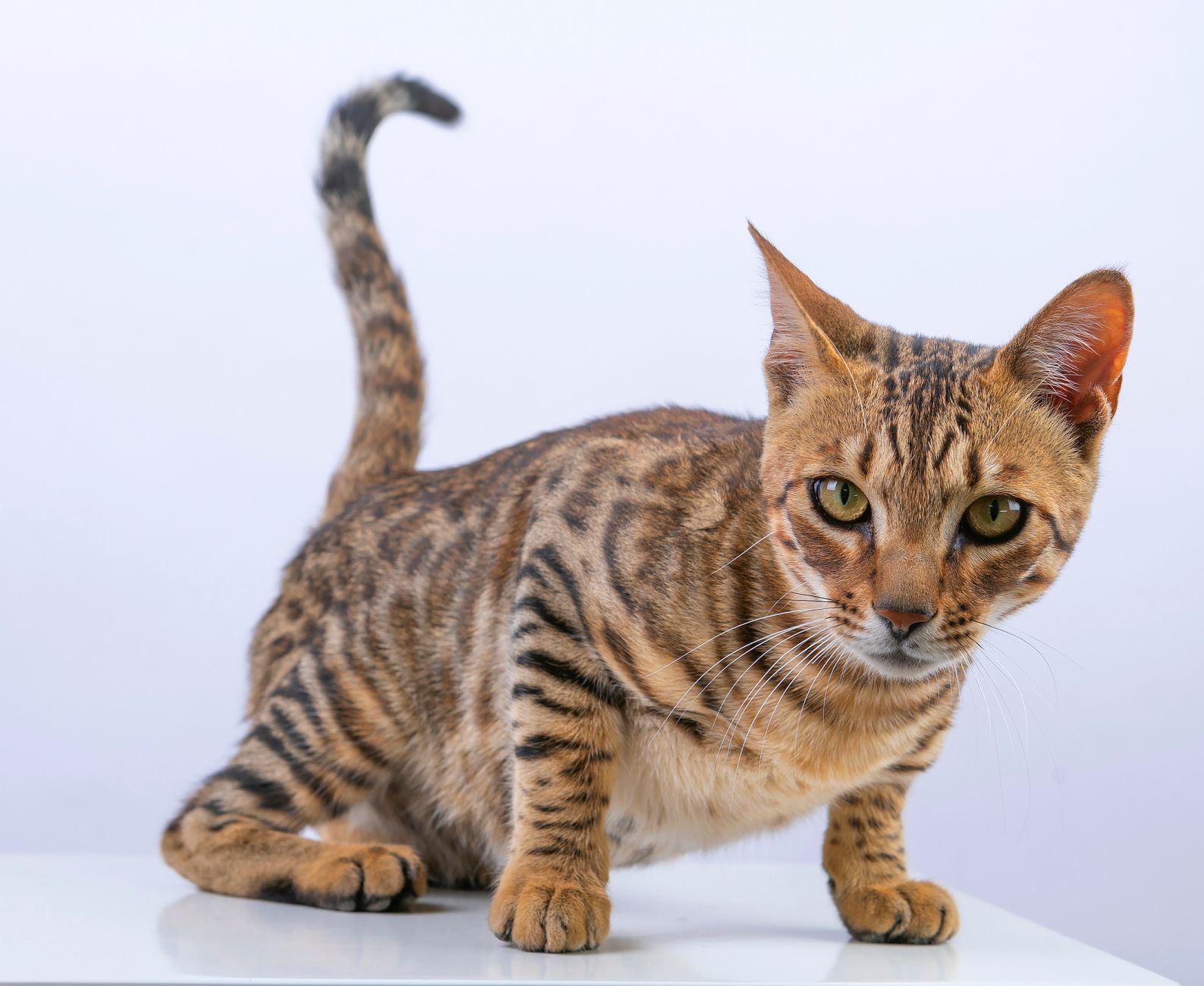
Several domestic cat breeds naturally retain a compact, kitten-like size throughout their adult lives, typically weighing between 4 and 9 pounds. While breeds like the Singapura and Toybob are naturally small and proportionate, others like the Munchkin and Bambino possess genetic dwarfism. Understanding the distinct metabolic, dental, and joint needs of these tiny felines is crucial for providing them with a healthy, long life.
As an Amazon Associate, we earn from qualifying purchases.
Popular with cat owners: Dental Chews · Cat Tunnel · Cat Tree
As a practicing veterinarian, one of the most common questions I get from prospective pet parents is, ‘Is there a cat that will stay kitten-sized forever?’ The short answer is yes—there are indeed select breeds that naturally maintain a diminutive stature throughout their entire adult lives.
However, welcoming a pint-sized feline into your home involves more than just admiring their adorable looks. In my years running this clinic, I have learned that smaller frames often come with unique physiological needs, metabolic rates, and genetic predispositions that every owner must understand before adopting.
Key Takeaways
- True small cat breeds, like the Singapura and Toybob, naturally weigh under 8 pounds at maturity.
- Dwarf breeds like the Munchkin carry specific genetic mutations that require careful skeletal and weight monitoring.
- Smaller cats often possess highly active metabolisms, requiring calorie-dense diets and frequent, smaller meals.
- Keep a close eye on dental health, as crowded, small jaws are highly prone to rapid periodontal disease.
- Always choose reputable breeders who perform comprehensive genetic screenings for breed-specific conditions.
- Be prepared to adapt your home environment with ramps or stairs for breeds with short legs or joint vulnerabilities.
In This Article
- The Veterinary Reality of Tiny Felines
- 1. The Singapura: The Undisputed Tiny Queen
- 2. The Munchkin: Managing the Genetics of Dwarfism
- 3. The Toybob: Genetically Pint-Sized and Sweet
- 4. The Devon Rex: The Social Pixie with Sensitive Skin
- 5. The Cornish Rex: High-Metabolism Athletes
- 6. The American Curl: Compact Grace with Unique Cartilage
- 7. The Bambino: The High-Maintenance Hybrid
The Veterinary Reality of Tiny Felines
When clients ask me about ‘teacup’ cats, I always start by debunking the marketing myth. There is no recognized breed called a ‘teacup’ cat; instead, reputable breeders work with established, naturally small breeds.
From a clinical perspective, a smaller body means a smaller organ reserve. If a four-pound cat stops eating for even 24 to 48 hours, they run a much higher risk of developing hepatic lipidosis (fatty liver disease) compared to a larger, ten-pound domestic shorthair.
Additionally, their tiny jaws mean their teeth are crowded closely together. In my dental suite, I see far more advanced periodontal disease in small breeds at age three than I do in larger breeds at age six.
Greenies Feline Adult Dental Cat Treats
- ✓Crunchy texture designed to clean teeth
- ✓Tempting tuna flavour
- ✓Veterinarian-recommended dental treat for cats
- Helps reduce tartar build-up
- Supports fresher breath with a treat cats actually want
- Crowded teeth leading to rapid plaque and tartar buildup
- Higher vulnerability to rapid dehydration and hypoglycemia
- Increased risk of anesthesia complications due to rapid body heat loss
- Skeletal structures that are fragile and easily injured by falls

1. The Singapura: The Undisputed Tiny Queen
The Singapura is officially recognized as the smallest of all domestic cat breeds, with adult females often weighing as little as four pounds. Originating from the streets of Singapore, these cats are characterized by their large, expressive eyes, massive ears, and stunning ticked sepia coats.
In my practice, I find Singapuras to be incredibly high-energy, inquisitive, and social companions who never seem to grow out of their kitten-like curiosity.
However, prospective owners must be aware of their specific health considerations. Singapuras have a relatively small gene pool, which makes them susceptible to Pyruvate Kinase (PK) Deficiency, an inherited enzyme defect that causes hemolytic anemia.
- Average adult weight: 4 to 8 pounds
- Prone to Pyruvate Kinase Deficiency (always ask for DNA test results)
- High occurrence of uterine inertia, often requiring Cesarean sections for breeding queens
- Extremely high social needs; they do not tolerate long periods of isolation well

2. The Munchkin: Managing the Genetics of Dwarfism
The Munchkin is famous for its extremely short legs, which are the result of a naturally occurring genetic mutation called chondrodysplasia. Despite their short stature, these cats are surprisingly agile, though they cannot jump nearly as high as their longer-legged counterparts.
I often have long discussions with clients about the ethical and medical aspects of owning a Munchkin. Because their long bodies are supported by such short limbs, their joints bear weight in a highly abnormal fashion.
Over time, this altered biomechanics can lead to early-onset osteoarthritis and spinal issues. We must manage their weight strictly, as even half a pound of excess fat can place devastating stress on their tiny legs.
- Average adult weight: 5 to 9 pounds
- Vulnerable to lordosis, an inward curvature of the spine, in growing kittens
- Increased risk of pectus excavatum, a hollowed chest deformity
- Requires regular veterinary joint evaluations and early introduction of joint supplements
Sheldamy S-Shaped 2-Way Cat Tunnel
- ✓S-shape suits cats’ love of hiding
- ✓Waterproof, scratch-resistant fabric
- ✓Collapsible
- A crinkly play tunnel gives cats somewhere to hide, pounce and race through

3. The Toybob: Genetically Pint-Sized and Sweet
The Toybob is a relatively new and rare breed that originated in Russia, specifically bred to maintain a miniature size and a sweet, docile temperament. Unlike Munchkins, Toybobs have proportionally correct legs, meaning they are not dwarf cats; they are simply scaled-down domestic felines.
In my clinical observations, these cats exhibit a remarkably gentle nature, often acting more like lapdogs than typical independent felines.
Their short, bobbed tails are a natural mutation that does not appear to compromise their balance or spinal health. However, because they are still quite rare, finding a reputable breeder who performs rigorous health screenings is absolutely essential.
- Average adult weight: 3 to 6 pounds
- Proportionate bodies with no structural dwarfism
- Naturally occurring bobbed tails that require gentle handling during veterinary exams
- Extremely affectionate and thrives on indoor-only companionship

4. The Devon Rex: The Social Pixie with Sensitive Skin
The Devon Rex is instantly recognizable by its oversized ears, high cheekbones, and short, wavy coat that feels like crushed velvet. These cats are light-boned and slender, rarely exceeding eight or nine pounds at full maturity.
In the exam room, Devon Rexes are notorious for trying to climb onto my shoulders; they are incredibly social, clownish, and energetic.
Their unique coat is very sparse, which means they do not have the typical protective barrier against environmental allergens and oils. Consequently, I frequently treat this breed for dermatological issues, including yeast infections in their deep ear canals and skin folds.
- Average adult weight: 5 to 10 pounds
- Prone to hypertrophic cardiomyopathy (HCM), requiring regular cardiac ultrasounds
- High risk of hereditary myopathy, a muscle-weakening condition
- Require frequent ear cleanings to prevent yeast and bacterial overgrowth

5. The Cornish Rex: High-Metabolism Athletes
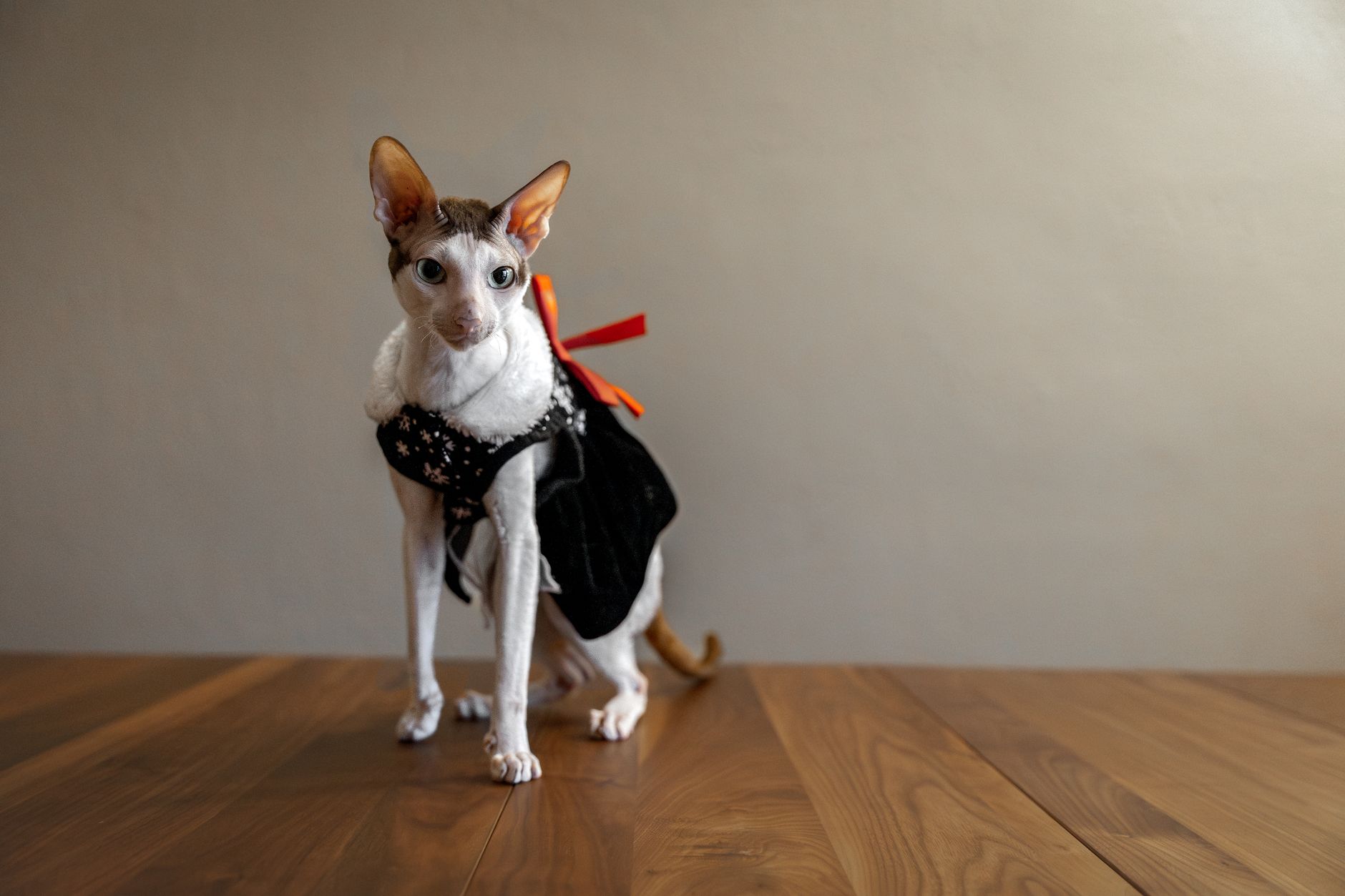
Much like their Devon cousins, the Cornish Rex is a highly active, slender breed characterized by a curved ‘eggshell’ back and a fine, rippled coat. They have incredibly long, fine legs that make them look like miniature, feline Whippets.
Because they lack guard hairs, they feel incredibly warm to the touch, and they are constantly seeking out heat sources in the home.
In my practice, I find that Cornish Rexes have an exceptionally high metabolic rate. They burn calories quickly just to maintain their body temperature, meaning they often require a higher caloric intake than other cats of similar weight.
- Average adult weight: 5 to 9 pounds
- Fine coat that is highly sensitive to sunburn and cold temperatures
- Increased caloric requirements to sustain a rapid basal metabolic rate
- Prone to follicular dysplasia, leading to patchy hair loss if not managed properly
6. The American Curl: Compact Grace with Unique Cartilage
The American Curl is known for its distinctive, backward-curving ears, which give them a bright, alert expression. While they can range into medium sizes, many lines remain remarkably compact and lightweight.
These cats are incredibly well-balanced, displaying a playful, family-friendly demeanor that lasts well into their senior years.
As a vet, my primary focus when examining an American Curl is their ears. The cartilage in their ears is firm and inflexible; rough handling can actually rupture the cartilage and cause permanent damage or infection.
- Average adult weight: 5 to 10 pounds
- Born with straight ears that begin to curl back within 3 to 5 days of birth
- Prone to narrow ear canals (stenosis), which traps wax and debris
- Requires careful, gentle handling of the ear pinna to prevent cartilage trauma
7. The Bambino: The High-Maintenance Hybrid
The Bambino is a controversial designer breed created by crossing the hairless Sphynx with the short-legged Munchkin. The result is a hairless, dwarf cat that remains incredibly small but carries a substantial care burden.
I always counsel potential owners that Bambinos are not for beginners. They combine the orthopedic vulnerabilities of dwarfism with the intensive skin-care needs of hairless breeds.
Without a protective coat, they secrete oils directly onto their skin, which collect dirt and bacteria. They require weekly baths, meticulous ear cleaning, and constant protection from both sunburn and hypothermia.
- Average adult weight: 5 to 9 pounds
- Extremely high-maintenance skin regimen to prevent painful pyoderma
- Vulnerable to both joint issues and thermoregulation struggles
- Requires sweaters in winter and veterinary-approved sun protection in summer
-
Globlazer XXL Cat Tower for Multiple CatsGives cats vertical space to climb, scratch and nap, which reduces stress and keeps them off your shelves
-
Purina ONE Healthy Kitten Dry FoodHigher protein and calories support a kitten’s rapid growth in the first year
-
Pecute Skin-Friendly Self-Cleaning Slicker BrushFine wire pins lift loose undercoat and work out small tangles before they turn into mats
Related Cat Guides
Frequently Asked Questions
Do small cat breeds live longer than larger breeds?
Generally, yes. Many naturally small breeds, like the Singapura or American Curl, can live up to 15 to 18 years when kept indoors and provided with proper medical care. However, designer breeds with structural mutations, like the Munchkin or Bambino, may face chronic joint issues that affect their overall quality of life.
Do small cat breeds need special kitten food as adults?
No, they should not eat kitten food as adults unless specifically directed by your veterinarian, as it can lead to obesity. Instead, feed them high-quality, calorie-dense adult cat food in controlled portions to meet their high metabolic demands without overloading their small joints with excess weight.
Are small cats safe around large dogs?
You must exercise extreme caution. Because of their tiny size, breeds like the Singapura or Toybob can easily trigger a dog’s prey drive, even in normally gentle dogs. I always advise my clients to supervise all interactions and provide plenty of high-up vertical spaces where the cat can escape.
Why are small cat breeds more prone to dental disease?
Small cats have much smaller jawbones, but they still have the same 30 permanent teeth as larger domestic cats. This causes severe crowding, which allows food, plaque, and bacteria to accumulate in tight spaces that are difficult to clean, leading to rapid onset of periodontal disease.
How often do small cat breeds need to go to the vet?
Like all cats, they should have routine exams at least once a year. However, if your small breed has a skeletal condition like dwarfism, or is prone to skin issues like the Devon Rex or Bambino, I recommend bi-annual checkups to monitor joint health and dermatological conditions closely.
Sources & Further Reading
- The Cat Fanciers’ Association (CFA)
- International Cat Care
- Cornell University College of Veterinary Medicine
Final Thoughts
While the allure of a cat that stays kitten-sized forever is undeniable, owning one requires a deep commitment to their unique physiological needs. Whether you choose a naturally petite Singapura or a genetically unique Munchkin, you must prioritize proactive dental care, joint support, and high-quality nutrition.
As a veterinarian, my goal is to ensure these tiny felines live long, pain-free lives. Partner closely with your veterinary team, ask breeders the tough genetic questions, and enjoy the wonderful, energetic companionship of your pint-sized feline friend.