
Clumber Spaniel Breed Guide

Quick Summary
A dignified, heavy-boned aristocrat, the Clumber Spaniel is a remarkably calm and affectionate companion known for its slow-paced, gentle nature. Ideal for households that appreciate a quiet, loving dog and do not mind substantial shedding and drool, they thrive in relaxed environments with moderate daily exercise.
Quick Facts
- origin countryGreat Britain
- breed groupSporting
- sizeLarge (low-slung but massive)
- weight range55 to 85 pounds
- height range17 to 20 inches
- lifespan10 to 12 years
- coat typeDense, straight, flat, weather-resistant double coat with soft feathering
- common colorsWhite with lemon or orange markings
- other namesNone
- recognized byAKC, UKC, KC (UK)
Caring for a Clumber Spaniel
Living with a Clumber Spaniel is a lesson in slow, deliberate companionship. What I see most often in practice is owners surprised by just how heavy these dogs are despite their relatively short stature; they are built like cargo trains and require careful joint support during growth. Expect a daily routine filled with moderate walks, meticulous ear cleaning, and a fair amount of slobber management. They are wonderful indoor companions who will happily snooze for hours, but they need regular, low-impact exercise to prevent rapid weight gain.
Is a Clumber Spaniel a good family pet?
Absolutely, they make phenomenal family pets due to their sweet, easygoing, and deeply loyal temperament. They are remarkably patient and tolerant with children, though because of their massive, dense build, I always advise monitoring them around toddlers to prevent accidental bumps.
Do Clumber Spaniels shed a lot?
Yes, they shed heavily year-round, with intense blowouts in the spring and fall. Their thick white double coat will leave hair on furniture and clothing, requiring committed brushing at least three times a week to keep it under control.
Is a Clumber Spaniel good for first-time owners?
They can be, provided the owner is fully prepared for the extensive grooming, drool, and potential health needs. Their gentle nature is very forgiving for beginners, but their independent streak and physical strength mean positive, consistent training is a must.
Temperament & Personality
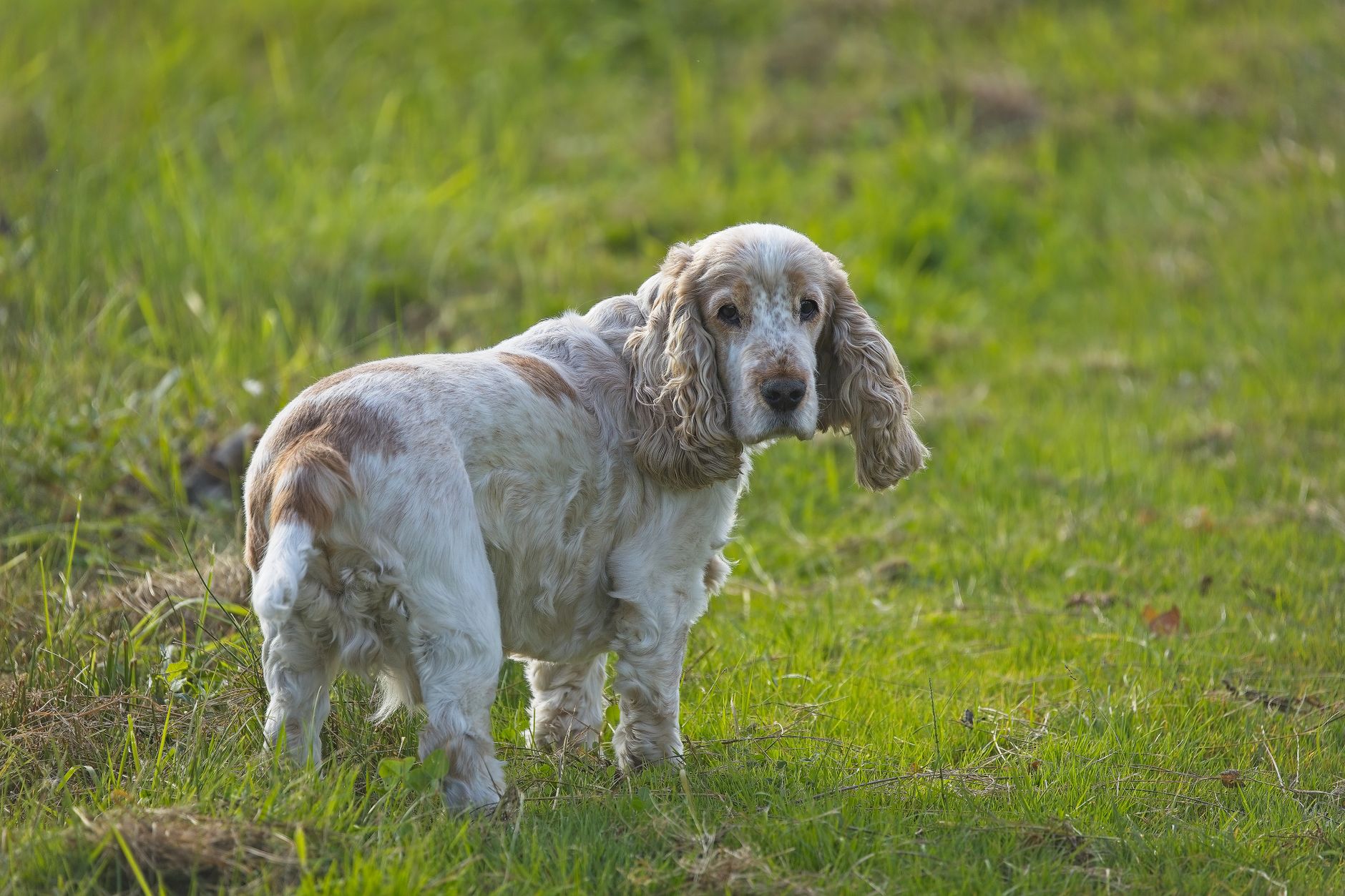
The Clumber Spaniel possesses a distinct, dignified personality that sets them apart from the more frenetic spaniel breeds. In my clinical experience, they are remarkably steady, gentle, and quiet indoors, often acting more like retired gentlemen than active sporting dogs. While they can be somewhat aloof or reserved with strangers, they form intense, loving bonds with their immediate families. They rarely show aggression, preferring to quietly observe the world with their characteristically soulful, sleepy expression.
Is a Clumber Spaniel good with other pets?
Generally, yes. They have a very laid-back attitude and tend to coexist peacefully with other dogs and even cats, especially when socialized from puppyhood. Their low prey drive compared to other sporting breeds makes them highly agreeable housemates.
How much attention does a Clumber Spaniel need?
They are deeply devoted to their human family and thrive on being near you, though they aren’t overly demanding or Velcro-like. They are content to lie at your feet while you work, but they do suffer from separation anxiety if left completely alone for long stretches.
Training & Behavior
Training a Clumber Spaniel requires patience, consistency, and plenty of high-value treats, as they possess a classic spaniel independence. They are highly intelligent but operate at their own slow, deliberate pace; rushing them will only result in them sitting down and tuning you out. I always advise clients to start socialization early to ensure their natural reserve with strangers doesn’t morph into suspiciousness or timidity.
Training Tips
- Use high-value, low-calorie food rewards
- Keep training sessions short, fun, and positive
- Never use harsh corrections, as they are highly sensitive
- Begin leash training early to manage their immense pulling power
- Focus heavily on early socialization with diverse people and environments
Fun Activities
- Scent work and tracking games
- Low-impact retrieving in fields
- Leisurly, sniffing-focused nature walks
- Basic obedience training
- Therapy dog work due to their calm demeanor
Is a Clumber Spaniel easy to train?
They are moderately easy to train but require a patient handler. They are smart enough to learn commands quickly, but they are notorious for weighing whether a command is worth their physical effort, making positive reinforcement vital.
Clumber Spaniel Health Issues

Structurally, the Clumber Spaniel is built with heavy bone, a long spine, and deep skin folds, which predisposes them to specific orthopedic, ocular, and dermatological challenges. While they are a hardy breed, keeping them at a lean, healthy weight is the absolute single most important thing an owner can do to protect their joints and prolong their lifespan.
Intervertebral Disc Disease (IVDD)
Due to their long backs and short limbs (chondrodystrophic build), Clumbers are structurally prone to herniated or ruptured spinal discs. This condition can cause severe pain, nerve damage, or even permanent paralysis.
Ectropion and Entropion
The heavy, loose skin on a Clumber’s face often causes the eyelids to roll outward (ectropion) or inward (entropion). Entropion is especially dangerous as the eyelashes rub directly against the cornea, leading to painful ulcers.
Hip Dysplasia
This is a genetic malformation of the hip joint where the femur does not fit snugly into the pelvic socket. Because Clumbers grow rapidly and carry massive weight on a medium frame, joint laxity can lead to severe, early-onset arthritis.
Otitis Externa (Ear Infections)
Those gorgeous, heavy, pendulous ears trap moisture, warmth, and dirt, turning the ear canal into an ideal breeding ground for yeast and bacteria. I treat chronic ear infections in this breed more than almost any other condition.
Hypothyroidism
This endocrine disorder occurs when the thyroid gland doesn’t produce enough thyroid hormone, slowing down the dog’s metabolism. It is highly manageable with daily oral medication once diagnosed.
How long do Clumber Spaniels typically live?
With proper care, a lean diet, and proactive veterinary attention, Clumber Spaniels typically live between 10 to 12 years. Regular screenings for joint, eye, and thyroid issues are key to maintaining their quality of life.
What to Feed a Clumber Spaniel
Clumber Spaniels are notorious food lovers with a metabolic rate that slants toward weight gain. In my clinic, obesity is the primary exacerbator of their orthopedic problems, making strict portion control and calorie monitoring absolutely non-negotiable.
Best Diet
A high-quality, large-breed adult formula is ideal to support their heavy bone structure. Look for diets formulated with added glucosamine and chondroitin for joint health, and avoid feeding high-fat diets unless they are actively working in the field.
How to Feed
I highly recommend feeding Clumbers twice daily in measured portions rather than free-feeding. Because of their deep chests, using a slow-feeder bowl can also help prevent them from gulping excess air during meals.
How Much to Feed
Typically, an adult Clumber Spaniel requires between 2.5 to 4 cups of high-quality kibble daily, split into two meals. However, exact caloric needs vary widely based on age, activity level, and neuter status; consult your vet to calculate a precise daily caloric target.
Nutritional Tips
Incorporate fresh, low-calorie vegetables like green beans or carrots as training treats instead of commercial biscuits. Additionally, starting them on a high-quality marine-source Omega-3 fatty acid supplement early in life can provide crucial anti-inflammatory support for their joints.
Clumber Spaniel Grooming Guide
Grooming a Clumber Spaniel is not for the faint of heart; it requires a consistent, committed routine to manage their heavy double coat and skin folds. Neglecting their grooming routine quickly leads to painful mats, skin infections, and severe ear issues.
Coat Care
Brush their dense coat at least three to four times a week using a slicker brush and an undercoat rake to remove loose dead hair. Pay extra attention to the fine feathering on their legs and belly, which tangles and traps burrs easily.
Skin Care
Regularly check and wipe down their facial skin folds with a damp cloth or vet-approved antiseptic wipe to prevent fold dermatitis. Always dry the folds thoroughly after cleaning to keep yeast from multiplying.
Eye Care
Because of their loose eyelids, wipe their eyes daily with a clean, damp cotton ball to remove dust, debris, and discharge.
Ear Care
Clean their ears weekly using a vet-recommended ceruminolytic ear cleaner. Ensure the ear canals are dried completely after swimming or bathing to prevent yeast infections.
Nail & Dental Care
Trim their thick nails every 3-4 weeks to prevent splayed feet and joint strain, and brush their teeth at least three times a week with canine enzymatic toothpaste.
Considerations for Pet Parents
Pros
- Extremely gentle, affectionate, and loving family companions
- Remarkably quiet and calm house dogs
- Highly patient and tolerant with children
- Generally friendly and peaceful with other pets
- Dignified, unique, and handsome appearance
- Low to moderate exercise needs compared to other spaniels
Cons
- Heavy year-round shedding and significant drooling
- Prone to several expensive orthopedic and eye health issues
- Can be stubborn and independent during training
- Requires intensive, frequent grooming and ear maintenance
- High propensity for rapid, joint-damaging weight gain
Best For
Calmer households, retired individuals, or families with children who are prepared for the physical reality of a heavy, shedding, and drooling dog. They are perfect for owners who want a large-dog presence in a low-slung, quiet package.
Not Recommended For
Meticulous housekeepers who cannot tolerate dog hair or drool, highly active endurance runners looking for a jogging partner, or owners who must leave their dog alone for long working hours.
Cost
- purchase price$2,000 to $3,500
- monthly cost$150 to $250
- initial setupExpect to invest in high-quality grooming tools, joint supplements, and heavy-duty orthopedic beds early on.
Similar Breeds

Sussex Spaniel

Basset Hound
Clumber Spaniel FAQs
Do Clumber Spaniels drool a lot?
Yes, Clumber Spaniels are significant droolers due to their loose, fleshy lips and heavy jowls. You should expect to wipe their mouths after they drink, eat, or when they get excited or warm, and keep ‘slobber cloths’ handy around the house.
Are Clumber Spaniels high energy?
No, they are generally low-to-moderate energy dogs. While they were bred for hunting, they work at a slow trot rather than a gallop, and indoors they are notoriously lazy, preferring a cozy couch to frantic play.
Can Clumber Spaniels live in an apartment?
Yes, their calm indoor demeanor and low tendency to bark make them surprisingly good apartment dwellers. However, owners must commit to daily walks to keep them physically active and prevent obesity.
Are they prone to barking?
Typically, no. Clumber Spaniels are very quiet dogs who rarely bark unless there is a direct reason, such as someone knocking at the door. This makes them excellent for quiet neighborhoods.
Do they tolerate hot weather well?
No, they have poor heat tolerance. Their thick white double coat, heavy body mass, and shorter muzzle make them highly susceptible to heatstroke. In my practice, I always warn owners to keep them in air-conditioning during hot summer days and walk them only during the cool early mornings.
Are Clumber Spaniels good swimmers?
Most Clumbers enjoy the water and are capable swimmers, but because of their dense bones and heavy coats, they can tire quickly. I highly recommend supervising them closely and using a dog life jacket when they are in deep water.
How often do they need to be bathed?
They generally require a bath every 4 to 6 weeks, depending on their outdoor activity. Because of their white coats and propensity to track dirt, regular baths are necessary to keep them looking clean and smelling fresh.
Is the Clumber Spaniel a rare breed?
Yes, they are considered a vulnerable native breed in the UK and are relatively rare in North America. You will likely need to go on a waiting list with a reputable breeder if you wish to purchase a puppy.
Why do they have such a distinct, rolling gait?
Their unique ‘clumber roll’ is a result of their massive, wide body and short legs. It is a slow, trotting, rolling movement that allows them to push through dense underbrush for hours in the field without tiring.
Are they easy to housebreak?
They are average in terms of housebreaking. Like many spaniels, consistency, a set routine, and positive reinforcement will get the job done, but it can take a few months for them to be completely reliable.
Do they snore?
Yes, most Clumber Spaniels snore, often quite loudly. Their soft palate, loose facial skin, and sleeping positions contribute to a symphony of nighttime noises that owners must learn to find endearing.
Are Clumber Spaniels prone to bloating (GDV)?
While they are deep-chested, gastric dilatation-volvulus (GDV) is less common in them than in giant breeds, but it is still a risk. I always advise avoiding vigorous exercise for at least one hour after eating to minimize this danger.
Sources & Further Reading
- American Kennel Club (AKC)
- Merck Veterinary Manual
- American Veterinary Medical Association (AVMA)
- PetMD