
Ural Rex Breed Guide
Quick Summary
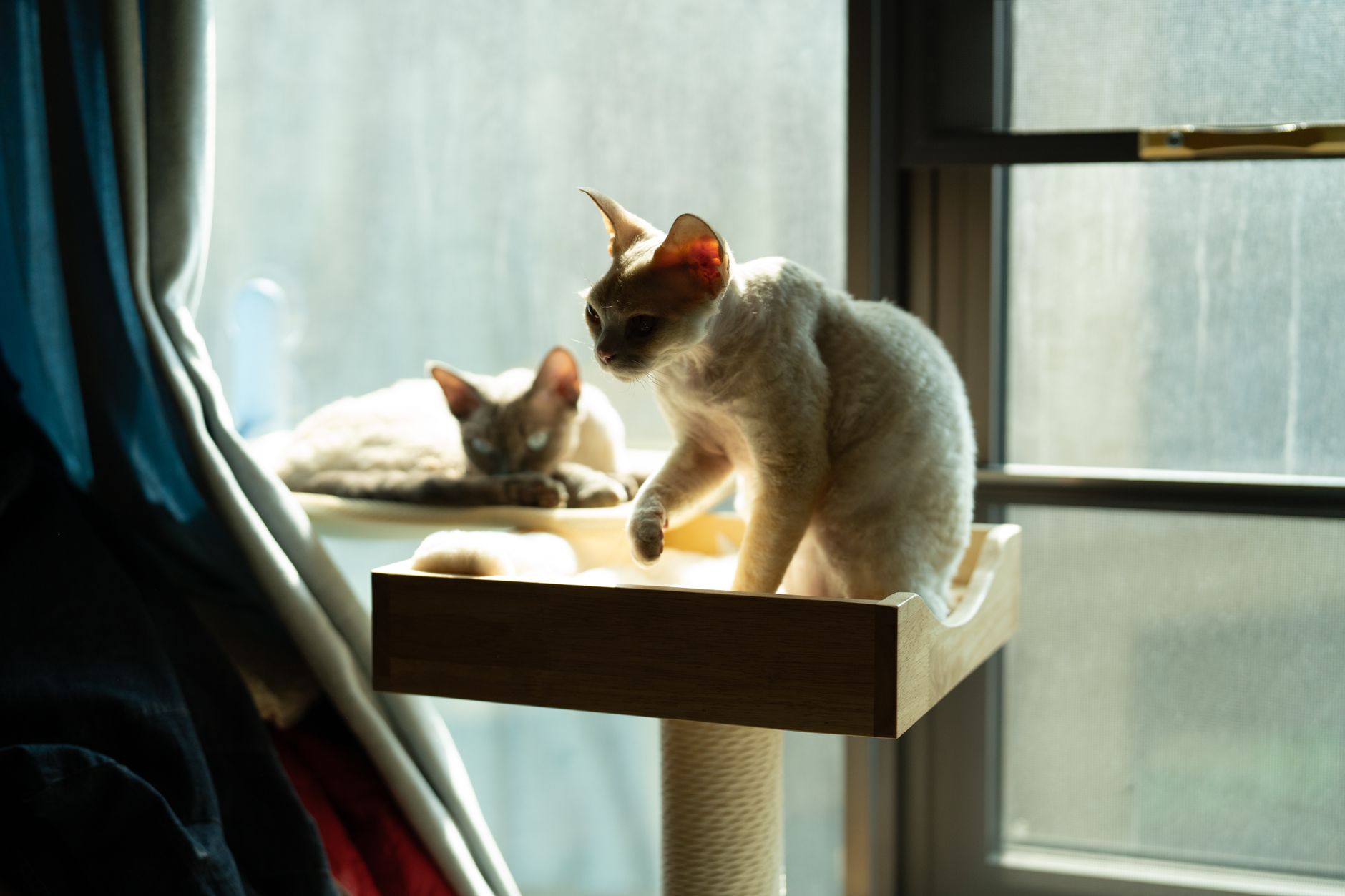
A rare, family-oriented Russian treasure, the Ural Rex combines an incredibly affectionate, balanced personality with a unique, velvety, elastic curly coat. In my practice, I find their gentle, quiet nature makes them outstanding companions for households seeking a low-key but deeply bonded feline partner who thrives on human connection.
Quick Facts
- origin countryRussia
- breed groupRex (Mutation)
- sizeMedium, well-proportioned, and muscular
- weight range7.5 to 13 lbs (3.4 to 6 kg)
- height range9 to 12 inches
- lifespan12 to 15 years
- coat typeShort or medium-long, dense, fine, and elastic with distinct curls
- common colorsAll colors and patterns allowed except chocolate, cinnamon, lilac, fawn, and ticking
- other namesUralochka
- recognized byWCF, FARUS, MFA
Caring for a Ural Rex
Living with a Ural Rex is a delightfully calm experience; they are remarkably balanced cats that lack the frantic hyper-activity of some other Rex breeds. In my clinical observations, they thrive on consistent routines and deep emotional integration with their human families. Their unique coat requires a hands-off grooming approach to prevent hair breakage, meaning your primary task is protective skin care and mild environmental enrichment.
Is a Ural Rex a good family pet?
Absolutely, they are exceptionally patient and gentle, making them wonderful companions for children. I often recommend them to families because they rarely show aggression and naturally seek out close human contact.
Do Ural Rexs shed a lot?
They shed very minimally compared to standard-coated cats because their unique curly hairs tend to remain trapped in the coat or come off in small, soft clumps. While this makes them easier on household textiles, they are not entirely hypoallergenic, and owners should consult a vet if allergies are a major concern.
Is a Ural Rex good for first-time owners?
Yes, their stable, forgiving, and highly affectionate temperament makes them incredibly easy to live with. As long as you understand their specific, minimal coat care needs, they are an absolute joy for a novice owner.
Temperament & Personality

The Ural Rex possesses a remarkably sweet, patient, and quiet disposition that instantly wins over anyone they meet. Unlike their highly vocal counterparts, they communicate in soft, melodious chirps that rarely disrupt a household. In my clinic, these cats are typically the most cooperative patients, exhibiting a calm confidence even in unfamiliar surroundings.
Is a Ural Rex good with other pets?
Yes, they are highly social and adapt beautifully to multi-cat households or homes with cat-friendly dogs. In my experience, they prefer having a companion to cuddle with during the day when their owners are away.
How much attention does a Ural Rex need?
While they are not demandingly needy, they do crave physical closeness and will shadow you from room to room. I advise owners that these cats do best when they are not left entirely alone for more than 6 to 8 hours at a time.
Training & Behavior
These cats are highly intelligent and surprisingly trainable, showing a keen interest in interactive puzzles and gentle obedience work. Their motivation stems entirely from their desire to please and bond with their owners, rather than high-octane prey drive. In practice, I find positive reinforcement with high-value treats yields excellent results within just a few short sessions.
Training Tips
- Use soft-spoken verbal praise and lickable treats to reinforce positive behaviors.
- Introduce clicker training early to stimulate their quick minds.
- Establish a predictable daily play schedule to channel their moderate energy.
- Gently desensitize them to carrier entry and nail trimming using food rewards.
Fun Activities
- Interactive food puzzle toys
- Gentle feather wand fetch games
- Learning basic tricks like ‘sit’ or ‘high-five’
- Exploring safe, enclosed outdoor spaces on a harness
- Cuddle sessions paired with gentle clicker training
Is a Ural Rex easy to train?
Yes, they are highly cooperative and respond incredibly well to reward-based training methods. Because they are food-motivated and eager to engage with their humans, teaching basic behaviors and recall is straightforward.
Ural Rex Health Issues
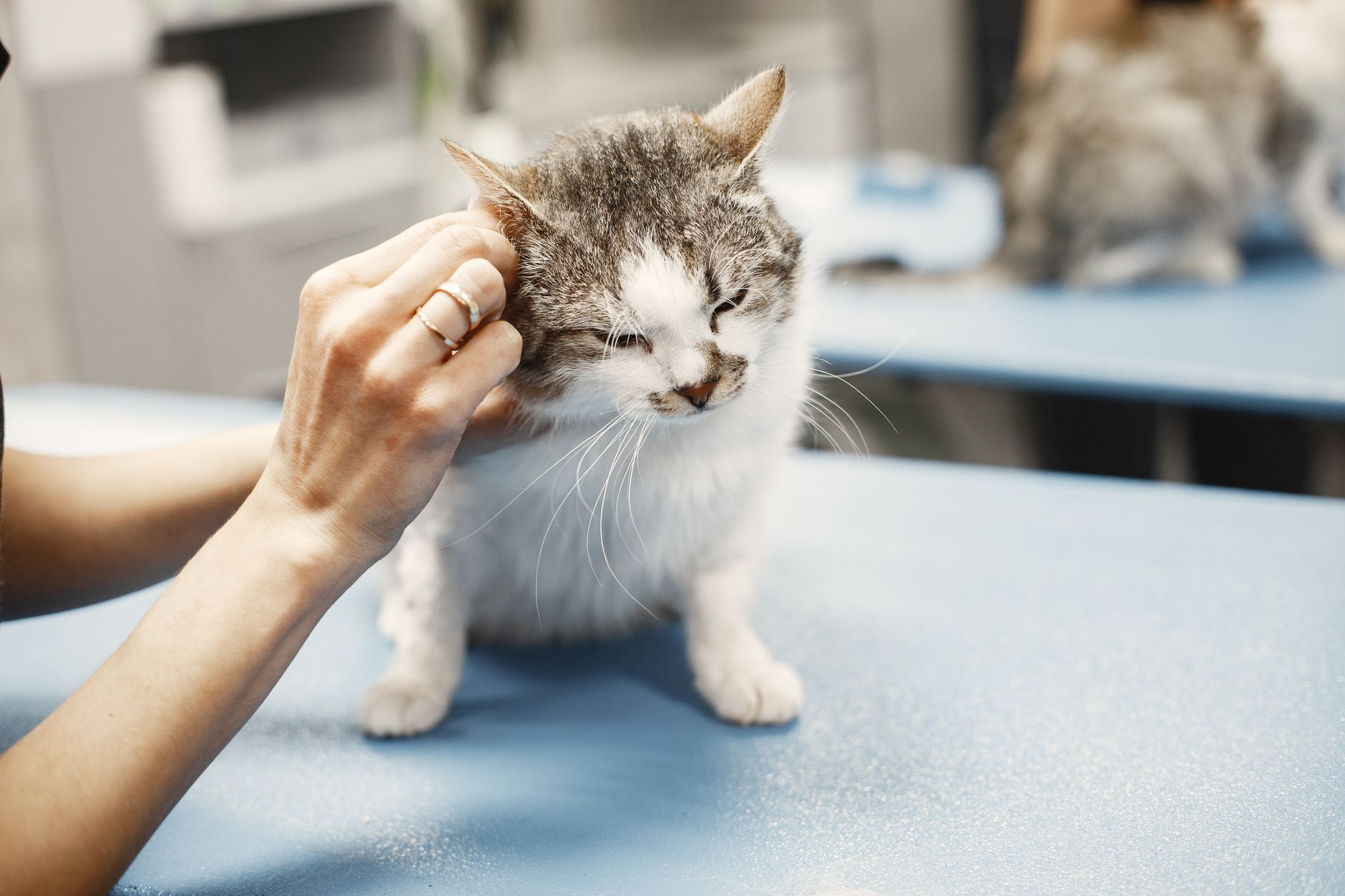
The Ural Rex is a naturally occurring mutation that developed with a very robust genetic base, escaping many of the congenital defects found in highly manufactured breeds. However, because their global gene pool remains relatively small, proactive screening and preventative veterinary care are essential to keep them thriving.
Hypertrophic Cardiomyopathy (HCM)
A genetic condition where the heart muscle becomes abnormally thickened, potentially leading to heart failure or arterial thromboembolism. While not disproportionately high in this breed, it is a primary concern for any pedigree cat and warrants annual screening.
Feline Periodontal Disease
Like many domestic felines, Ural Rex cats can develop plaque and tartar accumulation that leads to painful gingivitis and tooth loss. Professional dental cleanings under anesthesia are often necessary by age three or four.
Follicular Dysplasia and Coat Transition Alopecia
During their developmental years (specifically around 3 to 12 months), the kitten coat sheds out to make way for the adult curls, which can sometimes cause temporary patchiness or symmetrical hair loss. While usually cosmetic, secondary skin infections must be prevented.
Otitis Externa (Ear Infections)
The unique hair structure can sometimes extend slightly into the ear canal, trapping natural sebum and debris, which creates a breeding ground for yeast or bacteria.
How long do Ural Rexs typically live?
With optimal nutrition, regular preventative care, and an indoor-only lifestyle, a Ural Rex can comfortably live between 12 and 15 years, with some reaching up to 17 years under veterinary supervision.
What to Feed a Ural Rex
A balanced diet rich in animal proteins is crucial for maintaining the Ural Rex’s lean muscular frame and supporting their unique, protein-heavy coat production. I closely monitor their body condition score during annual exams, as their calm nature can lead to steady weight gain post-neutering.
Best Diet
I recommend a high-quality, meat-first wet or dry diet tailored to their life stage (kitten, adult, or senior). Wet food is highly beneficial for moisture intake to support renal and urinary tract health.
How to Feed
Feed them measured portions split into two to three scheduled meals daily rather than free-feeding. This prevents overeating, maintains a healthy metabolic rate, and helps prevent obesity.
How Much to Feed
Portion sizes should be calculated based on calorie requirements, typically ranging from 200 to 250 calories per day for an average adult. Always consult your veterinarian to adjust portions based on exact weight, body condition score, and activity level.
Nutritional Tips
Incorporate Omega-3 and Omega-6 fatty acid supplements, which actively support skin barrier function and keep their unique, curly curls soft and resilient. Ensure fresh water is always available, ideally via a pet fountain to encourage drinking.
Ural Rex Grooming Guide
The Ural Rex coat is highly unique; its curls are formed by a specific recessive gene, and the hairs are finer and more fragile than standard coats. Grooming must be incredibly gentle to avoid snapping or pulling out the delicate waves.
Coat Care
Avoid harsh slicker brushes entirely; instead, use a soft-bristled brush or simply wipe them down with a damp chamois cloth once a week to remove dead hairs. Over-grooming can strip the coat of natural oils and ruin the curl pattern.
Skin Care
Their skin can occasionally get greasy, so a mild, cat-safe bath every few months may be beneficial. Always dry them gently with a towel without rubbing too vigorously.
Eye Care
Wipe the corners of the eyes with a damp, warm cotton ball if any tear discharge accumulates, using a fresh pad for each eye.
Ear Care
Check the ears weekly for wax buildup; if dirty, gently clean them using a vet-approved, non-stripping ear cleaner and a cotton round, never inserting cotton swabs into the canal.
Nail & Dental Care
Trim nails every 2 to 3 weeks using feline nail clippers, and introduce daily tooth brushing with veterinary-approved enzymatic toothpaste to combat periodontal disease.
Considerations for Pet Parents
Pros
- Extremely affectionate and loving family companion
- Quiet, melodious voice that is never disruptive
- Very minimal shedding and easy household cleanup
- Highly adaptable to multi-pet and busy environments
- Patient and exceptionally gentle with young children
- Robust natural health with minimal genetic diseases
Cons
- Extremely rare outside of Russia and Eastern Europe
- Delicate coat that is prone to damage from improper grooming
- Can suffer from separation anxiety if left alone for long periods
- Requires diligent dental care to prevent early periodontal disease
Best For
Ideal for families, multi-pet households, or retirees who want a deeply loyal, physically affectionate, and quiet companion who will happily share their couch. They are perfect for owners who appreciate a low-maintenance grooming routine but can offer plenty of daily emotional engagement.
Not Recommended For
Not recommended for busy households where the cat will be left entirely alone for long stretches of the day without human or animal companionship. They are also unsuitable for owners who want an outdoor cat or those unwilling to commit to proactive dental hygiene.
Cost
- purchase price$1,200 – $2,500 USD
- monthly cost$60 – $120 USD
- initial setupExpect to spend $400 to $800 initially on essential items including a high-quality carrier, scratching posts, litter setup, grooming supplies, and initial veterinary screening including a cardiac baseline.
Similar Breeds
Related Cat Guides
Ural Rex FAQs
Why is the Ural Rex’s coat curly?
Their curly coat is caused by a unique, naturally occurring recessive gene that is completely distinct from the genes responsible for the waves in Cornish or Devon Rexes. In my practice, I emphasize that crossing a Ural Rex with another Rex breed will actually produce straight-haired kittens due to this genetic difference.
How does the Ural Rex coat differ from a Devon or Cornish Rex?
The Ural Rex coat is significantly denser, thicker, and more elastic, with very defined, velvety curls that feel incredibly plush. Unlike the Devon Rex, which can have very sparse guard hairs, the Ural Rex maintains a well-covered, protective coat that is much less prone to completely bald patches.
Are Ural Rex cats hypoallergenic?
No cat is truly hypoallergenic, including the Ural Rex. While they shed very little and produce less airborne dander because of their unique coat structure, they still produce the Fel d 1 protein in their saliva and skin glands. I always advise allergy sufferers to spend time around the breed before committing.
Do Ural Rex kittens lose their curls?
Yes, they go through a very dramatic coat transition. Kittens are born with soft waves, which they largely shed out starting around 3 to 4 months of age, often looking quite patchy. The true, tight adult curls do not fully develop and stabilize until they are 1 to 2 years old.
How rare is the Ural Rex cat?
They are exceptionally rare, with the vast majority of the population residing in Russia and parts of Eastern Europe. Finding an ethical breeder in North America or Western Europe is challenging and often involves long waiting lists and importing.
Can Ural Rex cats live with dogs?
Yes, their stable and confident temperament makes them excellent companions for cat-friendly dogs. In my clinical experience, they integrate best when introduced slowly and given high vertical spaces where they can observe the dog safely.
Do Ural Rex cats get cold easily?
Yes, because their fine undercoat lacks the heavy, weather-resistant guard hairs of other breeds, they are more sensitive to drafty or cold environments. I advise owners to keep their home temperature comfortable and provide cozy, covered cat beds or heated mats.
Are they highly active cats?
They have a moderate energy level; they enjoy interactive play sessions but are not hyperactive or destructive. They are perfectly content to spend most of the day lounging on your lap or sunbathing after a brisk 15-minute play session.
Do they have any genetic health problems?
Because they developed from a natural mutation in the Ural region with minimal intensive inbreeding, they are remarkably robust. However, because of their small global gene pool, I always recommend screening for common feline issues like Hypertrophic Cardiomyopathy (HCM).
What colors does the Ural Rex come in?
They come in almost every imaginable color and pattern, including solid, tabby, bi-color, and tortoiseshell. The only exceptions in major breed standards are chocolate, cinnamon, lilac, fawn, and ticked patterns.
How do I clean a Ural Rex’s ears?
I recommend checking their ears weekly. If you notice a buildup of wax, gently apply a few drops of a veterinarian-approved ear cleaner, massage the base of the ear, and wipe away the loose debris with a cotton round—never use cotton swabs deep in the canal.
Can a Ural Rex go outside?
I strongly advise keeping Ural Rex cats strictly indoors. Their delicate coat offers virtually no protection against harsh weather, sunburn, or scratches, and their rare status makes them prime targets for theft.
Why does my Ural Rex’s coat look patchy?
If your cat is under two years old, this is likely a normal part of their developmental coat transition. However, if an adult cat suddenly develops bald patches, it could indicate follicular dysplasia, ringworm, or a flea allergy, and you should schedule a veterinary examination.