
American Wirehair Breed Guide

Quick Summary
The American Wirehair is a quiet, resilient breed famous for its unique, springy ‘steel wool’ coat. Possessing a calm yet playful demeanor inherited from its American Shorthair ancestry, this rare breed is a perfect match for families and individuals seeking a low-maintenance, affectionate, and highly adaptable companion.
Quick Facts
- origin countryUnited States (New York)
- breed groupShorthair
- sizeMedium to Large
- weight range8 to 15 pounds (3.6 to 6.8 kg)
- height range10 to 12 inches (25 to 30 cm)
- lifespan14 to 18 years
- coat typeShort, dense, springy, and coarse (wiry)
- common colorsAll colors and patterns, including tabby, solid, calico, and bi-color
- other namesNone
- recognized byCFA, TICA, CCA
Caring for a American Wirehair
Living with an American Wirehair is incredibly straightforward; they are resilient, low-maintenance cats that adapt beautifully to daily household rhythms. In my experience, they strike a perfect balance between wanting to be near you and being content to entertain themselves with a toy or a sunny windowsill. Unlike many breeds, their unique coat actually benefits from a hands-off grooming approach to avoid damaging the crimped shafts. They are natural hunters who appreciate interactive play, but they are just as happy to curl up next to you while you work.
Is a American Wirehair a good family pet?
Absolutely. I’ve found that their patient, easygoing nature makes them fantastic with children of all ages, provided the kids know how to handle cats respectfully. They are sturdy enough to handle active play and gentle enough to avoid scratching when startled.
Do American Wirehairs shed a lot?
They shed very minimally compared to other shorthair breeds because their coarse, crimped hairs tend to stay anchored in the coat. You won’t find yourself constantly vacuuming up clouds of hair, making them a very tidy household companion.
Is a American Wirehair good for first-time owners?
Yes, they are an excellent choice for beginners due to their stable temperament and low-stress care routine. They don’t demand constant attention or have complex grooming needs, which takes a lot of pressure off a first-time cat parent.
Temperament & Personality
The American Wirehair is the epitome of a balanced cat—never too demanding, but deeply affectionate and loyal. I often tell owners that they possess a quiet intelligence; they observe everything around them with keen interest but rarely react with anxiety. They are highly adaptable to change, making them excellent companions for people with active lifestyles or changing living arrangements. While they love a good cuddle session on their own terms, they maintain a charming streak of independent dignity.
Is a American Wirehair good with other pets?
In my years of working with them, I’ve seen that their relaxed disposition makes them highly compatible with both other cats and cat-friendly dogs. As long as you introduce them slowly and properly, they usually establish a peaceful, co-existing relationship very quickly.
How much attention does a American Wirehair need?
They are moderately social, meaning they enjoy your company and will follow you from room to room, but they won’t pester you for constant attention. If you work a standard 9-to-5 job, they are perfectly content to nap and play independently until you return home.
Training & Behavior
Training an American Wirehair is surprisingly easy because they inherit the keen intelligence of their American Shorthair ancestors. They learn household rules quickly and respond wonderfully to positive reinforcement techniques like clicker training. I have found that they are highly food-motivated, which makes teaching tricks or redirecting scratching behavior a breeze. Keep training sessions short, fun, and intellectually stimulating to keep them engaged.
Training Tips
- Use high-value, low-calorie treats for positive reinforcement
- Keep training sessions under 5 minutes to match their attention span
- Introduce clicker training early for mental stimulation
- Redirect natural scratching instincts with sturdy, vertical scratching posts
- Never use physical punishment, as this will damage their trusting nature
Fun Activities
- Puzzle feeders and treat-dispensing toys
- Interactive feather wand play sessions
- Chasing laser pointers or motorized toys
- Learning basic tricks like ‘sit’ and ‘high-five’
- Bird-watching from a secure window perch
Is a American Wirehair easy to train?
Yes, they are highly trainable due to their smart, cooperative nature and eagerness to please. Many owners successfully train them to walk on a harness, fetch small toys, and come when called with very little effort.
American Wirehair Health Issues
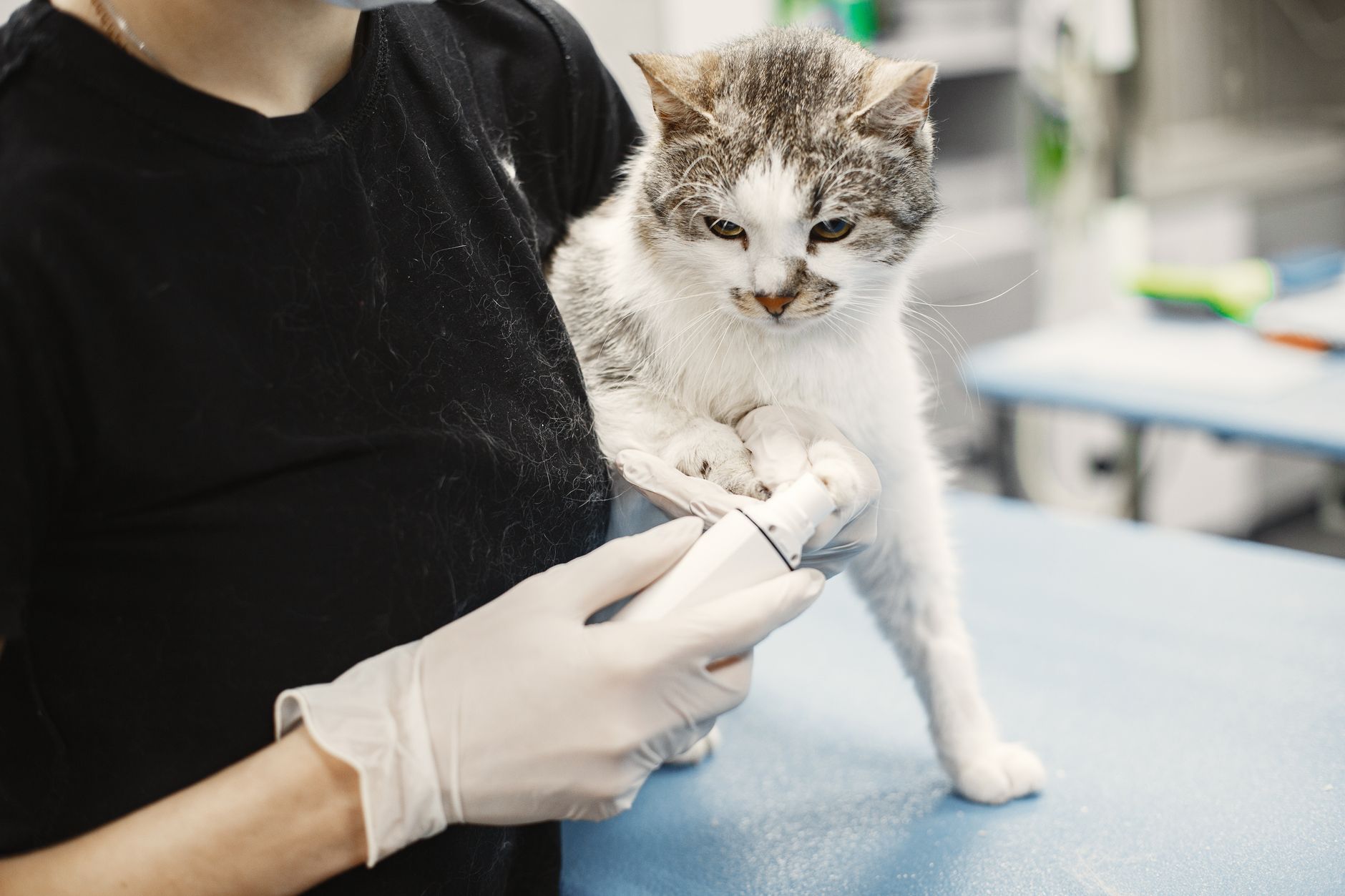
The American Wirehair is a naturally robust and hardy breed, largely due to their diverse genetic pool shared with American Shorthairs. However, like all cats, they can be prone to specific hereditary issues that owners should watch for.
Hypertrophic Cardiomyopathy (HCM)
A hereditary heart condition where the heart muscle thickens, potentially leading to heart failure or blood clots. Regular veterinary echocardiograms are the best way to screen for this silent condition.
Polycystic Kidney Disease (PKD)
An inherited condition where cysts form in the kidneys from birth, gradually growing larger and leading to kidney failure later in life. DNA testing is available and should be requested from reputable breeders.
Skin Sensitivities and Oily Skin
Because of their unique, coarse hair shafts, natural skin oils (sebum) can sometimes accumulate rather than being distributed along the hair, leading to greasy skin or localized dermatitis. Regular bathing is sometimes necessary, unlike with other breeds.
Periodontal Disease
A common dental issue in cats where plaque and tartar buildup lead to gum inflammation, tooth decay, and systemic infections if left untreated. Daily brushing and professional cleanings are key.
Obesity
Due to their somewhat laid-back nature as they mature, they can easily pack on extra weight if their diet is not carefully monitored. This places extra stress on their joints and internal organs.
How long do American Wirehairs typically live?
With proper nutrition, regular vet care, and an indoor lifestyle, American Wirehairs typically live between 14 and 18 years. Some hardy individuals have been known to reach their early 20s, remaining active and alert well into their senior years.
What to Feed a American Wirehair
Feeding your American Wirehair a high-quality, biologically appropriate diet is the foundation of their long-term health. Because they can be prone to obesity as they age, monitoring their caloric intake is absolutely essential.
Best Diet
I highly recommend a diet rich in high-quality animal proteins, with wet food playing a prominent role to ensure adequate hydration. Look for formulas where real meat is the first ingredient, and choose life-stage-specific foods (kitten, adult, or senior) to match their nutritional needs.
How to Feed
Establish a structured feeding schedule of two to three measured meals per day rather than free-feeding dry food. This helps prevent overeating and allows you to monitor their appetite closely, which is often the first indicator of illness.
How Much to Feed
Portion sizes should be calculated based on your cat’s ideal weight, age, and activity level. Generally, an adult Wirehair needs about 200 to 250 calories per day, but you should consult your veterinarian to establish a precise meal plan.
Nutritional Tips
Incorporate omega-3 and omega-6 fatty acids into their diet, as these nutrients are vital for supporting skin health and maintaining the integrity of their unique, wiry coat. Always ensure fresh, filtered water is available, ideally from a cat fountain to encourage drinking.
American Wirehair Grooming Guide
Grooming an American Wirehair is quite different from grooming other breeds; less is definitely more. Their coarse, springy hair can easily be damaged or broken by excessive brushing, so a gentle hand is required.
Coat Care
I always tell owners to avoid standard wire slicker brushes completely. Instead, use a soft-bristled brush or a wide-toothed comb only when necessary, or simply run damp hands over their coat to remove loose hairs during shedding season.
Skin Care
Because their skin oils can accumulate, they may need occasional baths with a mild, hypoallergenic cat shampoo to prevent greasy buildup and skin irritation. Never bathe them too frequently, as this can dry out their skin.
Eye Care
Check their eyes weekly for any discharge, wiping the corners gently with a soft, damp cloth if needed.
Ear Care
Check ears weekly for dirt, wax, or signs of infection; clean them gently using a vet-recommended ear cleaner and a cotton ball, never inserting cotton swabs into the ear canal.
Nail & Dental Care
Trim their nails every two to three weeks to prevent snagging, and brush their teeth at least three times a week with pet-safe toothpaste to combat periodontal disease.
Considerations for Pet Parents
Pros
- Extremely unique, low-maintenance ‘steel wool’ coat
- Highly adaptable to apartment living or large homes
- Excellent, gentle temperament with children and other pets
- Naturally robust and healthy with a long lifespan
- Affectionate without being overly demanding or clingy
- Quiet and rarely vocalizes unnecessarily
Cons
- Very rare breed, making kittens difficult to find and expensive
- Unique coat can be prone to oil buildup and skin issues if ignored
- Brush-free grooming requirements can feel counterintuitive to some owners
- Can become prone to obesity if food intake is not strictly monitored
Best For
The American Wirehair is ideal for families, busy professionals, or seniors who want a loyal, low-maintenance companion. They thrive in households where they are treated as part of the family but allowed the independence they naturally crave.
Not Recommended For
They are not ideal for owners who want a highly vocal, hyper-active lap cat that demands constant physical interaction. They may also not suit those unwilling to manage occasional skin oiliness or those looking for an immediate adoption, given the breed’s rarity.
Cost
- purchase price$800 to $2,000 USD
- monthly cost$50 to $100 USD
- initial setupExpect to spend around $300 to $500 initially on high-quality scratchers, litter boxes, basic veterinary screening, and suitable grooming tools.
Similar Breeds

American Shorthair
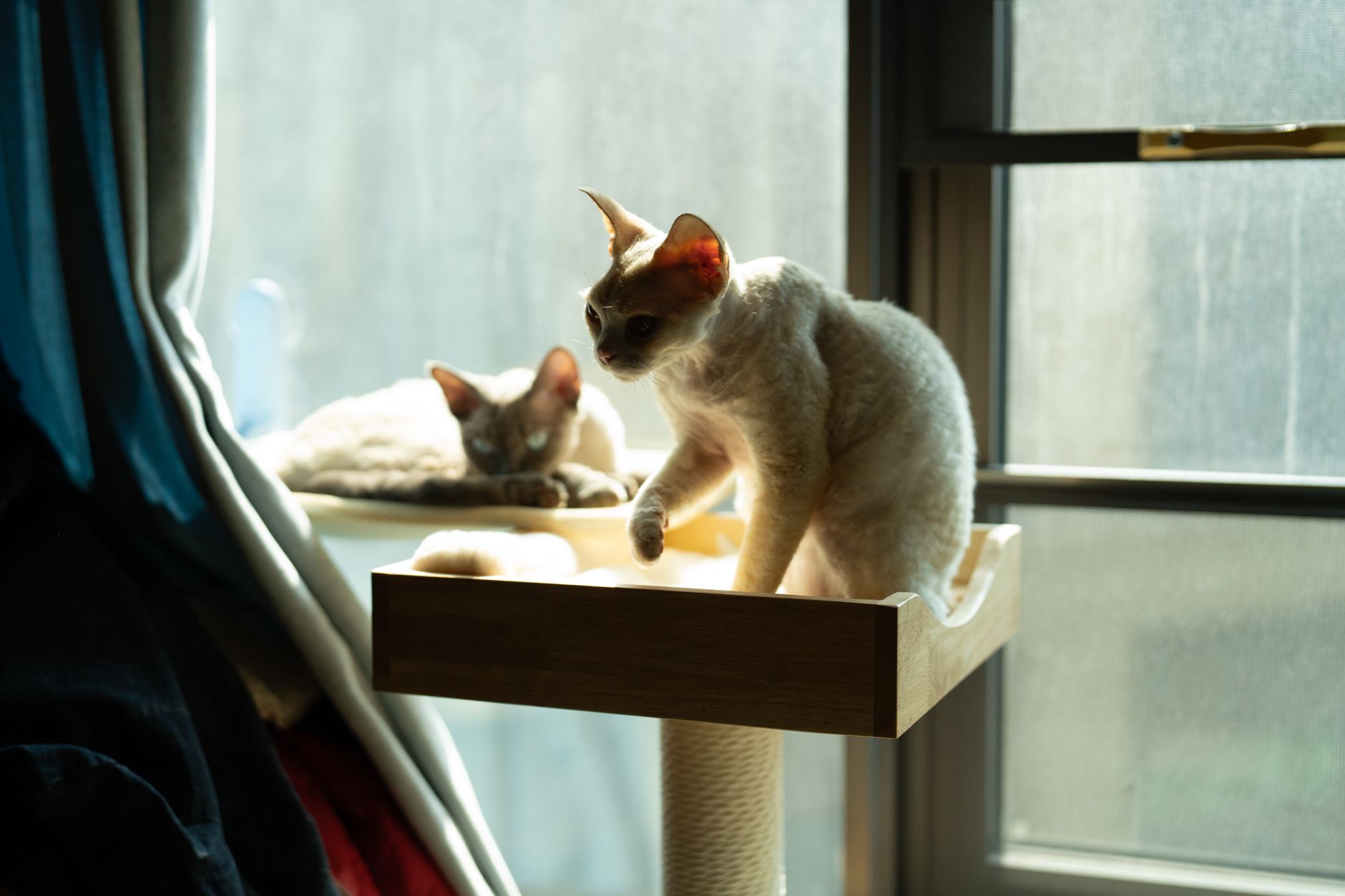
Devon Rex
American Wirehair FAQs
What makes the American Wirehair’s coat feel wiry?
The unique coat texture is caused by a spontaneous genetic mutation that makes the individual hairs crimped, hooked, or bent. This creates a dense, springy, and coarse feel that is often compared to steel wool or a sheep’s fleece.
Are American Wirehair cats hypoallergenic?
No, they are not hypoallergenic. While they shed very little, they still produce the Fel d 1 protein in their saliva, skin, and dander, which is the primary trigger for cat allergies.
How rare is the American Wirehair?
They are considered one of the rarest cat breeds in the world. Even in the United States, there are very few active breeders, making them highly sought after and often requiring a waiting list of several months to a year.
Can you brush an American Wirehair?
You should avoid regular brushing, especially with stiff brushes or fine-toothed metal combs, as this can stretch or break the delicate, crimped hair shafts. Instead, use your fingers, a very soft brush, or a damp cloth to manage loose fur.
Why does my American Wirehair’s coat look greasy?
Their unique hair structure does not distribute natural skin oils down the hair shaft as effectively as straight hair does. This can cause sebum to build up on the skin and at the base of the hair, requiring occasional bathing to keep the skin clean.
Are American Wirehairs vocal cats?
No, they are generally very quiet cats. When they do choose to communicate, they usually do so with a soft, quiet chirp or purr rather than loud, persistent meowing.
Are they good mousers or hunters?
Yes, they have retained the strong hunting instincts of their farm-cat ancestors. They are highly alert, agile, and enjoy stalking toys, insects, or rodents, making them excellent mousers.
How do they differ from the American Shorthair?
While they share almost identical body types and temperaments due to crossbreeding, the primary difference is the coat. The Shorthair has a smooth, straight coat, while the Wirehair has a coarse, springy, crimped coat including curled whiskers.
Should American Wirehairs be kept indoors?
Yes, keeping them exclusively indoors is strongly recommended. Their unique coat offers less protection against the elements, and their rarity makes them targets for theft, in addition to standard outdoor risks like cars and parasites.
Do American Wirehair kittens have curly whiskers?
Yes, most American Wirehair kittens are born with noticeably crimped or curly whiskers. This is actually one of the easiest ways for breeders to identify wirehair kittens in a mixed litter shortly after birth.
Do they like to be held?
They are highly affectionate but value their independence, so while they love sitting next to you or curling up on your lap, they may not enjoy being carried around for long periods. They prefer to interact on their own terms.
How often should I bathe an American Wirehair?
Only bathe them when their skin begins to feel greasy or has a slight odor, which typically occurs every few months. Over-bathing can strip their skin of essential moisture, leading to dryness and irritation.
Are they prone to ear infections?
Because of their unique hair type, the hair inside their ears can also be coarse and trap wax more easily than other breeds. Regular weekly ear checks and gentle cleanings are highly recommended to prevent yeast or bacterial infections.
Is the wirehair trait dominant or recessive?
The wirehair gene is a dominant trait, meaning a kitten only needs to inherit the gene from one parent to display the characteristic wiry coat. This is different from the Devon or Cornish Rex, whose curly coats are recessive traits.