
California Spangled Breed Guide
Quick Summary
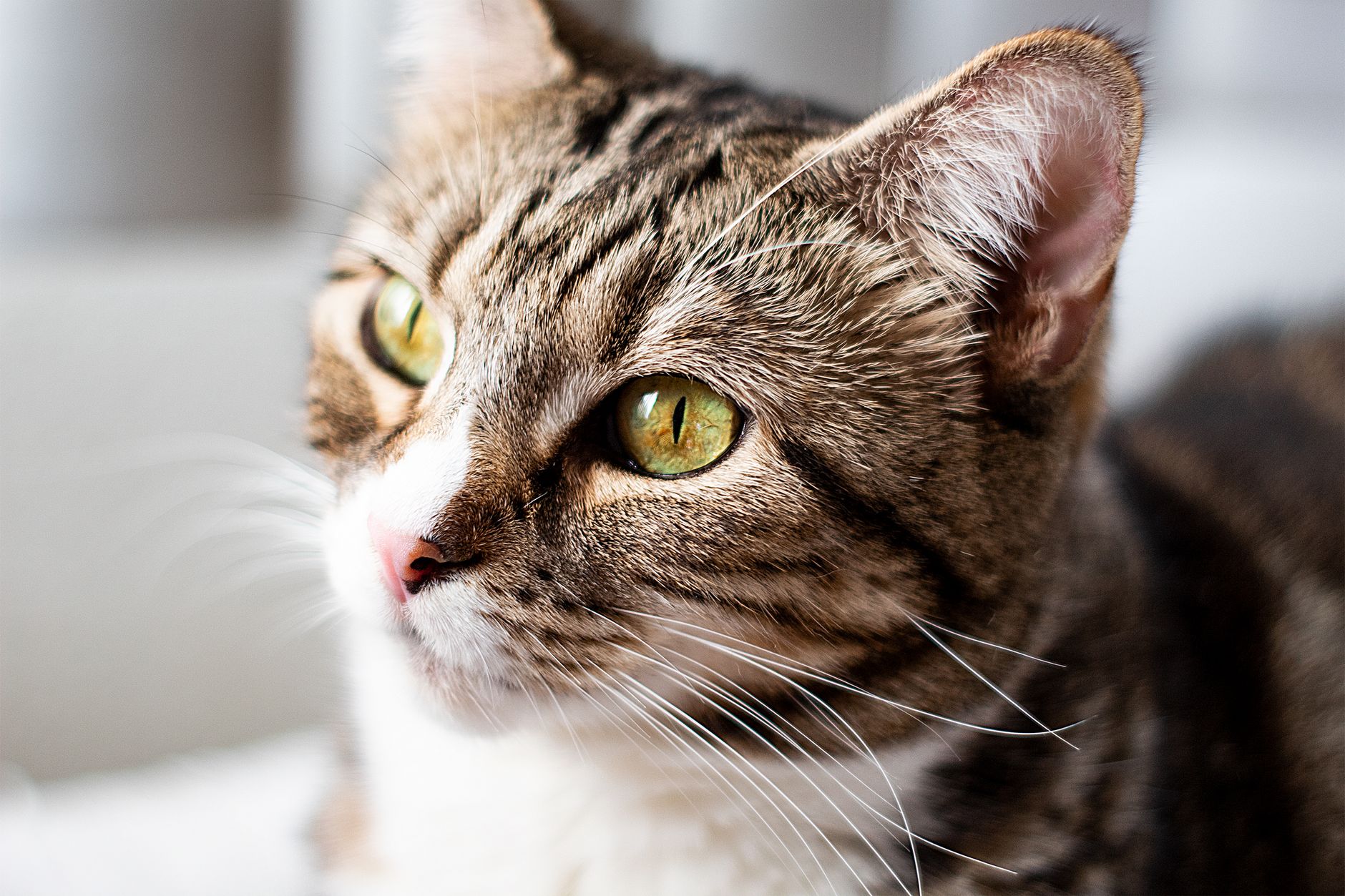
The California Spangled is an exceptionally athletic, spotted domestic cat bred to resemble a miniature leopard, combining a wild look with an affectionate, social temperament. Highly active and incredibly intelligent, they thrive in dynamic households that can accommodate their intense need for vertical space and interactive play.
Quick Facts
- origin countryUnited States
- breed groupSpotted Shorthair
- sizeMedium to Large
- weight range8 to 15 lbs (3.6 to 6.8 kg)
- height range8 to 12 inches (20 to 30 cm)
- lifespan10 to 15 years
- coat typeShort, close-lying, spotted
- common colorsBronze, Silver, Charcoal, Gold, Red, Blue, Brown, Black, White (with dark spots)
- other namesSpangled
- recognized byTICA, ACA
Caring for a California Spangled
Living with a California Spangled is like sharing your home with a tiny, incredibly friendly acrobat. In my years treating active breeds, I’ve found these cats require an abundance of vertical territory—think floor-to-ceiling cat trees and secure wall shelves—to satisfy their natural climbing instincts. They do not do well with boredom, so daily interactive play sessions of at least 30 to 45 minutes are mandatory to prevent destructive behavior. Because they are highly social, they want to be involved in every aspect of your daily routine, often perched on your shoulder as you walk from room to room.
Is a California Spangled a good family pet?
Absolutely, they are highly social and thrive on the energy of a bustling household. In my experience, they bond beautifully with children who understand how to handle cats respectfully, happily participating in active games of fetch.
Do California Spangleds shed a lot?
They are low-to-moderate shedders thanks to their short, sleek, single coat. Weekly brushing with a rubber curry brush is usually more than enough to capture loose hairs and keep their wild-looking spots gleaming.
Is a California Spangled good for first-time owners?
I generally recommend them for experienced owners because their high energy and intelligence can be overwhelming for novices. If a beginner is fully committed to providing intense mental and physical stimulation daily, it can work, but they are not ‘low-maintenance’ couch potatoes.
Temperament & Personality
The California Spangled possesses an incredibly affectionate, outgoing, and active personality that belies its wild, exotic appearance. They are deeply bonded to their human families, often acting more like dogs in their desire to greet you at the door and follow you around. From a clinical perspective, they are highly responsive to environmental stimuli, requiring constant mental engagement to keep their active minds satisfied.
Is a California Spangled good with other pets?
Yes, they generally do very well with other cat-friendly dogs and energetic feline companions. However, due to their exceptionally high prey drive, I strongly advise keeping them away from small pocket pets like rodents or birds.
How much attention does a California Spangled need?
They are high-demand cats that require significant daily attention and do not tolerate long periods of isolation. If left alone for standard workdays without a companion or enrichment toys, they can easily develop separation anxiety or behavioral issues.
Training & Behavior
Training a California Spangled is highly rewarding because of their keen intelligence and eagerness to engage. In my practice, I recommend clicker training early on, as they can easily master commands like ‘sit,’ ‘stay,’ and even learning to fetch small toys. They respond exceptionally well to positive reinforcement and can easily be trained to walk on a harness for outdoor adventures.
Training Tips
- Use high-value, meat-based treats for clicker training.
- Keep training sessions short, under 5 minutes, to match their fast-moving minds.
- Introduce leash and harness training in a quiet, indoor environment first.
- Provide immediate positive reinforcement to reward cooperative behaviors.
Fun Activities
- Agility course training
- Interactive wand toy sessions
- Playing fetch with crinkle balls
- Leash-walked outdoor exploration
- Food puzzle solving
Is a California Spangled easy to train?
Yes, they are remarkably easy to train compared to many other breeds because of their high intelligence and food motivation. They quickly grasp concepts like target training and puzzle toys, which helps burn off excess mental energy.
California Spangled Health Issues
Because the California Spangled was developed from a broad, genetically diverse foundation of domestic and pedigree breeds, they are a remarkably robust and healthy cat. However, like all cats, they are susceptible to common feline conditions, and proactive veterinary care is essential to catch issues early.
Hypertrophic Cardiomyopathy (HCM)
An inherited heart condition characterized by the thickening of the left ventricular wall, which can lead to heart failure or arterial thromboembolism. Because there is no breed-specific genetic test for this rare cat, routine echocardiograms are the gold standard for breeding cats and early detection.
Patellar Luxation
A condition where the kneecap (patella) slips out of its normal anatomical groove, common in highly active jumping breeds. While often mild, severe cases can cause chronic lameness and require surgical correction to prevent early-onset osteoarthritis.
Periodontal Disease
Like many domestic cats, they can develop tartar buildup leading to gingivitis and bone loss around the teeth. In my practice, I emphasize that untreated oral infections can seed bacteria into the bloodstream, impacting kidney and heart function.
Obesity
Despite their high energy levels, indoor cats that do not receive enough active play can easily gain excess weight. Obesity dramatically increases their risk of feline diabetes, hepatic lipidosis, and joint stress.
How long do California Spangleds typically live?
With proper nutrition, indoor-only living, and regular veterinary checkups, they can live a long life of 10 to 15 years. I have even seen some well-cared-for individuals push past their 16th birthday.
What to Feed a California Spangled
To fuel their high-energy lifestyle, California Spangleds require a premium, nutrient-dense diet rich in animal proteins. I strongly recommend a diet that prioritizes high-quality wet food to support hydration and urinary tract health.
Best Diet
A meat-first, high-protein, low-carbohydrate diet is ideal for this athletic breed. For kittens, look for formulas rich in DHA to support brain development, transitioning to an active adult formula around 12 months of age.
How to Feed
I advise against free-feeding dry kibble, which easily leads to overeating. Instead, divide their daily caloric intake into 2 to 3 measured meals, preferably served inside food puzzle toys to provide mental stimulation.
How Much to Feed
Portion sizes should be calculated based on your cat’s exact weight, body condition score, and activity level. As a general starting point, an active 10-pound cat needs roughly 250-280 calories per day, but always consult your vet to tailor this.
Nutritional Tips
Incorporate omega-3 fatty acid supplements, such as wild salmon oil, to support their skin health and keep their spotted coat exceptionally glossy. Always ensure fresh, filtered water is available, ideally via a pet fountain to encourage drinking.
California Spangled Grooming Guide
The California Spangled is a very low-maintenance breed when it comes to grooming. Their short, sleek coat does not mat, meaning a quick routine is all that is required to keep them looking pristine.
Coat Care
Brush their coat once a week with a soft-bristle brush or a rubber grooming mitt to remove loose hair. This routine also distributes natural skin oils, maintaining their signature glossy, wild-leopard sheen.
Skin Care
Their skin is generally healthy, but I recommend checking for any unusual bumps or flea dirt during your weekly brushing sessions. Regular bathing is rarely necessary unless they get into something sticky.
Nail & Dental Care
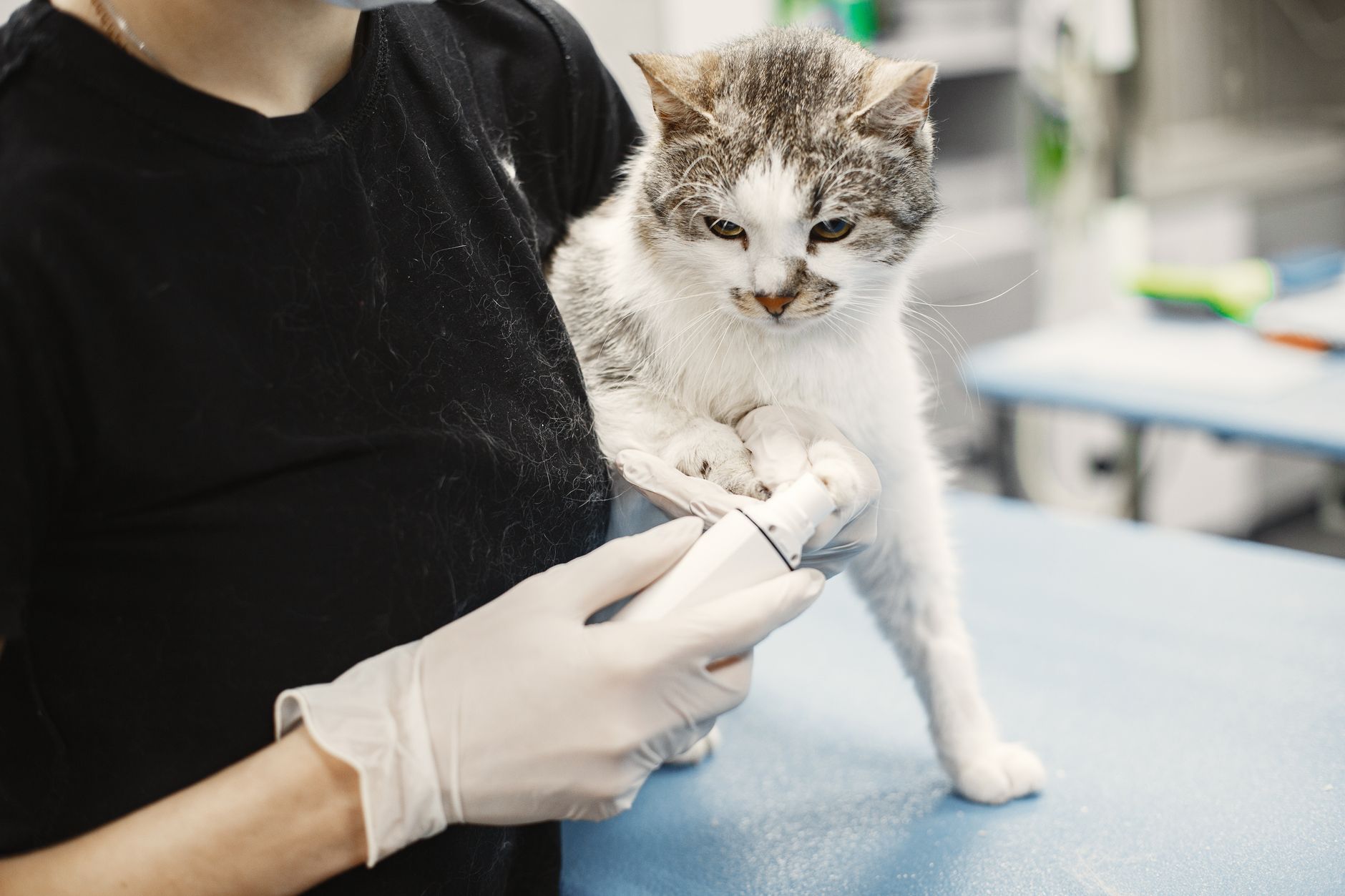
Trim their nails every 2 to 3 weeks to prevent snagging on carpets or scratching. Crucially, brush their teeth at least three times a week with veterinary-approved enzyme toothpaste to prevent periodontal disease.
Considerations for Pet Parents
Pros
- Striking, beautiful wild look without exotic wild blood
- Highly intelligent and very trainable
- Extremely affectionate and deeply bonded to family
- Generally healthy with low genetic disease risks
- Low-maintenance, easy-to-groom coat
- Excellent companion for active, busy households
Cons
- Extremely rare and very difficult to source responsibly
- Requires high levels of daily physical and mental stimulation
- Prone to separation anxiety if left alone too long
- Strong prey drive makes them unsuitable for homes with small pocket pets
- Can be vocal and demanding when seeking attention
Best For
An active, dedicated owner or family who wants an energetic, highly interactive companion and has the time to commit to daily play, leash walks, and environmental enrichment.
Not Recommended For
Busy professionals who are out of the house for long hours, or individuals looking for a quiet, low-energy lap cat that requires minimal daily interaction.
Cost
- purchase price$800 to $2,500 (though finding an active breeder is exceptionally rare today)
- monthly cost$100 to $180 (covering high-quality food, litter, enrichment, and preventative care)
- initial setupExpect to invest $500 to $800 initially on high-quality vertical trees, sturdy scratching posts, puzzle toys, and safety harnesses.
Similar Breeds
California Spangled FAQs
Are California Spangled cats hypoallergenic?
No, they are not hypoallergenic. They produce the Fel d 1 protein in their saliva and dander just like other cats, though their low-shedding coat may cause fewer symptoms in some mild allergy sufferers.
Why are California Spangled cats so rare?
After their initial popularity explosion in the late 1980s, the emergence of the Bengal cat (which featured actual wild ancestry) overshadowed the breed, causing many breeders to cease their programs.
Is the California Spangled part wild cat?
No, despite their wild, leopard-like appearance, they have absolutely no wild cat DNA. They were bred entirely from domestic breeds including the Abyssinian, Siamese, and American Shorthair.
Do they like water?
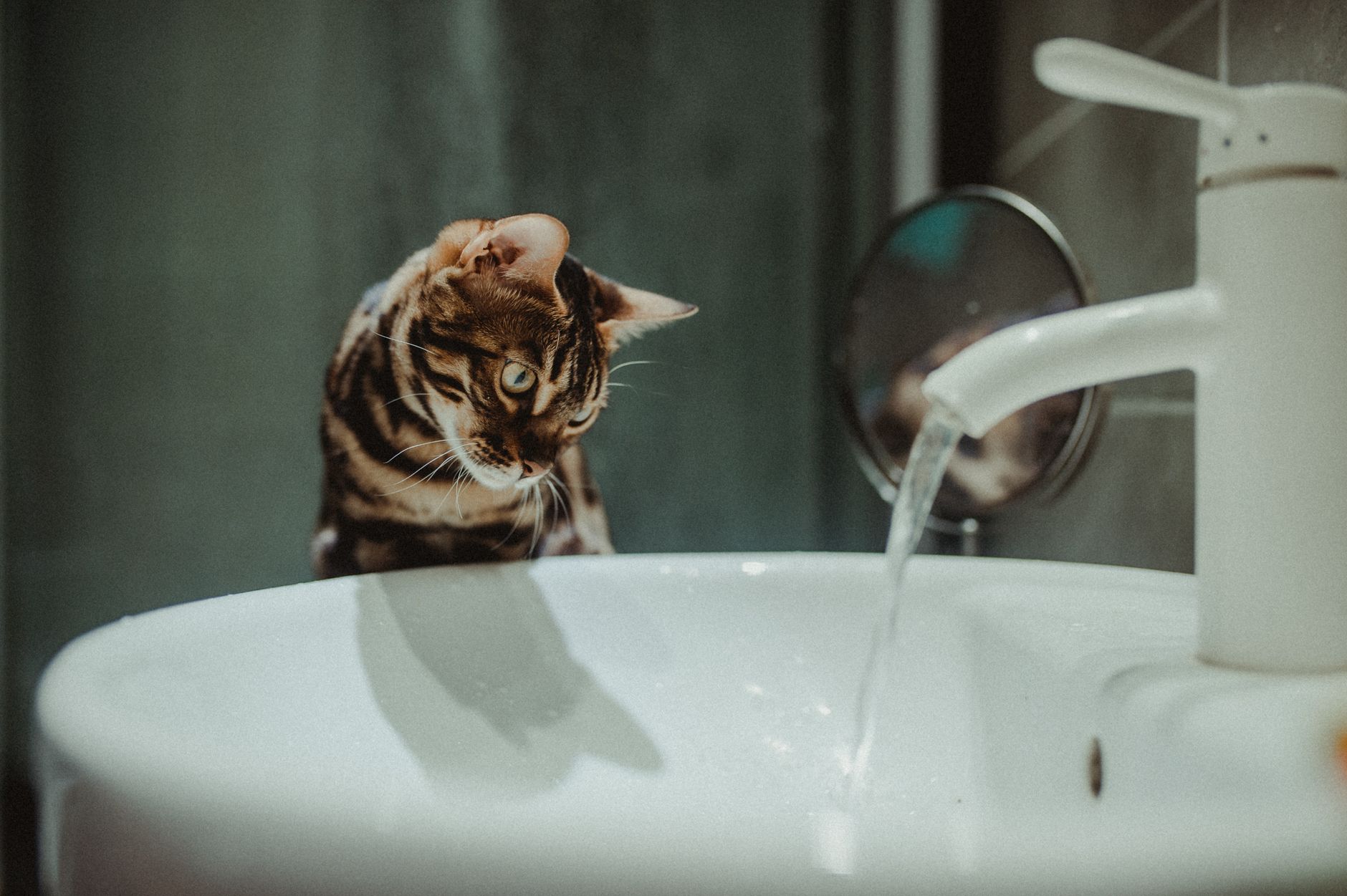
Many California Spangled cats show a fascination with water, often playing with dripping faucets or dipping their paws in their water bowls, a trait likely inherited from their Asian Leopard Cat-mimicking selection.
How high can a California Spangled cat jump?
With their long, powerful hind legs, they can easily clear jumps of six feet or more. It is very common to find them perched on top of refrigerators or high cabinets.
Are they vocal cats?
They are moderately vocal; while not as constantly chatty as their Siamese ancestors, they will certainly chirp, trill, and meow to communicate when they want food, play, or attention.
How do I find a reputable breeder?
Finding a breeder today is incredibly difficult due to the breed’s near-extinction. If you do find one, ensure they register with TICA, provide certified health clearances for HCM, and let you view the kitten’s home environment.
Are they prone to chewing things?
Because of their high intelligence and curiosity, bored California Spangleds may chew on cords or household items. I recommend cat-proofing your home and providing plenty of safe chew toys.
Can they live in an apartment?
Yes, they can thrive in an apartment, but only if you maximize vertical space with cat trees and shelves, and dedicate significant time to interactive play and daily exercise.
What is the difference between a California Spangled and a Bengal?
Bengals have actual wild Asian Leopard Cat ancestry and a more ‘glittered’ pelt with rosette spots, whereas California Spangleds are 100% domestic and feature distinct blocky or round spots.
Should I keep my California Spangled indoors?
Yes, I strongly recommend keeping them strictly indoors. Their striking appearance makes them targets for theft, and their high prey drive can devastate local wildlife if allowed to roam.
How do they handle car travel?
If acclimated to a carrier and car rides from a young age, they tend to handle travel well. Their curious nature means they often enjoy looking out the window during trips.
Do they get along with dogs?
Yes, they often get along wonderfully with friendly, cat-tolerant dogs. Their active, playful nature makes them great playmates for energetic canines.