
Border Terrier Breed Guide

Quick Summary
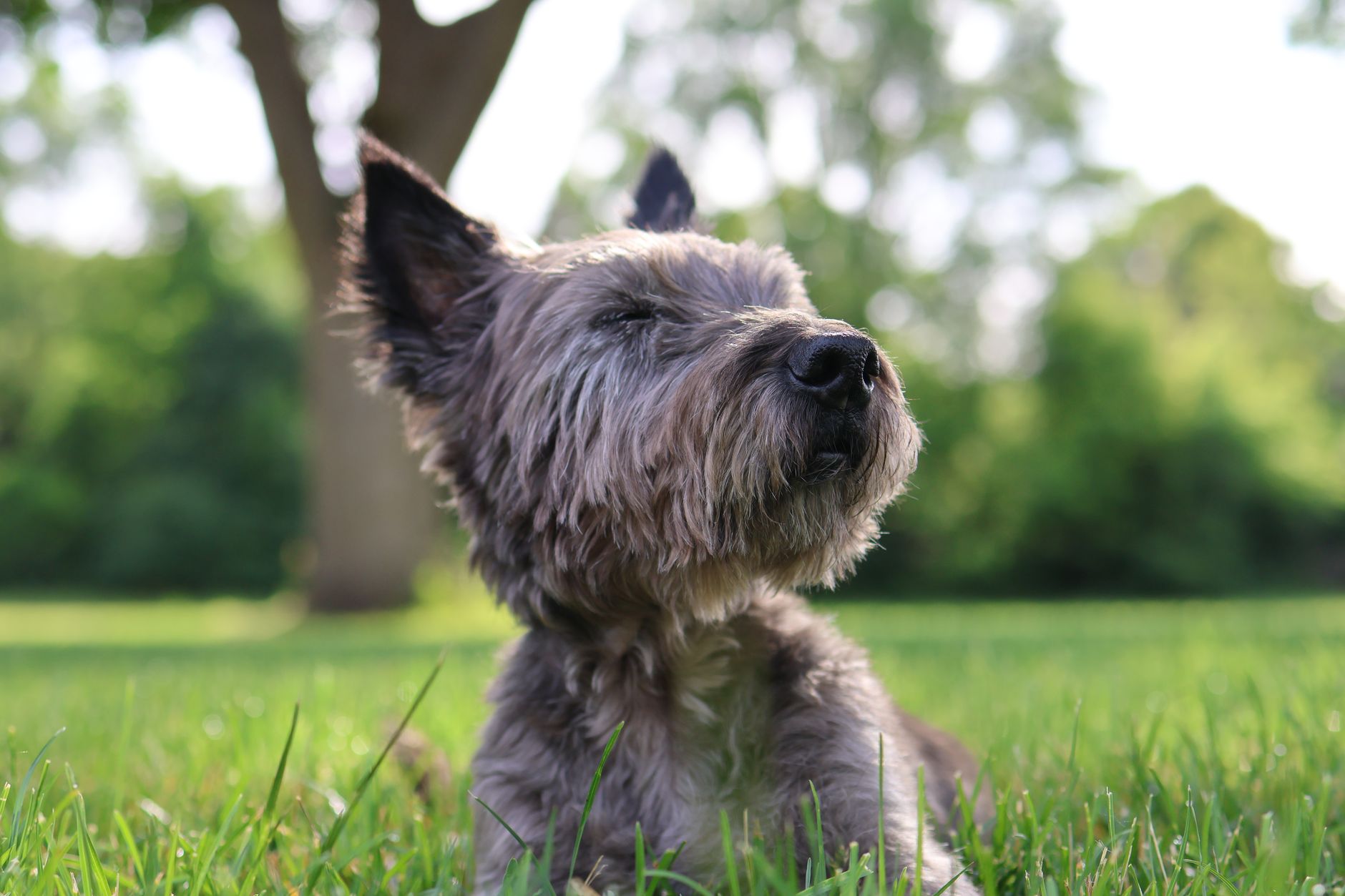
The Border Terrier is a rugged, highly adaptable, and affectionate working terrier distinguished by its unique ‘otter’ head and boundless spirit. In my clinical practice, I find they are best suited for active families and outdoor enthusiasts who can channel their high intelligence, strong prey drive, and physical stamina into positive, structured outlets.
Quick Facts
- origin countryUnited Kingdom (specifically the border country between Scotland and England)
- breed groupTerrier
- sizeSmall
- weight range11.5 to 15.5 lbs (5.2 to 7 kg)
- height range12 to 15 inches at the shoulder
- lifespan12 to 15 years
- coat typeDense, wiry double coat with a close, harsh outer coat and a short, dense undercoat
- common colorsRed, grizzle and tan, blue and tan, or wheaten
- other namesCoquetdale Terrier, Redesdale Terrier
- recognized byAKC, UKC, KC, FCI
Caring for a Border Terrier
Living with a Border Terrier means embracing a high-energy partner who thrives on daily mental and physical stimulation. In my years treating this breed, I have seen that they do best in homes where they are treated as full-fledged family members rather than backyard ornaments. They require at least an hour of vigorous exercise daily, coupled with secure fencing, as their natural drive to dig and chase is incredibly strong. Inside the home, they are remarkably affectionate and love nothing more than curl up on the sofa next to their favorite human after a long, active day.
Is a Border Terrier a good family pet?
Absolutely. In my practice, I frequently recommend Border Terriers to active families because they are typically more tolerant, affectionate, and less fragile than many other toy or small breeds. They thrive in environments with children, provided the children are taught to respect the dog’s boundaries and handle them gently.
Do Border Terriers shed a lot?
They are relatively low-shedding dogs, but they do shed seasonally. To manage this and keep their weather-resistant coat healthy, they require regular brushing and hand-stripping twice a year. If you clip their coat instead of stripping it, the color and texture will soften, and they may shed slightly more fine hair.
Is a Border Terrier good for first-time owners?
Yes, with a caveat. While they are more eager to please and less stubborn than the typical ‘fiery’ terrier, they still possess a strong independent streak and high energy. A first-time owner can absolutely succeed with a Border Terrier if they commit to consistent, positive-reinforcement training and meet the dog’s exercise needs.
Temperament & Personality
The Border Terrier possesses a wonderfully balanced temperament, combining the typical gritty determination of a working terrier with a remarkably affectionate and social nature. Unlike some of their more aloof terrier cousins, Borders generally love human companionship and seek close contact with their families. They are alert and make excellent watchdogs, yet they lack the intense sharp-tempered nature historically associated with other working terriers. They are, however, still working dogs at heart with an intense drive to explore, dig, and chase small game.
Is a Border Terrier good with other pets?
They generally cohabitate well with other dogs, but their extremely high prey drive makes them a high-risk companion for small pets like cats, rabbits, or hamsters. I always caution owners that even a well-trained Border Terrier should never be left unsupervised with small prey animals, as their hunting instinct can trigger in an instant.
How much attention does a Border Terrier need?
They are highly social dogs that form deep bonds with their families and do not tolerate isolation well. If left alone for long periods without stimulation, they are highly prone to developing separation anxiety, destructive digging behaviors, or excessive barking.
Training & Behavior
Border Terriers are highly intelligent and capable of learning complex tasks, but they retain the independent, problem-solving mindset of a dog bred to work miles away from its handler. I always tell owners that success comes from keeping training sessions short, dynamic, and heavily rewarded with high-value treats and play. Standard, repetitive obedience drills will quickly bore them, leading to stubborn resistance or creative avoidance tactics.
Training Tips
- Use positive reinforcement exclusively, as they are surprisingly sensitive to harsh corrections.
- Begin recall training on day one, though accept that their high prey drive means they should rarely be off-leash in unsecured areas.
- Incorporate puzzle toys and scent-work games to satisfy their active, working minds.
- Socialize them early to a wide variety of people, sounds, and other dogs to curb any natural terrier reactivity.
Fun Activities
- Earthdog trials (testing their natural tunneling and quarry-tracking instincts)
- Agility training
- Scent work and tracking games
- Barn hunt competitions
- Hiking on a secure, long-line harness
Is a Border Terrier easy to train?
They are highly trainable compared to other terrier breeds because of their inherent desire to cooperate with humans. However, they are not push-button dogs; you must win their respect and keep training engaging, as they will easily default to their own decision-making if they find a task boring.
Border Terrier Health Issues

As a veterinarian, I consider the Border Terrier to be one of the most robust, structurally sound small breeds in my care. However, like all purebreds, they are genetically predisposed to several specific conditions that prospective owners must be aware of to ensure a long, healthy life.
Canine Epileptoid Cramping Syndrome (CECS / Spike’s Disease)
A paroxysmal dyskinesia unique to Border Terriers, often linked to gluten sensitivity, causing involuntary muscle cramping, tremors, and motor dysfunction while the dog remains fully conscious.
Patellar Luxation
An orthopedic condition where the kneecap temporarily slips out of its anatomical groove, which can lead to progressive joint wear and secondary osteoarthritis over time.
Hip Dysplasia
A developmental malformation of the hip joints that leads to joint laxity, cartilage erosion, and painful secondary arthritis.
Juvenile Cataracts and Progressive Retinal Atrophy (PRA)
Inherited ocular disorders that can cause premature clouding of the lens or progressive degeneration of the retina, potentially leading to partial or complete blindness.
Atopic Dermatitis (Allergies)
An overactive immune response to environmental allergens (like pollen, dust mites, or mold) or food ingredients, causing chronic skin inflammation and discomfort.
Periodontal Disease
An accumulation of plaque and tartar that leads to gingivitis, bone loss around the tooth roots, and systemic infection if left untreated.
How long do Border Terriers typically live?
With proper nutrition, regular veterinary care, and adequate physical exercise, Border Terriers routinely live between 12 and 15 years. It is not uncommon in my clinical practice to see well-cared-for individuals reaching 16 or even 17 years of age.
What to Feed a Border Terrier
Proper nutrition is vital for maintaining the lean, athletic muscle mass of a Border Terrier. What I see most often in practice is a tendency for owners to overfeed this breed, as their expressive faces are highly skilled at begging for table scraps.
Best Diet
A high-quality, nutritionally balanced dry kibble formulated for small, active breeds is ideal. Because of their genetic predisposition to Canine Epileptoid Cramping Syndrome (CECS), some veterinarians, including myself, may recommend a strictly gluten-free diet for individuals showing early neurological or gastrointestinal signs.
How to Feed
I strongly advise feeding adult Border Terriers two measured meals per day rather than ‘free-feeding’ them. Using puzzle feeders, slow-feed bowls, or scatter-feeding in the grass is an excellent way to slow down fast eaters and provide valuable mental stimulation during mealtime.
How Much to Feed
Generally, an active adult Border Terrier requires between 1/2 to 1 cup of high-quality dry food per day, split into two meals. However, metabolic rates vary widely, so you should always consult your veterinarian to establish a precise portion size based on your dog’s current body condition score.
Nutritional Tips
Keep treats to less than 10% of their total daily caloric intake, and avoid fatty table scraps which can trigger acute pancreatitis. If your dog is prone to joint stiffness, incorporating omega-3 fatty acid supplements (such as high-quality wild-caught fish oil) can support joint and skin health.
Border Terrier Grooming Guide
The Border Terrier’s harsh, wiry double coat is designed to protect them from the elements and thick brush. While they do not require complex, high-maintenance styling, their coat needs specialized care to maintain its protective texture and rich color.
Coat Care
To keep their coat weather-resistant, it must be hand-stripped (dead hair pulled out by hand) twice a year, typically in the spring and autumn. If you choose to clip the coat with electric clippers instead, the texture will permanently become soft and fade in color, and the undercoat will lose its dirt-repellent properties.
Skin Care
Baths should be kept to a minimum—only when they are visibly dirty or smelly—as over-bathing strips the natural, protective oils from their wire coat. If they suffer from atopic dermatitis, your vet may prescribe a specialized, soap-free antiseptic shampoo.
Eye Care
Eyes should be checked weekly for any redness, discharge, or cloudiness. Use a damp, soft cloth to gently wipe away any tearing or debris from the corners of the eyes.
Ear Care
Because their ears fold over, they can trap moisture and debris, creating a breeding ground for yeast and bacteria. Check their ears weekly, smelling for any sweet or foul odor, and clean them with a veterinarian-approved ear drying solution if they enjoy swimming.
Nail & Dental Care
Trim their nails every 3 to 4 weeks, as long nails can alter their foot structure and cause joint pain. Daily toothbrushing with dog-safe enzymatic toothpaste is the gold standard to prevent the rapid accumulation of tartar common in small breeds.
Considerations for Pet Parents
Pros
- Extremely affectionate, loyal, and family-oriented companion.
- More agreeable and less argumentative with other dogs than typical terriers.
- Robust, athletic, and highly resilient health profile.
- Adaptable size that is comfortable in both rural and secure suburban environments.
- Very low-shedding if the coat is properly hand-stripped.
- Alert and excellent watchdogs without being overly aggressive.
Cons
- Extremely high prey drive, making them unsafe around small pocket pets or loose cats.
- Profound instinct to dig, which can destroy lawns or lead to escape under fences.
- Prone to barking if left alone for long periods without mental stimulation.
- Require secure, escape-proof fencing, as they are notorious escape artists.
- Can be stubborn or easily distracted during repetitive training sessions.
Best For
The ideal owner for a Border Terrier is an active individual or family who enjoys outdoor activities like hiking and running, and has the time to dedicate to daily mental stimulation. They are perfect for owners who want a big dog personality in a small, durable, and highly affectionate package.
Not Recommended For
This breed is not recommended for sedentary owners, those who work long hours away from home, or households with small, free-roaming pocket pets. They are also not a good fit for manicured lawn enthusiasts, as their digging instinct is a deeply ingrained genetic trait.
Cost
- purchase price$1,500 to $2,500 from a reputable, health-testing breeder
- monthly cost$100 to $180 (covering high-quality food, preventative flea/tick/heartworm medications, grooming supplies, and routine vet care)
- initial setupExpect to spend between $600 and $1,200 initially on high-quality veterinary baseline exams, microchipping, vaccinations, spay/neuter surgery, a heavy-duty crate, secure harness, and escape-proof yard fencing.
Similar Breeds

Border Terrier FAQs
Do Border Terriers bark a lot?
Generally, Border Terriers are less vocal than many other terrier breeds. They will certainly bark to alert you of a stranger at the door or a squirrel in the yard, but chronic, compulsive barking is usually a sign of boredom, frustration, or separation anxiety.
Can a Border Terrier live with a cat?
Yes, but with significant caution. Success is most likely if the Border Terrier is raised with the cat from puppyhood under strict supervision. However, the dog’s natural prey drive is incredibly strong, and outdoor cats or fast-running indoor cats can easily trigger an instinctive chase-and-capture response.
Are Border Terriers prone to obesity?
Yes. In my practice, I see many overweight Border Terriers because they are food-motivated and highly skilled at begging. Because of their compact frame, carrying even one or two extra pounds places significant stress on their hips, knees, and cardiovascular system.
What is ‘Spike’s Disease’ in Border Terriers?
Spike’s Disease is the colloquial name for Canine Epileptoid Cramping Syndrome (CECS). It is a neurological disorder causing episodes of involuntary muscle spasms, staggering, and trembling. Many affected dogs show dramatic improvement or complete resolution of symptoms when switched to a strict, veterinary-supervised gluten-free diet.
Do they tolerate cold or hot weather better?
Thanks to their dense, protective double coat, Border Terriers tolerate cold and wet weather exceptionally well. However, they are sensitive to extreme heat due to their compact size and dark muzzle, so they should be kept indoors with air conditioning during hot summer days.
How much exercise does a Border Terrier need daily?
An adult Border Terrier requires at least 45 to 60 minutes of vigorous daily exercise. This should include brisk walks, jogging, off-leash play in a securely fenced yard, or participation in dog sports like agility to keep them physically and mentally satisfied.
Are Border Terriers escape artists?
Yes, absolutely. They are incredibly clever, agile, and possess a strong urge to dig under or climb over obstacles to pursue prey. Any yard housing a Border Terrier must have secure fencing that is sunk at least 12 inches into the ground or lined with concrete to prevent digging out.
Do Border Terriers chew a lot?
Like most active breeds, they will chew destructively if they are teething, bored, or anxious. Providing a constant supply of safe, durable rubber chew toys and puzzle feeders is essential to protect your furniture and shoes.
Are they suitable for apartment living?
Yes, they can adapt well to apartments provided their physical exercise and mental stimulation needs are met. Because they are relatively quiet for terriers, they make polite neighbors, but they must be walked multiple times a day to make up for the lack of a private yard.
Why is hand-stripping preferred over clipping their coat?
Hand-stripping removes the dead outer hair from the root, allowing a new, harsh, weather-resistant wire coat to grow back. Clipping merely cuts the hair shaft, which alters the coat’s natural texture, making it soft, faded, and much more susceptible to absorbing water, mud, and environmental allergens.
Are they prone to ear infections?
Because of their dropped ear shape, air circulation is limited inside the canal, which can trap moisture and dirt. I recommend checking their ears weekly and cleaning them with a veterinary drying solution, especially after they have been swimming or bathed.
How do they handle being left alone?
They can tolerate moderate periods of being alone if they have been well-exercised beforehand. However, they are highly social dogs; if they are regularly left alone for 8 to 10 hours a day, they are likely to develop severe distress behaviors, including destructive chewing and house soiling.
At what age do Border Terriers stop growing?
Most Border Terriers will reach their full adult height and skeletal frame size by 10 to 12 months of age. However, they will continue to ‘fill out’ and develop their mature muscle mass until they are about 18 months old.
Are they prone to skin allergies?
Yes, in my clinical experience, Border Terriers have a higher incidence of atopic dermatitis (environmental allergies) and food sensitivities than many other small breeds. This often manifests as chronic foot-licking, face-rubbing, and recurrent ear infections.
Are Border Terriers aggressive?
Generally, no. They were bred to work in packs alongside foxhounds, so they are naturally more social and less prone to dog-on-dog aggression than many other terriers. However, like any breed, they can develop fear-based reactivity if they are not thoroughly socialized during puppyhood.