
American Polydactyl Breed Guide

Quick Summary
In my years treating this breed, I have found American Polydactyls to be exceptionally clever, adaptable cats with a charming historical legacy of extra toes. They make remarkably engaging companions for owners who appreciate an interactive feline with a knack for manual dexterity. Best suited for families and individuals who can provide both mental stimulation and meticulous nail care for those extra digits.
Quick Facts
- origin countryUnited States
- breed groupNatural Breed / Mutation
- sizeMedium to Large
- weight range8-15 pounds
- height range10-12 inches
- lifespan12-15 years
- coat typeShort or Longhaired varieties
- common colorsAll colors and patterns
- other namesHemingway cats, mitten cats, double-paws
- recognized byTICA (as a trait/domestic cat), historic acceptance
Caring for a American Polydactyl
What I see most often in practice is that caring for a Polydactyl requires just a bit more attention to pedicures than your average feline. Because of their extra toes, dewclaws and additional nails can sometimes fail to wear down naturally or can grow inward, requiring regular clipping. Daily life with these cats is delightfully interactive, as they frequently use their extra digits to open doors, bat at toys, and investigate their environment. I always tell owners to embrace their high curiosity by providing plenty of puzzle toys and vertical spaces.
Is a American Polydactyl a good family pet?
In my clinical experience, American Polydactyls are exceptionally good with children due to their generally laid-back and tolerant nature. They love being involved in household activities and often seek out human companionship. Always supervise initial interactions between pets and young children to ensure gentle handling of those unique paws.
Do American Polydactyls shed a lot?
Shedding largely depends on whether your individual Polydactyl has a short or long coat, as the trait spans various coat types. Weekly brushing is usually sufficient for short-haired variants, while long-haired versions require more frequent maintenance to prevent matting. Consult your veterinarian if you notice a sudden increase in seasonal shedding or skin flaking.
Is a American Polydactyl good for first-time owners?
Yes, their generally robust health and adaptable personalities make them fantastic pets for novices. However, first-time owners must be educated on the specific nail maintenance required for polydactyl paws to prevent ingrown nails. As long as you stay on top of veterinary check-ups and grooming basics, they are a joy to manage.
Temperament & Personality

In my practice, I am continually impressed by the emotional intelligence and problem-solving abilities of American Polydactyls. They are famously outgoing, often greeting clients at the clinic door with an inquisitive chirp rather than cowering in a carrier. Their unique paw structure seems to correlate with a playful, manipulative dexterity that keeps them endlessly entertained.
Is a American Polydactyl good with other pets?
Most Polydactyls integrate smoothly into multi-pet households, showing a healthy balance of playfulness and respect for boundaries. Socialization during kittenhood greatly enhances their ability to coexist peacefully with dogs and other cats. If introducing a new pet, do so gradually and monitor their interactions.
How much attention does a American Polydactyl need?
These are social cats that form strong bonds with their human families and prefer not to be left alone for extended periods. What I see most often in practice are bored cats developing behavioral issues, so interactive play sessions are a must. Providing window perches and puzzle feeders helps keep them mentally stimulated while you are away.
Training & Behavior
American Polydactyls are remarkably bright, which makes training them both rewarding and necessary to keep their busy minds occupied. Because of their dexterity, I frequently see them learning how to open lever-style doors or cabinet latches. Positive reinforcement using high-value treats yields the best results during training sessions.
Training Tips
- Use clicker training for precision
- Keep sessions short and engaging
- Incorporate food puzzle toys
- Provide durable scratching posts
Fun Activities
- Interactive wand toy hunting
- Agility courses for cats
- Treat-dispensing puzzle mazes
- Clicker trick training
Is a American Polydactyl easy to train?
Their high intelligence and food motivation make them well above average when it comes to feline trainability. You can easily teach them to walk on a leash, sit, or high-five with a bit of patience. Always consult a veterinarian or certified behaviorist if you encounter stubborn behavioral hurdles.
American Polydactyl Health Issues
Generally speaking, the polydactyly trait is a benign physical anomaly that does not inherently cause systemic health issues. However, like any cat, they can occasionally present with orthopedic or genetic quirks that require attentive veterinary oversight.
Ingrown Nails
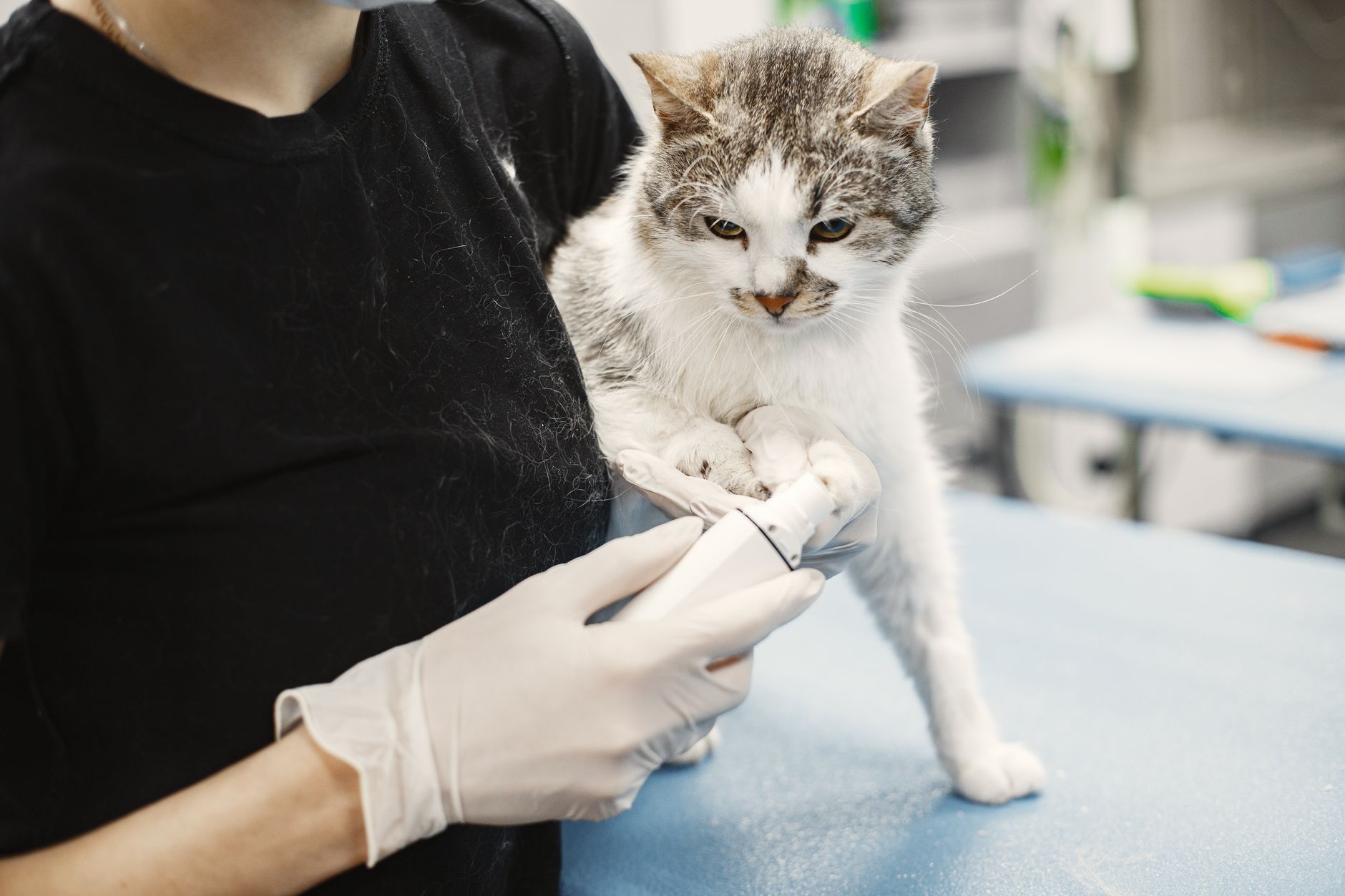
Because of the extra digits, claws can sometimes grow in unusual directions or fail to touch the ground during walking, preventing natural wear. This can lead to the nail curving back and piercing the paw pad, causing painful infections.
Joint Strain / Arthritis
While rare, atypical bone alignment in extremely complex polydactyl paws can occasionally place abnormal biomechanical stress on the carpal or tarsal joints over time. Senior cats may develop stiffness earlier in these specific joints.
Feline Hypertrophic Cardiomyopathy (HCM)
This is a common heart muscle disease seen across many domestic cat populations, including mixed-breed polydactyls, characterized by thickening of the left ventricle.
Dental Disease
Periodontitis and gingivitis are common hereditary and environmental issues in all domestic cats that require proactive management to prevent systemic inflammation.
How long do American Polydactyls typically live?
With proper preventative care, good nutrition, and regular veterinary check-ups, American Polydactyls frequently live between 12 and 15 years. Routine wellness exams help catch age-related conditions early, ensuring a higher quality of life in their senior years.
What to Feed a American Polydactyl
Proper nutrition is the cornerstone of a long, healthy life for your American Polydactyl, supporting everything from joint health to coat condition. I always advise tailoring caloric intake to your individual cat’s activity level and life stage.
Best Diet
A balanced, high-protein commercial diet formulated for your cat’s specific life stage, incorporating both wet and dry food options. Wet food is particularly beneficial for maintaining adequate hydration and urinary tract health.
How to Feed
Dividing their daily portion into two or three measured meals using automated feeders or puzzle bowls helps prevent binge-eating. Avoid free-feeding unless specifically recommended by your veterinarian to prevent feline obesity.
How Much to Feed
Generally, an adult cat requires about 20 to 30 calories per pound of body weight daily, but you should consult your veterinarian for an exact prescription based on weight and metabolism.
Nutritional Tips
Always provide fresh, clean water in a wide bowl or pet fountain to encourage drinking. Supplement with Omega-3 fatty acids only under veterinary guidance to support skin and joint health.
American Polydactyl Grooming Guide
Grooming an American Polydactyl is a wonderful opportunity to bond with your pet while keeping a close eye on their unique anatomical features. Regular routines prevent matting, skin irritation, and nail complications.
Coat Care
Brush weekly with a slicker brush or comb to remove loose hairs and distribute natural skin oils. Long-haired varieties require daily attention behind the ears and under the legs to prevent painful tangles.
Skin Care
Check the skin periodically during grooming sessions for any signs of parasites, flaking, or unusual lumps.
Eye Care
Wipe the corners of the eyes gently with a damp, soft cloth if any discharge accumulates.
Ear Care
Check ears weekly for debris, wax buildup, or redness, cleaning gently with a vet-approved solution when necessary.
Nail & Dental Care
Crucially, inspect and trim the extra claws every 2 to 3 weeks, paying special attention to the dewclaws and hidden digits. Brush teeth daily with a pet-safe enzymatic toothpaste.
Considerations for Pet Parents
Pros
- Extremely affectionate and social
- High intelligence and easy to engage
- Unique, charming appearance with extra toes
- Generally robust and adaptable health
- Good with children and other pets
Cons
- Requires extra vigilance with nail trimming
- Can learn to open doors and cabinets
- Prone to boredom if under-stimulated
- Can be demanding of human attention
Best For
Families and individuals who want an interactive, highly affectionate feline companion and are committed to regular nail maintenance.
Not Recommended For
Owners who travel frequently, prefer an ultra-low-maintenance pet, or are unable to manage specialized paw care.
Cost
- purchase price$300 – $1,500
- monthly cost$50 – $100
- initial setupIncludes microchipping, initial vaccinations, spay/neuter surgery, scratching posts, and puzzle toys.
Similar Breeds
Maine Coon

Domestic Shorthair
American Polydactyl FAQs
Why do American Polydactyls have extra toes?
Polydactyly is a genetic mutation resulting from an autosomal dominant trait that causes cats to develop more than the usual number of digits (typically 5 on front and 4 on back). Historically, sailors valued them on ships for their superior mousing abilities and exceptional balance.
How many toes do American Polydactyls usually have?
While normal cats have 18 toes, polydactyl cats often have 20 or more, with some individuals boasting up to seven toes per paw. The extra digits most frequently appear on the front paws, resembling a mitten-like appearance.
Are polydactyl cats considered a distinct purebred breed?
They are generally classified as a natural landrace or trait rather than a standardized purebred cat, though certain registries and associations recognize them. Their primary defining characteristic is the genetic mutation causing extra toes rather than a specific body type.
Do extra toes cause any pain for the cat?
In the vast majority of cases, extra toes are completely painless and do not hinder the cat’s mobility or daily life at all. The only common complication is the need for more frequent nail trims to prevent ingrown claws.
Are Hemingway cats the same as American Polydactyls?
Yes, they are often called Hemingway cats because author Ernest Hemingway famously kept dozens of polydactyl cats at his home in Key West. Today, descendants of those original cats still roam his historic estate.
Can American Polydactyls climb trees better than other cats?
Their extra digits often grant them enhanced grip and manual dexterity, which can make them quite adept climbers and problem solvers. However, their climbing ability largely depends on individual athleticism and conditioning.
Do polydactyl cats require special veterinary care?
Their routine medical care is identical to other cats, with the primary exception being closer monitoring of their extra claws to prevent ingrown nails. Always consult your veterinarian if you notice any unusual gait or paw discomfort.
Are male or female polydactyls more common?
The polydactyly trait is passed down through an autosomal dominant gene, meaning it affects males and females with roughly equal frequency. Gender does not significantly influence the expression of the extra-toe trait.
Can the extra toes be surgically removed?
Dewclaws or extra digits are almost never surgically removed unless there is a severe medical necessity, such as traumatic injury or recurrent infection. Cosmetic declawing or toe removal is strongly discouraged by modern veterinary medicine.
Do polydactyl cats have any special superpower-like abilities?
While they cannot actually use tools like humans, their dexterity allows them to bat objects with remarkable precision and open latched doors. Owners often joke that their cats are trying to evolve opposable thumbs.
How often should I check my Polydactyl’s paws?
I recommend inspecting their paws at least once a week during grooming sessions to check for nail growth and pad health. Catching a curling nail early prevents painful soft tissue infections.
Are American Polydactyls hypoallergenic?
No, they are not considered hypoallergenic, as they produce normal feline dander and proteins associated with allergies. Individuals with severe cat allergies should spend time with the breed before adopting.
Sources & Further Reading
- Merck Veterinary Manual
- American Veterinary Medical Association (AVMA)
- Cornell University College of Veterinary Medicine
- International Cat Care