
Sealyham Terrier Breed Guide

Quick Summary
The Sealyham Terrier is a courageous, deeply loyal, and surprisingly calm small breed that pairs typical terrier grit with a comical, affectionate personality. In my years treating this breed, I have found they make magnificent companions for dedicated owners who can manage their intensive grooming needs and independent nature. They are highly adaptable dogs, thriving just as well in city apartments as they do on expansive rural estates.
As an Amazon Associate, we earn from qualifying purchases.
Popular with Sealyham Terrier owners: Dog Stairs · Slicker Brush · Dog Food
Quick Facts
- origin countryWales
- breed groupTerrier
- sizeSmall (highly substantial bone structure)
- weight range18 to 24 pounds
- height range10 to 11 inches
- lifespan11 to 15 years
- coat typeDouble coat (dense, soft undercoat and hard, wiry outer coat)
- common colorsSolid white, or white with lemon, tan, badger, or blue markings on the head and ears
- other namesSealy, Welsh Border Terrier
- recognized byAKC, UKC, KC
Caring for a Sealyham Terrier
In my practice, I find that living with a Sealyham is a delightful exercise in managing a ‘big dog in a small suit.’ While calmer than their Jack Russell cousins, they still require structured mental and physical stimulation to prevent stubborn behaviors. Daily walks of 30 to 45 minutes combined with interactive play will keep them settled. Their double coat is highly demanding, requiring either regular hand-stripping or professional clipping every six to eight weeks, alongside daily combing to prevent severe matting in their signature beard.
Is a Sealyham Terrier a good family pet?
Yes, they make excellent family companions and are generally more patient than other terrier breeds. However, because of their sturdy, proud nature, they do best with older children who understand boundaries, and I always advise supervising any interactions with younger toddlers.
Do Sealyham Terriers shed a lot?
No, they are very low shedders, which makes them a popular choice for allergy sufferers. However, this is a trade-off: their dead hair does not fall out on its own, meaning it must be manually brushed, combed, and clipped or hand-stripped to prevent painful mats and skin infections.
Is a Sealyham Terrier good for first-time owners?
Generally, no, I do not recommend them for novice owners due to their strong-willed terrier independence and high-maintenance grooming requirements. A first-time owner can succeed, but they must be prepared for consistent, positive-reinforcement training and the commitment of managing a stubborn streak.
Temperament & Personality
The Sealyham is often described as the ‘philosopher’ of the terrier group; they possess a dignified, somewhat independent reserve but are absolute clowns with their families. In my clinic, they display a distinct bravery and self-assurance without the hyperactive ‘yappiness’ seen in other small breeds. They are incredibly loyal to their inner circle but can be aloof with strangers, and they retain a strong prey drive. They are vigilant watchdogs who will alert you to visitors but are rarely aggressive without cause.
Is a Sealyham Terrier good with other pets?
They can co-exist well with other household dogs if socialized early, though they may assert dominance over same-sex dogs. Due to their historical breeding as badger and otter hunters, they have an incredibly high prey drive, so I strongly advise against housing them with small pocket pets or unsupervised cats.
Dog Stairs for High Beds up to 25 in
- ✓35D high-density foam
- ✓3, 4 or 5 step options
- ✓For small, senior or injured dogs
- Pet stairs save small, senior and long-backed dogs from jumping on and off beds and sofas
How much attention does a Sealyham Terrier need?
While they value their independence and are perfectly content napping while you work, they are deeply devoted and require quality daily engagement. They do not tolerate being isolated in a backyard and want to be included in household activities, often following their owners from room to room.
Training & Behavior
Training a Sealyham requires an understanding of the terrier mindset: they are highly intelligent but will constantly ask ‘what’s in it for me?’ In clinical behavioral consults, I emphasize that force-based training will cause a Sealyham to shut down completely. Consistency, brief sessions, and high-value rewards like liver treats or toy play are the keys to bypassing their stubborn nature.
Training Tips
- Use positive reinforcement with high-value food rewards
- Keep training sessions short (5-10 minutes) to prevent boredom
- Establish firm, consistent household boundaries from day one
- Focus heavily on early socialization to prevent dog-directed reactivity
- Never use harsh corrections, as they will cause stubborn resistance
Fun Activities
- Earthdog trials to channel their natural digging and hunting instincts
- Scent work to engage their highly active minds
- Agility training, keeping jumps low to protect their backs
- Interactive puzzle toys and hide-and-seek games
- Moderate hiking on secure, well-cleared trails
Is a Sealyham Terrier easy to train?
They are highly intelligent and learn commands quickly, but they are not ‘easy’ to train in the traditional sense because of their independent streak. They will routinely test your boundaries, requiring a patient trainer who can maintain consistency without becoming frustrated.
Sealyham Terrier Health Issues
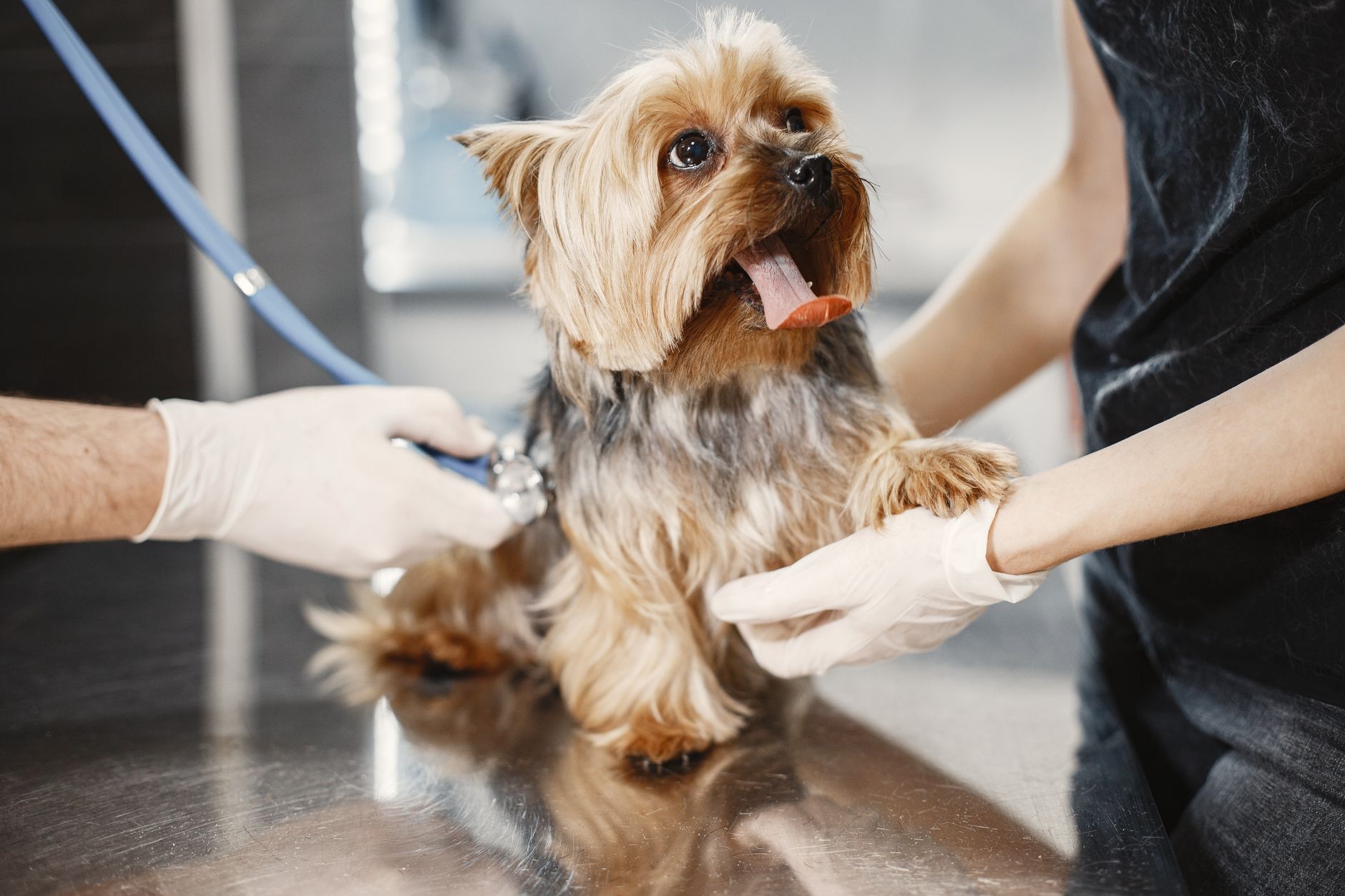
The Sealyham Terrier is a relatively robust and healthy breed, but as a chondrodystrophic (short-legged, long-backed) dog, they have specific structural vulnerabilities. In my practice, the primary concerns we screen for are genetic eye conditions and spinal issues, making it critical to buy from breeders who perform comprehensive health screenings.
Primary Lens Luxation (PLL)
A painful, inherited genetic condition where the fibers supporting the eye’s lens disintegrate, causing the lens to displace. If left untreated, this rapidly leads to secondary glaucoma and permanent blindness.
Intervertebral Disc Disease (IVDD)
Due to their long backs and short legs, the shock-absorbing discs between their vertebrae can herniate or rupture, putting pressure on the spinal cord. This can lead to intense pain, nerve damage, or paralysis.
Atopic Dermatitis (Skin Allergies)
Like many white-coated breeds, Sealyhams are prone to environmental allergies that manifest as itchy skin. This leads to chronic scratching, secondary bacterial or yeast infections, and pododermatitis (inflamed paws).
Swihauk Self-Cleaning Slicker Brush
- ✓Release button for one-step hair removal
- ✓Rounded bristle tips are gentle on skin
- ✓Stainless steel pins in a compact design
- Fine wire pins lift loose undercoat and work out small tangles before they turn into mats
Congenital Deafness
A known genetic risk linked to the white coat pigment gene, where one or both ears fail to develop hearing. Puppies should undergo BAER (Brainstem Auditory Evoked Response) testing at 7 to 8 weeks of age to confirm hearing status.
Dry Eye (Keratoconjunctivitis Sicca – KCS)
An autoimmune condition where the tear glands do not produce enough tears, leading to chronic dryness, painful corneal irritation, and potential scarring that impairs vision.
How long do Sealyham Terriers typically live?
A healthy Sealyham Terrier typically lives between 11 and 15 years. To maximize their lifespan, keep them at a lean body weight to protect their joints and spine, and ensure they receive regular dental cleanings to prevent systemic organ damage.
What to Feed a Sealyham Terrier
Because of their substantial bone structure on a short frame, Sealyhams are highly prone to obesity, which puts dangerous stress on their long spines. I emphasize to my clients that keeping a Sealyham lean is one of the most effective ways to prevent spinal disc herniation.
Best Diet
An ideal diet is a high-quality, protein-focused, age-appropriate commercial kibble or vet-approved formulation. Look for diets with controlled fat levels and added joint supplements like glucosamine and chondroitin to support their joints.
How to Feed
I highly recommend feeding two measured meals a day rather than free-feeding, which quickly leads to overeating. Use interactive puzzle feeders to slow down fast eaters and provide mental stimulation.
How Much to Feed
Generally, an adult Sealyham requires about 1 to 1.5 cups of dry kibble per day, divided into two meals. However, exact caloric needs vary widely based on metabolism and activity level, so consult your vet to calculate a precise daily caloric target.
Nutritional Tips
Be highly conservative with treats; training rewards should be deducted from their daily kibble allowance. Incorporating low-calorie treats like green beans or zucchini slices is an excellent way to reward your dog without adding unwanted weight.
Sealyham Terrier Grooming Guide
Grooming a Sealyham Terrier is not for the faint of heart; it is a labor of love that requires daily commitment to maintain their iconic look and skin health. Without diligent care, their thick double coat will quickly turn into a painful, matted mess that can harbor skin infections.
Coat Care
Brush and comb the coat at least three to four times a week, paying special attention to the long furnishings on the legs and the facial beard. To maintain the wire texture and bright white color, the coat must be hand-stripped every 3 to 4 months, though companion pets are often clipped every 6 to 8 weeks, which softens the coat texture.
Skin Care
Because they are prone to allergies, bathe them every 3 to 4 weeks using a mild, hypoallergenic, or oatmeal-based shampoo, ensuring you thoroughly dry the coat to prevent hot spots.
Eye Care
The signature ‘fall’ of hair over their eyes must be combed forward daily, and the corners of the eyes should be wiped clean with a damp cloth to prevent tear staining and irritation.
Ear Care
Their drop ears trap moisture and debris easily, making them prone to yeast infections. Clean their ears weekly with a vet-approved drying solution and pluck any excess hair growing inside the canal to ensure proper airflow.
Nail & Dental Care
Trim their strong, fast-growing nails every 3 to 4 weeks, and brush their teeth daily to combat their predisposition to periodontal disease.
Considerations for Pet Parents
Pros
- Extremely loyal and affectionate with their family
- Calmer and less frantic than most other terrier breeds
- Highly effective watchdogs with a deep, impressive bark
- Very low-shedding coat, excellent for allergy sufferers
- Adaptable to apartment living if given daily walks
- Full of humorous, entertaining, and engaging personality
Cons
- Extremely intensive, high-cost grooming requirements
- Can be stubborn and independent during training
- Very high prey drive, making them unsafe around pocket pets
- Prone to IVDD and other spinal issues if allowed to jump or get obese
- Rare breed that can be difficult and expensive to acquire
Best For
The ideal owner is an active individual or family who understands the independent terrier mindset and is fully committed to a rigorous grooming routine. They should have a securely fenced yard and the time to dedicate to mental stimulation and consistent, positive socialization.
Not Recommended For
I do not recommend Sealyham Terriers for households with small pocket pets (like hamsters or rabbits), owners who are away from home for long hours, or anyone unwilling to invest significant time or money into intensive professional grooming.
Cost
- purchase price$1,500 – $3,500
- monthly cost$150 – $250
- initial setupInitial setup costs range from $1,000 to $2,000, covering essential items, crate, high-quality grooming tools (stripping knives, slicker brushes), and first-year veterinary preventative care and vaccinations.
-
Diamond Naturals Skin & Coat Dog Food, Salmon & PotatoA complete, balanced diet matched to your dog’s size and age is the foundation of a healthy coat, gut and energy level
-
Blue Buffalo Bits Chicken Training TreatsSmall, soft treats are quick to eat, so you can reward the right moment and keep training sessions moving
-
PETSTA Treat-Dispensing Dog Puzzle ToyFood puzzles turn mealtime into a brain game, burning mental energy in clever, easily bored pets
Similar Breeds
Related Dog Guides
Sealyham Terrier FAQs
Why are Sealyham Terriers so rare?
Historically bred for hunting badgers and otters, their popularity waned as working terriers became less common. Today, they are classified as a vulnerable native breed in their home country, with very few breeders globally and small average litter sizes.
What is the ‘fall’ on a Sealyham Terrier?
The ‘fall’ is the long section of coat left over the dog’s forehead, reaching down over the eyes. Historically, this protected the dog’s eyes from dirt and debris while they dug underground after quarry.
Do Sealyham Terriers bark a lot?
They are excellent watchdogs and will bark to alert you of visitors or unusual sounds with a surprisingly deep, resonant bark. However, unlike many other terriers, they are not recreational barkers and will stay quiet if properly stimulated.
How do I prevent back injuries (IVDD) in my Sealyham?
To protect their long backs, I advise using ramp systems for high furniture, utilizing a harness rather than a neck collar for walks, avoiding high-impact jumping, and keeping them at a lean, healthy weight.
Can Sealyham Terriers live in apartments?
Yes, they make fantastic apartment pets. They are relatively calm and quiet indoors compared to other terriers, as long as they receive their daily outdoor walks and mental enrichment.
Are Sealyhams prone to ear infections?
Yes, because of their heavy, drop ears and the dense hair that grows inside the canal, moisture easily gets trapped. Weekly cleaning with a veterinary drying agent is critical to prevent yeast and bacterial otitis.
How often should a Sealyham’s beard be washed?
Their long beard should be wiped with a damp cloth after every meal to remove food particles. I recommend washing the beard weekly with a gentle dog shampoo to prevent yeast buildup, staining, and the classic ‘terrier beard’ odor.
Are Sealyham Terriers aggressive?
They are generally calmer and more stable than other terriers, but they can be dog-reactive or territorial if not properly socialized. While rarely aggressive toward humans, they will not hesitate to defend themselves if challenged.
Should I clip or hand-strip my Sealyham’s coat?
Hand-stripping preserves the hard, weather-resistant wire texture and deep pigment of the coat, which is required for show dogs. For pets, clipping is much easier and more comfortable, though it will make the coat softer and fade color markings over time.
Are they good swimmers?
No, they are poor swimmers due to their dense, heavy bone structure, deep chests, and extremely short legs. I always advise supervising them strictly around pools and using a fitted canine life jacket near bodies of water.
How much exercise does an adult Sealyham need daily?
An adult Sealyham needs 45 to 60 minutes of daily physical exercise, which should be split between structured leash walks and active play. They also greatly benefit from mental enrichment like nose work.
What is a ‘badger’ marking on a Sealyham?
Badger markings refer to distinct grey, black, or dark tan markings on the head and ears of a puppy that resemble a badger’s coat. These markings are highly prized and often fade to a lighter shade as the dog matures.
At what age is a Sealyham Terrier fully grown?
They reach their adult height by 10 to 12 months of age, but they will continue to ‘fill out’ and develop their heavy, muscular chest and bone structure until they are approximately 18 months old.