
Ocicat Classic Breed Guide

Quick Summary
In my clinical practice, the Ocicat Classic stands out as a muscular, highly active marvel of feline engineering, combining the striking marbled coat pattern of an American Shorthair with the social devotion of its Siamese and Abyssinian roots. This is an incredibly bright, dog-like cat that thrives on interactive play, making them absolute perfection for busy households ready to invest time in daily mental stimulation.
Quick Facts
- origin countryUnited States
- breed groupShorthair (Classic/Marbled Pattern)
- sizeMedium to Large, heavily muscled
- weight range6 to 15 lbs (2.7 to 6.8 kg)
- height range9 to 11 inches (23 to 28 cm)
- lifespan12 to 15 years
- coat typeShort, dense, satin-textured, classic marbled tabby
- common colorsTawny, chocolate, cinnamon, blue, lavender, fawn, and silver classic tabby variations
- other namesClassic Pattern Ocicat, Marbled Ocicat
- recognized byCFA, TICA
Caring for a Ocicat Classic
Living with an Ocicat Classic is an interactive adventure that requires more active engagement than caring for a typical domestic cat. In my years treating this breed, I have observed that they function best when their environment is treated like an indoor playground, replete with high-elevation vertical perches and complex puzzle feeders. They are deeply social creatures who seek out human touch, so do not expect them to sit idly by while you work. I always tell owners that environmental enrichment is not optional for this breed; it is a clinical necessity to prevent boredom-induced behavioral issues.
Is an Ocicat Classic a good family pet?
Absolutely. In my practice, I have seen them thrive in bustling households because they actively crave being the center of attention and love participating in family activities. They form incredibly strong bonds with children who know how to play respectfully.
Do Ocicat Classics shed a lot?
They are relatively low-maintenance shedders due to their short, tight coats. A quick weekly brushing sessions is usually more than enough to manage loose hairs and keep their marbled coat looking vibrant.
Is an Ocicat Classic good for first-time owners?
I generally advise first-time owners to proceed with caution. While they are exceptionally loving, their high energy levels and intense need for social interaction can easily overwhelm someone expecting a sleepy, low-maintenance lap cat.
Temperament & Personality

The Ocicat Classic is highly social, intensely curious, and remarkably confident. When they visit my clinic, they rarely hide; instead, they trot right out of their carriers to inspect my stethoscope and supervise the exam. They have a moderately vocal nature inherited from their Siamese ancestors, meaning they will happily ‘chirp’ and chatter to tell you about their day. Because they form deep familial attachments, they act as devoted ‘shadows’ following you from room to room.
Is an Ocicat Classic good with other pets?
Yes, they excel in multi-pet households. I find they actually do best when paired with another active cat or a cat-friendly dog, as feline or canine companionship helps satisfy their constant desire for play.
How much attention does an Ocicat Classic need?
They require a significant amount of daily interaction and do poorly when left alone for long periods. If you work long hours away from the home, you will need to provide another companion pet or a highly enriched environment to prevent separation distress.
Training & Behavior
With their sharp minds and eager-to-please attitudes, Ocicat Classics are remarkably easy to train. I often recommend clicker training to my clients with this breed, as it channels their focus and burns mental energy. They can easily master basic commands, walk on a harness, and even learn to play a highly reliable game of fetch.
Training Tips
- Use high-value, low-calorie treats to reward correct behaviors immediately.
- Keep training sessions short, around 5 to 10 minutes, to prevent mental fatigue.
- Introduce the harness and leash gradually indoors using positive reinforcement.
- Incorporate clicker training to teach commands like ‘sit’, ‘stay’, and ‘high-five’.
Fun Activities
- Leash-guided outdoor exploration
- Interactive fetching with lightweight toys
- Indoor feline agility courses
- Advanced, multi-stage food puzzle toys
- Target stick training exercises
Is an Ocicat Classic easy to train?
Yes, they are among the most trainable breeds in the feline world. Their high cognitive capacity means they pick up routines and tricks quickly, provided you use positive, reward-based methods.
Ocicat Classic Health Issues
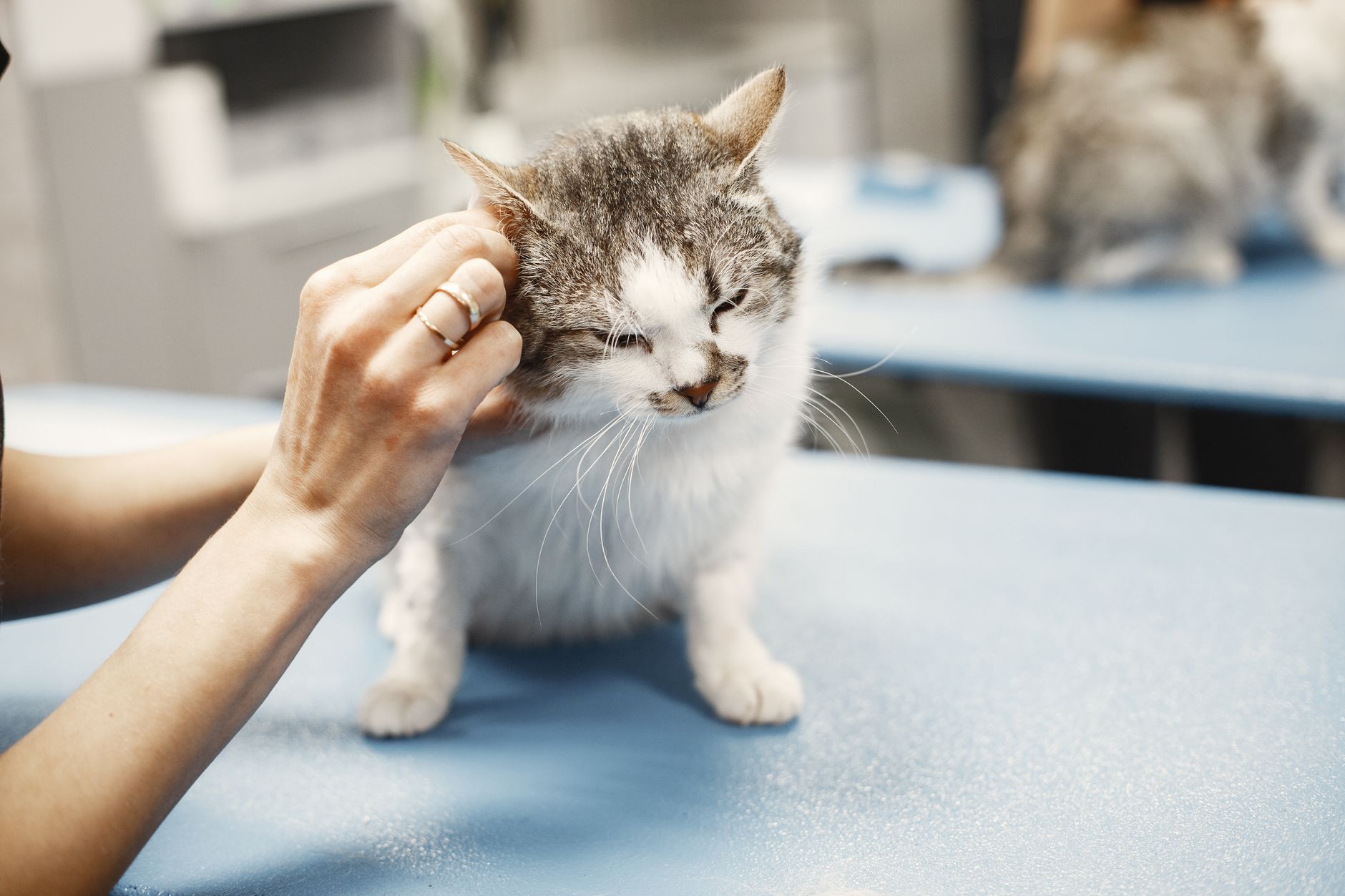
The Ocicat Classic is generally a robust, structurally sound breed, but their gene pool carries specific hereditary vulnerabilities from their Siamese and Abyssinian ancestors. What I see most often in practice is the need for vigilant, proactive screening to catch cardiac and renal issues before they progress.
Hypertrophic Cardiomyopathy (HCM)
An inherited cardiac condition characterized by the progressive thickening of the left ventricular muscle wall, which can lead to congestive heart failure if left unmonitored.
Pyruvate Kinase (PK) Deficiency
An inherited enzymatic defect of red blood cells that leads to their premature destruction, resulting in a regenerative, fluctuating anemia.
Progressive Retinal Atrophy (PRA)
A genetic ocular disease causing bilateral, progressive degeneration of the retinal photoreceptors, eventually leading to complete blindness.
Renal Amyloidosis
An inherited systemic disorder where abnormal amyloid proteins deposit in the kidneys, progressively impairing renal filtration and leading to kidney failure.
Periodontal Disease
An early-onset inflammatory condition of the gingiva and dental support structures, which is highly prevalent in breeds with Oriental ancestry.
How long do Ocicat Classics typically live?
With excellent preventive veterinary care, a high-quality diet, and an indoor lifestyle, Ocicat Classics typically enjoy a lifespan of 12 to 15 years, with some resilient individuals pushing past 18 years.
What to Feed a Ocicat Classic
Given their intense activity levels and dense muscle mass, Ocicat Classics require a carefully balanced, high-protein diet to fuel their daily metabolic demands. Despite their active nature, they can easily become overweight if they are overfed, which puts unnecessary stress on their athletic joints.
Best Diet
I highly advocate for a grain-free, high-protein diet where animal-sourced proteins (such as chicken, turkey, or salmon) serve as the primary ingredients. Integrating wet food is highly beneficial to maintain optimal hydration and support renal health.
How to Feed
I recommend feeding measured, scheduled meals twice a day rather than free-feeding kibble. To satisfy their working minds, use puzzle feeders or scatter-feeding techniques to make them hunt for their dry food portion.
How Much to Feed
Portion sizes must be customized based on individual metabolic rates and body condition scores. As a general clinical baseline, an active 10-pound adult Ocicat Classic requires roughly 250 to 280 calories daily, but you must consult your vet to tailor this.
Nutritional Tips
Incorporate omega-3 fatty acid supplements, like wild-caught salmon oil, to support joint longevity and enhance their coat’s natural luster. Ensure they have access to a clean pet water fountain, as moving water encourages critical hydration.
Ocicat Classic Grooming Guide
Grooming an Ocicat Classic is highly straightforward, making it an easy task even for busy owners. Their tight, sleek coat does not mat, meaning your main grooming efforts will actually be focused on preventative dental and ear hygiene.
Coat Care
Brush their coat once a week with a soft rubber curry brush to remove dead hair and dander. Rubbing their coat afterward with a clean chamois cloth will instantly buff their marbled markings to a high, glossy shine.
Skin Care
Their skin is generally resilient; bathe them only if they get exceptionally dirty, using a mild, soap-free cat shampoo to avoid stripping natural protective oils.
Eye Care
Wipe away any corner tear crusting with a soft, damp cloth, using a separate clean section for each eye to prevent potential cross-contamination.
Ear Care
Inspect their ears weekly for dirt, debris, or redness. If wax has accumulated, gently wipe the outer ear canal with a vet-approved ear cleanser and a cotton pad; never insert cotton swabs.
Nail & Dental Care
Clip their nails every 2 to 3 weeks to manage rapid growth. Daily teeth brushing with a feline-safe enzymatic toothpaste is absolutely mandatory to combat their genetic predisposition to periodontal disease.
Considerations for Pet Parents
Pros
- Incredibly intelligent and highly responsive to training
- Very social, affectionate, and deeply loyal to their family
- Striking, unique marbled classic coat pattern
- Excellent with energetic children and companion animals
- Low-maintenance grooming and shedding needs
- Athletic, robust, and structurally sound physical build
Cons
- High demands for social interaction and daily play
- Can develop separation anxiety if left alone for long periods
- Prone to boredom-related destructive behaviors if under-stimulated
- Vocal and highly communicative, which may bother quiet households
- Requires significant vertical space and environmental enrichment
Best For
Active, interactive owners who are frequently at home, or households with other playful companion animals. It is perfect for those who want an engaging, highly trainable companion that behaves more like a dog.
Not Recommended For
Individuals who travel frequently, work very long hours away from home, or prefer a quiet, low-energy lap cat. If you cannot commit to daily interactive play, this breed’s energy will quickly become overwhelming.
Cost
- purchase price$1,000 to $2,000
- monthly cost$80 to $150
- initial setupPlan to spend between $600 and $1,200 initially on high-quality veterinary vaccines, spay/neuter surgery, heavy-duty scratching posts, a tall cat tree, microchipping, and genetic testing.
Similar Breeds

Ocicat (Spotted)
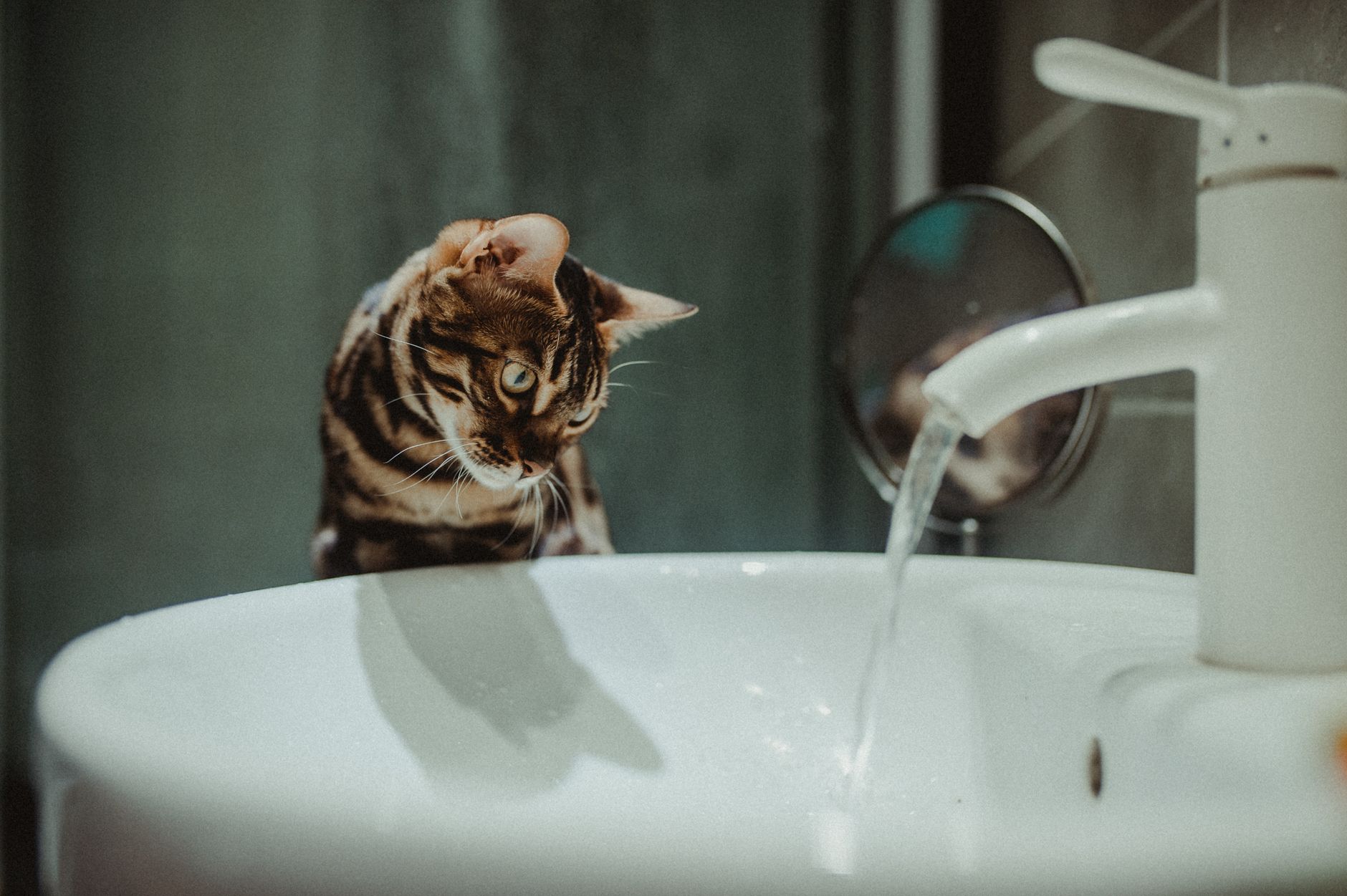
Bengal
Ocicat Classic FAQs
What is the physical difference between a standard Ocicat and an Ocicat Classic?
The only physical difference is the coat pattern. While standard Ocicats are bred specifically to display wild-looking spots, the Ocicat Classic displays a swirling, marbled, or bullseye classic tabby pattern. They share the exact same genetic parentage, muscular build, and outgoing temperament.
Are Ocicat Classics hypoallergenic?
No, they are not hypoallergenic. While they have short coats and shed minimally, they still produce the Fel d 1 protein in their saliva, skin dander, and urine, which is the primary cause of allergic reactions in humans.
Do Ocicat Classics enjoy playing in water?
Yes, many Ocicat Classics show a fascinating affinity for water, a trait often attributed to their curious and adventurous Bengal and Abyssinian lineages. Do not be surprised if they attempt to play in shallow sinks or inspect a running shower.
How vocal are Ocicat Classics compared to Siamese cats?
They are moderately vocal, but typically less loud and raspy than a purebred Siamese. They will readily hold ‘conversations’ with you using sweet chirps, trills, and soft meows to demand dinner or ask for attention.
Can an Ocicat Classic be left alone while I work?
They generally do not tolerate being completely alone for 8 to 10 hours a day. If you work outside the home, I strongly suggest having another companion pet (such as another cat or a friendly dog) to keep them company and prevent separation stress.
Are they prone to obesity?
Yes, despite their high activity levels, they are food-motivated and can easily put on excess weight if they are free-fed kibble. Keeping them on a structured meal schedule and using physical puzzle toys is key to maintaining their ideal body condition score.
Do they climb a lot?
Yes, they are vertical climbers by nature. They possess exceptional jumping power and will seek out the highest points in your home, which is why tall cat trees and climbing shelves are vital additions to your living space.
Are Ocicat Classics good with dogs?
Yes, they are highly companionable and frequently bond closely with cat-friendly dogs. Their bold, confident nature means they are rarely intimidated by canine housemates, provided introductions are done gradually.
What genetic health tests should I ask a breeder for?
A reputable breeder must provide genetic clearance certificates showing that the parents are negative for Pyruvate Kinase (PK) Deficiency and Progressive Retinal Atrophy (PRA). They should also perform regular echocardiograms to screen for Hypertrophic Cardiomyopathy (HCM).
How often do they need their teeth brushed?
Ideally, daily. Because of their Oriental lineage, they are highly prone to early-onset periodontal disease, which can lead to painful tooth resorptive lesions and extractions.
Is the Ocicat Classic a recognized breed?
Yes, most major registries like CFA and TICA recognize classic pattern Ocicats, though they are sometimes shown in a separate ‘Classic Pattern’ or ‘AOV’ (Any Other Variety) class rather than competing directly with the spotted standard.
How do I keep my Ocicat Classic mentally stimulated?
Rotate interactive toys, teach them commands via clicker training, provide foraging puzzles for meals, and offer safe window views of outdoor birds to keep their active minds thoroughly engaged.
At what age do Ocicat Classics reach full physical maturity?
They are a slow-maturing breed, often taking up to 1 to 2 years to fully develop their muscular build, broad chest, and adult weight.
Are they prone to stress-related urinary issues?
Like many highly sensitive, intelligent breeds, they can develop Feline Lower Urinary Tract Disease (FLUTD) or idiopathic cystitis if their environment is stressful or lacking in stimulation. Maintaining hydration is key.
Sources & Further Reading
- The Cat Fanciers’ Association (CFA)
- Merck Veterinary Manual
- Cornell University College of Veterinary Medicine