
Pixie-bob Breed Guide

Quick Summary
The Pixie-bob is a muscular, dog-like cat famous for its wild appearance, bobbed tail, and frequent polydactyl paws. Highly devoted to their families, these active yet gentle companions love leash walks, water play, and participating in everyday household activities, making them perfect for owners who want an interactive, highly engaged pet.
Quick Facts
- origin countryUnited States
- breed groupShorthair / Longhair (TICA)
- sizeLarge, substantial, and heavy-boned
- weight rangeMales: 12-22 lbs (5.4-10 kg); Females: 8-15 lbs (3.6-6.8 kg)
- height range10-13 inches (25-33 cm)
- lifespan13-15 years
- coat typeThick, weather-resistant double coat (available in both short and longhair varieties)
- common colorsBrown spotted tabby (ranging from tawny to reddish-brown with ticking)
- other namesPixiebob
- recognized byTICA, ACFA
Caring for a Pixie-bob
Living with a Pixie-bob is like having a loyal shadow that chirrups instead of meows. I’ve found that they thrive on routine and want to be involved in everything you do, from folding laundry to working at your desk. Because they are large, muscular cats with dense double coats, they need regular interactive play to keep them lean and weekly brushing to manage shedding. Expect a cat that greets you at the door and genuinely enjoys water play and outdoor walks on a harness.
Is a Pixie-bob a good family pet?
Absolutely. In my experience, Pixie-bobs are exceptionally patient, sturdy, and affectionate with children, often acting more like protective dogs than aloof cats.
Do Pixie-bobs shed a lot?
They have a dense double coat that sheds moderately year-round, with heavier blowouts during spring and fall. A thorough weekly brushing with a slicker brush is usually enough to keep it under control.
Is a Pixie-bob good for first-time owners?
Yes, their highly adaptable, laid-back, and deeply affectionate nature makes them an excellent choice for beginners, provided you have the time to satisfy their social needs.
Temperament & Personality
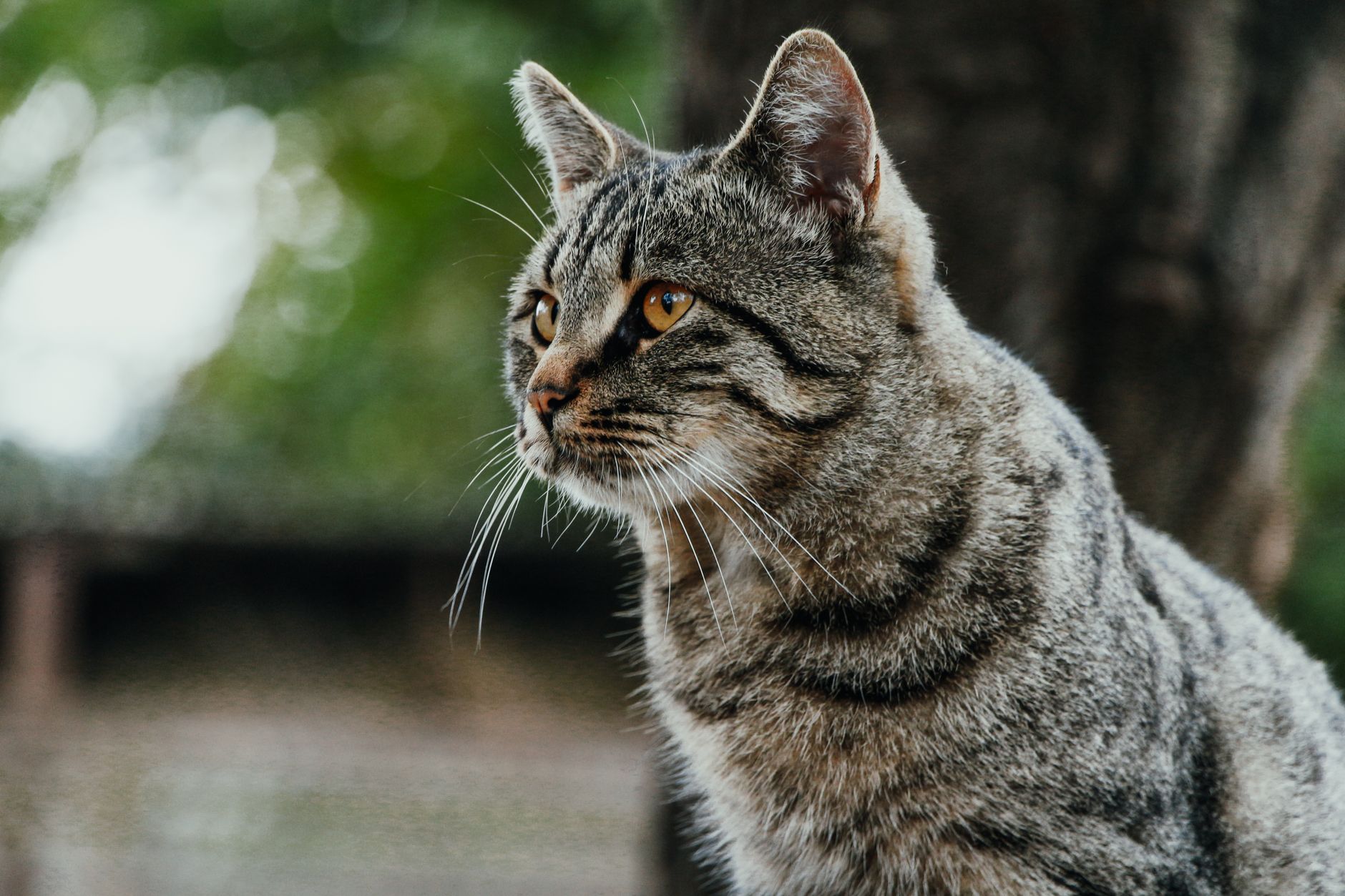
Pixie-bobs are famously described as ‘dog-like’ for good reason. They form intense bonds with their human families and will follow you from room to room, communicating with quiet chirps, chortles, and the occasional soft growl during play. Despite their wild, bobcat-like appearance, they are incredibly gentle, patient, and level-headed, rarely showing aggression and adapting beautifully to busy, active households.
Is a Pixie-bob good with other pets?
Yes, they are highly social and generally coexist wonderfully with other cats and cat-friendly dogs. In my time working with them, they often form close buddy-systems with the family dog.
How much attention does a Pixie-bob need?
They are highly social cats that do not do well with long periods of isolation. If you work long hours, I always recommend getting them a companion pet to keep them company.
Training & Behavior
Pixie-bobs are exceptionally easy to train compared to most cat breeds because of their eager-to-please, canine-like disposition. I’ve successfully taught them to walk on a harness, fetch toys, and respond to basic verbal cues using positive reinforcement and high-value treats. They are naturally curious, so puzzle toys and agility-style games are fantastic ways to channel their high intelligence.
Training Tips
- Use clicker training with freeze-dried meat treats
- Introduce harness training indoors first in a calm environment
- Keep training sessions short—under 5 minutes to maintain focus
- Praise calm behavior with gentle chin scratches and verbal cues
- Never use physical discipline; redirect unwanted behaviors with toys
Fun Activities
- Leash walking in quiet, grassy parks
- Feline agility courses and obstacle navigation
- Interactive fetch with soft, carry-sized toys
- Puzzle feeder games and treat-dispensing toys
- Water play in shallow tubs or under a dripping faucet
Is a Pixie-bob easy to train?
Yes, they are among the most trainable cat breeds. Their high intelligence and desire for human interaction mean they pick up tricks, fetching, and leash walking remarkably quickly.
Pixie-bob Health Issues
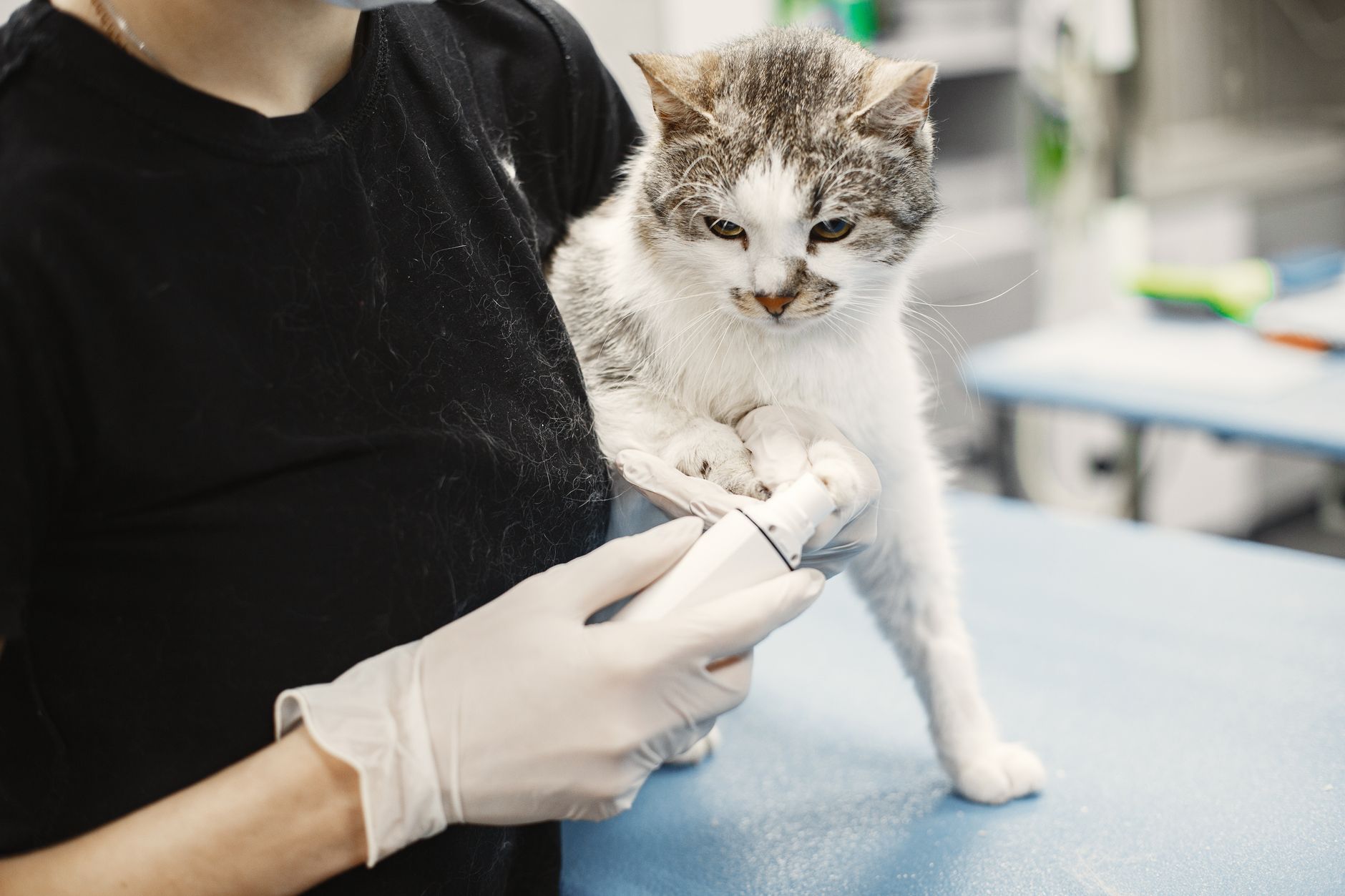
Pixie-bobs are a robust and generally healthy breed with a broad gene pool, largely because breeders have worked hard to maintain genetic diversity. However, like all breeds, they have a few specific inherited and structural conditions that prospective owners must watch out for.
Hypertrophic Cardiomyopathy (HCM)
A genetic thickening of the heart muscle common in many domestic cat breeds. While not disproportionately high in Pixie-bobs, reputable breeders should always screen their breeding cats annually via echocardiogram.
Dystocia (Difficult Birth)
Pixie-bob queens occasionally experience difficulty giving birth, sometimes due to the large bone structure and size of the kittens. This is a crucial consideration if you plan to breed, though companion owners won’t have to worry once their female is spayed.
Cryptorchidism
A condition where one or both testicles fail to descend into the scrotum. It is occasionally seen in Pixie-bob kittens and requires a slightly more complex neutering surgery to prevent future health complications.
Polydactyl Nail Issues
Because many Pixie-bobs are polydactyl (having extra toes), they can grow nails in the crevices between their extra digits. If left untrimmed, these nails can curl back and grow directly into the paw pad, causing painful infections.
Obesity
With their stocky, muscular build, it’s very easy to overlook weight gain in a Pixie-bob. Carrying excess weight puts severe strain on their joints and increases the risk of feline diabetes.
How long do Pixie-bobs typically live?
A healthy Pixie-bob typically has a lifespan of 13 to 15 years, though with excellent veterinary care, high-quality nutrition, and an indoor-only lifestyle, many can reach 18 years or more.
What to Feed a Pixie-bob
Pixie-bobs are large, slow-maturing cats that don’t reach their full size until about 3 to 4 years of age. Feeding them a high-protein diet tailored to their life stage is vital to support this prolonged growth period without causing excess fat gain.
Best Diet
A high-protein, low-carbohydrate wet diet is ideal for this breed. Look for foods where real meat (like chicken, turkey, or rabbit) is the first ingredient, as this supports their heavy musculature while keeping them hydrated.
How to Feed
I recommend feeding adult Pixie-bobs twice daily on a strict schedule rather than free-feeding dry food. For growing kittens under one year, three to four smaller meals a day will support their rapid growth spikes.
How Much to Feed
Portions depend on age, activity level, and neuter status, but generally, an adult male needs 250-350 calories per day. Always consult your veterinarian to calculate a precise daily caloric intake based on your cat’s specific body condition score.
Nutritional Tips
Ensure they always have access to fresh, running water (like a pet fountain), as Pixie-bobs love running water and it encourages them to drink. Avoid fillers like corn, wheat, or soy, which contribute to unwanted weight gain.
Pixie-bob Grooming Guide
Grooming a Pixie-bob is relatively straightforward, but it does require consistent routine care to keep their thick double coat healthy. Whether you have a shorthaired or longhaired variety, regular handling of their paws from a young age is essential, especially for polydactyl individuals.
Coat Care
Brush their coat once or twice a week with a high-quality slicker brush or steel comb to remove loose undercoat. During seasonal shedding in spring, you may need to brush them daily to prevent matting.
Skin Care
Their skin is generally healthy, but ensure you check the folds between their extra toes weekly for dirt buildup or irritation.
Eye Care
They have deep-set, heavily hooded eyes that rarely require special cleaning, but you can gently wipe any sleep crusts away with a damp, soft cloth if needed.
Ear Care
Check their ears weekly for wax buildup or redness; clean them gently with a vet-approved ear flush and cotton ball if they appear dirty.
Nail & Dental Care
Trim all their claws—including all extra claws on polydactyl paws—every two weeks to prevent painful ingrowth. Brush their teeth at least three times a week with pet-safe enzymatic toothpaste to prevent periodontal disease.
Considerations for Pet Parents
Pros
- Extremely loyal and dog-like companion
- Highly intelligent and easy to train
- Excellent with children and other pets
- Unique and beautiful wild appearance
- Often polydactyl (charming extra toes)
- Very quiet and communicate with sweet chirps
Cons
- Does not tolerate long hours of isolation
- Requires regular nail maintenance (especially polydactyls)
- Can be prone to obesity if free-fed
- Slow to mature (takes 3-4 years to reach full size)
- Hard to find with few reputable breeders available
Best For
This breed is perfect for active, attentive families or individuals who want a highly interactive, dog-like cat. They excel in households where someone is home often or where there are other pets to keep them company.
Not Recommended For
I do not recommend this breed for busy owners who work long hours away from home and cannot provide a companion pet, or for those who want a low-maintenance, highly independent cat that keeps to itself.
Cost
- purchase price$1,000 to $2,500 USD
- monthly cost$80 to $150 USD
- initial setupExpect to spend $500 to $800 initially on high-quality veterinary checks, a sturdy extra-large carrier, scratching posts, toys, and grooming tools.
Similar Breeds

Kurilian Bobtail

American Bobtail
Pixie-bob FAQs
Are Pixie-bobs wild bobcat hybrids?
No. Despite initial folklore claiming they were bred from domestic cats and wild bobcats, extensive DNA testing has proven that Pixie-bobs are 100% domestic cats with no wild bobcat ancestry.
Are all Pixie-bobs polydactyl?
No, not all Pixie-bobs have extra toes. However, TICA is the only breed registry that allows polydactyl cats (up to seven toes per paw) to be shown in championship classes, making it a very common and accepted trait.
Do Pixie-bobs have tails?
Most Pixie-bobs have naturally short bobbed tails, which must be at least two inches long but not extend past the hock to meet breed standards. However, some are born with completely short (rumpy) tails or full-length tails.
How big do Pixie-bob cats get?
They are a large, heavy-boned breed. Males typically weigh between 12 and 22 pounds, while females are smaller, ranging from 8 to 15 pounds. They take up to four years to reach their full, muscular size.
Do they get along with dogs?
Yes, exceptionally well. Their confident, laid-back temperament makes them highly compatible with cat-friendly dogs, and they often play together or sleep in the same bed.
Are Pixie-bobs hypoallergenic?
No, they are not hypoallergenic. They have a thick double coat that sheds moderately, and they produce the Fel d 1 protein in their saliva and dander just like other cats.
Do Pixie-bobs like water?
Many do! It is very common for a Pixie-bob to dip their paws in water bowls, play with dripping faucets, or even join you in the shower or bathtub.
Are Pixie-bobs vocal?
They are generally quiet cats. Instead of loud meowing, they communicate using an array of unique chirps, chortles, and clicks, which they use to converse with their owners.
Can Pixie-bobs be indoor-only cats?
Yes, they should absolutely be kept as indoor-only cats to protect them from disease, predators, and traffic. You can satisfy their outdoor curiosity by training them to walk on a leash.
How often do they need to go to the vet?
Like all cats, healthy adults should visit the vet once a year for wellness exams, vaccines, and dental checks. Seniors over seven years old should transition to twice-yearly exams.
Are they prone to any behavioral issues?
Because they form such deep bonds with their owners, they can suffer from separation anxiety if left alone for long periods. Providing plenty of enrichment or a companion animal prevents this.
What kind of toys do Pixie-bobs like?
They love interactive toys that challenge their minds. Wand toys, puzzle feeders, feather teasers, and small plush toys they can carry around in their mouths like prey are big hits.
Is the Pixie-bob recognized by major registries?
Yes, they are recognized by The International Cat Association (TICA) and the American Cat Fanciers Association (ACFA), though they are not currently recognized by the Cat Fanciers’ Association (CFA).
Can I leave my Pixie-bob alone while I go to work?
If you work standard 8-hour days, your Pixie-bob will be fine, provided they have plenty of interactive toys, scratchers, and ideally, another friendly pet to keep them company. They do not do well with frequent multi-day travel away from home.