
Thai Lilac Breed Guide
Quick Summary
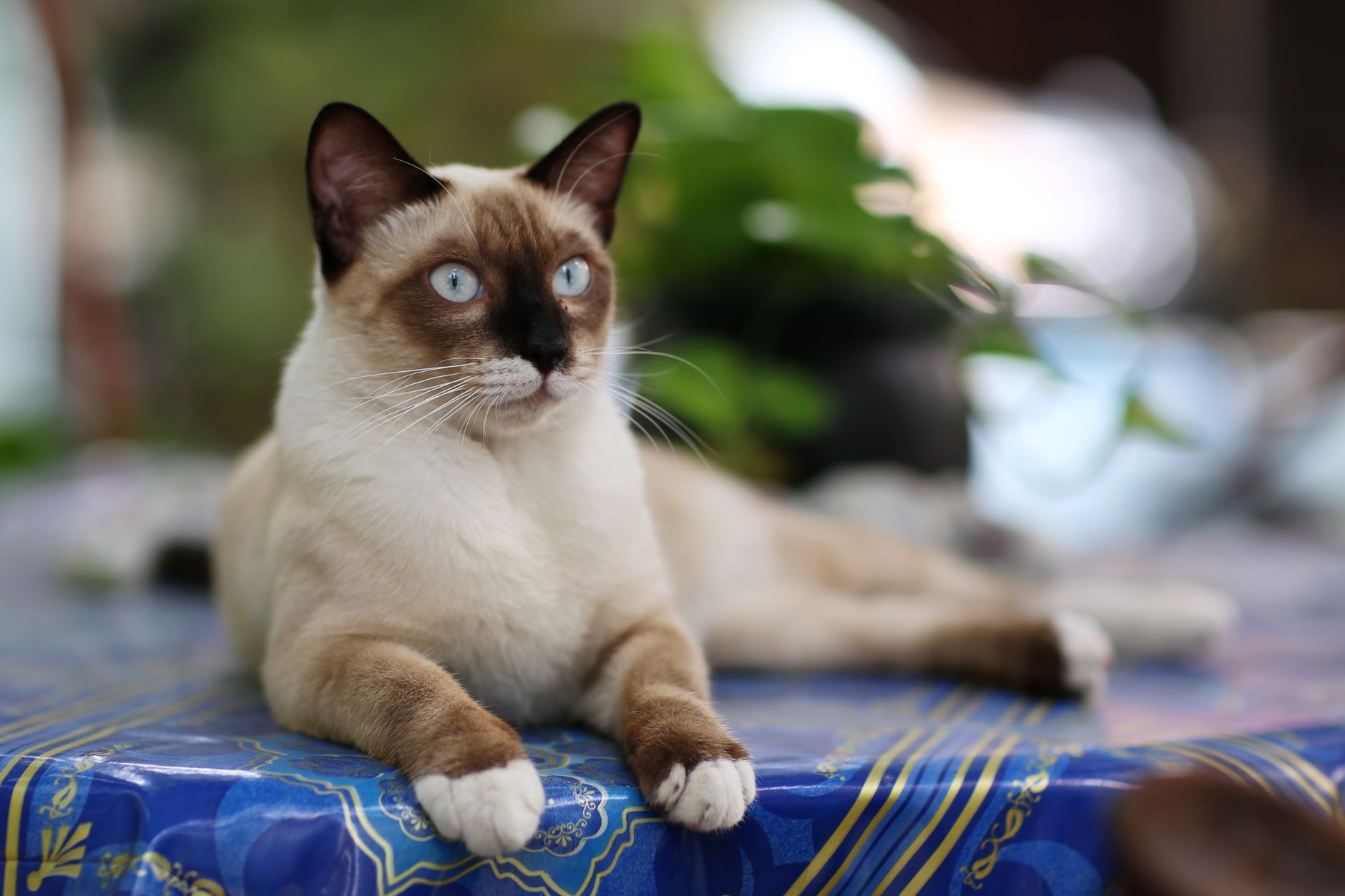
The Thai Lilac is an extraordinarily affectionate, highly intelligent companion that binds deeply to its human family, behaving more like a loyal canine than a stereotypical solitary feline. As a veterinary clinician, I find their bright minds and ‘velcro’ personalities make them best suited for active, attentive households where they will not be left alone for long stretches.
Quick Facts
- origin countryThailand
- breed groupForeign / Shorthair
- sizeMedium, muscular, and compact
- weight range6 to 11 lbs (2.7 to 5.0 kg)
- height range8 to 10 inches (20 to 25 cm)
- lifespan15 to 20 years
- coat typeSingle coat, short, fine, and close-lying
- common colorsSolid lilac (warm, frost-grey lavender-pink with silver tipping)
- other namesSi-Sawat (lilac variant), Thai Lilac Shorthair
- recognized byGCCF, TICA
Caring for a Thai Lilac
Living with a Thai Lilac is like having a tiny, highly observant supervisor following you from room to room. In my clinical experience, these cats do not tolerate isolation; they require active mental engagement through puzzle feeders and daily interactive play to prevent stress-induced behaviors. Their lack of a insulating undercoat means they are sensitive to drafty, cold environments, so I always advise keeping them indoors with plenty of warm, elevated nesting spots. You must integrate them fully into your daily routine, as they genuinely view themselves as equal members of the household.
Is a Thai Lilac a good family pet?
Absolutely, as they thrive on human companionship and are sturdy enough to handle polite children. However, they form very strong bonds and can occasionally become possessive of their favorite family member, so early socialization is key.
Do Thai Lilacs shed a lot?
Not at all; they possess a single coat with no undercoat, meaning shedding is remarkably minimal. A simple weekly brush is usually more than enough to manage loose hairs, making them an excellent choice for owners who dislike heavy shedding.
Is a Thai Lilac good for first-time owners?
They can be, but only if the owner understands their intense emotional needs and high intelligence. If you work long hours away from home, their demand for constant attention and tendency toward separation anxiety can overwhelm a novice owner.
Temperament & Personality
The Thai Lilac is a highly sentient, emotionally intuitive breed that demands to be at the center of your world. In my years treating this breed, I have found them to be exceptionally vocal—though they speak in a softer, sweeter tone than their Siamese cousins—and highly sensitive to the emotional temperature of the home. They are energetic and playful well into their senior years, possessing an inquisitive nature that drives them to investigate every cabinet and doorway.
Is a Thai Lilac good with other pets?
Yes, they generally thrive in multi-pet households, especially when paired with another active cat or a cat-friendly dog. Because they hate being alone, having a companion animal can greatly alleviate their separation anxiety when you are out.
How much attention does a Thai Lilac need?
They require a significant amount of daily interaction; they are not passive ornaments. Expect to dedicate at least 30 to 45 minutes to active play daily, and be prepared for them to sleep on your chest or drape themselves over your shoulders while you work.
Training & Behavior
Training a Thai Lilac is highly rewarding because of their superior canine-like intelligence and eagerness to engage. In my practice, I have seen these cats easily master leash walking, fetch, and complex agility courses when motivated by positive reinforcement. However, their intelligence means they will quickly learn how to open doors, cabinets, and drawers, requiring proactive childproofing from their owners.
Training Tips
- Use high-value, smelly treats like freeze-dried chicken for immediate positive reinforcement.
- Keep training sessions short and dynamic—no more than 5 minutes at a time to prevent boredom.
- Introduce clicker training early; it is incredibly effective for directing their active minds.
- Proactively childproof your home with magnetic locks to prevent clever paws from opening cupboards.
Fun Activities
- Playing fetch with lightweight crinkle balls or felt mice
- Navigating indoor agility courses using footstools and tunnels
- Leash walking outdoors with a secure, H-style harness
- Solving level-2 and level-3 canine puzzle toy boards
- Learning voice commands like ‘sit’, ‘high-five’, and ‘come’
Is a Thai Lilac easy to train?
Yes, they are highly trainable due to their dog-like intelligence and desire to please. The key is using positive, reward-based methods; harsh corrections will damage their sensitive trust and cause them to withdraw entirely.
Thai Lilac Health Issues

The Thai Lilac is generally a very robust, long-lived breed, but they are genetically linked to the Korat, which introduces specific hereditary risks. As a veterinarian, my primary concern is ensuring parents are screened for devastating genetic conditions before any breeding takes place.
GM1 and GM2 Gangliosidosis
These are fatal, hereditary lysosomal storage diseases that cause progressive neurological destruction. Symptoms typically manifest in kittens around 2 to 3 months of age, starting with head tremors and rapid motor decline.
Feline Idiopathic Cystitis (FIC)
Due to their highly sensitive, emotionally reactive nature, Thai Lilacs are prone to sterile bladder inflammation triggered by stress. This condition causes painful urination and can lead to life-threatening urinary blockages, particularly in males.
Periodontal Disease
Like many oriental and foreign shorthair breeds, Thai Lilacs have a structural predisposition to early-onset gingivitis and plaque buildup. If left untreated, this leads to tooth loss, bone resorption, and systemic bacteria affecting the kidneys and heart.
Hypertrophic Cardiomyopathy (HCM)
This is a hereditary condition where the heart muscle thickens abnormally, reducing its pumping efficiency over time. Regular veterinary echocardiograms are the gold standard for detecting this condition early in breeding lines.
How long do Thai Lilacs typically live?
With proper nutrition, regular veterinary checkups, and an indoor-only lifestyle, Thai Lilacs are exceptionally long-lived, frequently reaching 15 to 20 years of age.
What to Feed a Thai Lilac
Because Thai Lilacs are highly active and muscular, they require a diet rich in high-quality animal proteins to maintain their lean body mass. However, their indoor lifestyle and fondness for treats can easily lead to obesity if portions are not strictly monitored.
Best Diet
I highly recommend a diet consisting primarily of high-quality wet food, which provides essential hydration to protect their sensitive urinary tract. Look for formulas listing whole meat (like chicken, turkey, or rabbit) as the first ingredient, and minimize filler carbohydrates.
How to Feed
I advocate for scheduled, portion-controlled meals twice daily rather than free-feeding, which often leads to overeating. Using puzzle feeders for dry kibble snacks is an excellent way to keep their active minds working for their food.
How Much to Feed
Portion sizes should be tailored to their target weight and activity level; generally, an active 8-pound Thai Lilac needs roughly 200 to 220 calories per day. Always consult your veterinarian to calculate exact caloric requirements based on body condition scoring.
Nutritional Tips
Incorporate omega-3 fatty acid supplements (such as wild anchovy oil) to support their heart health and keep their unique, silver-tipped coat lustrous and soft. Always ensure access to fresh, filtered water, ideally from a pet fountain to encourage drinking.
Thai Lilac Grooming Guide
The Thai Lilac is an incredibly low-maintenance breed when it comes to grooming, as their single coat does not mat or tangle. This makes grooming a wonderful, stress-free bonding experience rather than a chore.
Coat Care
A quick, weekly brushing with a soft rubber curry brush or a chamois cloth is all that is needed to remove loose hairs and polish their beautiful, silver-tipped coat. This simple routine also helps distribute natural skin oils, giving them a healthy, metallic sheen.
Skin Care
Their skin is generally healthy, but because they have no undercoat, they can easily get chilled or sunburned; avoid leaving them in direct, intense window sunlight for prolonged periods.
Eye Care
They have large, luminous eyes that rarely tear, but you should gently wipe any corner sleep with a damp, warm cotton ball if needed.
Ear Care
Inspect their ears bi-weekly for mild wax buildup; clean only if necessary using a vet-approved, alcohol-free ear cleaner on a cotton pad—never use cotton swabs in the ear canal.
Nail & Dental Care
Clip their nails every 2 to 3 weeks using sharp pet clippers. Daily dental brushing with feline-formulated enzymatic toothpaste is absolutely vital for this breed to prevent their high risk of early-onset periodontal disease.
Considerations for Pet Parents
Pros
- Fiercely loyal and forms an intense, dog-like bond with owners.
- Minimal grooming needs and exceptionally low shedding.
- Highly intelligent, making them easy to train and engage.
- Typically healthy, robust, and very long-lived.
- Great companion for other pets, reducing loneliness.
Cons
- Prone to severe separation anxiety if left alone for long periods.
- Can be highly demanding, needy, and vocal for attention.
- Requires active mental stimulation to prevent destructive behaviors.
- Highly sensitive to cold drafts due to their single coat.
Best For
Active families, work-from-home professionals, or households with other pets who can provide constant companionship and mental stimulation. They thrive in environments where they are integrated into every daily activity.
Not Recommended For
Individuals who travel frequently, work long 12-hour shifts away from home, or prefer an independent, quiet cat that requires little emotional upkeep.
Cost
- purchase price$1,200 to $2,200
- monthly cost$80 to $150
- initial setupInitial costs including genetic screening verification, high-quality scratchers, vertical cat trees, and microchipping run between $500 and $800.
Similar Breeds
Thai Lilac FAQs
What is the difference between a Thai Lilac and a Russian Blue?
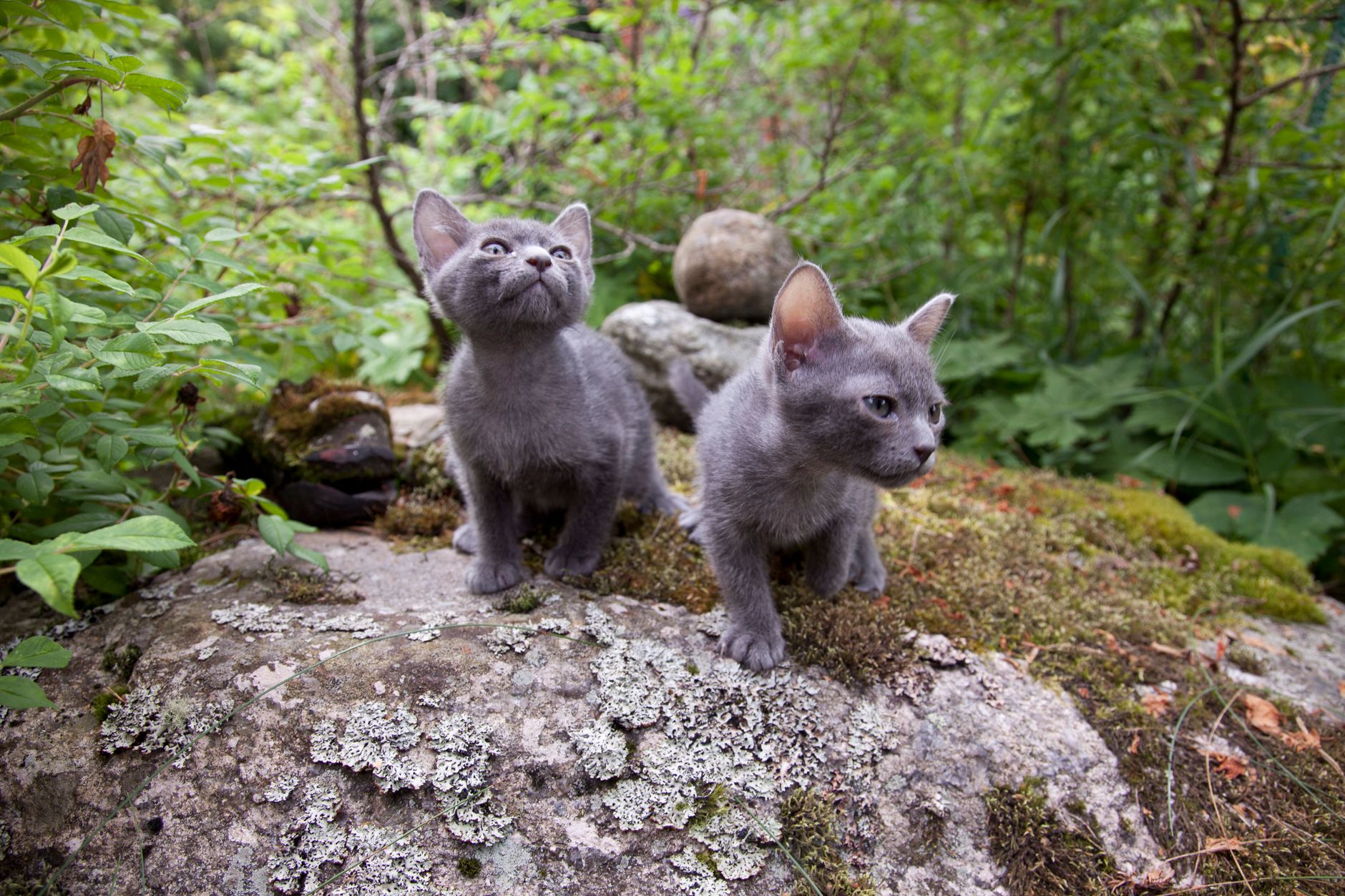
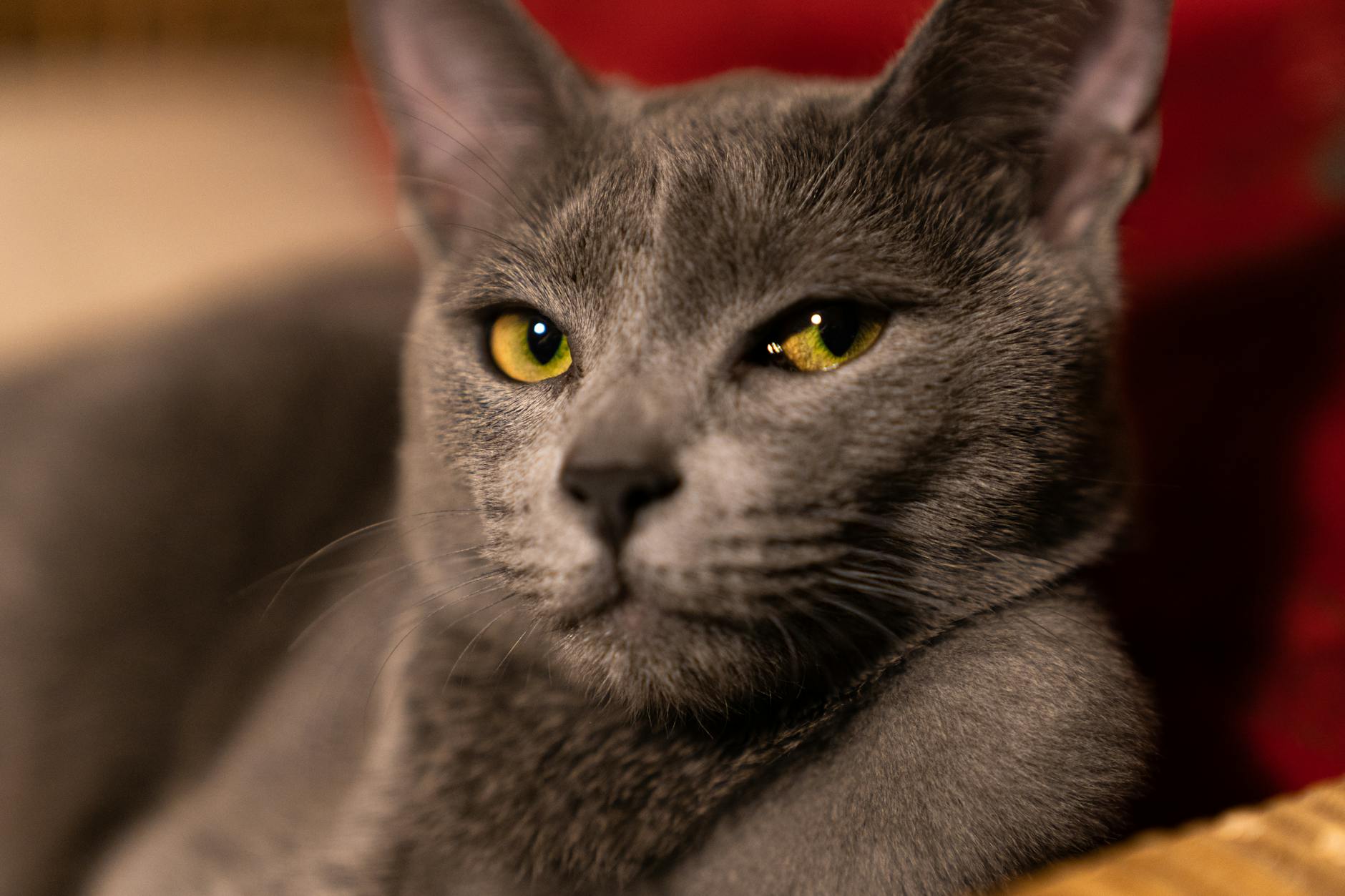
While they look superficially similar, the Russian Blue has a dense double coat and a wedge-shaped head, whereas the Thai Lilac has a single, close-lying coat and a heart-shaped head. Temperamentally, Thai Lilacs are far more demanding, vocal, and outgoing than the typically reserved and quiet Russian Blue.
Are Thai Lilacs hypoallergenic?
No cat is truly hypoallergenic, but because the Thai Lilac has a short, single coat and sheds very little, they produce fewer airborne dander particles. Many mild allergy sufferers find they tolerate this breed much better, though you should spend time around one before committing.
Is the Thai Lilac a recognized breed?
Yes, they are recognized by major registries like the GCCF in the UK as a separate variety, and often registered within the Thai or Korat breed groups in TICA, showcasing their distinct frost-grey genetic coloration.
Do they vocalize as loudly as Siamese cats?
They are highly communicative and vocal, but their voice is softer, sweeter, and less raspy than a traditional Siamese. They will ‘chirp’ and chatter to tell you about their day or demand their dinner.
Why do they have a ‘silver’ sheen to their coat?
The unique look of the Thai Lilac comes from silver tipping on the ends of their warm, lavender-pink fur. As light hits their short coat, the silver tips reflect it, giving them a beautiful, luminescent glow.
How do I prevent my Thai Lilac from getting bored?
Provide complex puzzle feeders, tall cat trees, window perches with bird feeders outside, and commit to daily interactive play. Rotating their toys weekly keeps their highly intelligent minds from finding creative, destructive ways to entertain themselves.
Are they prone to obesity?
Yes, because they are indoor cats who love food, they can easily gain weight as they age and their activity levels slow. I advise strict portion control and monitoring their body condition score closely with your veterinarian.
Do Thai Lilacs suffer from separation anxiety?
Yes, this is one of their most prominent behavioral traits. They form such tight bonds with their humans that being left alone for more than a few hours can cause them severe distress, resulting in excessive crying or destructive scratching.
What eye color do Thai Lilac cats have?
As kittens, their eyes are amber-yellow, but they gradually mature into a brilliant, luminous green by the time they reach two to four years of age, contrasting beautifully with their lilac coat.
Do they get cold easily?
Yes, because they originated in Thailand and have a single coat with no protective undercoat, they are very sensitive to cold drafts. Keep your home warm, and consider placing heated pet beds or cozy blankets in their favorite sleeping spots.
How do I find a reputable Thai Lilac breeder?
Look for breeders registered with governing bodies like the GCCF or TICA who openly provide written proof of DNA clearance for GM1 and GM2 gangliosidosis. Avoid any breeder who cannot show you official veterinary health clearances for the parents.
Are they good with dogs?
Yes, they excel in homes with friendly, cat-respecting dogs. Their bold, active personality means they are rarely intimidated, and they will often curl up to sleep next to a canine companion for warmth.