
Bullmastiff Breed Guide
Quick Summary
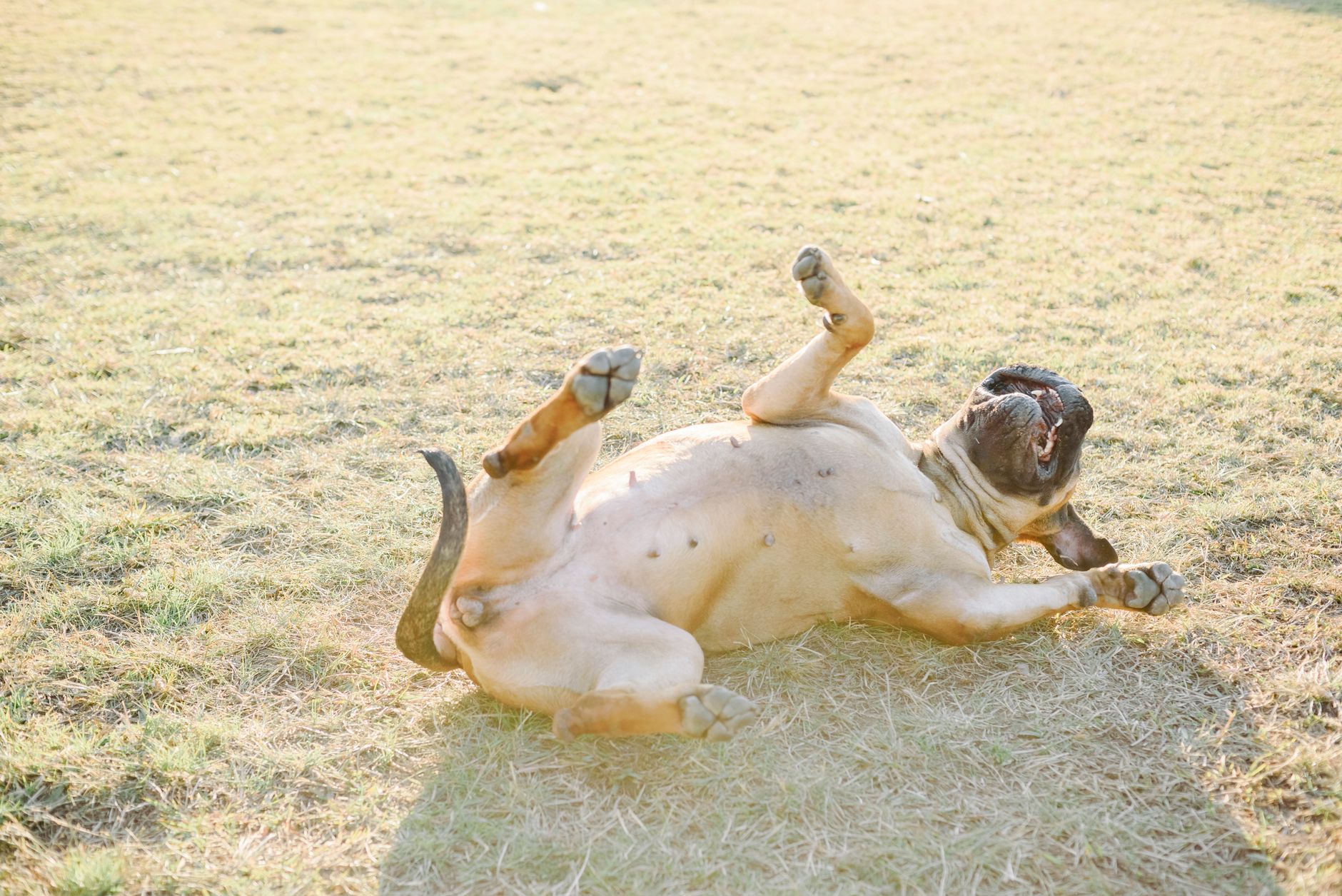
As a veterinarian, I describe the Bullmastiff as a massive, deeply devoted guardian that combines a gentle family protector’s soul with the sheer power of a giant working breed. Best suited for experienced owners who can confidently handle a 130-pound powerhouse, they require structured early training and proactive medical management to mitigate genetic orthopedic and cardiac risks.
Quick Facts
- origin countryUnited Kingdom
- breed groupWorking Group (AKC)
- sizeGiant
- weight range100 – 130 lbs (45 – 59 kg)
- height range24 – 27 inches (61 – 69 cm)
- lifespan7 – 9 years
- coat typeShort, dense, and weather-resistant
- common colorsFawn, Red, or Brindle, typically with a black muzzle
- other namesThe Gamekeeper’s Night Dog
- recognized byAKC, UKC, ANKC, KC (UK)
Caring for a Bullmastiff
Living with a Bullmastiff means sharing your home with a literal giant who often thinks they are a lapdog. In my years treating this breed, I emphasize that managing their massive physical footprint requires active prevention of household hazards, like slippery floors which can damage their developing joints. They do not need miles of running, but they do require daily structured walks and mental stimulation to keep their powerful minds occupied. Potential owners must prepare for substantial drool, regular skin fold hygiene, and a commitment to handling a dog that can easily outweigh its owner.
Is a Bullmastiff a good family pet?
Yes, they are outstandingly loyal and patient family protectors who form deep bonds with all household members. However, due to their immense size, I always warn parents that they can easily knock over toddlers accidentally. Supervision is mandatory, and early socialization is key to ensuring their natural guarding instinct remains gentle.
Do Bullmastiffs shed a lot?
They are moderate shedders, but because of their size, the short, stiff hairs can accumulate rapidly on furniture and clothes. Weekly brushing with a rubber curry brush helps keep the shedding manageable and keeps their coat gleaming. They also undergo seasonal coat blows twice a year where shedding increases significantly.
Is a Bullmastiff good for first-time owners?
I strongly advise against a Bullmastiff for novice dog owners. Their sheer physical power, coupled with an independent, strong-willed temperament, requires a handler who understands canine body language and positive reinforcement training. Without experienced leadership, they can quickly become unmanageable on a leash or overly protective of their territory.
Temperament & Personality
The Bullmastiff temperament is a fascinating study in quiet confidence; they are typically calm, silent observers who rarely bark unless there is a genuine threat. In my practice, I find them to be incredibly affectionate homebodies who prefer lounging on the sofa to high-intensity activities. They possess a strong protective drive inherited from their gamekeeper ancestors, meaning they are naturally aloof with strangers until introduced by their owner. While docile indoors, they maintain an undercurrent of stubborn independence that requires consistent, respectful guidance.
Is a Bullmastiff good with other pets?
They can co-exist beautifully with other household pets if raised together from puppyhood, but they can be dog-aggressive, especially with dogs of the same sex. Their high prey drive also means they may chase cats or smaller animals outside. I always recommend early socialization and careful, leashed introductions with other animals.
How much attention does a Bullmastiff need?
While they are independent enough to tolerate being alone during a standard workday, they are deeply people-oriented and crave being part of the family circle when you are home. Leaving them isolated in a backyard can lead to severe separation anxiety, destructive chewing, or territorial aggression. They need to live indoors close to their human pack.
Training & Behavior
Training a Bullmastiff must begin the day they arrive home as a 15-pound puppy, because by nine months, they will easily weigh over 80 pounds. I always tell my clients that traditional harsh training methods will fail miserably here; these dogs are highly sensitive and will simply shut down if treated poorly. They require positive, reward-based training coupled with calm, unyielding consistency to respect boundaries. Because they were bred to capture poachers without biting, their instinct is to block or pin, which can manifest as stubborn leaning if not properly channeled.
Training Tips
- Start obedience training on day one to establish manners before they reach 100+ pounds.
- Use high-value food rewards and praise; avoid physical corrections which can trigger defensive behavior.
- Prioritize leash manners early, using front-clip harnesses to manage pull strength.
- Socialize intensively in the first 16 weeks to prevent their natural guarding drive from turning into fear aggression.
Fun Activities
- Scent work and tracking games
- Low-impact obedience trials
- Structured carting or pulling (only after growth plates close at 2 years)
- Therapy dog work (for exceptionally calm individuals)
Is a Bullmastiff easy to train?
They are highly intelligent but possess a distinct stubborn streak, meaning they are not ‘easy’ to train in the way a Golden Retriever is. They will evaluate your commands and may ignore them if they do not see a point or if the trainer lacks confidence. Consistent, daily 5-minute training sessions with high-value rewards yield the best clinical results.
Bullmastiff Health Issues

As a giant breed, the Bullmastiff has a relatively short lifespan and is susceptible to several serious genetic and orthopedic conditions. In my clinical practice, I emphasize that proactive screening and keeping these dogs lean are the two single most effective ways to prolong their lives and maintain their comfort.
Gastric Dilatation-Volvulus (GDV / Bloat)
A life-threatening medical emergency where the stomach fills with gas and twists on its axis, cutting off blood supply. It requires immediate emergency surgical intervention.
Hip and Elbow Dysplasia
Genetic skeletal conditions where the ball-and-socket joints do not fit together properly, leading to progressive, painful arthritis and lameness.
Subaortic Stenosis (SAS)
A congenital heart defect where a narrowing below the aortic valve forces the heart to work harder, which can lead to heart failure or sudden death.
Mast Cell Tumors (MCTs)
A very common form of skin cancer in Bullmastiffs; these tumors can appear as simple benign-looking skin lumps but are often highly malignant.
Cranial Cruciate Ligament (CCL) Rupture
The canine equivalent of an ACL tear, common in large, heavy breeds due to sudden twisting forces or chronic joint wear.
Entropion and Ectropion
Eyelid abnormalities where the eyelids roll inward (rubbing eyelashes against the cornea) or outward (exposing delicate tissues to debris).
How long do Bullmastiffs typically live?
On average, Bullmastiffs live between 7 to 9 years. While this is tragically short compared to smaller breeds, keeping them lean, providing joint supplements early in life, and pursuing preventative procedures like a prophylactic gastropexy can help maximize their golden years.
What to Feed a Bullmastiff
Feeding a giant breed is a major financial and nutritional responsibility. Incorrect feeding during their rapid puppy growth phase can cause catastrophic, irreversible bone and joint deformities.
Best Diet
I recommend a high-quality, large-breed or giant-breed specific commercial kibble. For puppies, the food must have carefully calibrated calcium-to-phosphorus ratios (ideally 1.1:1 to 1.3:1) and controlled energy density to ensure they grow slowly and steadily rather than too quickly.
How to Feed
To mitigate the extreme risk of bloat (GDV), never feed your Bullmastiff using a single large meal; instead, split their daily portion into at least two, preferably three, smaller meals. Additionally, ensure they rest quietly for at least one hour before and one hour after eating—no vigorous play or running.
How Much to Feed
Portions vary wildly based on age, activity level, and the caloric density of the specific food, ranging from 4 to 8 cups daily. I always advise my clients to feed for a lean body condition score of 4 out of 9, meaning you can easily feel their ribs but not see them.
Nutritional Tips
Incorporate joint support supplements containing glucosamine, chondroitin, and high-quality EPA/DHA omega-3 fatty acids early in life, around 1 year of age. Avoid over-supplementing with calcium during puppyhood, as this can severely disrupt skeletal development.
Bullmastiff Grooming Guide
While they have a short coat, their grooming routine is more about skin maintenance than hair styling. Owners must be comfortable managing drool and cleaning facial folds to prevent chronic yeast and bacterial infections.
Coat Care
Brush weekly with a rubber grooming mitt or medium-bristle brush to remove dead hair and distribute skin oils. Bathing is only necessary every 6 to 8 weeks unless they get dirty, as over-bathing can dry out their sensitive skin.
Skin Care
The facial wrinkles require daily attention. Gently wipe inside the folds with a damp cloth or specialized antiseptic pet wipe, and thoroughly dry them afterwards to prevent intertrigo (skin fold dermatitis).
Eye Care
Check eyes daily for discharge, redness, or signs of irritation from rolling eyelids. Use a damp cotton ball to wipe away any tear crusts, wiping outward from the inner corner.
Ear Care
Inspect and clean ears bi-weekly using a veterinarian-approved, drying ear cleanser to prevent yeast infections, especially if your dog loves water.
Nail & Dental Care
Trim their thick nails every 3 to 4 weeks using heavy-duty clippers or a dremel, as long nails alter their foot structure and worsen joint strain. Brush their teeth at least three times a week with dog-safe enzymatic toothpaste.
Considerations for Pet Parents
Pros
- Incredibly loyal, devoted, and natural family guardian.
- Relatively low exercise requirements; happy with moderate daily walks.
- Quiet indoor companions who rarely bark unnecessarily.
- Short, low-maintenance coat that is easy to brush.
- Highly affectionate and loving with their immediate family.
Cons
- Prone to heavy drooling, snoring, and flatulence.
- Short average lifespan of only 7 to 9 years.
- High risk of expensive medical issues like bloat and orthopedic surgeries.
- Can be stubborn and difficult to manage without strong leadership.
- Potential for dog-directed aggression if poorly socialized.
Best For
They are best for experienced dog owners who live in a spacious home (ideally with a fenced yard) and have the physical strength and time to commit to early socialization, lifelong training, and the financial demands of a giant breed’s veterinary care.
Not Recommended For
I do not recommend them for first-time owners, apartment dwellers with strict space constraints, people who are squeamish about drool and shedding, or households where the owners are away for long, uninterrupted stretches of the day.
Cost
- purchase price$1,500 – $3,000
- monthly cost$200 – $400
- initial setupExpect to spend $1,500 – $2,500 initially on extra-large crates, heavy-duty orthopedic beds, high-volume feeding supplies, heartworm/flea prevention scaled to giant weight classes, and puppy veterinary visits.
Similar Breeds

Bullmastiff FAQs
How do Bullmastiffs handle hot weather?
Because of their shortened muzzles (brachycephalic tendency) and massive body mass, Bullmastiffs heat up quickly and struggle to cool down. In my practice, I see heatstroke in this breed far too often; they must have access to air conditioning and shade, and strenuous exercise should be strictly avoided in temperatures over 80°F (26°C).
Do Bullmastiffs drool constantly?
Yes, they are notorious droolers, especially after drinking water, eating, during exercise, or when they are warm or excited. I tell my clients to keep ‘slobber rags’ scattered around the house. If you cannot tolerate wet spots on your furniture or clothes, this is definitely not the breed for you.
Are Bullmastiffs aggressive?
By nature, they are protective but not inherently aggressive. They were bred to track and pin intruders quietly rather than maul them. However, without extensive socialization, their strong guarding instinct can manifest as dangerous aggression toward strangers or other animals, which is why early training is clinically vital.
Can a Bullmastiff live in an apartment?
While they are relatively low-energy indoors, I generally discourage apartment living unless the building has an elevator. Walking a 130-pound dog up and down stairs daily can severely exacerbate hip and elbow dysplasia, and their massive size makes navigating tight hallways difficult.
Are they good with cats?
They can live harmoniously with cats if they are introduced carefully at a young age and trained to respect the cat’s space. However, they do possess a moderate prey drive, meaning they may chase outdoor cats or strange small animals. I always recommend caution and crate training during the transition period.
When does a Bullmastiff stop growing?
They reach their full height by around 12 to 18 months of age, but they will continue to ‘fill out’ and add muscle mass until they are 2 to 3 years old. I advise waiting until they are at least 2 years old before engaging in high-impact activities to allow their growth plates to fully close.
How much exercise does a Bullmastiff need?
They require surprisingly moderate exercise compared to other large breeds. Two 20-to-30 minute walks a day at a steady pace, combined with some mental stimulation, are usually enough to keep them healthy. Over-exercising them, especially as puppies, can cause permanent damage to developing joints.
Why do Bullmastiffs snore so loudly?
Their shorter, broader skulls and soft palates restrict airflow slightly, which leads to heavy breathing, grunting, and legendary snoring. While mild snoring is normal for the breed, if you notice your dog gasping for air, choking, or struggling to breathe, you should consult your vet to rule out elongated soft palate issues.
How do I prevent my Bullmastiff from leaning on people?
Leaning is a classic mastiff trait used to guide, claim, or comfort themselves, but a 130-pound lean can knock someone over. To discourage this, do not reward the behavior with attention. Step away when they lean, and ask for a ‘sit’ or ‘down’ before giving them affection.
Are Bullmastiffs prone to skin allergies?
Yes, they have sensitive skin and are highly susceptible to environmental and food allergies. In my clinic, I frequently treat them for hot spots, hives, and chronic ear infections triggered by atopic dermatitis. Using hypoallergenic shampoos and keeping their coat dry is critical.
Is a male or female Bullmastiff better?
Males are significantly larger (often 20+ pounds heavier) and can be more stubborn and territorial, requiring a very confident handler. Females are generally smaller, slightly easier to train, and can be highly protective of their family but are sometimes less tolerant of other female dogs.
What are the anesthesia risks for Bullmastiffs?
Like many giant, deep-chested breeds, Bullmastiffs can be highly sensitive to anesthesia and sedative drugs. I always counsel my clients to ensure their vet is experienced with giant breeds, uses modern monitoring equipment, and performs pre-anesthetic blood work to check organ function.
Should I get my Bullmastiff gastropexy surgery?
Yes, I highly recommend discussing a prophylactic gastropexy (preventative stomach tacking) with your vet, usually performed at the time of spaying or neutering. This surgery prevents the stomach from twisting, which is the truly fatal aspect of Gastric Dilatation-Volvulus (GDV/Bloat).
Why is my Bullmastiff chewing on everything?
Heavy chewing is often a sign of boredom, anxiety, or teething in puppies. Because of their immense jaw strength, they can easily destroy standard toys and ingest dangerous pieces, leading to intestinal blockages. Provide only extremely durable, non-toxic, giant-breed approved chew toys under supervision.