
Oriental Longhair Breed Guide

Quick Summary
The Oriental Longhair is a striking, highly intelligent, and incredibly vocal companion that possesses the elegant, svelte lines of the Siamese wrapped in a silky, single coat. Ideal for active households, these ‘velcro’ cats demand constant human engagement and thrive on mental stimulation, making them a poor choice for owners who are away for long stretches of the day.
Quick Facts
- origin countryUnited Kingdom / United States
- breed groupOriental
- sizeMedium, long-bodied and elegant
- weight range5 to 12 lbs (2.3 to 5.4 kg)
- height range9 to 11 inches (23 to 28 cm)
- lifespan12 to 15+ years
- coat typeSemi-long, fine, silky, lying close to the body with no dense undercoat
- common colorsOver 300 combinations including solid ebony, blue, lavender, cinnamon, fawn, various tabbies, torties, and silver-tipped varieties
- other namesMandarin, British Angora
- recognized byCFA, TICA, FIFe, GCCF
Caring for a Oriental Longhair
Living with an Oriental Longhair is an active partnership, not a passive pet-ownership experience. In my years treating this breed, I have found that they are happiest when integrated into every aspect of your daily routine—from shadowing you to the shower to inspecting your grocery bags. Because they lack a dense undercoat, their grooming is incredibly manageable, but their need for environmental enrichment is sky-high. If you do not provide them with puzzle feeders, climbing towers, and active play, they will invent their own entertainment, which often involves opening cupboards and clearing off countertops.
Is a Oriental Longhair a good family pet?
Yes, they make spectacular family pets for active households. They thrive on the extra attention, love playing interactive games with respectful children, and generally enjoy the constant hustle and bustle of a busy home.
Do Oriental Longhairs shed a lot?
They shed a moderate amount, but significantly less than double-coated breeds like the Persian or Siberian. Their single, silky coat means you will deal with minimal loose undercoat and far fewer mats.
Is a Oriental Longhair good for first-time owners?
I generally advise first-time owners to proceed with caution. Their intense emotional demands, high energy levels, and constant vocalizations can be overwhelming for someone expecting a quiet, low-maintenance lap cat.
Temperament & Personality
This is an extroverted, highly sensitive breed that wears its heart on its sleeve. They form incredibly deep bonds with their human family and are famously ‘velcro’ cats that cannot tolerate isolation. What I see most often in practice is that a lonely Oriental Longhair will quickly develop stress-induced behaviors, such as psychogenic alopecia (over-grooming) or cystitis. They are also highly opinionated and will chat with you in a distinctive, raspy voice to tell you exactly how they feel about their feeding schedule.
Is a Oriental Longhair good with other pets?
They excel in multi-pet homes and actually prefer having a companion. I always recommend pairing them with another active cat—ideally another Siamese or Oriental—or a cat-friendly dog to keep them company when you are away.
How much attention does a Oriental Longhair need?
They require a significant amount of daily interaction. This is not a cat that can be left alone for 10 hours a day; they expect to cuddle, play, and sit on your lap for several hours daily to remain emotionally healthy.
Training & Behavior
With their razor-sharp intellect, Oriental Longhairs are highly receptive to training. They learn tricks with dog-like ease and love the mental challenge of clicker training. However, their smarts can be a double-edged sword; in my clinic, clients often share stories of these cats figuring out how to open latches, turn on faucets, or break into treats.
Training Tips
- Utilize clicker training early to channel their high intelligence productively
- Keep training sessions short (3-5 minutes) and highly rewarding with freeze-dried meat treats
- Teach them a solid ‘retrieve’ command to satisfy their high play drive
- Avoid reprimands, as this sensitive breed responds poorly to negative feedback
Fun Activities
- Playing fetch with lightweight plush or crinkle toys
- Navigating agility courses built from household cushions and boxes
- Walking outdoors on a secure, H-style harness
- Solving advanced, multi-step feline puzzle feeders
Is a Oriental Longhair easy to train?
Yes, they are exceptionally easy to train compared to most cat breeds. Their natural curiosity and desire to interact with their owners make them perfect candidates for learning commands, fetch, and leash-walking.
Oriental Longhair Health Issues
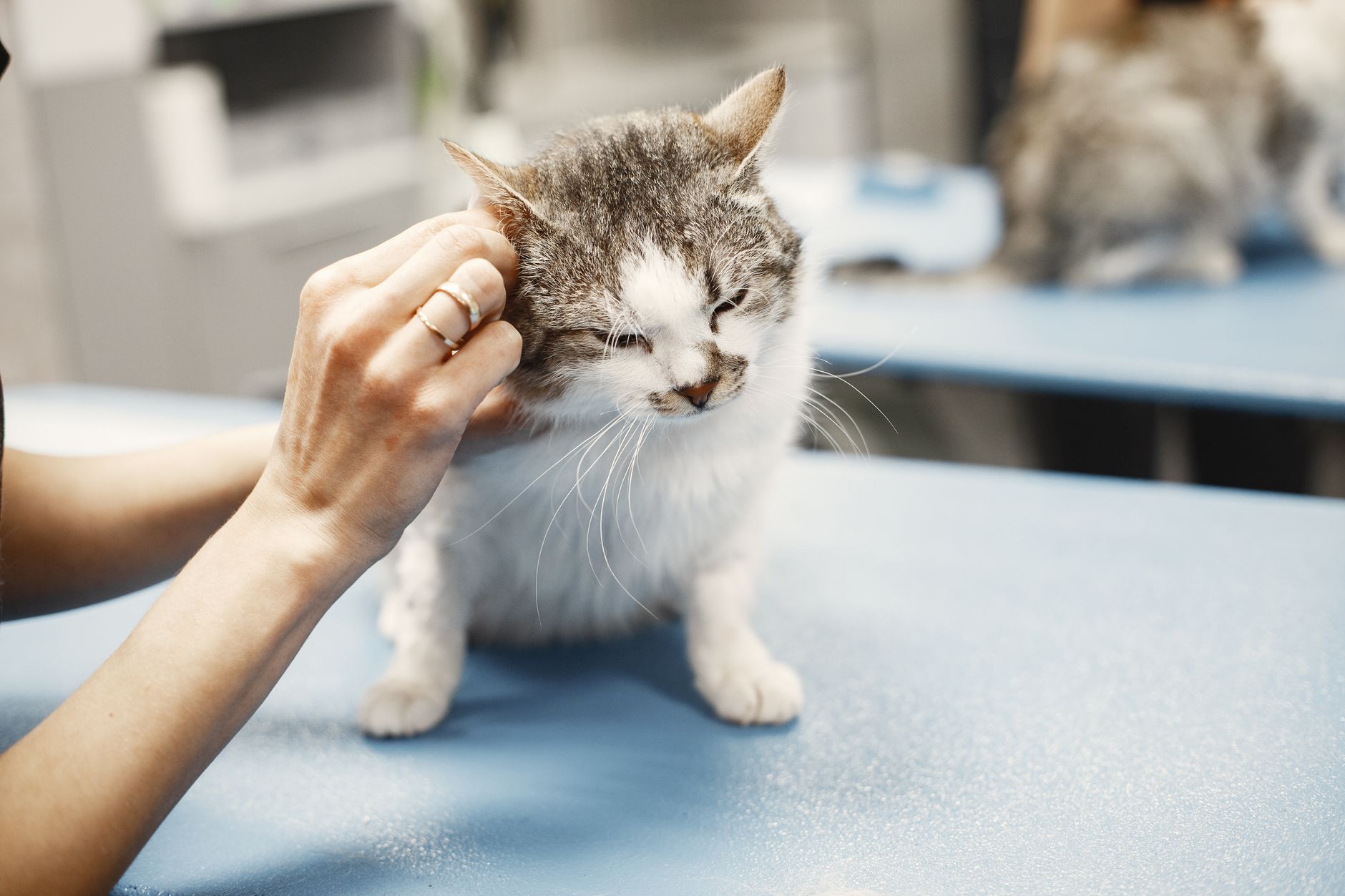
As members of the Siamese breed group, Oriental Longhairs are predisposed to several inherited genetic conditions. While they are athletically built and generally robust, proactive screening and maintaining a lean body condition are critical veterinary goals for this breed.
Systemic Amyloidosis
An inherited disease where abnormal amyloid proteins deposit in organs, primarily the liver in Oriental breeds, leading to progressive organ damage and eventual liver failure.
Progressive Retinal Atrophy (PRA)
A genetic, late-onset degeneration of the retina that leads to progressive vision loss and, ultimately, complete blindness, though affected cats adapt remarkably well to their environment.
Hypertrophic Cardiomyopathy (HCM)
The most common heart disease in felines, characterized by the abnormal thickening of the left ventricular muscle wall, which can lead to congestive heart failure or aortic thromboembolism.
Early-Onset Periodontal Disease
Due to their narrow, wedge-shaped head structure, they suffer from dental crowding which fosters rapid plaque buildup, leading to severe gingivitis and tooth resorption.
Feline Asthma
An inflammatory airway disease that is clinically overrepresented in Siamese-type breeds, causing bronchoconstriction and respiratory distress.
How long do Oriental Longhairs typically live?
With diligent veterinary care, a high-quality diet, and routine dental care, they typically live between 12 and 15 years, though it is not uncommon for them to reach 18 to 20 years.
What to Feed a Oriental Longhair
Oriental Longhairs are naturally active, svelte cats with a fine-boned frame. It is vital to keep them lean, as excess weight places immediate and dangerous strain on their delicate skeletal structure and can exacerbate cardiac or respiratory issues.
Best Diet
I highly recommend a high-protein, low-carbohydrate wet food diet. This closely mimics their natural dietary requirements, supports their lean muscle mass, and ensures excellent hydration to safeguard their kidneys.
How to Feed
Avoid free-feeding dry kibble, which easily leads to obesity. Instead, feed measured meals 2 to 3 times per day, ideally using puzzle feeders or lick mats to slow down their eating and keep their active minds working.
How Much to Feed
An average, active 9-pound adult Oriental Longhair requires roughly 220 to 250 calories per day. However, metabolic rates vary, so always consult your veterinarian to establish a precise portion size based on their body condition score.
Nutritional Tips
Look for diets enriched with Omega-3 fatty acids (EPA and DHA) to support their skin and promote a glossy, silky coat. For cats with a history of airway sensitivity or asthma, keeping their body condition score strictly at a 4/9 or 5/9 is a proven way to reduce respiratory inflammation.
Oriental Longhair Grooming Guide
Despite their ‘longhair’ designation, grooming this breed is incredibly simple. Because their coat is single-layered, it lacks the dense, mat-prone undercoat found in other longhaired breeds, making coat maintenance a breeze.
Coat Care
Brush their silky coat once or twice a week with a soft-bristled brush or a stainless steel comb. This is usually sufficient to remove dead hairs and keep their coat lying flat and looking brilliantly glossy.
Skin Care
Baths are rarely necessary unless they get dirty. Regular brushing is usually enough to distribute natural skin oils and prevent dry, flaky skin.
Eye Care
Their large, expressive eyes are generally low-maintenance, but you should wipe away any mild tearing or sleep crust using a soft, damp cloth.
Ear Care
Their large, open ears can collect dirt and wax; inspect them weekly and gently wipe the outer canal with a cotton pad moistened with a vet-approved ear cleaner if needed.
Nail & Dental Care
Trim their nails every 2 weeks. Daily dental brushing with a feline enzymatic toothpaste is non-negotiable for this breed due to their high genetic susceptibility to severe periodontal disease.
Considerations for Pet Parents
Pros
- Deeply affectionate and intensely bonded to their humans
- Highly intelligent and exceptionally easy to train
- Sleek, low-maintenance silky coat that rarely mats
- Retains a highly playful, kitten-like energy well into their senior years
- Thrives in vibrant, multi-pet households
- Striking, elegant, and uniquely exotic aesthetic
Cons
- Incredibly vocal with a loud, raspy, and persistent meow
- Highly prone to separation anxiety if left alone
- Can be emotionally demanding and possessive of their owners
- Prone to several inherited genetic conditions like Amyloidosis and PRA
Best For
Active families, work-from-home professionals, or households with other pets who want a highly communicative, energetic, and deeply affectionate feline shadow to share their lives with.
Not Recommended For
Individuals who work long hours outside the home with no other pets, or those who prefer a quiet, independent, low-maintenance cat.
Cost
- purchase price$1,500 to $3,000 USD
- monthly cost$100 to $180 USD
- initial setupPlan to spend $500 to $800 initially on essential vaccinations, spay/neuter surgery, high-quality climbing trees, scratchers, and an array of puzzle toys to keep them stimulated.
Similar Breeds

Oriental Longhair FAQs
What is the difference between an Oriental Longhair and a Balinese?
While both breeds share a similar ancestry, body type, and coat length, the key difference is color. Balinese cats are strictly point-restricted (possessing a light body with dark points on the ears, face, paws, and tail and blue eyes), whereas Oriental Longhairs can be bred in over 300 different color and pattern combinations, and typically have green eyes.
Are Oriental Longhairs hypoallergenic?
No cat is truly hypoallergenic. While the Oriental Longhair’s single coat means they produce less airborne dander than double-coated breeds, they still produce the Fel d 1 protein in their saliva and skin glands, which is the primary trigger for cat allergies.
How loud are Oriental Longhairs?
They are exceptionally vocal. Like their Siamese cousins, they have a loud, raspy, and distinct voice and will vocalize persistently to greet you, request food, demand attention, or simply comment on your activities.
Can they be left alone during the work day?
I strongly advise against leaving them completely alone. If you work long hours, they should have a companion animal, such as another cat or a friendly dog, and plenty of environmental enrichment to prevent severe separation anxiety.
Do they get along well with dogs?
Yes, they are highly social and confident cats. As long as the dog is cat-friendly, Orientals often become fast friends with them, frequently playing fetch together or cuddling up for warmth.
How often do they need to be brushed?
Because they lack a dense undercoat, brushing them once or twice a week with a fine comb or soft slicker brush is more than enough to keep their coat silky, flat, and free of tangles.
Are they prone to any specific eye conditions?
Yes, they are genetically predisposed to Progressive Retinal Atrophy (PRA), which causes gradual blindness. Responsible breeders screen their breeding stock for the gene responsible for this condition.
Why is dental care so important for this breed?
Their narrow, wedge-shaped head structure results in dental crowding, which accelerates plaque accumulation. Without daily brushing, they are highly prone to severe gingivitis and painful tooth resorption early in life.
Do they need a lot of exercise?
Yes, they are highly athletic and energetic. They require active daily play sessions, vertical spaces like tall cat trees to climb, and puzzle toys to burn off both physical and mental energy.
What is systemic amyloidosis in Oriental cats?
It is an inherited disease where abnormal amyloid proteins deposit in organs—most commonly the liver in Orientals—causing inflammation, tissue damage, and eventually progressive liver failure.
Can Oriental Longhairs live in apartments?
They can adapt well to apartment living, but only if they are provided with plenty of vertical space (like cat trees and window perches) and active daily play to make up for the smaller footprint.
Do they enjoy walking on a leash?
Many Oriental Longhairs can be easily trained to walk on a harness and leash. Their bold, curious nature makes them excellent candidates for safe outdoor exploration.
Why does my Oriental Longhair suck on blankets?
This is a common behavioral trait in Siamese and Oriental breeds, often referred to as ‘wool sucking.’ It is a self-soothing behavior related to their genetic makeup, but should be monitored to ensure they do not ingest fibers.
How do I know if my Oriental Longhair is depressed?
Signs of depression or stress in this breed include sudden hiding, a decrease in vocalization, loss of appetite, over-grooming (especially on the belly or legs), or urinating outside the litter box. Always consult a vet if you notice these signs.
Sources & Further Reading
- The Cat Fanciers’ Association (CFA)
- Merck Veterinary Manual
- Cornell University College of Veterinary Medicine
- International Cat Care