
Nebelung Breed Guide

Quick Summary
The Nebelung is a rare, breathtakingly beautiful semi-longhaired cat known for its shimmering blue coat and deep, loyal bond with its chosen family. Extremely intelligent but naturally reserved around strangers, this gentle breed thrives in a calm, structured home where they can shower their favorite humans with quiet affection.
Quick Facts
- origin countryUnited States
- breed groupSemi-longhair
- sizeMedium
- weight range8 – 15 lbs (3.6 – 6.8 kg)
- height range9 – 12 inches (23 – 30 cm)
- lifespan13 – 18 years
- coat typeDouble coat, semi-long, silky, silver-tipped
- common colorsSolid blue (gray) with silver tipping
- other namesLonghaired Russian Blue, Creature of the Mist
- recognized byTICA, WCF, ACFA, TCA
Caring for a Nebelung
Living with a Nebelung feels like sharing your home with a magical, quiet shadow. I’ve found that they thrive on a predictable daily routine; any sudden change in schedule or loud noise can make them retreat under the bed. They need daily play to keep their sharp minds engaged, but they are equally content sitting quietly next to you while you work. In my experience, they form an intense, almost telepathic bond with one or two key family members.
Is a Nebelung a good family pet?
Yes, but they do best in quieter families with older, respectful children. Loud, chaotic environments with highly active toddlers can easily stress out this sensitive and peace-loving breed.
Do Nebelungs shed a lot?
They shed moderately year-round, but you will experience heavy seasonal shedding (blowouts) during the spring and autumn. Regular brushing is essential to prevent their dense undercoat from matting.
Is a Nebelung good for first-time owners?
They can be a wonderful match for quiet, patient first-time owners who understand cat body language. However, if you are looking for an outgoing, highly social cat who welcomes all guests, their reserved nature might challenge you.
Temperament & Personality
The Nebelung is a masterpiece of quiet devotion, intelligence, and playful curiosity. While they are famously shy and reserved around strangers—often vanishing the moment the doorbell rings—they are incredibly affectionate, playful, and communicative with their trusted circle. I always tell owners to expect a cat that follows them from room to room, gently chirping to share their thoughts.
Is a Nebelung good with other pets?
They generally get along very well with other calm cats and cat-friendly dogs, provided introductions are handled slowly. They do not enjoy high-energy, boisterous animals that constantly invade their personal space.
How much attention does a Nebelung need?
While not demanding in a loud way, they crave emotional closeness and do not like being left alone for long periods. If you work long hours, I highly recommend getting them a calm feline companion to keep them company.
Training & Behavior
With their high intelligence—closely linked to their Russian Blue heritage—Nebelungs are highly trainable if you use positive reinforcement. They learn house rules quickly and can easily be trained to play fetch, walk on a harness, or perform tricks. However, they are sensitive to harsh tones; patience, soft speaking, and treats are your best tools.
Training Tips
- Use clicker training to stimulate their highly active minds
- Introduce harness and leash training gradually indoors first
- Redirect unwanted scratching using tall, sturdy sisal posts
- Keep training sessions short, positive, and treat-focused
Fun Activities
- Interactive puzzle feeders to challenge their intellect
- Playing fetch with lightweight crinkle balls or mice
- Leash walking in a quiet, secure backyard
- Agility courses built with household furniture
- Chasing feather wands and laser pointers
Is a Nebelung easy to train?
Yes, they are highly capable of learning commands, tricks, and house rules. Because they are eager to please their favorite humans, they respond beautifully to positive, treat-based reinforcement.
Nebelung Health Issues
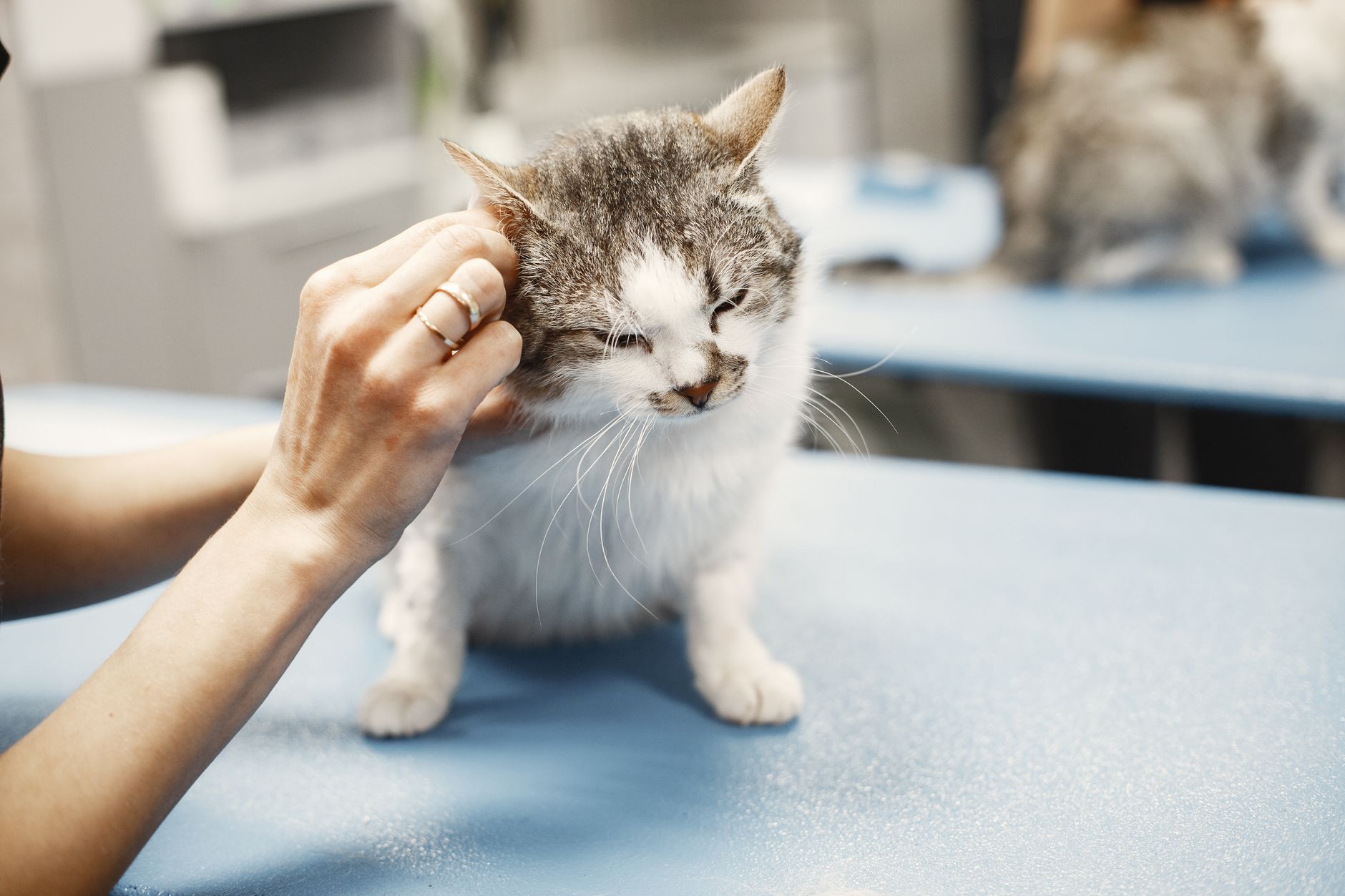
The Nebelung is a robust and naturally healthy breed with few genetic diseases, largely due to their diverse gene pool. However, like all cats, they are prone to certain common feline health issues that owners must proactively manage with their veterinarian.
Obesity
Nebelungs love their food and can easily pack on weight if free-fed, which strains their joints and increases diabetes risk.
Hypertrophic Cardiomyopathy (HCM)
This is a common form of heart disease in cats where the heart muscle thickens, potentially leading to heart failure.
Periodontal Disease
Like many domestic breeds, they can develop tartar buildup and gum inflammation without routine dental care.
Renal Failure (Kidney Disease)
A common issue in aging cats where the kidneys gradually lose their filtering efficiency over time.
How long do Nebelungs typically live?
With proper nutrition, regular veterinary checkups, and an indoor lifestyle, Nebelungs regularly live between 13 and 18 years, with some even reaching their early twenties.
What to Feed a Nebelung
Nebelungs are food lovers who can easily become overweight if their portions aren’t carefully managed. Providing a balanced, high-moisture diet is key to keeping their shimmering coats healthy and protecting their urinary tracts.
Best Diet
I highly recommend a diet rich in high-quality animal proteins, primarily consisting of wet/canned food to ensure optimal hydration. This helps prevent urinary tract stones, which can occur in male cats.
How to Feed
Establish a strict feeding schedule of two to three small, measured meals per day rather than free-feeding kibble. This matches their love for routine and keeps their metabolism stable.
How Much to Feed
Portions should be calculated based on your cat’s weight, age, and activity level. Generally, an average adult Nebelung requires about 200 to 250 calories per day, but you should always consult your vet to tailor this.
Nutritional Tips
Incorporate omega-3 and omega-6 fatty acids into their diet (such as wild salmon oil) to keep their double coat lustrous. Avoid foods with heavy grain fillers that add empty calories.
Nebelung Grooming Guide
Keeping a Nebelung’s striking, misty-blue coat looking its best requires a consistent grooming routine. Fortunately, their silky hair is less prone to matting than that of many other longhaired breeds, but it still requires dedicated care.
Coat Care
Brush their semi-long double coat two to three times a week using a high-quality slicker brush or steel comb. During the heavy shedding seasons of spring and autumn, daily brushing is highly recommended to control loose hair.
Skin Care
Regular brushing naturally distributes their skin’s protective oils throughout the coat. Only bathe them if they get exceptionally dirty, using a gentle, feline-safe shampoo.
Eye Care
Wipe the corners of their eyes with a damp, warm cloth if you notice any minor tearing or buildup.
Ear Care
Check their ears weekly for dirt, wax, or signs of redness, cleaning them gently with a vet-approved ear rinse and a cotton ball.
Nail & Dental Care
Trim their nails every two to three weeks, and brush their teeth at least three times a week with pet-safe toothpaste to prevent periodontal disease.
Considerations for Pet Parents
Pros
- Incredibly loyal, devoted, and loving with family
- Strikingly beautiful shimmering silver-blue coat
- Highly intelligent and easily trained
- Generally quiet and soft-voiced
- Robust health and long lifespan
- Very clean and well-mannered
Cons
- Very shy and fearful around strangers
- Highly sensitive to loud noises and changes in routine
- Prone to separation anxiety if left alone too much
- Requires consistent coat brushing to prevent mats
Best For
This breed is ideal for single owners, couples, or calm, quiet families who have a predictable routine and plenty of time to bond. They are perfect for apartment living and indoor environments.
Not Recommended For
They are not recommended for busy, loud, chaotic households with very young children or high-energy dogs. They will also struggle with owners who travel frequently and leave them alone.
Cost
- purchase price$1,000 – $2,500
- monthly cost$80 – $150
- initial setupExpect to spend around $400 – $800 initially on a high-quality scratching post, grooming tools, carrier, litter box, and initial vet exams/vaccines.
Similar Breeds
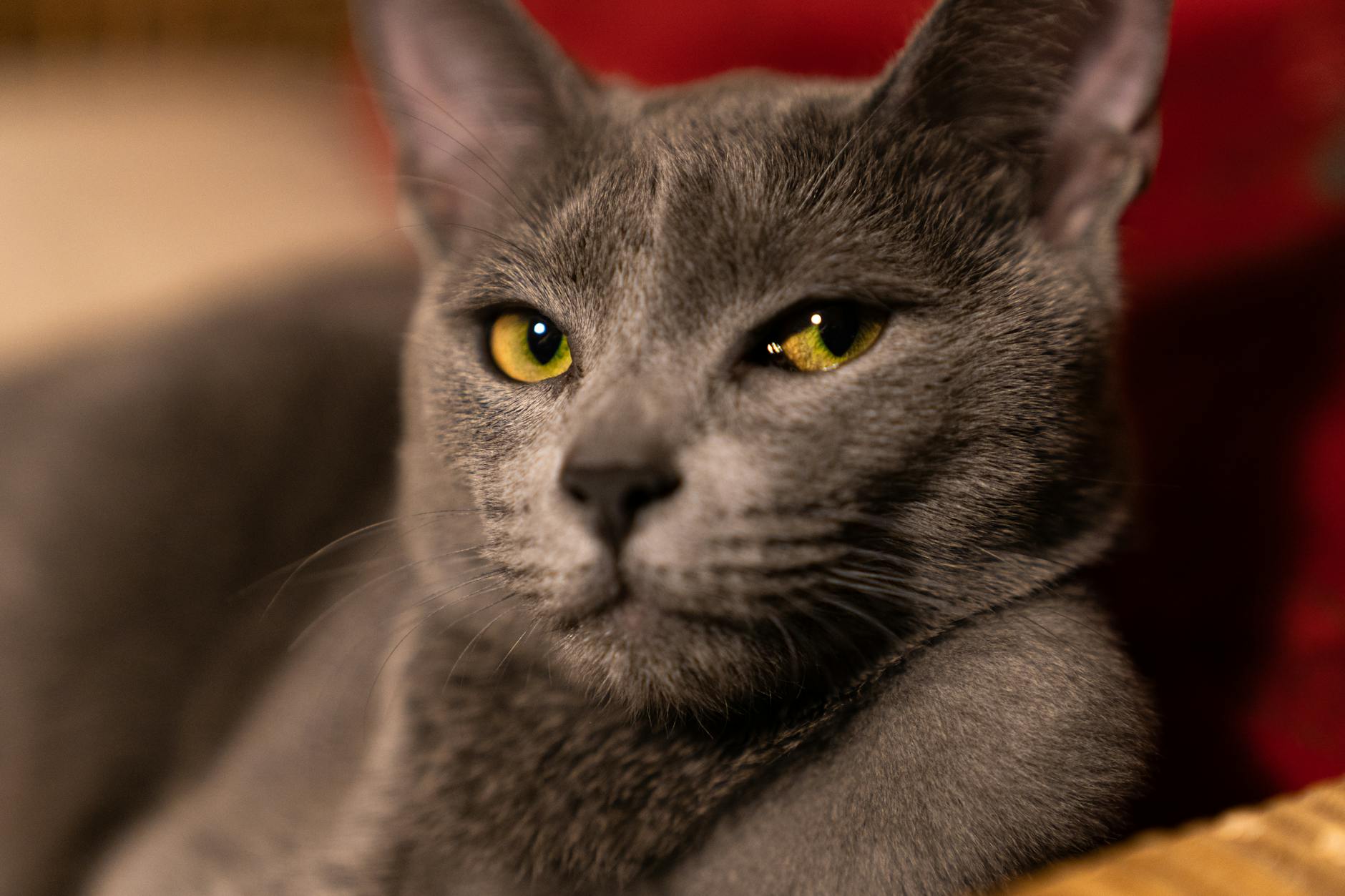
Russian Blue

Chartreux
Nebelung FAQs
What is the difference between a Nebelung and a Russian Blue?
The Nebelung is essentially the semi-longhaired variety of the Russian Blue. While they share the same striking blue-gray coat color, vivid green eyes, and quiet temperament, the Nebelung has a dense, medium-long double coat with a plumed tail, whereas the Russian Blue has a short, dense plush coat.
Do Nebelung cats have green eyes?
Yes, adult Nebelungs always have striking green eyes. They are born with yellow or amber eyes, which gradually transition to a vibrant, vivid green as they mature, usually fully setting in by the time they are two years old.
Are Nebelungs hypoallergenic?
No, Nebelungs are not hypoallergenic. While some people claim they produce fewer allergens because of their dense double coat trapping dander, they still produce the Fel d 1 protein in their saliva and skin, which triggers allergies.
Why is the breed called ‘Nebelung’?
The name ‘Nebelung’ is derived from the German word for mist or fog (‘Nebel’), reflecting the cat’s shimmering, silvery-blue coat that looks like a misty shroud. It was also inspired by the medieval German epic poem, the Nibelungenlied, which featured the foundation cats Siegfried and Brunhilde.
Are Nebelung cats vocal?
Generally, Nebelungs are quiet cats with very soft, sweet voices. They will chirp or meow quietly to communicate with their favorite humans (especially at mealtime), but they are never loud or demanding like Siamese cats.
How do Nebelungs handle being left alone?
They do not handle isolation well. Nebelungs are highly social with their chosen humans and can develop separation anxiety or depression if left alone for standard workdays. Having another cat companion helps immensely.
How big do Nebelung cats get?
They are medium-sized, muscular cats. Males typically weigh between 10 and 15 pounds, while females are slightly smaller, usually weighing between 8 and 11 pounds. They have long, athletic bodies hidden beneath their dense fur.
When do Nebelungs reach full maturity?
Nebelungs are slow-growing cats. They can take up to two years to reach their full adult size, and their striking double coat and rich green eye color may not fully develop until they are around two to three years old.
Do Nebelungs like to climb?
Yes, they are athletic and love high vantage points. I’ve found they feel safest observing their environment from the top of a tall cat tree or shelf, where they can watch the household without feeling exposed.
Can Nebelungs live in apartments?
Absolutely. Because they are quiet, clean, and prefer calm indoor environments, they make exceptional apartment pets. Just ensure they have vertical climbing spaces and interactive toys to keep them stimulated.
Are Nebelungs lap cats?
Yes, but on their own terms and only with people they trust. Once a Nebelung bonds with you, they will happily curl up in your lap, snuggle under the blankets, or sit on your chest for hours.
How often should I bathe my Nebelung?
Rarely. Unless they get into something sticky or dirty, their natural self-grooming and your regular brushing sessions will keep their coat clean. A bath every 3 to 6 months is more than enough.
Do Nebelung cats scratch furniture?
Like all cats, they have an instinct to scratch to shed their claw sheaths and mark territory. Providing them with tall, sturdy scratching posts (ideally sisal and cardboard) and rewarding them for using them will protect your furniture.
Are Nebelungs prone to ear infections?
No, they have upright, open ears that do not easily trap moisture. However, you should still inspect their ears weekly for dirt, wax, or signs of irritation and clean them as needed.
Can Nebelungs go outdoors?
It is highly recommended to keep Nebelungs as indoor-only cats. Their gentle, sensitive nature and natural shyness make them ill-equipped to handle outdoor hazards like traffic, predators, and diseases, though they can enjoy supervised outdoor time on a harness.