
Kanaani Breed Guide
Quick Summary
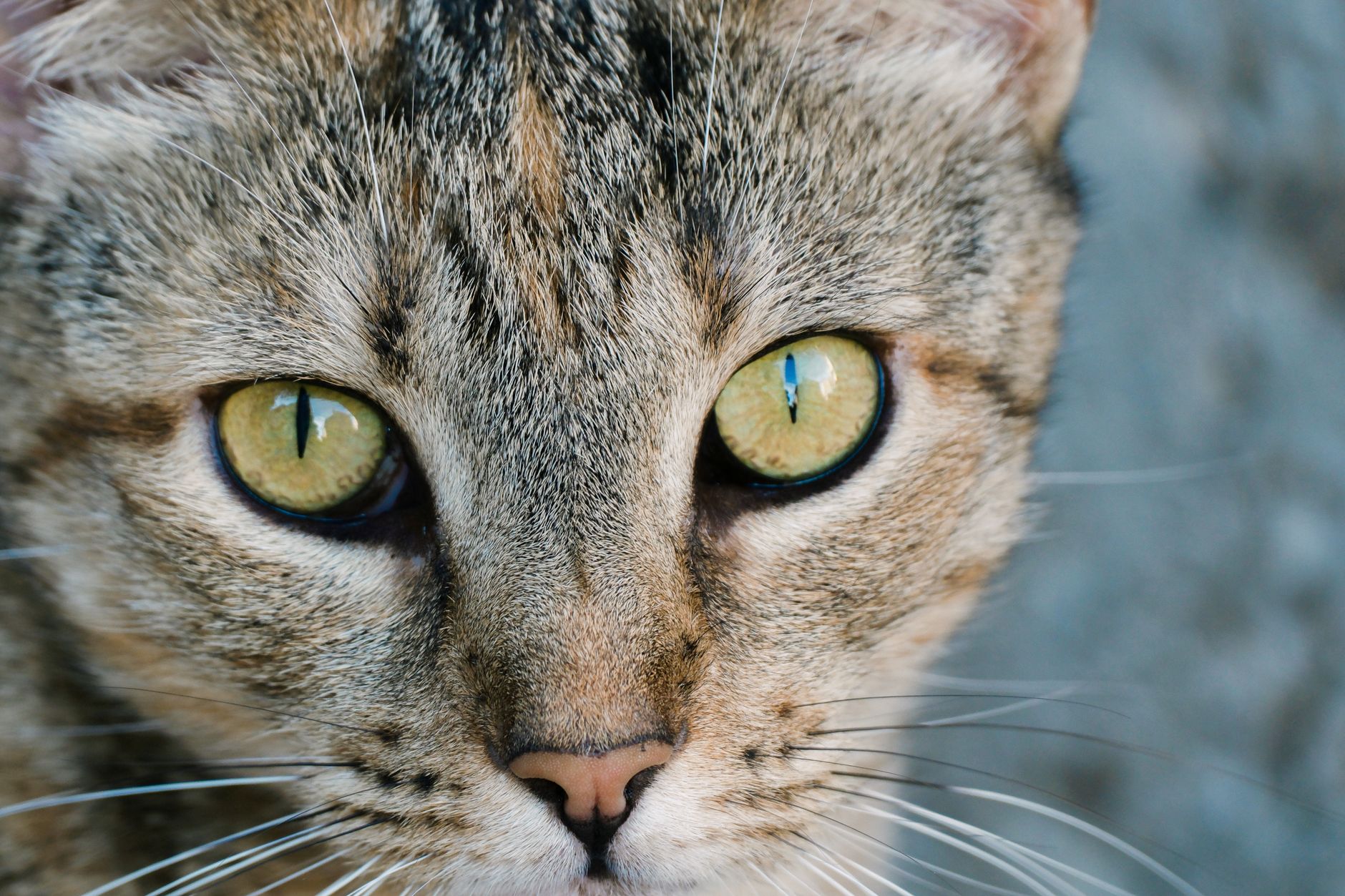
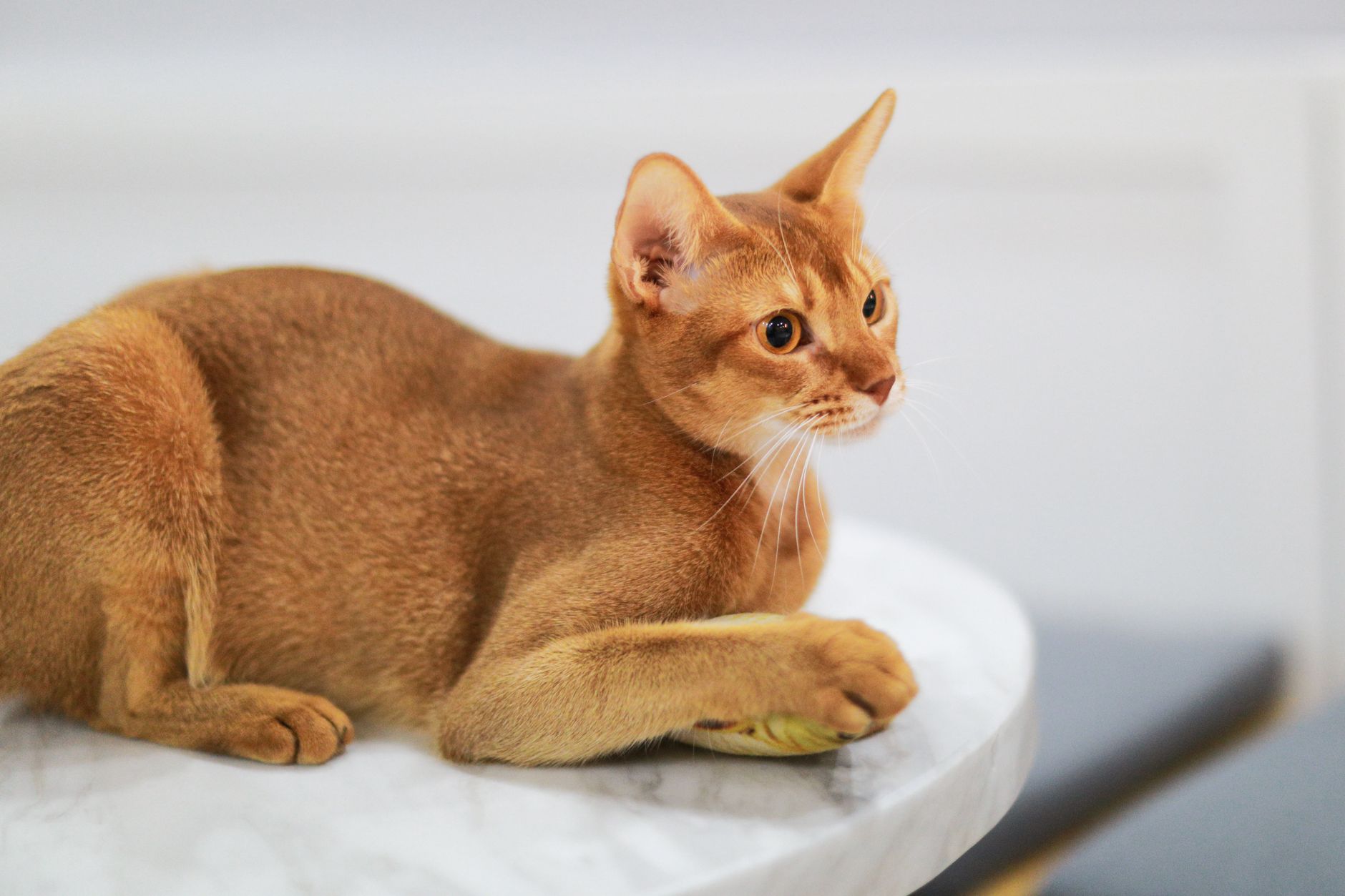
A striking, athletic breed developed in Israel to mirror the look of the African Wildcat, the Kanaani is a highly active, highly intelligent companion that thrives on mental stimulation and physical activity. Ideal for experienced owners who can provide an engaging, three-dimensional home, this rare breed combines an exotic aesthetic with a deeply affectionate, vocal, and interactive personality.
Quick Facts
- origin countryIsrael
- breed groupShorthair (hybrid-derived)
- sizeMedium to Large
- weight range8 – 15 lbs (3.6 – 6.8 kg)
- height range11 – 14 inches (28 – 35 cm)
- lifespan12 – 15 years
- coat typeShort, dense, slightly coarse, with minimal undercoat
- common colorsBeige to cinnamon with dark brown or black spots, distinct ticking
- other namesNone
- recognized byWCF (World Cat Federation)
Caring for a Kanaani
Living with a Kanaani is like sharing your home with a miniature wildcat that has an endless engine. In my clinical experience, these cats do not do well with boredom; they require vertical space, food puzzles, and daily interactive play to prevent destructive behaviors. I always tell owners to think of their environment in three dimensions, installing high cat trees and sturdy wall shelves. While their short coat is wonderfully low-maintenance, their emotional and mental needs require a dedicated time investment.
Is a Kanaani a good family pet?
Yes, for active families who understand cat behavior and can respect boundaries. They get along great with older children who can engage them in play, but their high energy and intense play drive might be overwhelming for toddlers.
Do Kanaanis shed a lot?
No, they are relatively low shedders. Their short, dense coat requires only a quick weekly brushing to remove loose hairs and distribute skin oils, making them remarkably easy to maintain groom-wise.
Is a Kanaani good for first-time owners?
I rarely recommend the Kanaani for first-time owners. Their high intelligence, intense energy, and vocal nature require someone experienced in managing active, hybrid-derived breeds to prevent behavioral issues.
Temperament & Personality
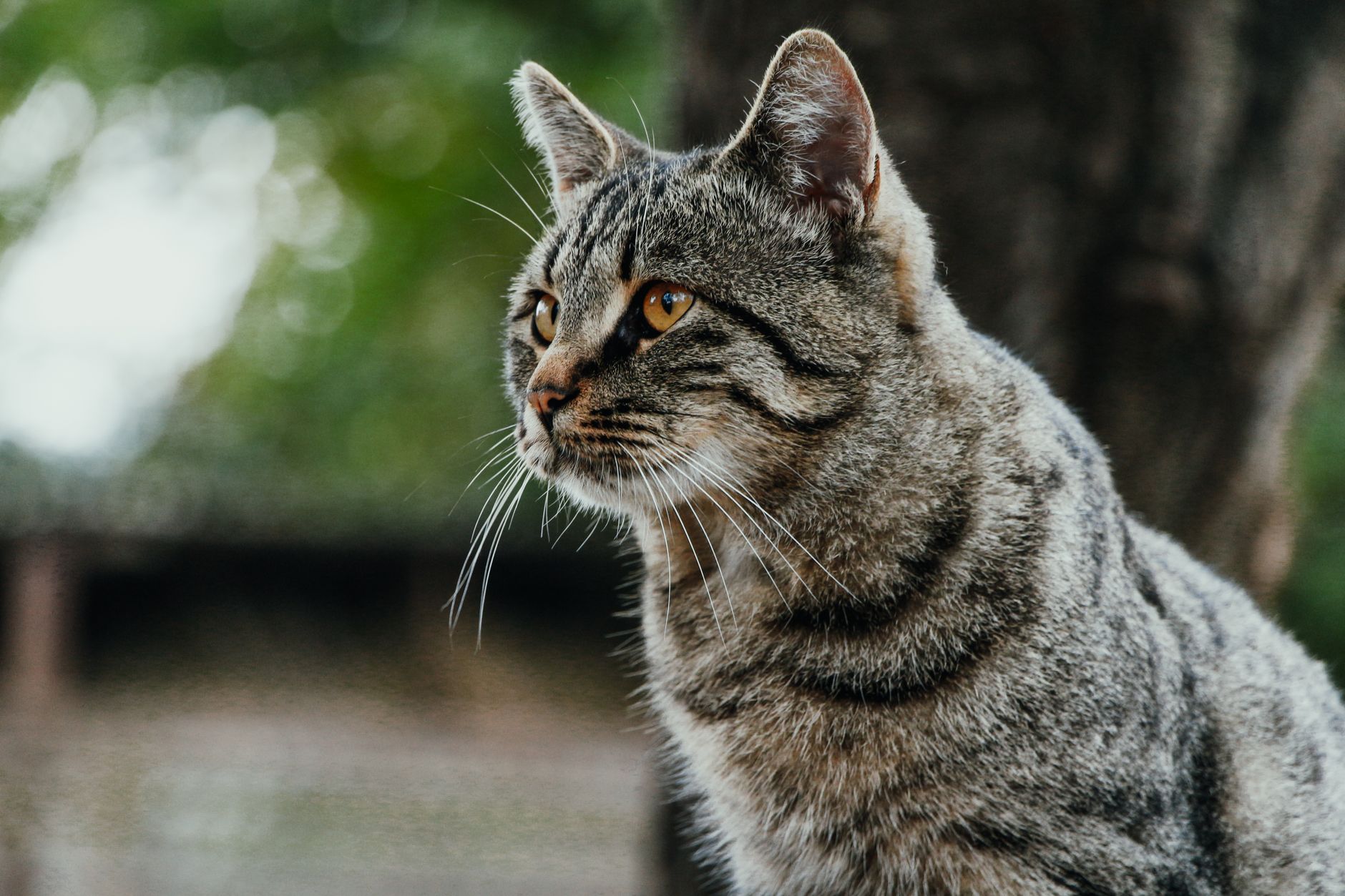
The Kanaani is a fascinating mix of independent wilderness spirit and intense devotion. They are highly vocal—a trait inherited from their Oriental Shorthair ancestors—and will loudly narrate their day or demand attention. Unlike more passive lap cats, a Kanaani wants to be an active participant in your household, following you from room to room to investigate every closed door. They possess a high prey drive and an insatiable curiosity that keeps them perpetually on the move.
Is a Kanaani good with other pets?
They can coexist beautifully with other high-energy cats and dog-friendly dogs if socialized early. However, due to their strong African Wildcat heritage, they have an intense prey drive and must never be trusted around small pocket pets, birds, or reptiles.
How much attention does a Kanaani need?
They need a significant amount of daily interaction. This is not a breed you can leave alone for 12 hours without stimulation; they require at least 30-45 minutes of active, structured play daily to keep them mentally balanced.
Training & Behavior
Because of their incredible intelligence and active working minds, Kanaanis are highly trainable. In my practice, I’ve seen Kanaanis successfully master clicker training, fetch, and harness-and-leash walking. However, if you do not actively train them, they will train you—often learning how to open cabinets, turn on faucets, and retrieve hidden toys on their own.
Training Tips
- Use clicker training to channel their sharp focus
- Begin harness and leash training in a quiet indoor space first
- Implement food puzzle toys to make them work for meals
- Redirect inappropriate jumping to designated high wall shelves
- Keep training sessions short, highly rewarding, and dynamic
Fun Activities
- Leash-walking in quiet, safe outdoor areas
- Interactive feather wand chase sessions
- Clicker training target work
- High-speed fetch with lightweight toys
- Navigating custom indoor agility courses
Is a Kanaani easy to train?
Yes, they are exceptionally fast learners when motivated by positive reinforcement and high-value treats. Their intelligence makes them eager to solve puzzles, though they can lose interest quickly if training sessions become repetitive.
Kanaani Health Issues
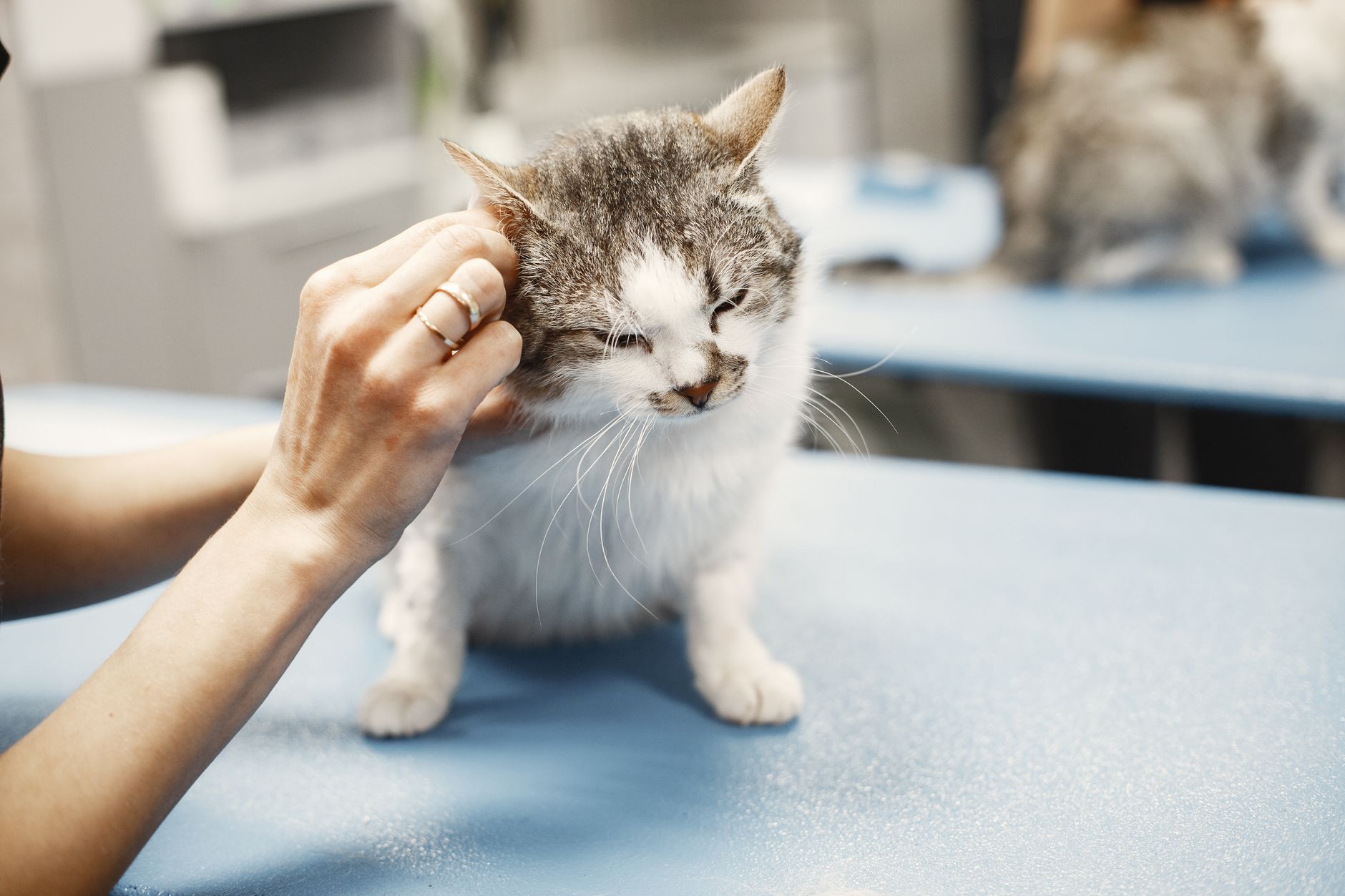
The Kanaani is a structurally sound, athletic breed with a wide genetic base, meaning they lack many of the extreme exaggerations of more common purebreds. However, because they share ancestry with Bengals, Abyssinians, and Oriental Shorthairs, we must monitor them closely for specific inherited genetic conditions in clinical practice.
Hypertrophic Cardiomyopathy (HCM)
The most common heart disease in cats, causing thickening of the left ventricular muscle wall. This can eventually lead to heart failure or arterial thromboembolism.
Progressive Retinal Atrophy (PRA)
An inherited genetic condition causing the slow, bilateral degeneration of the retina, eventually leading to complete blindness.
Pyruvate Kinase (PK) Deficiency
An inherited hemolytic anemia caused by the lack of an essential enzyme in red blood cells, leading to a shortened lifespan of these cells and chronic lethargy.
Periodontal Disease
An inflammatory condition of the gums and supporting structures of the teeth, common in cats with Oriental ancestry.
Patellar Luxation
A genetic condition where the kneecap temporarily slips out of its normal anatomical groove, causing mechanical lameness.
How long do Kanaanis typically live?
With optimal nutrition, regular veterinary care, and a strictly indoor lifestyle, Kanaanis typically enjoy a long lifespan of 12 to 15 years, sometimes even longer due to their robust genetics.
What to Feed a Kanaani
Because of their incredibly high metabolism and highly muscular build, Kanaanis require a diet rich in high-quality animal proteins. In my practice, I emphasize avoiding cheap fillers and excess carbohydrates, which can lead to rapid fat accumulation and muscular atrophy in active breeds.
Best Diet
A high-protein, moderate-fat wet food is ideal to support their lean muscle mass and keep them well-hydrated. If feeding dry kibble, ensure it is a premium-grade formula designed for highly active adult cats, with meat listed as the primary ingredient.
How to Feed
I strongly recommend utilizing timed feeding schedules rather than free-feeding. To satisfy their natural hunting instincts, split their daily portion into 2-3 meals, ideally utilizing food puzzles or hunting-style feeder toys.
How Much to Feed
Portion sizes should be carefully calculated based on their body weight and activity level, typically averaging 250 to 300 calories per day for an active 10-pound cat. Always consult your veterinarian to establish a precise caloric target tailored to your cat’s body condition score.
Nutritional Tips
Incorporate omega-3 fatty acid supplements (like wild-caught salmon oil) to support their joint health and keep their unique spotted coat gleaming. Ensure fresh, running water is always available, ideally via a pet fountain to encourage drinking.
Kanaani Grooming Guide
The Kanaani’s grooming routine is wonderfully straightforward, allowing you to spend more time on play and mental enrichment. Their short, slightly coarse coat is adapted to dry climates and naturally repels dirt.
Coat Care
Brush their coat once a week with a soft-bristle brush or a rubber grooming mitt to remove dead hair and distribute natural skin oils. They do not require regular bathing unless they manage to get exceptionally dirty.
Skin Care
Their skin is generally healthy; simply inspect their skin for any signs of dry patches, redness, or parasites during your weekly brushing session.
Eye Care
Wipe any minimal eye discharge with a soft, damp cloth, using a separate clean area of the cloth for each eye to prevent any spread of potential subclinical infections.
Ear Care
Inspect ears weekly for dirt, redness, or a yeast-like odor. Clean only when necessary using a vet-approved, alcohol-free ear cleanser and a cotton round—never insert cotton swabs into the ear canal.
Nail & Dental Care
Clip their nails every 2-3 weeks to protect your furniture from their climbing antics. Brush their teeth at least 3 times a week with veterinary-enzymatic toothpaste to combat their predisposition to periodontal disease.
Considerations for Pet Parents
Pros
- Stunning, exotic wildcat appearance
- Extremely intelligent and highly trainable
- Affectionate and deeply loyal to their family
- Low-maintenance grooming needs
- Robust overall health and structural soundness
- Playful and entertaining throughout adulthood
Cons
- High demand for mental and physical stimulation
- Can be highly vocal and demanding of attention
- Very high prey drive—not suitable for households with small pets
- Prone to destructive behavior if left bored or confined
- Extremely rare and difficult to acquire from reputable breeders
Best For
An active, dedicated owner or family who has researched hybrid-type breeds, has a spacious home with vertical climbing structures, and wants a highly interactive, dog-like cat companion.
Not Recommended For
Sedentary households, apartment living without vertical space, families with small pocket pets, or busy owners who are away from home for long stretches of the day.
Cost
- purchase price$1,200 – $2,500
- monthly cost$80 – $150
- initial setupInitial setup costs can range from $500 to $1,000, as you will need to invest in heavy-duty cat trees, scratching posts, food puzzles, and sturdy toys that can withstand high-energy play.
Similar Breeds
Kanaani FAQs
Are Kanaanis hypoallergenic?
No, Kanaanis are not hypoallergenic. While they have short coats and shed minimally, they still produce the Fel d 1 protein in their saliva, dander, and urine, which is the primary trigger for cat allergies.
What breeds were crossed to create the Kanaani?
The breed was developed by crossing the African Wildcat (Felis lybica lybica) with domestic breeds including the Bengal, Abyssinian, and Oriental Shorthair. This mix gives them their distinctive athletic build, ticking, and wild-spotted patterns.
How big do Kanaanis get?
They are a medium to large breed. Adult males typically weigh between 10 to 15 pounds, while females are slightly smaller, usually weighing between 8 to 12 pounds, with a long, muscular, and elegant frame.
Do Kanaanis like water?
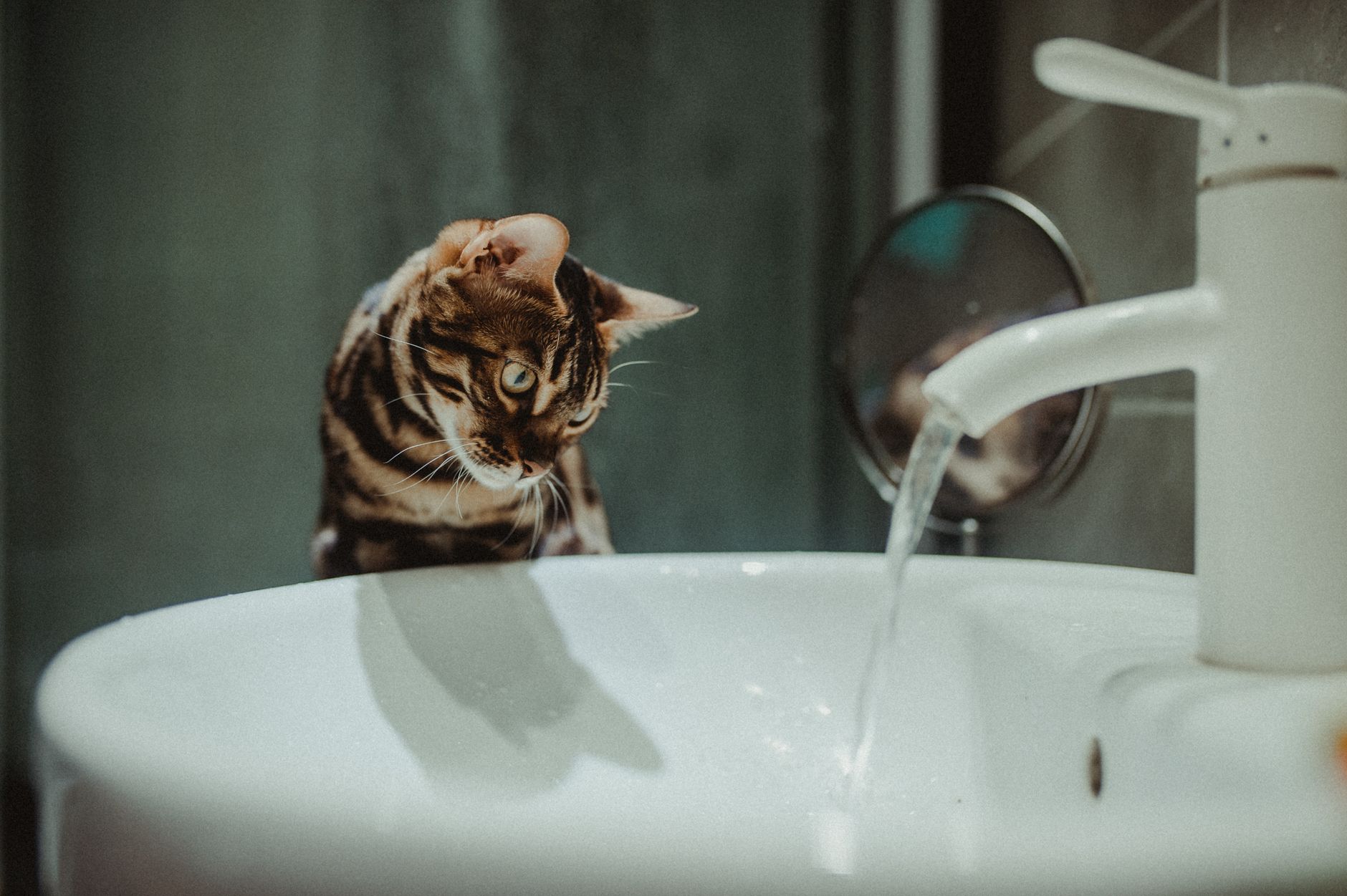
Many Kanaanis inherit a fascination with water from their Bengal ancestry. It is not uncommon to see them playing with dripping faucets, splashing in their water bowls, or even investigating the shower.
Are Kanaanis vocal cats?
Yes, they are highly communicative and vocal. Thanks to their Oriental Shorthair genetics, they will talk to you, chirp, meow loudly for food, and make their presence known throughout the house.
Can a Kanaani live in an apartment?
They can adapt to apartment living only if the apartment is large and heavily optimized with vertical space, such as floor-to-ceiling cat trees and window perches. They also require intense daily play to compensate for the smaller footprint.
How do you groom a Kanaani cat?
Grooming is very simple. A weekly brushing with a rubber curry brush or a soft bristle brush is sufficient to control shedding and keep their coat shiny. Regular nail trimming and dental care are also essential.
Do Kanaanis have high energy levels?
Absolutely. They are among the most energetic cat breeds in existence. They need daily physical exercise, mental challenges, and interactive play sessions to prevent them from becoming bored and destructive.
Are they good with dogs?
Yes, if properly socialized, Kanaanis do very well with dog-friendly dogs. Their confident and active nature often leads them to become playmates with household dogs, rather than hiding from them.
Can Kanaanis go outdoors?
Because of their high value, striking appearance, and intense prey drive, it is highly recommended to keep Kanaanis strictly indoors. Instead, provide safe outdoor access using a secured catio or harness training.
What color is a Kanaani’s coat?
The base coat color ranges from beige to warm cinnamon, marked with distinct dark brown or black spots. They also exhibit ticking on their background coat, with dark rings on the tail and a dark tail tip.
What are the common behavioral issues with Kanaanis?
When bored or left alone for too long, Kanaanis can develop behavioral issues such as scratching furniture, knocking items off shelves, vocalizing excessively, or showing signs of separation anxiety.
Is the Kanaani recognized by major cat registries?
The Kanaani is fully recognized by the World Cat Federation (WCF). However, it remains an extremely rare and experimental breed in many other international registries like TICA and CFA.
Are they prone to obesity?
Due to their high energy levels, they are less prone to obesity than calmer breeds. However, if they are neutered, under-exercised, or fed a high-carb diet, they can easily put on unhealthy weight, so monitoring food intake is vital.
Are Kanaanis lap cats?
They can be affectionate and will cuddle on their own terms, but they are generally too active to spend hours on your lap. They prefer sitting near you, sleeping at the foot of your bed, or interacting through play.