
German Spitz Breed Guide
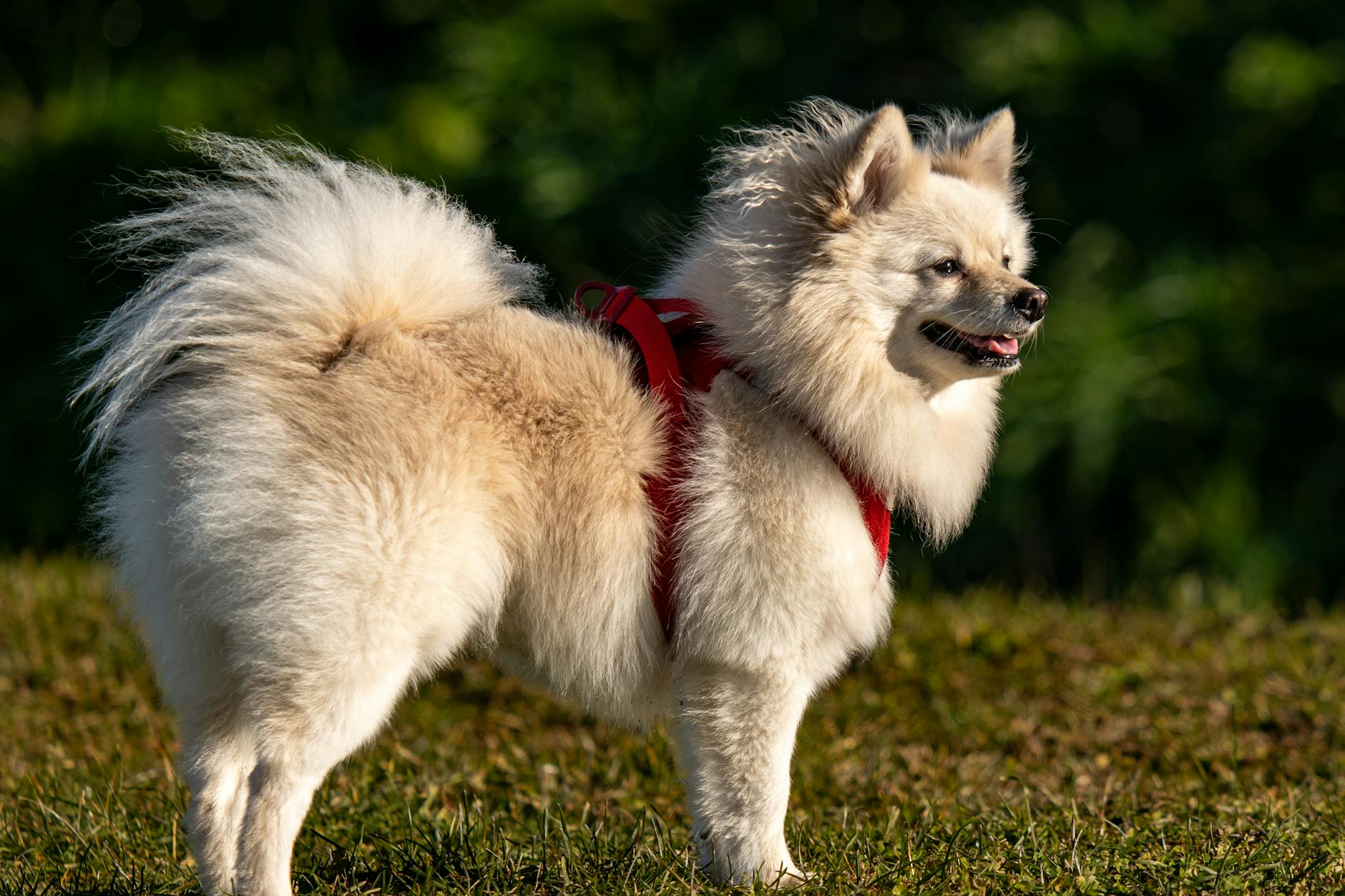
Quick Summary
As a veterinarian, I often describe the German Spitz as a brilliant, high-alert companion packed into a compact, cloud-like frame. They are incredibly devoted, long-lived dogs that thrive in active households, provided their owners can manage their vocal watchdog tendencies and commit to consistent coat care.
As an Amazon Associate, we earn from qualifying purchases.
Popular with German Spitz owners: Slicker Brush · Dental Chews · Dog Food
Quick Facts
- origin countryGermany
- breed groupNon-Sporting / Utility
- sizeVaries by variety (Klein and Mittel are most common)
- weight range11 to 25 lbs (5 to 11.5 kg)
- height range9 to 15 inches (23 to 38 cm) at the shoulder
- lifespan13 to 15 years
- coat typeDense, stand-off double coat with a harsh outer layer and soft, woolly undercoat
- common colorsBlack, brown, white, orange, wolf-sable, and particolor
- other namesDeutscher Spitz, Spitz, German Spitz Klein, German Spitz Mittel
- recognized byUKC, KC (UK), FCI, AKC (recorded in the Foundation Stock Service)
Caring for a German Spitz
Living with a German Spitz means embracing an active, highly observant partner that misses absolutely nothing. In my practice, I see these dogs thrive when given structured daily walks of 45 to 60 minutes combined with interactive mental puzzles. They are deeply bonded to their families but possess a natural watchdog instinct that translates to alert barking at any novelty. Consistent boundary-setting and early socialization are essential to keep their bright minds focused and prevent nuisance behaviors.
Is a German Spitz a good family pet?
Yes, they make wonderful, affectionate family pets for households with older children who understand how to handle small dogs respectfully. Because of their delicate joints, particularly in the smaller Klein size, I caution parents to supervise all interactions with toddlers to prevent accidental injury.
Do German Spitzs shed a lot?
They are moderate continuous shedders, but they will ‘blow’ their entire undercoat twice a year, typically in spring and autumn. During these seasonal blowouts, you will find large clumps of woolly hair around your home, requiring daily brushing to manage.
Is a German Spitz good for first-time owners?
They can be a good fit for dedicated novices, but their high intelligence and vocal nature present a learning curve. If you are a first-time owner, I highly recommend committing to puppy socialization classes to help guide their alert instincts productively.
Temperament & Personality
The German Spitz is a lively, highly intelligent, and intensely loyal companion with an independent streak. They lack the aggressive hunting drive of some other breeds, but they make up for it with an incredibly keen environmental awareness. They are highly devoted to their immediate family, often acting as a Velcro dog indoors, but they are naturally aloof or suspicious toward strangers.
Is a German Spitz good with other pets?
Generally, yes. In my clinical experience, they coexist peacefully with other household dogs and cats, especially when raised together. However, because of their alert nature, they may try to boss around larger dogs if social hierarchies aren’t managed properly.
Pecute Skin-Friendly Self-Cleaning Slicker Brush
- ✓Instant hair-ejection button
- ✓Made for heavy shedders and sensitive skin
- ✓Works on cats and dogs
- Fine wire pins lift loose undercoat and work out small tangles before they turn into mats
How much attention does a German Spitz need?
They are highly social dogs that demand to be part of daily family activities and can develop separation anxiety if left isolated for long stretches. I advise owners that these dogs need a mix of physical play, training sessions, and close companionship to remain mentally balanced.
Training & Behavior
The German Spitz is highly trainable due to their sharp intelligence, but they possess an independent streak that requires creative, reward-based training. They easily learn tricks and obedience patterns, but they will quickly exploit inconsistent boundaries. In my practice, the most common behavioral complaint from owners is excessive watchdog barking, which requires early intervention.
Training Tips
- Use high-value food rewards and short, dynamic training sessions to prevent boredom.
- Implement ‘quiet’ command training from puppyhood to manage their natural watchdog alarm system.
- Expose them early and often to various sights, sounds, and people to reduce suspiciousness.
- Avoid harsh correction, as this breed can easily shut down or become defensive.
Fun Activities
- Agility training
- Trick training and puzzle solving
- Scent work games
- Flyball
- Canicross or light hiking
Is a German Spitz easy to train?
They are highly capable and learn commands rapidly, but they are not mindless pleasers. To succeed, you must make training mentally engaging, using positive reinforcement techniques to keep their focused attention.
German Spitz Health Issues

The German Spitz is a remarkably robust and long-lived breed, free from many of the extreme anatomical issues seen in other modern breeds. However, like all small-to-medium dogs, they are genetically predisposed to several joint, ophthalmic, and dental conditions that require proactive veterinary screening.
Patellar Luxation
This is the anatomical misalignment or sliding of the kneecap out of its groove, which I diagnose frequently in small-breed spitzes. It can range from mild (Grade I) to severe (Grade IV), sometimes requiring surgical stabilization if it causes chronic lameness or accelerates osteoarthritis.
Progressive Retinal Atrophy (PRA)
An inherited, progressive degeneration of the retinal cells that eventually leads to complete blindness. Because there is no cure, I always insist that prospective owners demand DNA clearance (PRCD-PRA tests) of the parent dogs before buying.
Alopecia X (Black Skin Disease)
A cosmetic follicular disorder causing symmetrical hair loss along the trunk, often leaving the exposed skin hyperpigmented. While it does not harm their internal health, managing it requires mild, therapeutic grooming products and diligent sun protection.
Greenies Original Regular Dental Dog Treats
- ✓Chewy texture that scrubs teeth as the dog chews
- ✓Regular size for dogs 25-50 lbs
- ✓Veterinarian-recommended dental treat
- Helps reduce plaque and tartar between brushings
- A daily treat that freshens breath
Dental Crowding and Periodontal Disease
Because of their compact jaws, particularly in the Klein variety, they suffer from severe dental crowding that accelerates plaque and tartar buildup. This frequently leads to early-onset gingivitis and tooth loss if oral hygiene is neglected.
Idiopathic Epilepsy
A neurological condition of unknown origin that causes recurrent seizures, typically manifesting between 1 and 5 years of age. While frightening to witness, it can be highly manageable with daily anticonvulsant medications and regular bloodwork monitoring.
How long do German Spitzs typically live?
With appropriate preventative care, a balanced diet, and regular dental cleanings, a German Spitz regularly lives between 13 and 15 years, with some reaching 16 or 17 years.
What to Feed a German Spitz
Feeding a German Spitz requires a careful balance of high-quality nutrition and strict portion control. Because they carry a very plush coat, weight gain can easily hide underneath their fur, placing unnecessary strain on their patellas.
Best Diet
I highly recommend a high-quality, small-breed specific kibble formulated for their current life stage (puppy, adult, or senior). Look for diets rich in omega-3 and omega-6 fatty acids to nourish their dense double coat and keep their skin barrier healthy.
How to Feed
Split their daily food allowance into two distinct meals, using measuring cups or a kitchen scale to ensure accuracy. Avoid free-feeding, as their sharp intelligence can lead to boredom-eating and rapid weight gain.
How Much to Feed
Generally, an adult German Spitz needs between 1/2 to 1 cup of high-quality kibble per day, split across two meals. Because metabolic rates vary wildly, you must consult your veterinarian to establish a precise caloric target based on their exact weight and activity level.
Nutritional Tips
Incorporate joint supplements containing glucosamine and chondroitin early in adulthood to support their patellar health. Additionally, limit high-calorie commercial treats; instead, use low-calorie training rewards like small pieces of carrot or freeze-dried meat.
German Spitz Grooming Guide
The magnificent stand-off coat of the German Spitz is their defining feature, but it requires a consistent grooming routine to prevent severe matting. Despite its plush appearance, the coat is remarkably efficient at shedding dirt and is relatively low-odor compared to single-coated breeds.
Coat Care
Brushing the coat thoroughly twice a week with a slicker brush and a long-toothed metal comb is essential. You must brush all the way down to the skin, parting the hair in sections; simply running a brush over the top layer will allow painful mats to form undetected in the undercoat.
Skin Care
Never shave a German Spitz! Shaving damages the insulation properties of the double coat, exposes their fair skin to solar dermatitis, and can cause permanent ‘clipper alopecia’ where the hair fails to grow back properly.
Eye Care
Keep the area around the eyes dry by gently wiping away minor tearing with a damp cloth to prevent tear staining, especially in white or light-colored dogs.
Ear Care
Inspect their upright ears weekly for signs of redness, excessive wax, or a yeasty odor, cleaning them gently with a vet-approved ear flush when necessary.
Nail & Dental Care
Brush their teeth daily with dog-safe enzymatic toothpaste to combat their high genetic risk for periodontal disease. Trim their nails every 3 to 4 weeks using a grinder or clippers to prevent splaying of the feet.
Considerations for Pet Parents
Pros
- Remarkably long-lived and structurally robust
- Highly alert and makes an exceptional watchdog
- Deeply loyal and affectionate with their family
- Adaptable to apartment living if given daily exercise
- Naturally clean coat that repels dirt and odors well
- Highly intelligent and capable of learning complex tricks
Cons
- Prone to excessive alarm and watchdog barking
- Intense grooming requirements during seasonal shedding blows
- Can be naturally aloof or suspicious of strangers
- Prone to severe dental disease and patellar luxation
- Strong-willed nature requires consistent training boundaries
Best For
Active families, apartment dwellers, or seniors who can provide mental stimulation, consistent grooming, and early training to manage their vocal watchdog tendencies.
Not Recommended For
Owners who work long hours away from home, individuals sensitive to dog hair, or those living in noise-restricted apartments where any level of alert barking could cause immediate neighbor disputes.
Cost
- purchase price$1,000 to $2,500 from a reputable, health-testing breeder
- monthly cost$100 to $180 (covering high-quality food, routine preventative veterinary care, grooming tools, and pet insurance)
- initial setupExpect to spend $500 to $1,000 initially on veterinary baseline exams, microchipping, high-quality grooming tools (slicker brush, undercoat rake, metal comb), crates, and initial vaccinations.
-
Wag Wholesome Grains Dry Dog Food, Chicken & Brown RiceA complete, balanced diet matched to your dog’s size and age is the foundation of a healthy coat, gut and energy level
-
Stewart Freeze-Dried Beef Liver Dog TreatsSmall, soft treats are quick to eat, so you can reward the right moment and keep training sessions moving
-
Outward Hound Nina Ottosson Dog Brick Puzzle ToyBurns mental energy in clever, easily bored dogs
Similar Breeds


Related Dog Guides
German Spitz FAQs
What is the difference between a German Spitz and a Pomeranian?
While they look very similar, the Pomeranian is actually a downsized descendant of the German Spitz. The German Spitz has a longer muzzle, less prominent forehead stop, smaller ears, and is generally larger and more structurally robust than the modern toy Pomeranian.
Are German Spitzes prone to separation anxiety?
Yes, because they are incredibly devoted companion dogs, they can easily develop separation distress if left alone for long periods. I advise implementing crate training and teaching short, structured intervals of independence from puppyhood to prevent this.
How often should I bathe a German Spitz?
They only need a bath every 6 to 8 weeks, as their harsh guard hairs naturally repel mud and dirt. Bathing them too frequently stripped their coat of essential natural oils, leading to dry, itchy skin and a dull coat texture.
Can a German Spitz live in a hot climate?
Yes, their double coat actually acts as insulation against both heat and cold, but you must take precautions. Keep them in air-conditioned spaces during hot summer days, ensure constant access to fresh water, and never walk them during the peak heat of the day.
Why does my German Spitz bark at everything?
This stems from their historical heritage as sentinel farm dogs, bred specifically to alert their owners to any changes in the environment. To manage this, you must train a reliable ‘quiet’ command and avoid raising your voice, which they often interpret as you barking along with them.
Are they difficult to housebreak?
The German Spitz is highly intelligent and can be housebroken quickly if you are consistent. However, because of their small bladder capacity as puppies, they require a strict routine of outdoor bathroom breaks every 1 to 2 hours during early training.
What size options does the German Spitz have?
Under the FCI standard, the German Spitz is divided into several sizes, with the ‘Klein’ (Miniature, 9-11 inches) and ‘Mittel’ (Medium, 12-15 inches) being the most common. There are also Giant (‘Gross’) varieties, though they are exceptionally rare outside of continental Europe.
Do they have a high prey drive?
No, they typically have a low prey drive compared to terriers or hounds, as they were bred to be farm watchdogs rather than hunters. They generally do not chase outdoor wildlife or household pocket pets, though individual training is still required.
Is professional grooming required for this breed?
While many owners successfully groom their Spitz at home with a slicker brush and comb, a professional groomer can be invaluable for seasonal blowouts. They can perform deshedding treatments, blowouts with high-velocity dryers, and precise hygienic trims.
Why is my German Spitz biting or nipping at heels?
Nipping behavior in young Spitzes is usually a sign of overexcitement or an expression of herding-like play. You can manage this by redirecting their mouth onto appropriate chew toys and ignoring them immediately if they play too roughly with your feet.
Do they suffer from reverse sneezing?
Yes, like many small breeds, they can experience episodes of reverse sneezing caused by temporary irritation of the soft palate. While alarming to witness, it is generally harmless and can be resolved by gently massaging their throat or briefly covering their nostrils.
Are they prone to eye problems?
They can be prone to hereditary cataracts and PRA. I always recommend that owners schedule an annual ophthalmic examination with a veterinary ophthalmologist to monitor retinal health as they age.
Sources & Further Reading
- American Kennel Club (AKC)
- Merck Veterinary Manual
- American Veterinary Medical Association (AVMA)
- PetMD