
German Pinscher Breed Guide

Quick Summary
The German Pinscher is an assertive, highly intelligent, and athletic working breed that acts as a vigilant guardian of the home. Possessing a strong prey drive and an independent streak, they thrive best under the guidance of experienced owners who can commit to rigorous mental and physical conditioning. In my practice, I find they are remarkably robust but require firm, positive boundaries from day one.
As an Amazon Associate, we earn from qualifying purchases.
Popular with German Pinscher owners: Puzzle Toys · Hip & Joint Supplement · Orthopedic Dog Bed
Quick Facts
- origin countryGermany
- breed groupWorking (AKC)
- sizeMedium
- weight range25 to 45 pounds
- height range17 to 20 inches
- lifespan12 to 14 years
- coat typeShort, dense, smooth, and close-lying
- common colorsBlack and tan, solid red, stag red, fawn (Isabella), and blue and tan
- other namesDeutscher Pinscher
- recognized byAKC, UKC, FCI
Caring for a German Pinscher
Living with a German Pinscher is an active, engaging partnership that requires consistent vigilance. In my years treating this breed, I’ve found that they do not tolerate boredom well; without daily physical and mental stimulation, they will redirect their formidable intelligence into destructive behaviors. They possess a high prey drive, meaning secure physical fencing is non-negotiable. Regular veterinary checkups are vital to monitor joint and cardiac health as they age.
Is a German Pinscher a good family pet?
They can be excellent family pets for active households with older, respectful children who understand canine boundaries. However, their assertive nature and high energy mean they may be too intense for households with toddlers or very young kids. Early socialization is key to ensuring they integrate smoothly into the family dynamic.
Do German Pinschers shed a lot?
They are very low-to-moderate shedders, possessing a single, short coat that is exceptionally easy to maintain. Regular weekly brushing is typically all that is needed to keep loose hairs off your furniture. They are an ideal choice for owners who want to avoid heavy seasonal shedding cycles.
Is a German Pinscher good for first-time owners?
No, I rarely recommend this breed to novice owners due to their high intelligence, independent streak, and testing nature. They will quickly exploit inconsistent boundaries and require a confident, experienced handler who understands working breed behaviors. First-time owners often find themselves overwhelmed by their physical and mental demands.
Temperament & Personality
The German Pinscher is not a golden retriever in a sleek coat; they are assertive, independent, and intensely loyal guardians. From my exam table, I see their natural vigilance firsthand—they are highly discerning of strangers and fiercely protective of their family unit. They possess an innate intelligence that makes them quick learners but also quick to exploit inconsistent rules. They require a confident handler who commands respect through positive, structured leadership.
Is a German Pinscher good with other pets?
They can co-exist with other household dogs if socialized extensively from puppyhood, though same-sex dog aggression can sometimes occur. However, because they were originally bred to hunt rats and vermin, they possess an incredibly high prey drive and are generally not safe to keep around small pets like cats, rabbits, or hamsters.
Outward Hound Nina Ottosson Tower of Treats Puzzle
- ✓Level 4 expert puzzle
- ✓Dogs unlock each layer to find treats
- ✓Mental workout that beats boredom
- Food puzzles turn mealtime into a brain game, burning mental energy in clever, easily bored pets
How much attention does a German Pinscher need?
They demand a significant amount of daily interaction, mental engagement, and physical activity. They are not a breed that can be left alone in a backyard all day; they want to be actively involved in your daily routine and will follow you from room to room when they aren’t working.
Training & Behavior
Training a German Pinscher requires a firm, fair, and highly engaging approach to outsmart their independent nature. In my clinical experience, traditional repetitive training fails with this breed; they get bored quickly and will simply walk away. Early socialization—specifically exposing them to various sights, sounds, and novel people before 16 weeks—is critical to manage their innate guarding instincts.
Training Tips
- Begin socialization protocols before 16 weeks of age
- Use positive reinforcement rather than physical correction
- Keep training sessions short (10-15 minutes) and highly varied
- Establish clear, consistent household boundaries from day one
- Incorporate mental enrichment like puzzle feeders and scent work
Fun Activities
- Agility trials
- Barn Hunt trials (excellent for prey drive)
- Scent work and tracking
- Conformation showing
- Advanced obedience and rally
Is a German Pinscher easy to train?
They are highly intelligent and capable of learning complex tasks, but their independent nature means they are not ‘easy’ to train in the traditional sense. They require an owner who can motivate them and maintain consistent leadership, as they will quickly ignore commands if they perceive their trainer to be passive or inconsistent.
German Pinscher Health Issues
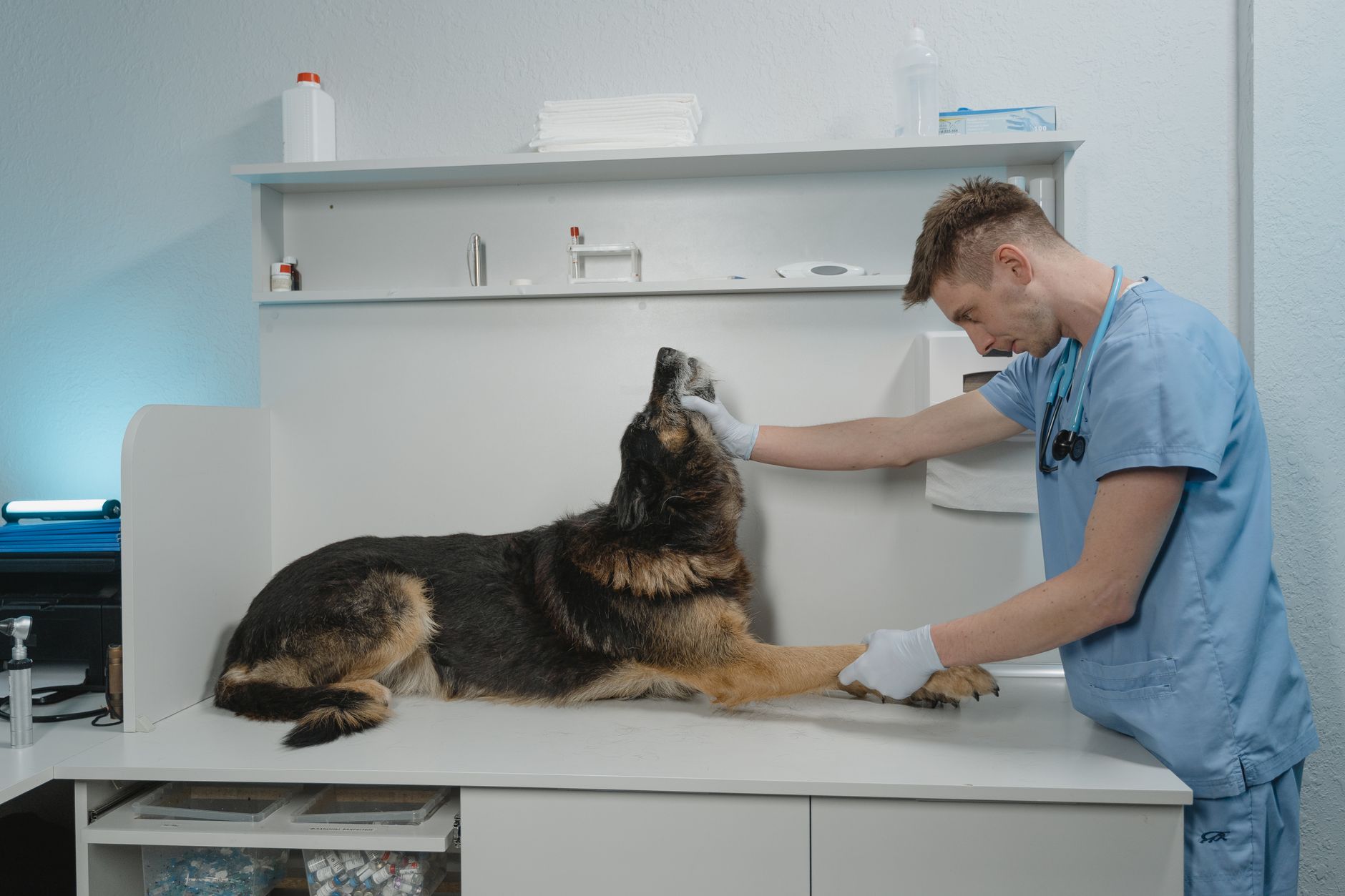
While the German Pinscher is a remarkably robust and athletic breed, they are genetically predisposed to several significant hereditary conditions. In my practice, I always emphasize proactive genetic screening, particularly for bleeding and joint disorders, to catch and manage issues early.
Von Willebrand’s Disease (vWD Type 1)
An inherited bleeding disorder caused by a deficiency in clotting factor protein. This can lead to excessive, life-threatening bleeding during routine surgeries like spaying or neutering.
Hip Dysplasia
A genetic condition where the hip joint fails to develop properly, leading to laxity, joint wear, and eventual painful osteoarthritis.
Nutramax Cosequin Joint Supplement for Dogs
- ✓#1 vet-recommended retail joint supplement brand
- ✓Glucosamine and chondroitin sulfate
- ✓For young and senior dogs, small and large breeds
- Glucosamine and chondroitin chews support cartilage and mobility, especially in large, senior and dysplasia-prone dogs
Hereditary Cataracts
An inherited eye abnormality where the lens of the eye clouds over, preventing light from reaching the retina and eventually leading to blindness.
Dilated Cardiomyopathy (DCM)
A primary disease of the heart muscle where the heart becomes enlarged and weakened, severely compromising its ability to pump blood.
Autoimmune Thyroiditis
An immune-mediated destruction of the thyroid gland, which is the most common cause of primary hypothyroidism in dogs.
How long do German Pinschers typically live?
With proper nutrition, regular exercise, and diligent veterinary care, a German Pinscher typically lives between 12 and 14 years. Many of my patients remain remarkably active and athletic well into their double-digit years.
What to Feed a German Pinscher
Feeding an active German Pinscher requires balancing their caloric intake with their daily energy expenditure to prevent unnecessary joint stress. In my practice, I closely monitor their body condition score, as even a few extra pounds can exacerbate genetic joint issues like hip dysplasia.
Best Diet
I recommend a high-quality, protein-forward kibble formulated for active medium breeds. Ensure the diet is formulated to meet AAFCO standards, and consult your veterinarian regarding life-stage transitions from puppy to adult formulas.
How to Feed
Divide their daily caloric intake into two equal meals to maintain stable energy levels and prevent gastrointestinal upset. Avoid heavy exercise or running for at least one hour after feeding to minimize the risk of bloat (GDV).
How Much to Feed
Portion size varies based on activity level, age, and metabolic rate, but typically ranges from 1.5 to 2.5 cups of dry kibble daily. Always consult your veterinarian to calculate exact caloric requirements using your pet’s precise weight and body condition score.
Nutritional Tips
Incorporate dietary joint supplements, such as glucosamine, chondroitin, and Omega-3 fatty acids (EPA/DHA), early in life to support joint longevity. Avoid table scraps and high-sodium treats, which can contribute to obesity and metabolic strain.
German Pinscher Grooming Guide
The German Pinscher is remarkably low-maintenance when it comes to grooming, owing to their short, single coat. This makes them highly appealing to owners who prefer to avoid professional grooming costs, though routine maintenance is still required.
Coat Care
Weekly brushing with a rubber curry brush or soft bristle brush is sufficient to remove loose dead hair and distribute natural skin oils. Bathing is only necessary every 6 to 8 weeks, or when they get exceptionally dirty.
Skin Care
Regularly inspect their short skin for signs of irritation, hot spots, or dry flaking, especially during seasonal transitions. Use mild, soap-free canine shampoos to preserve their skin’s natural protective lipid barrier.
Eye Care
Wipe the corners of the eyes gently with a damp cloth if tear crusting occurs. Because cataracts are a known concern in this breed, consult your vet immediately if you notice any cloudiness or blue haze in the lens.
Ear Care
Inspect their ears weekly for redness, odor, or brown discharge, which can indicate yeast or bacterial otitis. Clean them with a veterinarian-approved ear cleanser, especially if they have natural, uncropped ears.
Nail & Dental Care
Trim their nails every 2-3 weeks using a grinder or clipper to prevent structural joint issues, and brush their teeth daily to combat periodontal disease.
Considerations for Pet Parents
Pros
- Highly loyal and protective family guardian
- Minimal grooming requirements and low shedding
- Extremely intelligent and versatile in dog sports
- Sturdy, athletic build with great stamina
- Excellent watchdog that rarely barks without reason
- Highly affectionate with their immediate family
Cons
- Strong prey drive makes them unsafe for small pocket pets
- Can be aloof, suspicious, or reactive toward strangers
- Requires significant mental and physical stimulation daily
- Not suitable for first-time or passive dog owners
- Will exploit inconsistent rules and weak boundaries
Best For
The ideal owner is an experienced handler, active individual, or family who understands working dog dynamics and can dedicate at least 1-2 hours daily to structured exercise and mental enrichment. They need someone who uses positive, firm, and consistent boundaries.
Not Recommended For
I do not recommend this breed for novice owners, sedentary households, or homes with small pocket pets like hamsters or rabbits. They are also poorly suited for environments where they will be left isolated for long periods without stimulation.
Cost
- purchase price$1,500 to $3,000 from reputable, health-tested breeders
- monthly cost$120 to $200 (covering high-quality food, preventative vet care, toys, and insurance)
- initial setupExpect an initial setup cost of $1,000 to $2,500 for crate, initial vaccinations, spay/neuter surgery, leash/collar, microchipping, and professional training classes.
-
CWAWZ Orthopedic Cooling Gel Memory Foam Dog Bed, XLSupportive foam cushions hips and joints, ideal for large, senior or dysplasia-prone dogs
-
Diamond Naturals Skin & Coat Dog Food, Salmon & PotatoA complete, balanced diet matched to your dog’s size and age is the foundation of a healthy coat, gut and energy level
-
Blue Buffalo Bits Chicken Training TreatsSmall, soft treats are quick to eat, so you can reward the right moment and keep training sessions moving
Similar Breeds

German Pinscher FAQs
Is a German Pinscher the same as a Doberman Pinscher?
No, they are distinct breeds, though the German Pinscher is actually an ancestor of the Doberman. The Doberman is significantly larger and heavier, while the German Pinscher is a medium-sized dog, typically weighing between 25 and 45 pounds.
Are German Pinschers prone to excessive barking?
No, they are not typically nuisance barkers, but they are highly vigilant watchdogs. They will bark sharply to alert you to a stranger on your property, but in my experience, they quiet down once they realize their owner has taken control of the situation.
How much daily exercise do they require?
They require at least 60 to 90 minutes of vigorous daily exercise, combining physical activities like running or fetching with mental tasks. Without this outlet, they are highly prone to developing anxiety and destructive behaviors.
Are they easy to housebreak?
Yes, their high intelligence and clean nature generally make housebreaking straightforward when a consistent crate-training routine is implemented. I advise owners to keep a strict schedule and reward outdoor elimination immediately.
Do German Pinschers tolerate cold weather well?
Due to their short, single coat and low body fat, they do not tolerate freezing temperatures well. I advise clients to use a well-fitted dog sweater or coat during cold winter walks and to avoid leaving them outdoors for extended periods in freezing weather.
Are they prone to separation anxiety?
They can develop separation anxiety if they are left isolated for long periods without adequate physical and mental stimulation. Because they are highly attached to their human pack, they thrive when they are integrated into daily household activities.
Is it necessary to crop their ears and dock their tails?
Tail docking and ear cropping are traditional breed standards in some countries, but they are purely cosmetic procedures and are not medically necessary. In my practice, I support owners who choose to keep their German Pinschers natural with floppy ears and long tails.
Are they aggressive toward strangers?
They are naturally suspicious and aloof with strangers due to their guarding heritage, but they should not exhibit unprovoked aggression. Proper, intensive socialization during puppyhood is crucial to ensure this wariness does not escalate into defensive aggression.
Do they have a strong prey drive?
Yes, they have an incredibly strong prey drive, having originally been bred as farm ratters. I strongly warn owners that they cannot be trusted off-leash in unsecured areas, as they will instantly bolt after rabbits, squirrels, or neighborhood cats.
Can they live in an apartment?
They can adapt to apartment living only if their owners are highly committed to meeting their intense exercise and mental enrichment needs daily. However, a home with a securely fenced yard is far more ideal to let them burn off their natural athletic energy.
What is their typical energy level?
They are high-energy, athletic dogs with immense stamina. They are not couch potatoes; even after a long walk, they are often ready for a game of fetch or a training session, requiring an active household that can match their tempo.
How do they handle heat and hot weather?
While they tolerate heat better than cold due to their short coats, they can still overheat during intense physical activity in high temperatures. I always caution owners to exercise them during the cooler morning or evening hours and to provide constant access to fresh water.
Are they prone to ear infections?
Those with natural, uncropped ears are slightly more prone to trapping moisture and debris than those with cropped ears. I recommend checking their ears weekly and cleaning them with a vet-approved cleanser to prevent bacterial or yeast overgrowth.