
Dalmatian Breed Guide

Quick Summary
An iconic, high-octane breed with a striking spotted coat, the Dalmatian is a tireless athlete originally bred to run miles alongside horse-drawn carriages. In my experience, they are deeply loyal, highly intelligent, and thrive best with active owners who can provide daily rigorous exercise and close companionship. They are not low-maintenance pets, but rather dedicated partners that reward committed training with unparalleled loyalty.
Quick Facts
- origin countryCroatia
- breed groupNon-Sporting (AKC) / Utility (UK)
- sizeLarge
- weight range45 to 70 lbs (20 to 32 kg)
- height range19 to 24 inches (48 to 61 cm)
- lifespan11 to 13 years
- coat typeShort, dense, sleek, and stiff
- common colorsWhite with black spots, White with liver spots
- other namesCarriage Dog, Firehouse Dog, Spotted Coach Dog
- recognized byAKC, UKC, FCI, KC, ANKC
Caring for a Dalmatian
Living with a Dalmatian is a high-energy lifestyle choice that revolves around meeting their immense physical and mental stamina. I’ve found that they need at least 1.5 to 2 hours of daily vigorous exercise, or they will quickly redirect their boredom into destructive behaviors around the home. Beyond exercise, their unique urinary system requires meticulous dietary attention, specifically focusing on low-purine ingredients and constant hydration. They are ‘velcro’ dogs at heart, meaning they want to be in the same room as you and fully involved in daily family activities.
Is a Dalmatian a good family pet?
Yes, they can make wonderful family pets, but they are best suited for households with older, active children. I always tell owners that their high energy and sheer physical strength can make them a bit too boisterous around toddlers, whom they can accidentally knock over during play.
Do Dalmatians shed a lot?
Yes, they are notorious year-round shedders. Their short, stiff, white hairs act like tiny needles that weave deeply into furniture, clothing, and carpets, making them incredibly difficult to vacuum up.
Is a Dalmatian good for first-time owners?
Generally, no. Their combination of high physical demands, strong-willed independence, and very specific dietary and health requirements typically makes them a challenging choice for novice handlers.
Temperament & Personality
The Dalmatian is an intelligent, high-spirited, and dignified dog with a strong protective instinct inherited from their coach-guarding ancestry. While they are incredibly affectionate and goofy with their immediate family, they are naturally aloof and reserved around strangers. Early, intensive socialization is critical to prevent this reservation from turning into reactivity or fearfulness. When properly socialized, they are confident, alert, and incredibly fun-loving companions.
Is a Dalmatian good with other pets?
They can be, provided they are socialized from early puppyhood. Because they have a moderate prey drive, they may chase cats unless raised with them, and male Dalmatians can sometimes show same-sex dog aggression if not neutered or socialized.
How much attention does a Dalmatian need?
They need an immense amount of attention and do not tolerate being left alone in a backyard. I often tell owners that Dalmatians are ‘velcro’ dogs that will follow you from room to room, and they can easily develop severe separation anxiety if isolated.
Training & Behavior
Training a Dalmatian requires patience, consistency, and a very light touch, as they are surprisingly sensitive despite their athletic build. They respond exceptionally well to positive reinforcement and food rewards, while harsh corrections will cause them to shut down or become stubborn. Because of their history as carriage dogs, they have immense stamina and love having a job to do.
Training Tips
- Use positive reinforcement and high-value, low-purine treats.
- Keep training sessions short, fast-paced, and mentally engaging.
- Focus heavily on early socialization with diverse people and dogs.
- Teach a reliable ‘settle’ or ‘place’ command to manage high energy.
- Incorporate physical exercise before attempting structured training.
Fun Activities
- Agility trials
- Road work (jogging or running alongside a bicycle)
- Scent work and tracking
- Flyball
- Dock diving
- Trick training
Is a Dalmatian easy to train?
They are highly intelligent and quick learners, but they have an independent streak that can make them challenging. If you establish a consistent, positive routine, they are highly trainable, but they will easily manipulate a permissive owner.
Dalmatian Health Issues
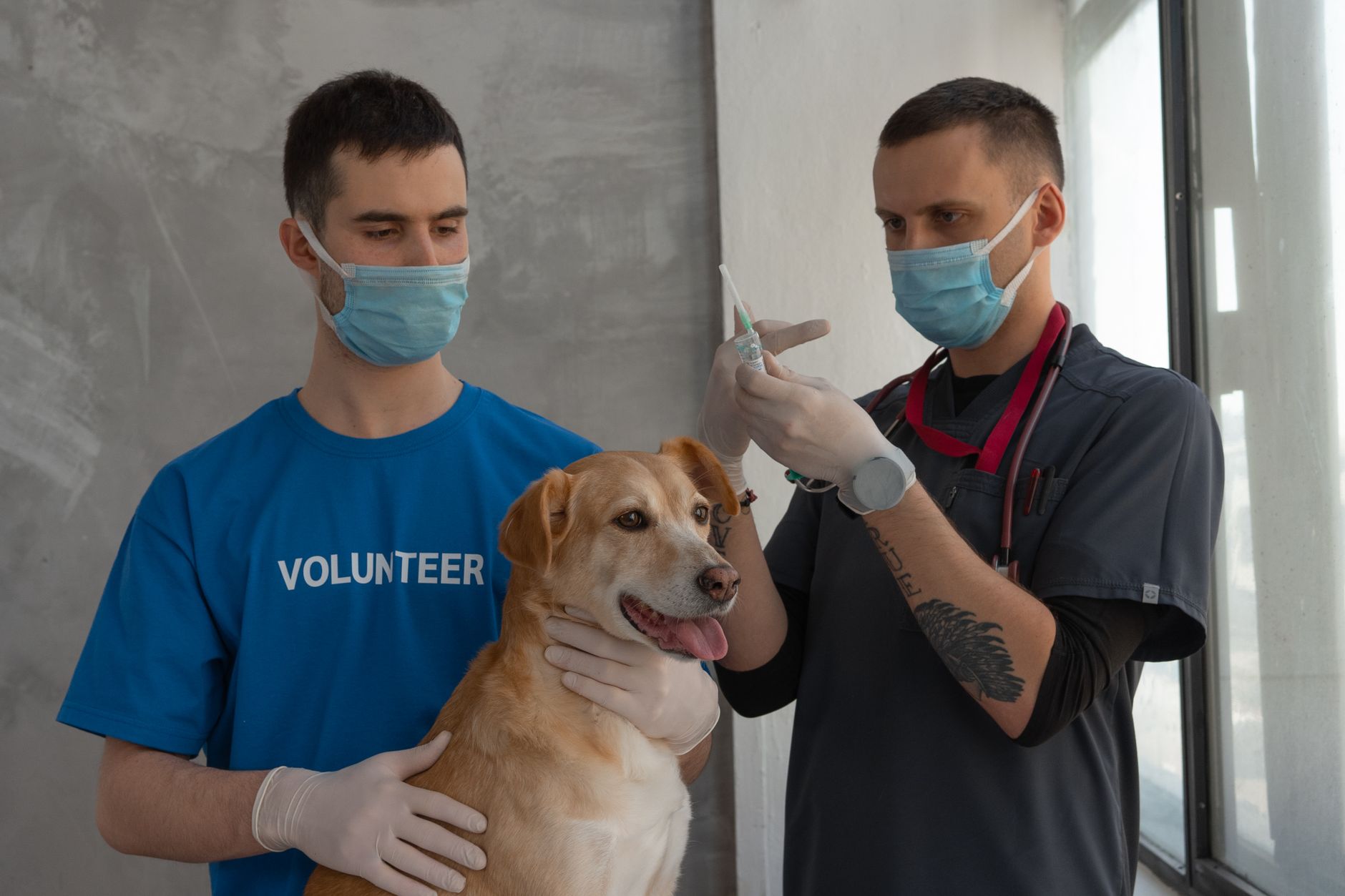
While Dalmatians are generally athletic and robust dogs, they are genetically predisposed to several unique and serious health issues that require careful breeder screening. Working closely with a vet to monitor their urinary tract health and hearing is absolutely essential for this breed.
Hyperuricosuria (Uric Acid Stones)
Dalmatians have a unique metabolic defect that prevents them from breaking down uric acid, leading to the formation of painful bladder or kidney stones.
Congenital Deafness
Associated with the extreme white piebald gene, approximately 10-12% of Dalmatians are born deaf in one ear (unilateral) and 8% are deaf in both (bilateral).
Hip Dysplasia
A hereditary skeletal condition where the ball and socket joint of the hip do not fit together smoothly, eventually leading to painful arthritis.
Dalmatian Bronzing Syndrome (Dal-Crust)
An inflammatory skin condition unique to the breed, often linked to allergies, characterized by a brownish-pink discoloration of the coat along the spine and skin crusting.
Dilated Cardiomyopathy (DCM)
A serious heart condition where the heart chambers enlarge and become weak, reducing its ability to pump blood efficiently.
How long do Dalmatians typically live?
A healthy Dalmatian typically lives between 11 and 13 years. Providing a high-quality, low-purine diet and maintaining a lean weight through regular exercise can maximize their lifespan.
What to Feed a Dalmatian
Feeding a Dalmatian is vastly different from other breeds because of their unique uric acid metabolism. You must carefully monitor their diet to prevent the formation of urinary stones, which can be life-threatening.
Best Diet
The ideal diet must be low in purines. This means avoiding high-purine proteins like beef, game meats, organ meats (liver, kidney), and yeast, while opting for high-quality, easily digestible proteins like poultry, egg, and specific veterinary-formulated low-purine diets.
How to Feed
I highly recommend feeding two measured meals a day rather than free-feeding. Crucially, always ensure they have constant access to fresh, clean water, and consider floating their kibble in warm water to maximize hydration.
How Much to Feed
Adult Dalmatians typically require 2 to 3.5 cups of high-quality food per day, divided into two meals. This amount should be adjusted by your vet based on their exact weight, activity level, and age to maintain a lean, athletic body condition.
Nutritional Tips
Avoid grain-free diets unless specifically recommended by your vet, as some are high in legumes (peas, lentils) which contain moderate purine levels. Always consult your vet before adding any nutritional supplements.
Dalmatian Grooming Guide
While their short coat looks low-maintenance, Dalmatians require consistent upkeep due to their constant, heavy shedding. Their skin can also be highly sensitive, requiring gentle, hypoallergenic products.
Coat Care
Brush them 2-3 times a week using a rubber curry brush or grooming mitt to pull loose, dead hair out of the coat. Daily brushing during the spring and fall shedding peaks will help keep the ‘white needle’ hairs under control.
Skin Care
Bathe only when necessary using a mild, oatmeal-based or hypoallergenic dog shampoo to prevent stripping natural oils from their sensitive skin.
Ear Care
Because their floppy ears trap moisture, check them weekly for redness, odor, or wax buildup, and clean them with a vet-approved ear-cleaning solution to prevent infections.
Nail & Dental Care
Trim nails every 2-3 weeks to prevent splaying and cracking, and brush their teeth at least 3 times a week to maintain oral hygiene.
Considerations for Pet Parents
Pros
- Striking, uniquely beautiful appearance
- Incredibly athletic and makes an excellent jogging partner
- Highly intelligent and capable of learning complex tasks
- Deeply loyal and protective of their family
- Alert watchdogs that will announce visitors
- Very clean dogs with little of that typical ‘doggy odor’
Cons
- Heavy, relentless year-round shedding
- Prone to severe genetic health issues like deafness and urinary stones
- Requires intensive daily physical and mental exercise
- Can be aloof or suspicious of strangers if unsocialized
- Not suitable for apartment living or sedentary lifestyles
Best For
Active individuals or families who love outdoor fitness, have a secure yard, and have the time to devote to intense daily exercise and positive training.
Not Recommended For
Sedentary owners, those away from home for long work hours, apartment dwellers without park access, or owners who cannot commit to a strict, specialized diet.
Cost
- purchase price$1,500 – $3,000
- monthly cost$150 – $250
- initial setupInitial costs including BAER hearing screening, high-quality crate, microchipping, and low-purine vet-approved food setup typically range from $1,000 to $2,000.
Similar Breeds

Pointer

Vizsla
Dalmatian FAQs
Why do Dalmatians get urinary stones?
Unlike other dogs who convert uric acid into water-soluble allantoin, Dalmatians lack the liver enzyme necessary to do this. As a result, they excrete uric acid in their urine, which can easily crystallize and form painful stones. Keeping them on a low-purine diet and highly hydrated is key to preventing this.
Are Dalmatians born with their spots?
No, Dalmatian puppies are born pure white. Their spots begin to develop when they are about 10 to 14 days old, and they will continue to develop new spots throughout their entire lives, though the primary pattern is established by one year.
How can I tell if a Dalmatian puppy is deaf?
The only definitive way to test a Dalmatian’s hearing is through a BAER (Brainstem Auditory Evoked Response) test, which can be done starting at 5 weeks of age. Reputable breeders will always provide BAER test results for the entire litter before placing puppies.
Can a deaf Dalmatian be trained?
Yes, absolutely. Deaf Dalmatians are highly trainable using hand signals, vibration collars (used for attention, never correction), and visual markers like flashlights. It does, however, require an experienced owner committed to visual communication.
Why are Dalmatians associated with fire stations?
In the 18th and 19th centuries, Dalmatians served as carriage dogs. Because of their affinity for horses and high stamina, they ran alongside horse-drawn fire carriages to clear paths, guard the horses, and protect the expensive equipment while firefighters worked.
How much exercise does an adult Dalmatian need daily?
An adult Dalmatian needs at least 1.5 to 2 hours of vigorous exercise daily. This should include aerobic activities like running, jogging, hiking, or off-leash play in a safely enclosed area, combined with mental training games.
Do Dalmatians bark a lot?
No, they are generally not excessive barkers. They will bark to alert you of a stranger at the door or during high-excitement play, but they are not prone to nuisance barking unless they are chronically bored or lonely.
Are Dalmatians aggressive?
Naturally, they are not aggressive, but they possess strong guarding instincts. Without early, consistent socialization and positive training, their natural aloofness can manifest as defensive reactivity or resource guarding. Proper training prevents this.
What is the ‘Dalmatian Smile’?
Many Dalmatians possess a unique trait where they pull back their lips to show their front teeth in a ‘smile’ when they are happy, excited, or submissive. It is often mistaken for a snarl, but it is actually a sign of joy and submission.
Can Dalmatians live in apartments?
Generally, I do not recommend it. While it is technically possible if the owner spends hours outside exercising them, their high energy, size, and need for space to stretch their legs make a house with a fenced yard a much better fit.
What foods should a Dalmatian avoid?
You must avoid high-purine foods. This includes organ meats (kidney, liver, sweetbreads), game meats (venison, goose), certain seafoods (sardines, mackerel), yeast supplements, and gravies. Stick to chicken, turkey, egg, and low-purine vegetables.
Are male or female Dalmatians better?
In my experience, males tend to be slightly larger, more goofy, and eager to please, while females are often more independent, serious, and can be strong-willed. However, individual temperament and early training play a much bigger role than gender.
Do Dalmatians like water?
Many do, but it varies by individual. Because of their athletic build, they can be excellent swimmers, and introducing them to water positively during puppyhood will help them develop a love for swimming.