
Highlander Breed Guide

Quick Summary
As a veterinarian who has monitored the development of this unique hybrid breed, I find the Highlander to be an incredibly engaging, dog-like companion that thrives on active family interaction. With their characteristic curled ears and often polydactyl paws, they require dedicated care for their ears and claws, making them best suited for owners who can commit to routine grooming and high-energy play.
Quick Facts
- origin countryUnited States
- breed groupExperimental / Advanced New Breed
- sizeLarge and muscular
- weight range10 to 20 lbs (4.5 to 9 kg); males can occasionally exceed 22 lbs
- height range10 to 16 inches (25 to 40 cm)
- lifespan10 to 15 years
- coat typeShort-haired or long-haired, dense and resilient
- common colorsAll patterns and colors, including lynx point, silver tabby, solid, and smoke
- other namesHighlander Shorthair, Highlander Longhair, Highland Lynx
- recognized byTICA
Caring for a Highlander
Living with a Highlander is more akin to having a canine companion than a typical independent feline. In my clinic, I regularly advise owners that these cats demand mental stimulation and physical outlets; they will not simply sleep on your sofa all day. Their polydactyl paws require meticulous nail trimming to prevent painful ingrown claws, and their curled ears need weekly inspections. If you can provide vertical climbing spaces, interactive puzzle toys, and daily play, they will reward you with unparalleled loyalty.
Is a Highlander a good family pet?
Absolutely, they are phenomenal family pets that typically bond with everyone in the household. In my experience, their robust size and playful, sturdy nature make them exceptionally good companions for gentle children who know how to respect a cat’s boundaries.
Do Highlanders shed a lot?
Highlanders shed moderately, with the long-haired variety requiring more frequent brushing to prevent matting. I recommend a thorough weekly brushing with a slicker brush for shorthairs, and two to three times a week for longhairs to keep shedding under control.
Is a Highlander good for first-time owners?
I generally advise first-time owners to think twice before choosing a Highlander unless they are highly committed. Their high energy, intelligence, and specific physical needs—such as managing curled ears and polydactyl claws—can overwhelm someone used to a low-maintenance pet.
Temperament & Personality
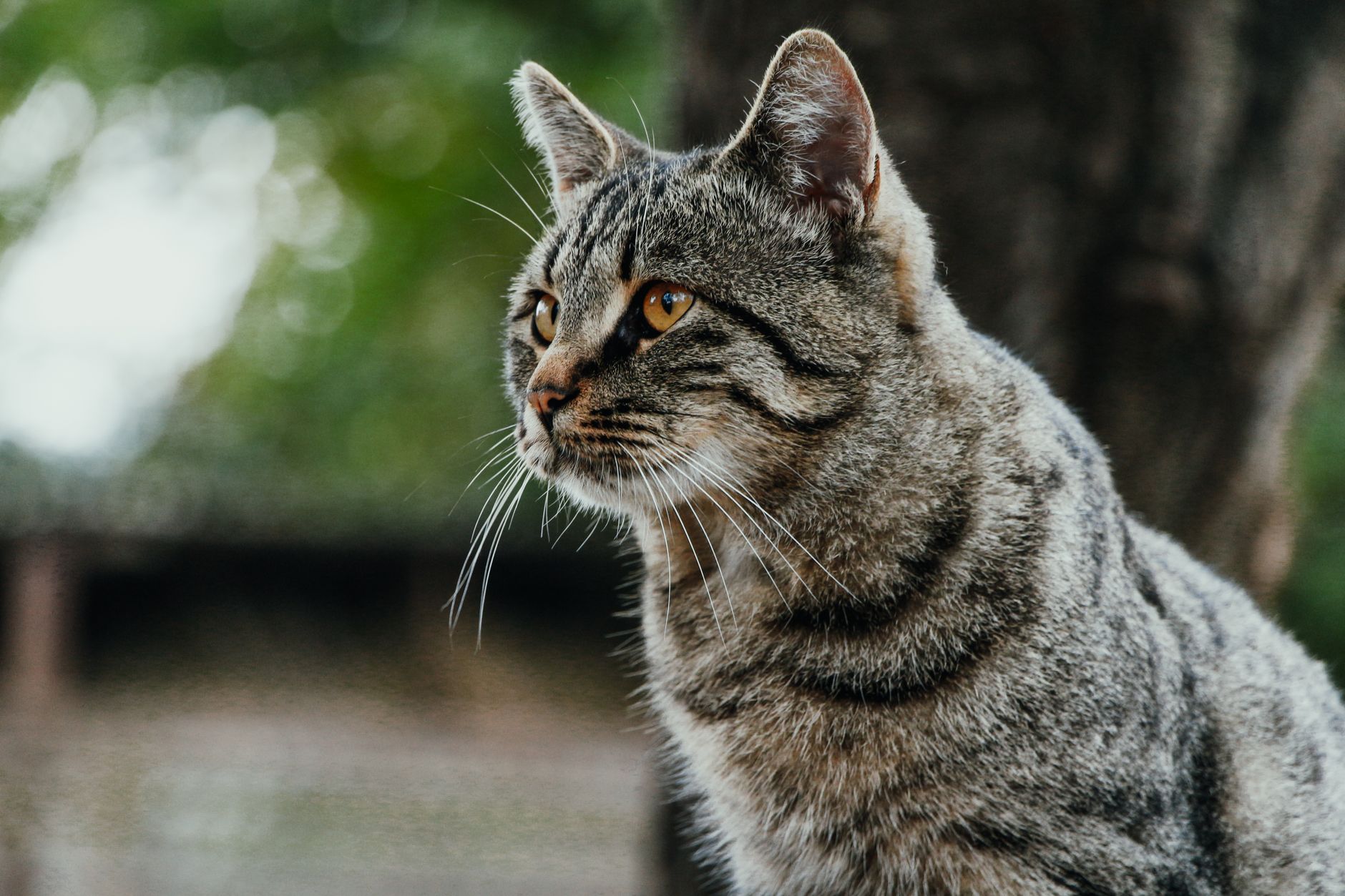
The Highlander temperament is defined by a bold, highly social, and goofy personality. They love to be the center of attention and will often greet you at the door, vocalizing with soft chirps and trills rather than loud meows. I’ve observed that they lack the typical aloofness of many felines, preferring to participate in every household activity, from making the bed to watching TV.
Is a Highlander good with other pets?
Yes, they are highly gregarious and typically coexist beautifully with other cats and dog-friendly dogs. In my clinical practice, I see that they thrive much better in multi-pet households where they have a playmate to burn off energy with.
How much attention does a Highlander need?
Highlanders need a significant amount of daily interaction and do not do well when left alone for long periods. If you work long hours, I strongly recommend getting them a feline companion or providing automated puzzle toys to prevent separation anxiety and destructive behavior.
Training & Behavior
Thanks to their high intelligence and desire to interact, Highlanders are remarkably easy to train compared to most cat breeds. I often see them successfully trained to walk on a harness or play fetch like a retriever. Because they crave mental engagement, clicker training is an excellent tool to prevent boredom-induced mischief.
Training Tips
- Use positive reinforcement with high-value treats like freeze-dried chicken.
- Start harness and leash training early, around 12 to 16 weeks of age.
- Incorporate clicker training to teach basic tricks like ‘sit’ and ‘high-five’.
- Keep training sessions short (2-5 minutes) to match their active focus span.
Fun Activities
- Playing fetch with lightweight crinkle balls
- Walking outdoors on a secure harness and leash
- Exploring high-quality, sturdy vertical cat trees
- Splashing in shallow water or running faucets
- Navigating complex food puzzle toys
Is a Highlander easy to train?
Yes, they are exceptionally trainable because they are food-motivated and eager to engage with their owners. In my practice, I’ve seen owners easily teach them to retrieve toys, sit on command, and even navigate simple agility courses.
Highlander Health Issues
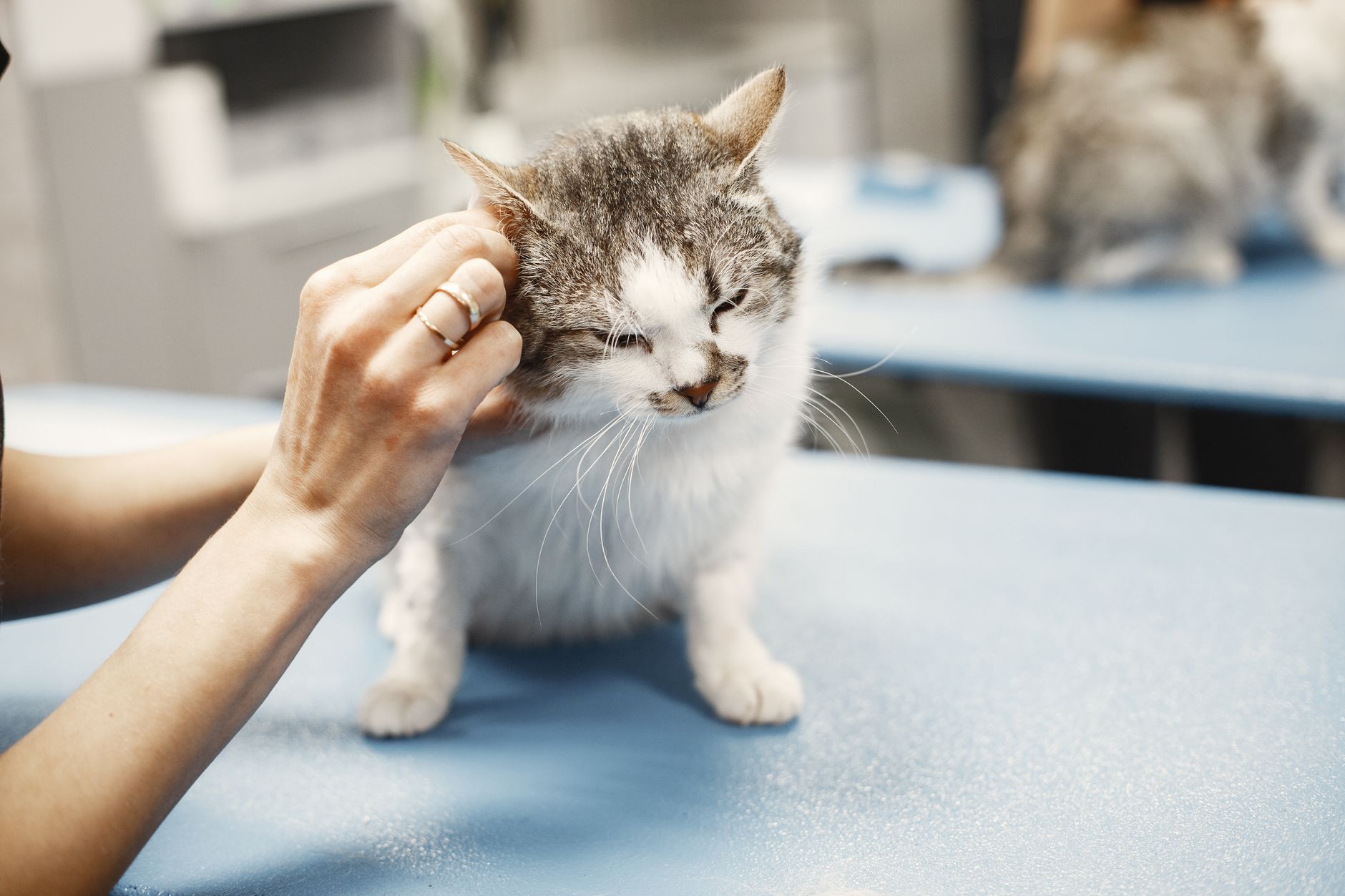
The Highlander is a relatively robust and hearty breed, but their unique physical traits do expose them to specific health risks. In my clinical experience, proactive management of their ears and paws is the key to preventing chronic issues.
Ear Canal Stenosis and Otitis
Due to the gene that curls their ears, the ear cartilage can be rigid, sometimes narrowing the ear canal. This traps wax and debris, creating a breeding ground for bacterial and yeast infections.
Polydactyly Nail Ingrowths
Many Highlanders have extra toes (polydactyly). The claws between the extra toes often do not wear down naturally and can curl back, growing directly into the paw pad, causing severe pain and infection.
Hypertrophic Cardiomyopathy (HCM)
This is a hereditary heart disease where the heart muscle thickens, potentially leading to heart failure or blood clots. Because it is common in large, developed breeds, screening via echocardiogram is essential.
Patellar Luxation
This occurs when the kneecap slips out of its normal anatomical groove. In large, active breeds like the Highlander, this can lead to osteoarthritis and pain over time.
Obesity
Despite their high energy, their large frames can quickly carry excess weight if they are overfed, placing immense strain on their joints and cardiovascular system.
How long do Highlanders typically live?
With proper nutrition, routine veterinary care, and indoor-only living, a Highlander typically enjoys a lifespan of 10 to 15 years. Regular screening for heart health and keeping them at a lean body weight are crucial to maximizing their longevity.
What to Feed a Highlander
Feeding a Highlander requires a careful balance to fuel their high energy levels while preventing joint-straining obesity. I always emphasize a diet rich in high-quality animal proteins to support their substantial muscle mass.
Best Diet
I recommend a high-protein, moderate-fat, wet-food-heavy diet to ensure adequate hydration and muscle maintenance. Kittens should remain on a formulated growth diet until they are at least 12 to 18 months old, as this breed matures slowly.
How to Feed
Avoid free-feeding dry food, which is a fast track to obesity in this breed. Instead, feed measured meals twice daily, or use puzzle feeders to make them work for their food and mimic natural hunting behaviors.
How Much to Feed
Portion sizes must be tailored to the individual cat’s weight, age, and activity level. Generally, an active 15-pound male may require 280-350 calories per day, but you should consult your veterinarian to establish a precise caloric plan.
Nutritional Tips
Incorporate joint supplements like glucosamine and chondroitin early in life to support their large skeletons and polydactyl limbs. Always ensure fresh, filtered water is available, perhaps in a pet fountain, as they love moving water.
Highlander Grooming Guide
Grooming a Highlander involves more than just brushing their coat; their unique ears and feet require specialized, routine maintenance. Establishing a strict grooming schedule when they are kittens will make these tasks stress-free for both of you.
Coat Care
Brush shorthaired Highlanders weekly with a soft slicker brush to remove loose hair. For longhaired individuals, brush 2-3 times weekly with a metal comb to prevent painful matting, especially under the armpits and hindquarters.
Skin Care
Their skin is generally healthy, but their high-energy nature means they can get dirty during active play. Wipe them down with pet-safe grooming wipes if they get dusty or muddy.
Eye Care
Highlanders do not typically have major eye issues, but you should wipe the corners of their eyes with a damp, soft cloth if any minor sleep or crust accumulates.
Ear Care
Due to their curled, rigid cartilage, check their ears weekly. Clean them gently using a veterinarian-approved ear cleaner and a cotton ball (never a Q-tip) to prevent wax buildup and yeast infections.
Nail & Dental Care
Trim their nails every 10-14 days, paying extreme attention to any ‘hidden’ claws between the polydactyl toes. Brush their teeth daily with cat-safe enzymatic toothpaste to prevent periodontal disease.
Considerations for Pet Parents
Pros
- Extremely affectionate and deeply loyal to family
- Highly intelligent and highly trainable (fetch, harness walking)
- Thrives in households with other pets
- Goofy, entertaining, and dog-like personality
- Robust and physically engaging companion
- Stunning, exotic appearance
Cons
- High demand for mental and physical stimulation
- Prone to ear infections due to curled ear structure
- Requires meticulous claw care for polydactyl toes
- Prone to separation anxiety if left alone for long periods
Best For
Active families, multi-pet households, and experienced cat owners who can dedicate time to daily play, clicker training, and regular physical grooming.
Not Recommended For
Sedentary owners, those who are away from home for long stretches, or people looking for a low-maintenance, independent lap cat.
Cost
- purchase price$1,000 to $2,500+
- monthly cost$80 to $150
- initial setupInitial veterinary wellness exams, early HCM screenings, specialized grooming tools, extra-large scratchers, and sturdy climbing trees can easily cost $600 to $1,000.
Similar Breeds


Highlander FAQs
What is a Highlander cat?
The Highlander is a relatively new, experimental cat breed developed by crossing the Desert Lynx and the Jungle Curl. They are known for their distinct curled ears, bobbed tails, large muscular frames, and often, extra toes (polydactyly).
Are Highlander cats wild?
Despite their wild ‘big cat’ appearance, Highlanders do not have actual wild cat genes from lions or tigers. They are fully domestic cats with a gentle, goofy, and affectionate temperament, bred specifically to look exotic while remaining loving pets.
How big do Highlander cats get?
They are a large-sized breed. Mature males typically weigh between 15 and 20 pounds (some reaching up to 22 pounds or more), while females are slightly smaller, usually weighing between 10 and 14 pounds.
Do Highlander cats like water?
Yes, many Highlanders have a fascinating fondness for water. In my clinical experience, owners often report their Highlanders playing in sink faucets, splashing in water bowls, or even trying to join them in the shower.
Are all Highlander cats polydactyl?
No, not all Highlanders have extra toes, but polydactyly is highly common and accepted within the breed standards. If your Highlander is polydactyl, it requires extra attention during nail trims to keep hidden claws from growing into the foot pads.
Why do Highlander cats have curled ears?
Their curled ears are the result of a genetic mutation inherited from their Jungle Curl ancestry. This mutation alters the cartilage in the ear, causing the tips to curl backward; the degree of curl can vary significantly from cat to cat.
Do their curled ears cause health problems?
Yes, they can. The curled cartilage can make the ear canal narrow or rigid, which prevents natural wax drainage and increases the risk of chronic ear infections. Weekly cleaning and inspections are highly recommended.
How do you groom a Highlander’s ears?
I instruct my clients to use a veterinarian-recommended liquid ear cleaner. Gently squirt a few drops into the ear base, massage the cartilage to loosen debris, and use a soft cotton pad to wipe away the loosened wax—never insert Q-tips into the canal.
Are Highlander cats vocal?
They are moderately vocal, but instead of loud meowing, they tend to communicate using quiet, charming chirps, trills, and soft purrs. They will ‘talk’ to you to ask for dinner or invite you to play.
Do Highlander cats get along with dogs?
Generally, yes. Thanks to their confident and dog-like nature, they adapt very well to canine companions. Slow, controlled introductions are always recommended to ensure safety for both animals.
How much exercise does a Highlander cat need?
They need a high level of physical and mental exercise. I recommend at least 30 to 45 minutes of active, structured play daily, incorporating puzzle toys, feather wands, laser pointers, and climbing structures to keep them stimulated.
Can Highlander cats be indoor-only pets?
Yes, they absolutely should be kept indoors to protect them from infectious diseases, traffic, predators, and theft. You can satisfy their desire for the outdoors safely by training them to walk on a harness or building a secure outdoor cat patio (catio).
Do Highlander cats have health issues?
While generally robust, they are prone to hypertrophic cardiomyopathy (HCM), patellar luxation, ear infections due to narrow canals, and claw issues from polydactyly. Routine vet exams and genetic screenings are vital.