
Welsh Springer Spaniel Breed Guide

Quick Summary
The Welsh Springer Spaniel is a loyal, high-energy sporting breed known for its striking red-and-white coat and intense devotion to its family. In my years treating this breed, I have found that they thrive best with highly active, outdoorsy owners who can channel their deep working drive, as they can easily develop separation anxiety and nuisance behaviors without structure and companionship.
Quick Facts
- origin countryWales
- breed groupSporting Group (AKC)
- sizeMedium
- weight range35 to 55 pounds (16 to 25 kg)
- height range17 to 19 inches (43 to 48 cm)
- lifespan12 to 15 years
- coat typeDense, flat, silky with moderate feathering
- common colorsRich red and white
- other namesWelshie, Welsh Cocker, Welsh Starter
- recognized byAKC, UKC, KC (UK), FCI
Caring for a Welsh Springer Spaniel
Living with a Welshie means embracing an active, outdoor-focused lifestyle where your dog is involved in every family event. In my practice, I see that these dogs require at least 60 to 90 minutes of daily vigorous exercise to prevent destructive behaviors. Because of their classic ‘velcro’ nature, they do not tolerate being left alone for long periods and will actively seek out your company. Their beautiful red-and-white coats require consistent grooming to prevent matting, and their long ears demand weekly veterinary-grade cleaning to prevent chronic infections.
Is a Welsh Springer Spaniel a good family pet?
Yes, they make exceptional family pets for active households due to their gentle, affectionate nature and natural affinity for children. However, they can be somewhat reserved with strangers compared to English Springers, meaning early socialization is key.
Do Welsh Springer Spaniels shed a lot?
They are moderate shedders year-round, with heavier shedding periods during the spring and fall seasonal blows. Regular brushing with a slicker brush and undercoat rake at least three times a week is essential to manage the loose hair in your home.
Is a Welsh Springer Spaniel good for first-time owners?
While highly intelligent and eager to please, they can be a challenge for first-time owners due to their high energy, sensitivity, and propensity for separation anxiety. A novice owner must be fully committed to consistent positive reinforcement training and meeting their substantial daily exercise needs.
Temperament & Personality
The Welsh Springer Spaniel is characterized by an endearing combination of intense loyalty, steady gentleness, and an enthusiastic working drive. Unlike their more gregarious English cousins, Welshies tend to be somewhat aloof with strangers, acting as excellent watchdogs without being aggressive. They are incredibly devoted to their ‘pack’ and thrive on human companionship, often following their owners from room to room. In clinic visits, they are typically cooperative but may show a sensitive side if handled too roughly.
Is a Welsh Springer Spaniel good with other pets?
Generally, yes; they typically cohabitate very well with other dogs and can live harmoniously with cats if raised with them. However, as a sporting breed with a natural hunting drive, they may view small pocket pets or birds as prey, so supervision is always recommended.
How much attention does a Welsh Springer Spaniel need?
They require a high level of daily interaction and do not do well in households where owners are gone for 8-10 hours a day. Left alone too long, they frequently develop separation anxiety, leading to compulsive barking, howling, or destructive chewing.
Training & Behavior
Welshies are highly intelligent and eager to please, but they possess a sensitive, soft temperament that requires a gentle touch. Traditional harsh correction methods will cause them to shut down completely or become fearful. In my clinical experience, utilizing positive reinforcement with high-value treats and consistent, clear boundaries yields the best results.
Training Tips
- Use positive reinforcement and reward-based training
- Begin socialization within the first 12 to 16 weeks of life
- Keep training sessions short, varied, and engaging
- Avoid harsh physical or verbal corrections
- Address separation anxiety early with structured alone-time training
Fun Activities
- Field trials and hunting tests
- Agility and flyball competitions
- Scent work and tracking
- Dock diving and swimming
- Structured hiking and off-leash running (in safe areas)
Is a Welsh Springer Spaniel easy to train?
They are highly trainable due to their intelligence and desire to cooperate, but they can occasionally display a stubborn streak if they find a task repetitive or boring. I advise keeping training sessions under 10 minutes and incorporating plenty of play and variety to keep them engaged.
Welsh Springer Spaniel Health Issues
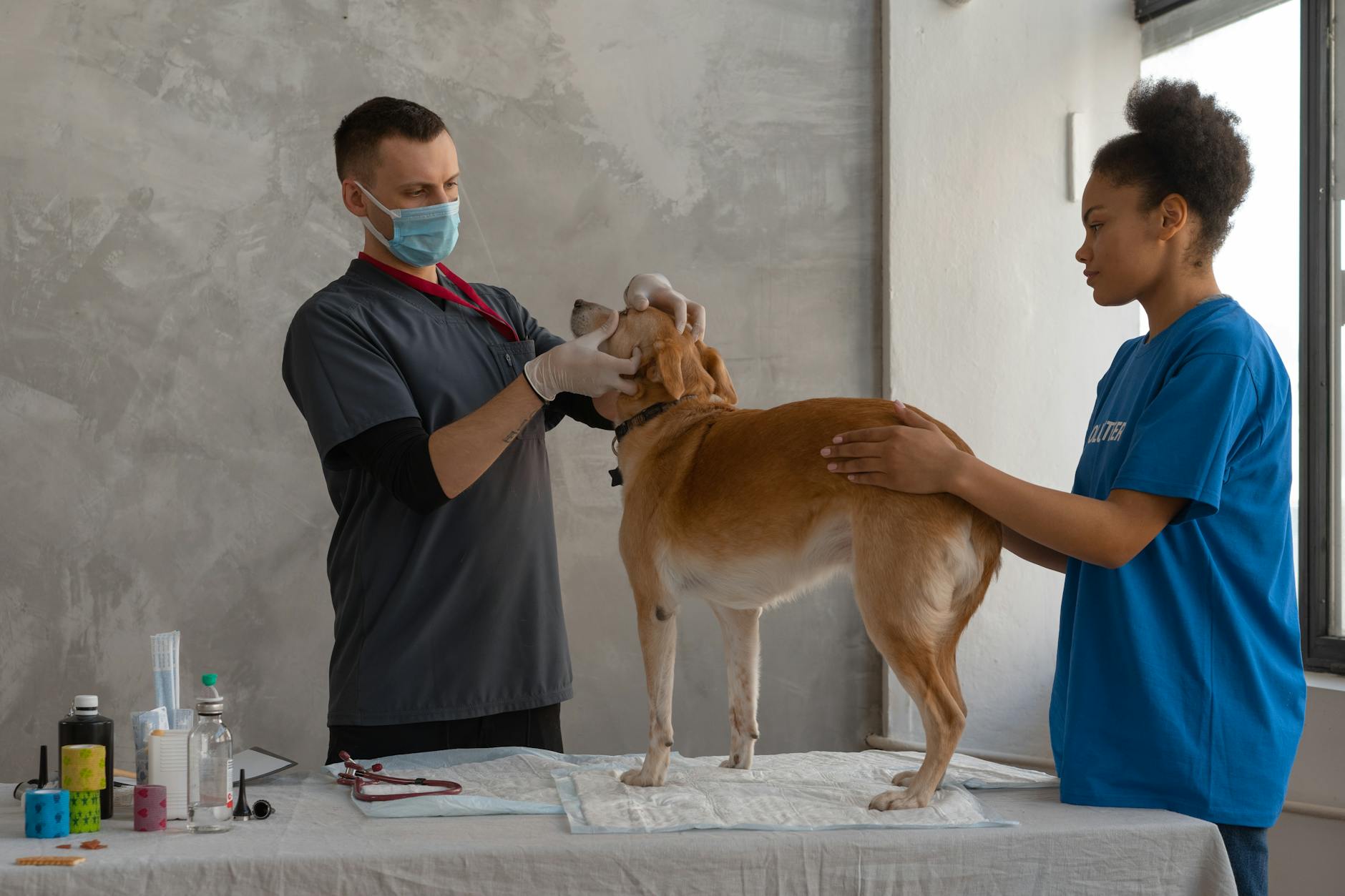
Generally, the Welsh Springer Spaniel is a robust and hardy sporting breed, but they are genetically predisposed to several hereditary conditions. In my practice, I emphasize the absolute necessity of purchasing from breeders who perform certified clearances through the Orthopedic Foundation for Animals (OFA) and the Canine Eye Registry Foundation (CERF).
Hip and Elbow Dysplasia
An inherited developmental malformation of the joints where the bones do not fit together smoothly, leading to progressive arthritis and joint degeneration. Overweight dogs are at a significantly higher risk of clinical signs.
Glaucoma and Goniodysplasia
An abnormal development of the eye’s drainage angle (goniodysplasia) that can restrict fluid outflow, leading to primary glaucoma, which causes a rapid, painful buildup of pressure within the eye. This can lead to permanent blindness if not treated immediately.
Otitis Externa (Ear Infections)
Due to their heavy, pendulous ears with narrow canals, moisture and debris easily get trapped inside, creating a perfect breeding ground for yeast and bacterial infections. I treat this condition in spaniels almost weekly in my clinic.
Hypothyroidism
An autoimmune thyroiditis that leads to an underactive thyroid gland, slowing down the dog’s metabolism. It is easily diagnosed via a comprehensive blood panel and managed with daily oral hormone replacement therapy.
Epilepsy
Idiopathic epilepsy, a neurological disorder characterized by recurrent, unprovoked seizures, is documented in some Welsh Springer Spaniel bloodlines. It typically manifests between 1 and 5 years of age and requires long-term anticonvulsant medication.
How long do Welsh Springer Spaniels typically live?
With appropriate veterinary care, a high-quality diet, and regular exercise, Welsh Springer Spaniels typically live between 12 and 15 years. Keeping them at a lean, healthy weight is the single most effective way to maximize their life expectancy and joint health.
What to Feed a Welsh Springer Spaniel
Proper nutrition is vital for sustaining the high energy levels of this active sporting breed while protecting their joints. I frequently caution owners that Welshies are highly food-motivated and can easily become overweight if their portions are not carefully managed.
Best Diet
A high-quality, commercially prepared or veterinary-formulated diet rich in lean animal proteins is ideal. For puppies, ensure they are on a medium-breed puppy formula to promote slow, controlled bone and joint growth.
How to Feed
I strongly recommend dividing their daily food intake into two structured meals per day rather than free-feeding. Using puzzle feeders or slow-bowls is excellent for slowing down fast eaters and providing mental stimulation.
How Much to Feed
On average, an adult Welshie requires about 1.5 to 2.5 cups of high-quality kibble daily, depending heavily on their activity level and age. Since individual metabolic rates vary widely, you should consult your veterinarian to calculate exact caloric needs based on a body condition score.
Nutritional Tips
Adding omega-3 fatty acid supplements (like wild-caught fish oil) is highly beneficial for maintaining their silky coat and supporting joint health. Always monitor their body condition score; you should easily feel their ribs but not see them.
Welsh Springer Spaniel Grooming Guide
Maintaining the iconic, silky red-and-white coat of a Welshie requires a consistent routine, though it is not as intensive as some other spaniel breeds. Regular maintenance prevents painful mats and keeps their skin free from irritation.
Coat Care
Brush the coat 2 to 3 times a week with a slicker brush and metal comb, paying close attention to the fine feathering on the ears, chest, and legs where tangles easily form. Professional trimming every 6 to 8 weeks helps keep the feet, ears, and sanitary areas neat.
Skin Care
Bathe your Welshie every 4 to 6 weeks using a gentle, soap-free oatmeal shampoo. Always ensure they are completely dry after a bath or a swim, as trapped moisture can lead to hot spots or bacterial skin infections.
Eye Care
Gently wipe the corners of the eyes daily with a damp cotton ball to remove normal tear discharge, and monitor closely for any redness or cloudiness.
Ear Care
Clean the ears weekly and immediately after swimming using a veterinarian-recommended, drying ear cleanser. Massage the base of the ear, let them shake, and wipe out the debris with a cotton pad.
Nail & Dental Care
Trim nails every 3 to 4 weeks to prevent splaying of the feet, and brush their teeth at least 3 times a week with canine-safe enzymatic toothpaste to prevent periodontal disease.
Considerations for Pet Parents
Pros
- Extremely loyal and deeply devoted to their family
- Striking, unique red-and-white coat appearance
- Versatile working and sporting capabilities
- Gentle and affectionate temperament with children
- Energetic and eager companion for outdoor adventures
- Generally gets along well with other household dogs
Cons
- Prone to severe separation anxiety if left alone
- Requires substantial, daily vigorous exercise
- Can be reserved, aloof, or timid with strangers without early socialization
- Highly sensitive to harsh discipline or stressful environments
- High grooming requirements, including frequent ear care
Best For
An active, outdoorsy individual or family who has plenty of time to spend with their dog and wants a loyal companion to join them on hikes, runs, or hunts. They are ideal for those who can integrate the dog into daily life and provide consistent, gentle training.
Not Recommended For
Sedentary households, apartments where owners are gone for long workdays, or individuals who prefer a highly independent pet. They are also not suited for environments where harsh training methods are used or where their high exercise needs cannot be met daily.
Cost
- purchase price$1,500 to $2,500
- monthly cost$120 to $200
- initial setupExpect to spend $1,000 to $1,500 initially on high-quality crates, health screenings, vaccinations, grooming tools, and spay/neuter surgery.
Similar Breeds

Related Dog Guides
Welsh Springer Spaniel FAQs
What is the difference between an English and Welsh Springer Spaniel?
While sharing common ancestry, Welsh Springer Spaniels are slightly smaller, have a more tapered head, and exclusively come in a rich red-and-white coat pattern. Temperamentally, Welshies tend to be more reserved with strangers and have a stronger ‘velcro’ bond with their owners compared to the more outgoing English Springer.
Are Welsh Springer Spaniels prone to barking?
They can be moderate barkers, especially if they are alerting you to someone approaching the house. However, if they are under-exercised or suffering from separation anxiety, this can escalate into compulsive, nuisance barking. Consistent mental stimulation and early training are the best preventatives.
Do they like water and swimming?
Yes, most Welshies have a natural affinity for water and are excellent swimmers. This is a fantastic, low-impact way to burn off their high energy, but you must dry their ears thoroughly afterward to prevent painful yeast infections.
How much daily exercise does a Welsh Springer Spaniel need?
They require at least 60 to 90 minutes of active exercise daily. This should include more than just walking; they need opportunities to run off-leash in safe areas, fetch, swim, or engage in canine sports to truly satisfy their working instincts.
Are Welsh Springer Spaniels easy to housebreak?
Yes, they are generally easy to housebreak when a consistent schedule and positive crate training are used. However, because they are a sensitive breed, using harsh punishments for accidents will set back their training; sticking to positive reinforcement yields the fastest results.
Are they prone to separation anxiety?
Absolutely, this is one of the most common behavioral issues I diagnose in this breed. Because of their intense attachment to their owners, they must be taught from early puppyhood that being alone for short periods is safe, utilizing crate training and calming protocols.
Are Welsh Springer Spaniels good watchdogs?
Yes, they are naturally alert and will readily bark to notify you of a visitor or stranger on your property. However, they are not guard dogs and lack the aggression to protect; they are generally polite once they see their owner accept the guest.
What brush is best for a Welsh Springer Spaniel’s coat?
A high-quality slicker brush paired with a medium-to-fine metal Greyhound comb is ideal for managing their double coat. The slicker brush removes loose undercoat, while the comb is vital for detecting and gently detangling mats behind the ears and in the feathering.
Are Welsh Springer Spaniels hypoallergenic?
No, they are not hypoallergenic. They shed moderately year-round and produce dander, which can trigger allergies. If you suffer from dog allergies, it is highly recommended to spend time around the breed before bringing one home.
Can Welsh Springer Spaniels live in an apartment?
They can adapt to apartment living only if their owners are highly active and committed to providing several hours of outdoor exercise and mental stimulation daily. Without this outlet, the confinement can easily lead to destructive behaviors and nuisance barking.
At what age do Welsh Springer Spaniels mature?
They are slow to mature both physically and mentally, often retaining their exuberant ‘puppy’ energy and goofy antics until they are about 2 to 3 years old. Consistent, patient training throughout this extended adolescence is key.
Do Welsh Springer Spaniels have a strong prey drive?
Yes, they possess a strong, instinctual hunting drive. They will chase birds, squirrels, and rabbits, which means they should always be kept on a leash or in a securely fenced yard to prevent them from bolting after a scent.
Are they prone to bloat?
While not as common as in deep-chested giant breeds, Welshies can occasionally suffer from Gastric Dilatation-Volvulus (bloat). I always advise owners to avoid vigorous exercise for at least an hour after meals and to feed them from slow-feeders.
How do I prevent ear infections in my Welshie?
Preventing ear infections requires weekly cleanings with a veterinary-approved drying ear flush, especially after swimming. Keeping the hair on the underside of the ear flap and around the canal opening trimmed short also helps improve airflow.
Can a Welsh Springer Spaniel tolerate cold weather?
Yes, their dense, weatherproof double coat protects them well in wet and cold conditions, making them excellent companions for autumn hikes and winter play. However, they should always live indoors as beloved family members, not outdoor-only dogs.