
British Shorthair Breed Guide

Quick Summary
The British Shorthair is a calm, dignified, and easygoing companion, famously resembling a plush teddy bear. Perfect for single professionals and quiet families alike, this breed offers a wonderfully independent yet affectionate presence without demanding constant attention.
Quick Facts
- origin countryUnited Kingdom
- breed groupShorthair
- sizeMedium to Large
- weight range9 to 17 pounds (females: 9-12 lbs, males: 12-17+ lbs)
- height range12 to 14 inches
- lifespan12 to 17 years
- coat typeShort, dense, plush, and crisp
- common colorsBlue (most common), black, white, red, cream, silver, tabby, bi-color, and colorpoint
- other namesBritish Blue, Highlander
- recognized byCFA, TICA, FIFe, GCCF, ACFA
Caring for a British Shorthair
Living with a British Shorthair is an exercise in relaxed companionship. I have always found them to be incredibly undemanding; they are happy to lounge nearby while you work, rarely demanding your lap but always keeping you company. Because they are slow-maturing and tend to become quite sedentary as adults, you must proactively manage their weight. Their dense, double coat feels like crisp velvet and requires structured, weekly grooming to prevent matting, especially when they shed seasonally.
Is a British Shorthair a good family pet?
Yes, their patient and easygoing nature makes them excellent family pets. In my experience, they tolerate children remarkably well, preferring to calmly walk away rather than scratch when they have had enough attention.
Do British Shorthairs shed a lot?
They shed a moderate amount year-round, but they ‘blow’ their incredibly dense undercoats twice a year in the spring and fall. During these seasonal transitions, you will need to brush them daily to keep loose hair under control.
Is a British Shorthair good for first-time owners?
They are one of the absolute best breeds for first-time owners due to their independent, low-stress personalities. They do not suffer from high separation anxiety, making them highly forgiving companions for those new to cat ownership.
Temperament & Personality
I often describe the British Shorthair as the quintessential British gentleman: reserved, polite, quiet, and highly dignified. They are affectionate but strictly on their own terms, preferring to sit next to you on the couch rather than directly on top of you. They possess a delightful, quiet intelligence and a very soft, infrequent meow that contrasts amusingly with their robust physical size.
Is a British Shorthair good with other pets?
They are exceptionally good with other pets, including dogs and other cats, because of their unflappable nature. I have watched them peacefully share spaces with high-energy dogs without showing a hint of fear or aggression.
How much attention does a British Shorthair need?
They need moderate attention but are highly self-sufficient. They are perfectly content to be left alone during an 8-hour workday, making them ideal for busy professionals who cannot offer constant active engagement.
Training & Behavior
While intelligent, British Shorthairs possess a self-directed streak and will not perform tricks simply to please you. I have found that they respond best to short, gentle training sessions powered by high-value treats. They are easily litter-trained and naturally well-behaved, rarely engaging in destructive behaviors like scratching furniture or leaping onto high countertops.
Training Tips
- Use highly palatable wet treats or freeze-dried meat as positive reinforcers.
- Keep training sessions under five minutes to match their short attention spans.
- Never use physical correction; they will quickly withdraw and ignore you.
- Target training is highly effective for directing them to scratching posts or carriers.
Fun Activities
- Food puzzle toys that challenge their problem-solving skills
- Gentle wand toy play sessions to mimic hunting behaviors
- Chasing laser pointers in short, low-impact bursts
- Perching on low window hammocks to watch outdoor birds
Is a British Shorthair easy to train?
They are moderately easy to train for basic household manners, but they lack the eagerness-to-please seen in some active breeds. With patience, consistency, and positive reinforcement, they quickly learn house rules.
British Shorthair Health Issues
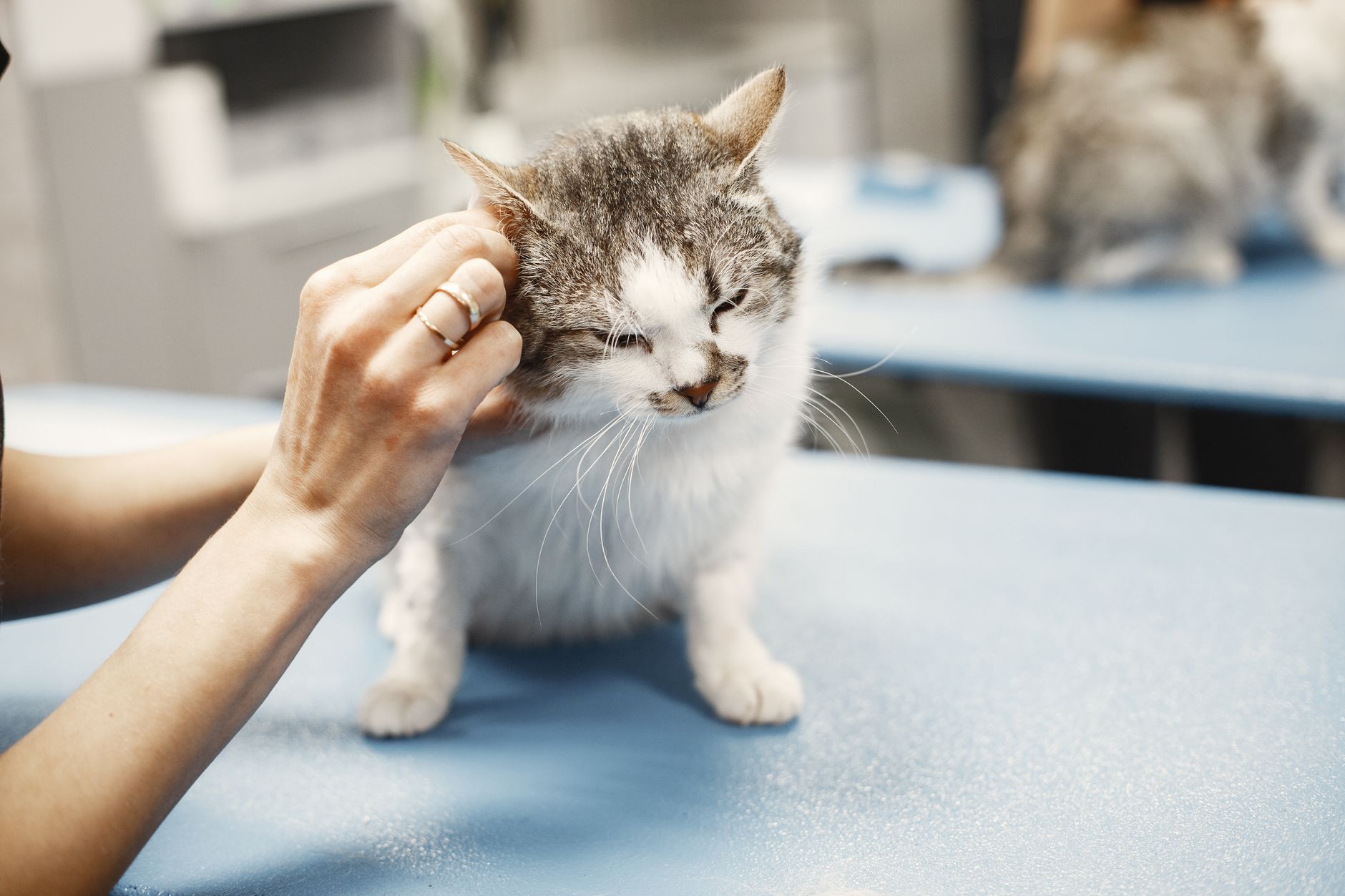
The British Shorthair is a robust and historically hardy breed with a solid genetic foundation. However, like all pedigree cats, they are prone to certain hereditary conditions that potential owners must screen for with reputable breeders.
Hypertrophic Cardiomyopathy (HCM)
A hereditary condition where the heart muscle becomes abnormally thick, potentially leading to heart failure or blood clots. Reputable breeders must perform annual echocardiograms on their breeding cats.
Polycystic Kidney Disease (PKD)
An inherited disorder where fluid-filled cysts form in the kidneys, slowly multiplying and destroying kidney function over time. Fortunately, a simple DNA test can identify carriers before they breed.
Feline Obesity
Due to their low-energy lifestyle and slow metabolism as adults, this breed is highly susceptible to packing on excess weight, which strains their joints and cardiovascular system.
Gingivitis and Dental Disease
British Shorthairs are structurally prone to crowded teeth due to their broad, short jaw shapes, which accelerates the buildup of plaque and tartar.
How long do British Shorthairs typically live?
With proper indoor care, regular veterinary checkups, and a controlled diet, a British Shorthair typically enjoys a long life of 12 to 17 years, with many reaching 18 to 20.
What to Feed a British Shorthair
Because British Shorthairs are naturally heavy-boned and prone to laziness, their diet requires strict oversight. They are slow to mature, taking up to 3 to 5 years to reach their full adult size, which means their nutritional needs transition gradually from growth to maintenance phases.
Best Diet
I highly recommend a high-protein, low-carbohydrate wet food diet to help maintain muscle mass while preventing obesity. Wet food also supports crucial urinary tract health, which is vital for this breed.
How to Feed
Avoid free-feeding dry kibble at all costs. Instead, establish a strict routine of two to three measured meals per day, and use puzzle feeders to make them work for their food.
How Much to Feed
Portion sizes should be determined by weight, age, and activity level in consultation with your vet. Generally, a typical adult male requires around 240-280 calories daily, while females need roughly 180-220 calories.
Nutritional Tips
Incorporate Omega-3 fatty acid supplements, like wild-caught salmon oil, to support their dense coat and joint health as they age. Always ensure clean, fresh water is available, ideally via a pet fountain to encourage drinking.
British Shorthair Grooming Guide
Grooming a British Shorthair is surprisingly straightforward because of their short coat, but the extreme density of their fur means it cannot be ignored. Regular maintenance prevents painful matting and minimizes hairballs.
Coat Care
Brush their coat thoroughly once or twice a week using a high-quality slicker brush or a greyhound comb. During seasonal shedding in spring and autumn, increase this to daily brushing to remove the dead undercoat.
Skin Care
Their skin is generally healthy, but look out for dry patches or excessive dander, which can indicate nutritional deficiencies or a lack of self-grooming due to obesity.
Eye Care
Because of their round eyes and slightly shortened facial structure, minor tearing can occur. Wipe the corners of their eyes daily with a damp, warm cotton pad to prevent staining.
Ear Care
Check their ears weekly for dirt, wax, or redness. Clean them only when necessary using a vet-approved ear cleaning solution and a cotton ball—never insert cotton swabs into the ear canal.
Nail & Dental Care
Trim their nails every two to three weeks. Brush their teeth at least three times a week with veterinary-approved enzyme toothpaste to prevent progressive periodontal disease.
Considerations for Pet Parents
Pros
- Incredibly calm, patient, and quiet temperament
- Highly independent; adapts beautifully to being left alone during work hours
- Stunning, plush appearance that is soft to the touch
- Extremely tolerant of respectful children and other household pets
- Rarely exhibits destructive behavioral issues or high-altitude jumping
Cons
- Highly prone to obesity if food intake is not carefully regulated
- Strong aversion to being picked up, carried, or held closely
- Heavy seasonal shedding that requires diligent brushing
- Can be expensive to purchase from reputable, health-testing breeders
Best For
The ideal owner is a busy professional or a calm family who wants a low-drama, affectionate but highly independent feline companion that does not require constant physical interaction or intense grooming.
Not Recommended For
This breed is not recommended for owners seeking an ultra-active ‘velcro’ cat that wants to cuddle on laps all day, or those who cannot commit to strict portion control and weight management.
Cost
- purchase price$1,500 to $3,500 from a reputable breeder
- monthly cost$100 to $180 (covering high-quality food, litter, insurance, and routine veterinary care)
- initial setupExpect to spend $500 to $900 initially on high-quality grooming tools, heavy-duty scratching posts, a robust cat tree, a litter box, and initial preventative vet visits.
Similar Breeds

Chartreux
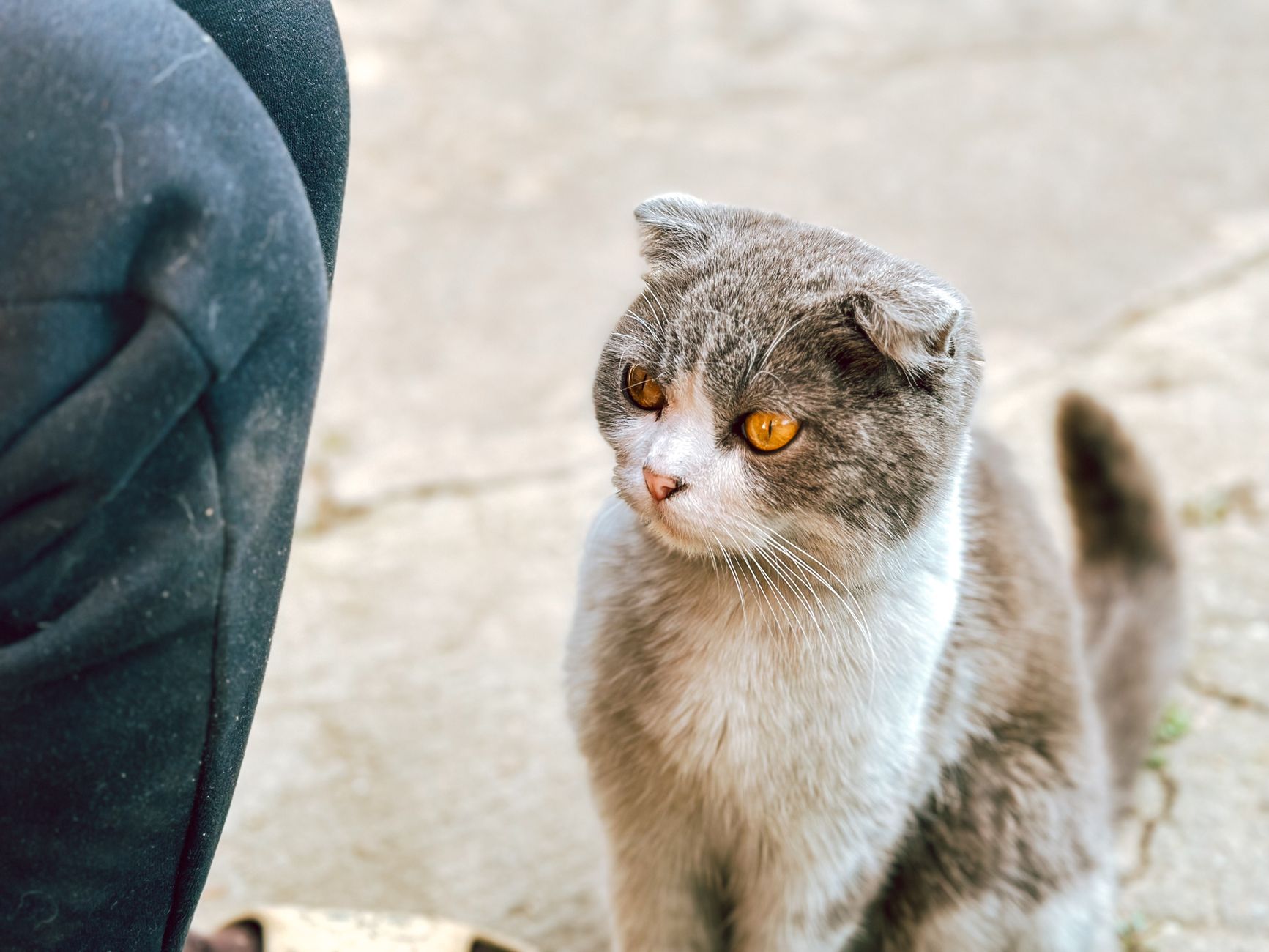
Scottish Fold
British Shorthair FAQs
Are British Shorthairs lap cats?
Generally, no. In my experience, they prefer to sit directly next to you on the couch, pressing their bodies against your leg, rather than settling onto your lap. They value their personal space and do not like feeling trapped.
Why do British Shorthairs hate being picked up?
This breed has a strong ‘four paws on the floor’ philosophy. Because of their heavy, muscular bodies, they feel highly insecure and physically uncomfortable when lifted and suspended in the air.
Do they get along well with dogs?
Yes, they are exceptionally good with dogs. Their calm, unflappable demeanor means they rarely run away from dogs, which prevents triggering a canine’s chase instinct.
At what age do British Shorthairs reach their full size?
They are a very slow-maturing breed. While they reach their adult height by one year, they continue to fill out, gain muscle, and develop their signature broad cheeks until they are 3 to 5 years old.
How often do they vocalize?
Very rarely. They are famously quiet cats. When they do choose to vocalize, it is typically a tiny, high-pitched squeak or a soft chirp that sounds surprisingly small for such a large, muscular breed.
Are British Shorthairs hypoallergenic?
No, they are not hypoallergenic. They produce the standard Fel d 1 protein in their saliva and skin, and their dense, shedding double coat easily spreads dander throughout the home.
What is the difference between a British Shorthair and a Domestic Shorthair?
A Domestic Shorthair is a mixed-breed cat of unknown heritage. A British Shorthair is a pedigree breed defined by specific physical standards, including a dense plush coat, a broad round head, round eyes, and a muscular body.
Can they be kept as outdoor cats?
I strongly advise keeping them strictly indoors. Their gentle, slow-moving nature makes them poorly equipped to escape predators, handle traffic, or defend themselves against aggressive stray animals.
How do I know if my British Shorthair is overweight?
You should be able to feel their ribs under their thick coat with gentle finger pressure. If you view them from above and cannot see a slight indentation behind their rib cage, or if they develop a swinging belly pouch, consult your vet about a weight-management plan.
Are they prone to separation anxiety?
No, they are highly independent and cope very well with solitude. They will spend most of the day napping and playing independently, making them perfect for owners who work out of the home.
Why do they have such round cheeks?
Their prominent, chubby cheeks—known as ‘jowls’—are a key breed characteristic. They are most pronounced in unneutered adult males, but all British Shorthairs possess a round skull structure that highlights this look.
How do they handle hot weather?
Because of their incredibly dense double coats, they do not tolerate extreme heat well. It is critical to keep your home air-conditioned during hot summer months and monitor them closely for signs of overheating.