
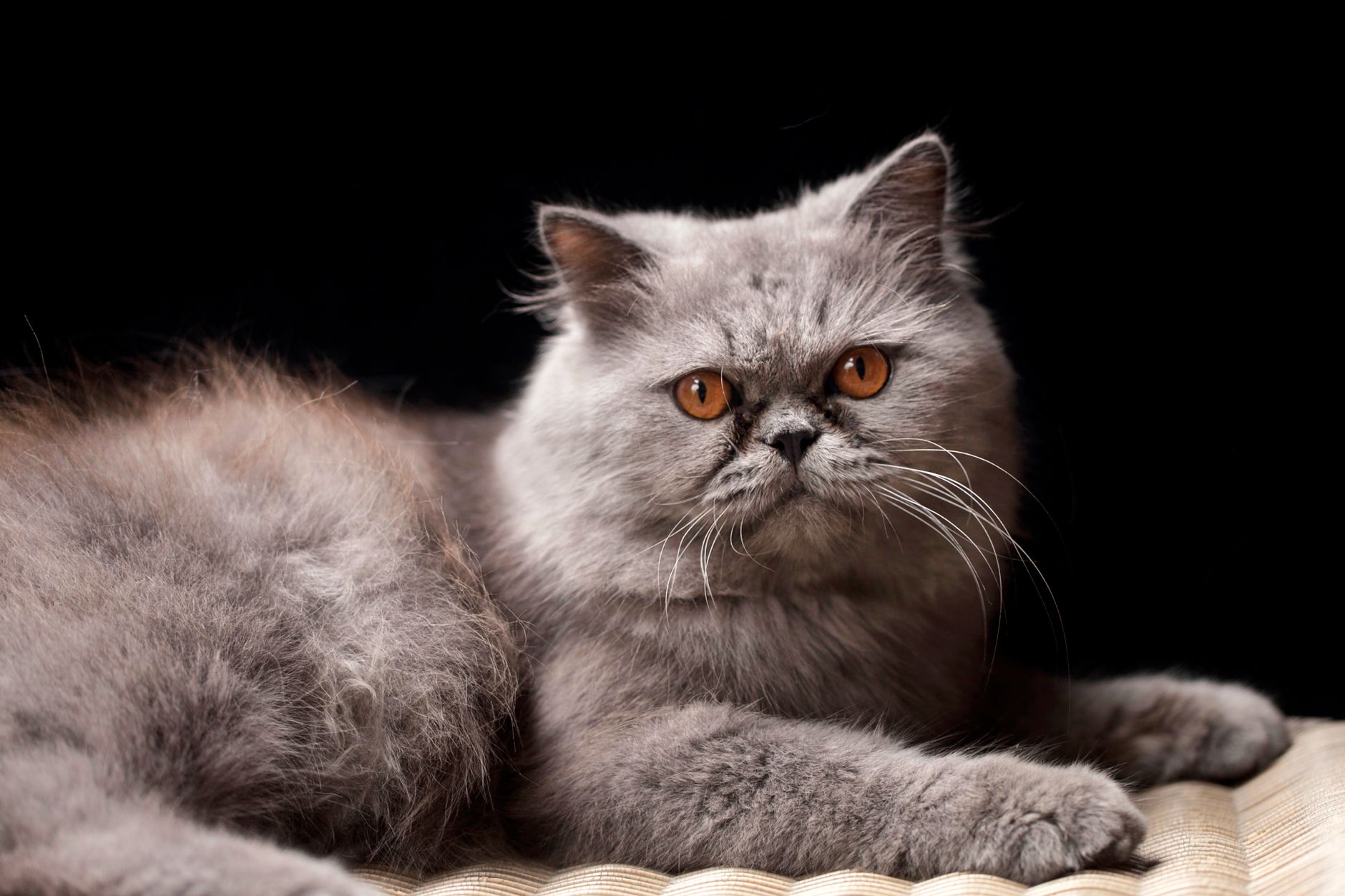
 Persian vs Exotic Shorthair: Same Face, Different Coat” loading=”lazy”>
Quick Summary
While Persians and Exotic Shorthairs share the same flat facial structure and sweet temperament, their coats create two entirely different ownership experiences. Persians require daily, high-maintenance grooming to prevent painful matting, whereas the ‘wash-and-wear’ Exotic Shorthair needs only weekly brushing. Both breeds require lifelong vigilance regarding brachycephalic health issues, particularly tear duct overflow and genetic kidney disease.
As an Amazon Associate, we earn from qualifying purchases.
Popular with cat owners: Slicker Brush · Cat Tree · Pet Water Fountain
In my fifteen years of feline veterinary practice, I have treated hundreds of flat-faced cats. Clients frequently sit in my exam room, completely torn between the ethereal beauty of a Persian and the plush, teddy-bear appeal of an Exotic Shorthair.
They are, genetically speaking, nearly identical cousins. Yet, the choice between them dictates how you will spend your next fifteen years, especially when it comes to daily maintenance and respiratory health.
Let me break down what you actually need to know before bringing one of these beautiful brachycephalic cats into your home.
Key Takeaways
- Persians and Exotic Shorthairs share identical facial structures, making both prone to tear duct issues and respiratory sensitivity.
- The Exotic Shorthair is often called ‘the lazy man’s Persian’ due to its dense, short coat that does not mat easily.
- Persians require 20 to 30 minutes of daily combing with professional steel tools to prevent painful skin matting.
- Both breeds are highly susceptible to Polycystic Kidney Disease (PKD); always demand a DNA-negative test for the PKD1 gene.
- Exotic Shorthairs tend to be slightly more active and playful than their quiet, sedate Persian counterparts.
- Daily facial wiping is non-negotiable for both breeds to prevent bacterial and fungal dermatitis in their deep skin folds.
In This Article
- The Shared Blueprint: Brachycephaly and Genetics
- The Great Grooming Divide: Long vs. Short Coat
- Facial Hygiene and Tear Stain Management
- Common Genetic and Structural Health Risks
- Personality Profiles: Sedate vs. Playful
- Dietary Needs and Weight Management for Cobby Cats
- Anesthesia and Surgery Considerations
The Shared Blueprint: Brachycephaly and Genetics
To understand these breeds, we must look at their structural design. Both the Persian and the Exotic Shorthair are brachycephalic, meaning they have shortened, flat skulls.
This flat face is the result of selective breeding over decades, which compresses the nasal passages and jaw bone structure.
In my clinic, I always remind owners that this unique look comes with biological consequences. Their teeth are often crowded, and their tear ducts cannot drain naturally because of the altered skeletal structure.
This leads to chronic moisture around the eyes, which requires diligent daily management.
The Exotic Shorthair was actually created in the 1950s by crossing Persians with American Shorthairs. The goal was to introduce the striking silver coat and flat face to the shorthair gene pool.
What resulted was a cat with the Persian’s sweet, flat look but with a much lower-maintenance coat, earning them the nickname ‘the lazy man’s Persian’ in feline circles.
Swihauk Self-Cleaning Slicker Brush
- ✓Release button for one-step hair removal
- ✓Rounded bristle tips are gentle on skin
- ✓Stainless steel pins in a compact design
- Fine wire pins lift loose undercoat and work out small tangles before they turn into mats

The Great Grooming Divide: Long vs. Short Coat
The single biggest differentiator between these two breeds is their coat. A Persian’s coat is long, fine, and double-layered, consisting of a dense undercoat and a silky topcoat.
Without daily intervention, this fur quickly turns into painful, tight mats that pull at the skin and cause bruising.
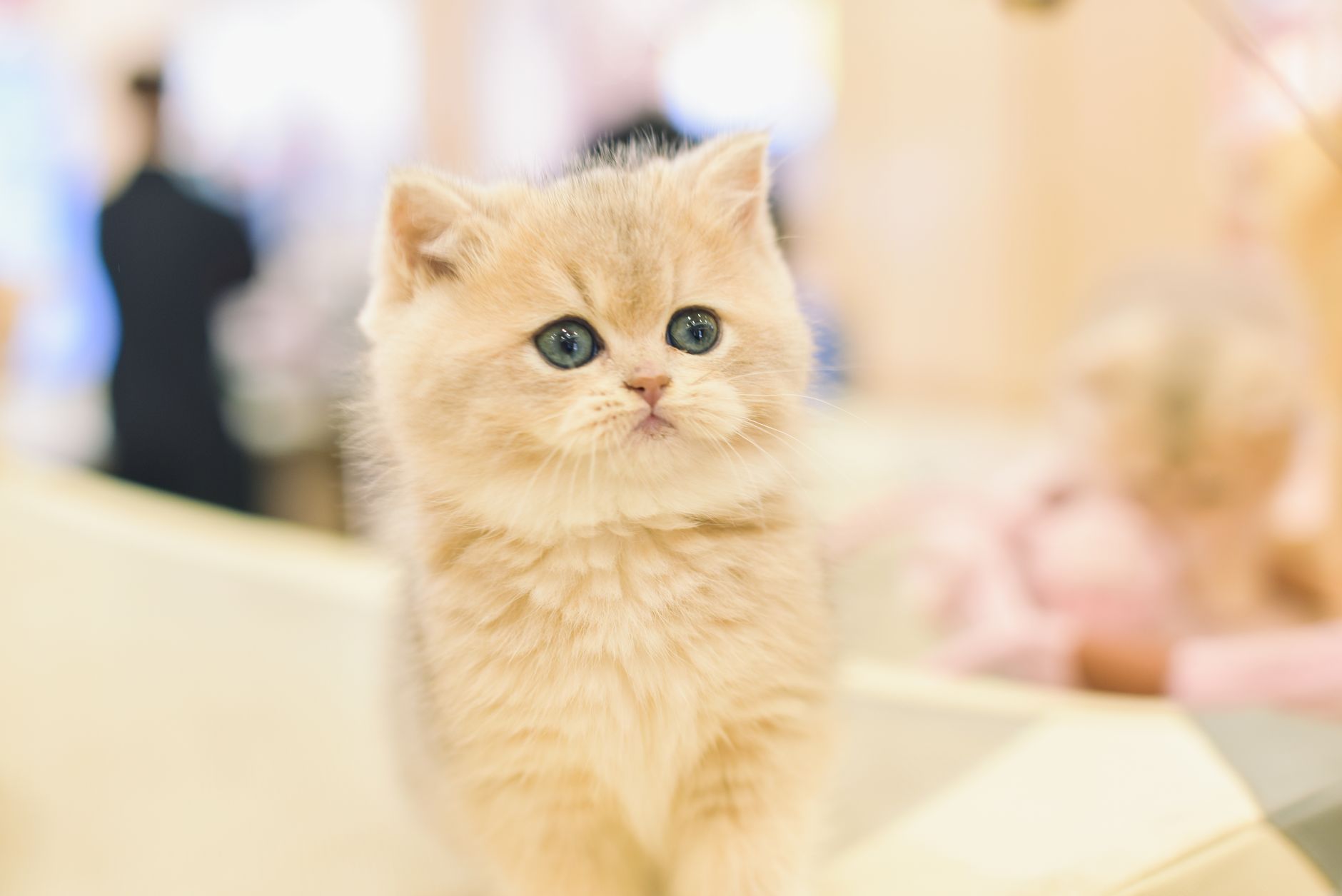
The Exotic Shorthair, by contrast, has a short, thick, plush coat that stands away from the body. It feels like a dense, high-quality plush toy because of its thick undercoat.
While it is short, it is still very dense and requires regular maintenance.
I always tell my clients that choosing a Persian is a lifestyle commitment. If you do not have thirty minutes a day to dedicate to brushing, the Exotic Shorthair is your saving grace.
Neglecting a Persian’s coat is a direct path to the veterinary clinic for a full medical shave under sedation.
- Persians need daily grooming with a steel greyhound comb and a slicker brush.
- Exotic Shorthairs require a thorough weekly combing to remove dead undercoat.
- Matting in Persians can cause severe skin infections (damp-induced hot spots) requiring sedation and shaving.
- Exotics shed their thick undercoat seasonally, requiring increased brushing during spring and autumn.
- Both breeds benefit from high-quality metal combs rather than cheap plastic brushes that static-charge the hair.

Facial Hygiene and Tear Stain Management
Both of these breeds suffer from chronic tear overflow, or epiphora. Because their nasal bones are compressed, tears cannot drain down the tear ducts into the nose as they do in normal-faced cats.
Instead, the tears spill out onto the face.
This constant moisture creates a breeding ground for yeast and bacteria. Over the years, I have treated countless cases of severe facial fold dermatitis in these breeds.
It is a painful condition that is entirely preventable.
Daily cleaning is not optional for either the Persian or the Exotic. If left untreated, the damp fur turns rusty brown, emits a sour odor, and can cause painful ulcerations on the skin beneath.
I recommend making facial cleaning a positive routine associated with high-value treats.
- Wipe facial folds daily with a warm, damp cotton ball or a veterinary-approved saline wipe.
- Dry the area immediately with a clean tissue to prevent bacterial and yeast proliferation.
- Avoid wipes containing harsh chemicals or alcohol, which can cause painful corneal irritation.
- Keep the hair around the eyes trimmed short (a job best left to a professional groomer or veterinarian).
- Apply a thin layer of barrier ointment, like sterile ophthalmic lube, if recommended by your vet to protect the skin.
Yaheetech 63-Inch Large Cat Tree
- ✓Five platforms and a cosy condo
- ✓Large perch for heavy cats up to 22 lb
- ✓Wide base with anti-toppling kit
- Gives cats vertical space to climb, scratch and nap, which reduces stress and keeps them off your shelves

Common Genetic and Structural Health Risks
Because they share the same DNA, these breeds share the same clinical vulnerabilities. In my practice, the most devastating genetic disease I screen for in these cats is Polycystic Kidney Disease (PKD).
This is an inherited condition where fluid-filled cysts slowly destroy the kidneys.
Fortunately, we now have excellent DNA testing available. If you are buying from a breeder, you must demand proof that both parents are DNA-negative for the PKD1 gene mutation.
We must also monitor their respiratory health. Their narrowed nostrils, or stenotic nares, make them highly susceptible to heat stroke and breathing difficulties under stress.
I always advise keeping these breeds in strictly air-conditioned environments during the summer months.
Polycystic Kidney Disease (PKD)
This genetic mutation causes cysts to form at birth, growing larger over time until kidney failure occurs around age seven. There is no cure, making genetic screening of parent cats absolutely critical.
Corneal Ulcers and Eye Trauma
Because their eyes bulge slightly from their shallow sockets, both breeds are highly prone to corneal scratches and ulcers. Any squinting or cloudiness in the eye must be treated as a medical emergency.

Personality Profiles: Sedate vs. Playful
While they look almost identical from the neck up, their temperaments have subtle but noticeable differences. Persians are the ultimate lounge cats.
They prefer a quiet, predictable household and are perfectly content sitting on a velvet cushion for hours.
Exotic Shorthairs retain some of the playful energy of their American Shorthair ancestors. They are often described as ‘Persians with a little more zip.’
In my experience, Exotics are slightly more inquisitive and interactive. They are more likely to fetch a toy or chase a feather wand, though they still love a good cuddle.
Persians, however, tend to express their affection in a very quiet, dignified manner.
- Persians are typically very quiet, soft-spoken cats that dislike loud, chaotic households.
- Exotics are generally more adaptable to busy households with children and active dogs.
- Both breeds are incredibly affectionate and bond deeply with their primary caregivers.
- Neither breed is known for high-jumping; their stocky ‘cobby’ bodies keep them firmly on the ground.
- Both breeds prefer a low-stress environment to prevent respiratory flares.

Dietary Needs and Weight Management for Cobby Cats
Both Persians and Exotic Shorthairs possess a body type described as ‘cobby.’ This means they are short, stocky, round, and low to the ground. While this makes them incredibly cute, it also makes them highly prone to obesity.
A sedentary lifestyle combined with a flat face makes exercise difficult. In my clinical experience, even a single extra pound can severely compromise their respiratory efficiency.
It is vital to manage their caloric intake closely.
I recommend a portion-controlled diet rich in high-quality protein and low in carbohydrates. Avoid free-feeding dry kibble at all costs, as these breeds will quickly pack on excess weight.
Instead, use interactive puzzle feeders to slow down eating and stimulate their minds.
- Use wide, flat feeding bowls or shallow plates to prevent whiskers and flat faces from pressing against deep bowls.
- Incorporate wet food daily to ensure adequate hydration, which supports kidney health.
- Weigh your cat monthly on a digital scale to catch gradual weight gain before it becomes clinical obesity.
- Provide gentle, low-impact exercise daily using laser pointers or feather toys for at least ten minutes.
- Look for foods formulated with omega-3 fatty acids to support skin health and reduce coat shedding.
Anesthesia and Surgery Considerations
This is a critical point that I always discuss with my clients before any routine procedure, like a dental cleaning or spay/neuter. Brachycephalic breeds face significantly higher anesthetic risks than normal-nosed cats.
Their restricted airways can collapse easily when they are relaxed under anesthesia. Intubation and recovery require specialized veterinary protocols.
As a veterinarian, I use extreme caution during recovery, keeping these patients intubated until they are fully awake and pushing the tube out themselves. Make sure your veterinarian is comfortable with brachycephalic protocols.
- Ensure your clinic uses modern monitoring equipment, including capnography and pulse oximetry.
- Pre-anesthetic blood work is mandatory to check kidney function, especially given the breed risk for PKD.
- Post-operative monitoring must be continuous until the cat is fully sternal and breathing normally.
- Avoid stressful situations post-surgery, as stress increases oxygen demand in an already compromised airway.
- Consider asking your vet if they have specific experience anesthetizing flat-faced breeds.
-
Veken 95oz Pet Water FountainMoving, filtered water encourages pets to drink more, which supports kidney and urinary health
-
Sheldamy S-Shaped 2-Way Cat TunnelA crinkly play tunnel gives cats somewhere to hide, pounce and race through
-
PetHonesty Cat Hairball Remedy ChewsHairball formulas help swallowed fur pass through, so long-haired cats cough up fewer hairballs
Related Cat Guides
Frequently Asked Questions
Do Exotic Shorthairs shed less than Persians?
No, they actually shed a comparable amount of hair, but the hairs are much shorter. Because their coat is so dense, they shed a high volume of plush undercoat, especially during seasonal changes, requiring regular combing to remove loose fur.
Why does my flat-faced cat make snorting sounds?
The compressed nasal passages of Persians and Exotics naturally restrict airflow, leading to snorts, wheezes, and loud snoring. While some noise is normal, any sudden increase in respiratory effort, nasal discharge, or open-mouth breathing is a veterinary emergency.
Can Persians and Exotic Shorthairs be crossed?
Yes, they are frequently bred together. In fact, some registries classify long-haired kittens born from Exotic Shorthair parents as Persians, while others classify them as ‘Longhair Exotics’ or require them to compete in the Exotic category.
How often should I bathe a Persian cat?
I recommend bathing a Persian every 4 to 6 weeks to keep their fine hair from becoming greasy and matting. Always ensure the coat is thoroughly combed out before the bath, as water will lock existing mats into place, making them impossible to remove.
Are flat-faced cats prone to dental problems?
Yes, because their jaws are shortened, their teeth are often crowded, rotated, or misaligned. This structural malocclusion makes them highly prone to periodontal disease, requiring daily brushing and professional veterinary cleanings.
What is the average lifespan of these breeds?
With proper care, regular veterinary checkups, and a DNA-negative status for PKD, both Persians and Exotic Shorthairs typically live between 12 and 15 years, with some reaching late teens.
Sources & Further Reading
- The Cat Fanciers’ Association (CFA)
- Cornell University College of Veterinary Medicine
- International Cat Care
- PetMD
Final Thoughts
Choosing between a Persian and an Exotic Shorthair ultimately comes down to your personal schedule and lifestyle. If you find the daily grooming ritual therapeutic and have the time to devote to coat maintenance, the Persian is an exquisite companion.
If you want the sweet, flat-faced aesthetic with a much more manageable ‘wash-and-wear’ coat, the Exotic Shorthair is an outstanding choice. Whichever you choose, remember that both of these breeds require a proactive owner who is committed to daily facial hygiene and vigilant health screenings.
By partnering closely with your veterinarian, you can ensure your flat-faced feline friend enjoys a comfortable, healthy, and happy life.