
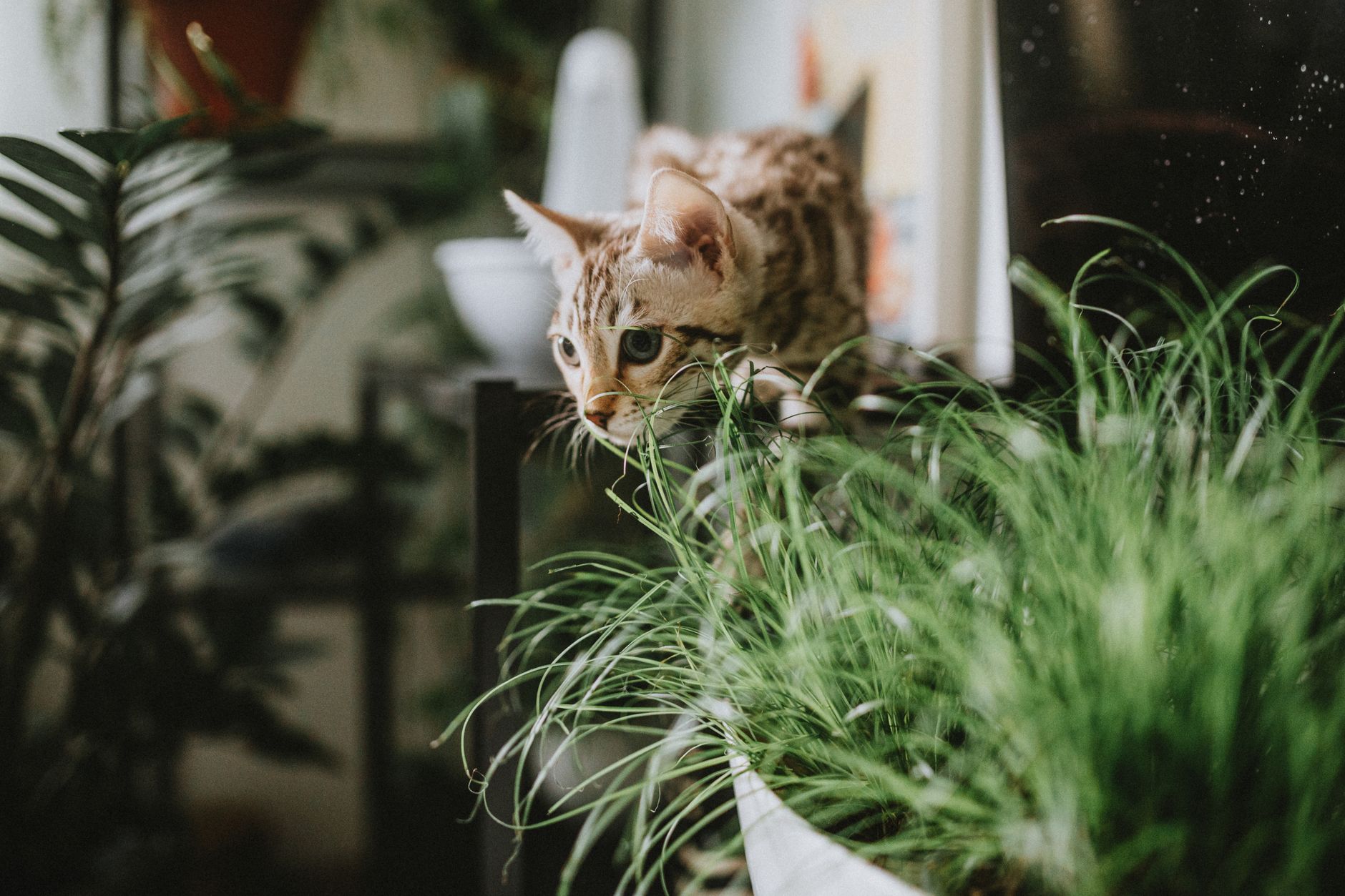
 Bengal vs Egyptian Mau: Comparing Two Spotted Cat Breeds” loading=”lazy”>
Quick Summary
While both the Bengal and Egyptian Mau are famous for their stunning spotted coats, they are genetically and behaviorally distinct. The Bengal is a bold, highly active, modern hybrid breed with wild Asian Leopard Cat ancestry. The Egyptian Mau is an ancient, natural breed known for its incredible speed, sensitive nature, and deep, single-person loyalty.
As an Amazon Associate, we earn from qualifying purchases.
Popular with cat owners: Cat Tunnel · Cat Treats · Cat Tree
In my years of clinical practice, I have noticed that spotted cats immediately captivate prospective owners. Clients often ask me if a Bengal and an Egyptian Mau are essentially the same cat in different sizes.
The truth is, these two breeds represent entirely different worlds of feline history, genetics, and daily care.
Before you bring one of these mini-leopards into your home, you must understand how their distinct biological heritages shape their health, energy levels, and psychological needs.
Key Takeaways
- Bengals are modern wild-domestic hybrids, whereas Egyptian Maus are a ancient, natural breed.
- Maus are the fastest domestic cats, reaching up to 30 mph due to a unique skin flap.
- Bengals carry specific genetic risks like HCM and PRA-b that require regular screening.
- Maus have notable sensitivities to anesthetics and sedatives in a clinical setting.
- Bengals crave water and high-octane physical play; Maus are quieter and fiercely loyal.
- Both breeds require high-protein diets and intensive environmental enrichment to stay healthy.
In This Article
- Genetic Roots: Modern Hybrid vs. Ancient Royalty
- Anatomical Distinctions: Rosettes, Mascara, and the Flank Flap
- Temperament and Behavior: Wild Drive vs. High-Speed Loyalty
- Bengal-Specific Clinical Health Risks
- Egyptian Mau Clinical Health and Anesthetic Sensitivity
- Dietary Profiles: Fueling the Feline Athlete
- Environmental Enrichment: Preventing Behavioral Issues
Genetic Roots: Modern Hybrid vs. Ancient Royalty
In my examination room, I always emphasize that biology dictates behavior. The Bengal is not a purely domestic cat; it is a hybrid breed.
It was created in the 20th century by crossing the wild Asian Leopard Cat (Prionailurus bengalensis) with domestic cats like the Abyssinian, Egyptian Mau, and Ocicat. This hybrid background means modern Bengals still carry the intense survival instincts and physical drive of their wild ancestors.
In stark contrast, the Egyptian Mau is an ancient, naturally occurring breed. Archeological evidence suggests they are the direct descendants of the African wildcats domesticated by the ancient Egyptians.
They have survived for thousands of years without human-designed cross-breeding programs.
While the Bengal was engineered in a lab and home environment to look wild, the Egyptian Mau simply survived as a natural relic of ancient history. This fundamental genetic split influences everything from their immune systems to how they react to stress in my clinic.
- Bengal origin: Developed in the 1970s and 1980s by breeder Jean Mill to create a domestic cat with a wild look.
- Mau origin: A natural breed native to Egypt, imported to the United States in the 1950s by Princess Natalie Troubetskay.
- Hybrid status: Early generation Bengals (F1-F3) are close to the wild ancestor, while F4 and beyond are considered fully domestic pets.
- Natural preservation: Egyptian Mau genetics have remained largely unchanged for millennia, preserving their ancient physiology.
Sheldamy S-Shaped 2-Way Cat Tunnel
- ✓S-shape suits cats’ love of hiding
- ✓Waterproof, scratch-resistant fabric
- ✓Collapsible
- A crinkly play tunnel gives cats somewhere to hide, pounce and race through

Anatomical Distinctions: Rosettes, Mascara, and the Flank Flap
At first glance, both cats look like spotted jungle predators. However, when I place them on my exam table, the anatomical differences become striking.
The Bengal is a long, muscular, and heavily boned cat built for raw strength. Their coat feels like luxurious, thick silk, and many carry the ‘glitter gene,’ which makes their fur look like it was sprinkled with gold dust.
The Egyptian Mau, by contrast, is a medium-sized cat with a unique, elegant ‘primordial’ silhouette. Their hind legs are slightly longer than their front legs, giving them a high-hipped, stealthy stance.
They also possess a loose skin flap that extends from the flank to the hind knee, which allows their legs to stretch back incredibly far.
This unique skin flap is an evolutionary marvel. It acts like a rubber band, giving the Mau unmatched stride length and making them the fastest domestic cat breed on earth, capable of running up to 30 miles per hour.
- Spot Patterns: Bengals display defined rosettes or marbled patterns; Maus have random, naturally occurring, jagged spots.
- The Mascot Lines: Maus feature distinctive ‘mascara’ stripes on their cheeks and an ‘M’ marking on their forehead.
- Gooseberry Eyes: A purebred Egyptian Mau must have luminous, light green eyes, often described as ‘gooseberry green.’
- Bengal Eye Variety: Bengals can have green, gold, yellow, or even striking ice-blue eyes (specifically in snow Bengals).

Temperament and Behavior: Wild Drive vs. High-Speed Loyalty
When a Bengal comes into my clinic, they immediately try to open the cabinets, jump on my shoulder, or turn on the sink faucet. They are highly confident, intensely curious, and possess an relentless drive to investigate their surroundings.
They do not tolerate boredom well, and a bored Bengal will quickly become destructive.
Egyptian Maus are equally athletic, but their social style is entirely different. They are incredibly sensitive, gentle, and deeply loyal to their chosen human family.
In my examination room, a Mau will typically press themselves against their owner’s chest, seeking comfort and safety.
Temptations MixUps Crunchy and Soft Cat Treats
- ✓Crunchy and soft in one bite
- ✓Low calorie daily reward
- ✓Nutritionally complete
- A tasty treat makes training, grooming and vet-carrier practice far easier
Maus can be cautious around strangers and highly sensitive to sudden noises. While a Bengal views the world as a personal playground to conquer, a Mau views the world as a sanctuary to be shared only with those they trust.
- Vocal styles: Bengals have a loud, wide-ranging, raspy voice; Maus communicate through soft, musical chirps and chortles.
- Water affinity: Bengals possess an intense love for water and will happily join you in the shower or splash in their water bowls.
- Social hierarchy: Maus typically bond deeply with one or two ‘favorite’ humans; Bengals tend to demand attention from anyone available.
- Training capability: Both are highly intelligent, but Bengals respond exceptionally well to leash training and clicker training.

Bengal-Specific Clinical Health Risks
Because of their hybrid heritage and relatively narrow gene pools during their early development, Bengals are prone to several hereditary health conditions. In my practice, I screen Bengal patients closely for cardiac and ocular diseases.
Hypertrophic Cardiomyopathy (HCM) is a primary concern for Bengals. This is a genetic condition where the heart muscle becomes abnormally thick, potentially leading to heart failure or sudden death.
I always advise clients to ask breeders for yearly echocardiogram clearances on the parent cats. Relying on simple vet checks is not enough to catch this silent killer before breeding.
- Progressive Retinal Atrophy (PRA-b): A genetic disease causing slowly progressing blindness; a simple DNA test can screen for this.
- Pyruvate Kinase (PK) Deficiency: An inherited hemolytic anemia where red blood cells break down prematurely, causing lethargy and weakness.
- Patellar Luxation: A condition where the kneecap slips out of its normal anatomical groove, causing temporary lameness.
- Feline Infectious Peritonitis (FIP): Bengals historically show a higher genetic susceptibility to this once-fatal viral mutation.

Egyptian Mau Clinical Health and Anesthetic Sensitivity
The Egyptian Mau is generally a robust, healthy natural breed. However, their unique physiology comes with clinical quirks that every veterinarian must be prepared for.
In my surgery suite, I treat Mau patients with extreme care regarding pharmaceuticals. They are known to have heightened sensitivities to anesthetics, sedatives, and vaccines.
This means we must customize our sedation protocols, using lower dosages and monitoring their vitals with extra vigilance during routine procedures like spays, neuters, and dental cleanings.
- Anesthetic Sensitivity: Requires precise, weight-based calculations and a highly conservative approach to induction agents.
- Leukodystrophy: A rare, hereditary neurological disorder that can cause tremors, weakness, and loss of coordination in young kittens.
- Stress-Induced Dermatitis: Due to their sensitive emotional nature, Maus can develop skin issues or over-groom when stressed.
- Umbilical Hernias: This breed has a slightly higher incidence of small umbilical hernias, which we typically repair during spay/neuter surgery.

Dietary Profiles: Fueling the Feline Athlete
Both the Bengal and the Egyptian Mau are incredibly active cats with high metabolic demands. Feeding them low-quality, carbohydrate-heavy grocery store kibble is a recipe for obesity, diabetes, and gastrointestinal distress.
In my practice, I frequently treat Bengals with chronic diarrhea. Their digestive tracts can be highly sensitive, likely a byproduct of their hybrid heritage.
They thrive on a high-protein, low-carbohydrate diet that mimics their ancestral nutritional requirements. This helps maintain their lean muscle mass and supports their high energy levels.
- Prioritize Wet Food: Active cats need excellent hydration to protect their kidneys and prevent painful urinary tract crystals.
- Novel Proteins: If your Bengal has a sensitive stomach, look for diets utilizing venison, rabbit, or turkey over cheap chicken-by-product.
- Calorie Monitoring: Maus are highly food-motivated and can easily pack on weight if free-fed, despite their high activity levels.
- Probiotics: Daily veterinary-strength probiotics can help stabilize the sensitive digestive tracts of both breeds.

Environmental Enrichment: Preventing Behavioral Issues
I always tell my clients that a bored spotted cat is a destructive force of nature. If you do not provide active mental and physical outlets, they will invent their own.
This often manifests as shredded curtains, opened cabinets, and vocal protests at 3:00 AM.
Environmental enrichment is not a luxury for these breeds; it is a clinical necessity for their mental health.
You must design your living space vertically to accommodate their love for heights and speed.
- Giant Cat Wheels: An absolute game-changer for Bengals, allowing them to sprint and burn off excessive physical energy indoors.
- Vertical Territory: Provide floor-to-ceiling cat trees, mounted wall shelves, and window perches so they can survey their territory.
- Puzzle Feeders: Force them to use their high intelligence and hunting instincts to work for their daily meals.
- Safe Outdoor Access: Utilize a secure outdoor enclosure (a ‘catio’) or harness train them to safely explore the outdoors.
-
Globlazer XXL Cat Tower for Multiple CatsGives cats vertical space to climb, scratch and nap, which reduces stress and keeps them off your shelves
-
Veken 95oz Pet Water FountainMoving, filtered water encourages pets to drink more, which supports kidney and urinary health
-
Depets Self-Cleaning Slicker BrushFine wire pins lift loose undercoat and work out small tangles before they turn into mats
Related Cat Guides
Frequently Asked Questions
Are Bengals more aggressive than Egyptian Maus?
No, modern Bengals are not inherently aggressive, but they are incredibly intense. They require active engagement, structured play, and positive training, whereas Maus are gentler but may react defensively if startled or pushed past their comfort zones by strangers.
Can these breeds live peacefully with dogs or other cats?
Yes, both can coexist beautifully with other pets if introduced slowly and properly. Bengals often enjoy the high-energy play style of friendly dogs, while Maus prefer calmer, respectful companion animals that will not disrupt their quiet, established routines.
Do Egyptian Maus really run faster than other cats?
Yes, they do. Thanks to a unique, loose skin flap extending from their flank to their hind legs, Maus can reach speeds of up to 30 miles per hour, making them the undisputed fastest domestic cat breed.
Why do Bengals love water so much?
This trait is inherited directly from their wild ancestor, the Asian Leopard Cat, which naturally hunts for fish and frogs in streams. Many domestic Bengals retain this fascinating, water-loving genetic instinct and will actively play in running sinks or bathtubs.
How do I find a reputable breeder for these specialized breeds?
Look for breeders registered with major associations like TICA or the CFA. Ensure they provide certified veterinary clearances, genetic test results for HCM, PK Deficiency, and PRA, and raise their kittens inside the home with early socialization.
Sources & Further Reading
- The Cat Fanciers’ Association (CFA)
- International Cat Care
- Cornell University College of Veterinary Medicine
- PetMD
Final Thoughts
Choosing between a Bengal and an Egyptian Mau ultimately comes down to your household’s daily rhythm and energy. If you want a bold, water-loving, highly interactive companion that acts like an energetic dog, the Bengal is an extraordinary addition to an active home.
If you prefer a deeply loyal, sensitive, lightning-fast athlete that will bond fiercely to you and maintain a quieter home life, the Egyptian Mau is a magical choice. Whichever breed you choose, commit to providing the high-quality nutrition, vertical space, and specialized veterinary care these magnificent spotted cats deserve.