
Brittany Breed Guide
Quick Summary
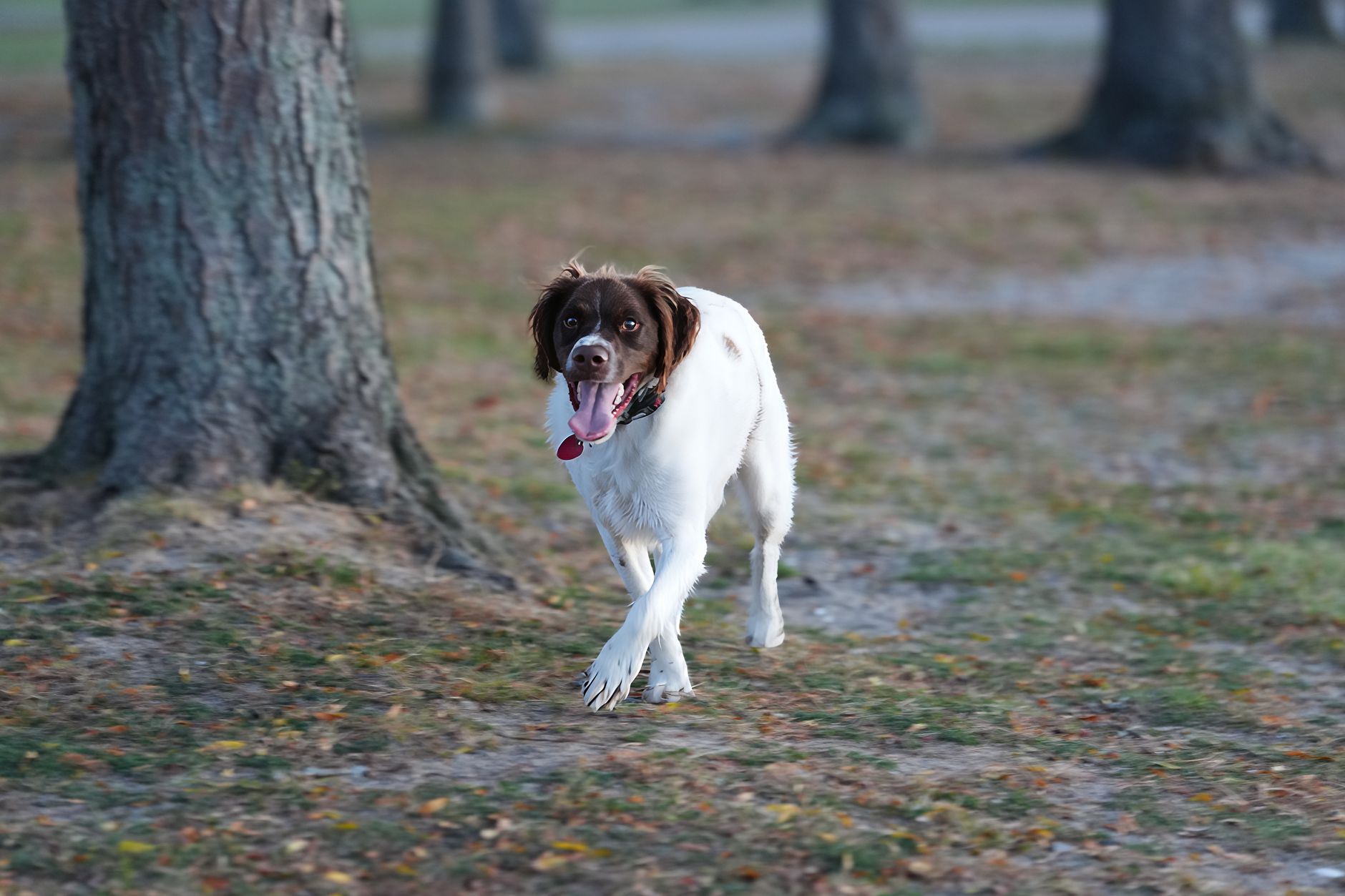
The Brittany is a highly energetic, medium-sized sporting dog known for its joyful demeanor and tireless work ethic. Best suited for active outdoor enthusiasts or hunting families, this sensitive and affectionate breed thrives when given ample daily exercise and close companionship.
Quick Facts
- origin countryFrance
- breed groupSporting (AKC)
- sizeMedium
- weight range30 to 40 pounds (13.5 to 18 kg)
- height range17.5 to 20.5 inches (44.5 to 52 cm) at the shoulder
- lifespan12 to 14 years
- coat typeDense, flat or wavy single coat with light feathering on the legs
- common colorsOrange and white, liver and white, clear or roan patterns; occasionally tricolor
- other namesBrittany Spaniel (historic), Epagneul Breton
- recognized byAKC, UKC, FCI, CKC
Caring for a Brittany
Living with a Brittany is like having a joyful, perpetual motion machine in your home. In my experience, they don’t have a natural ‘off’ switch unless they’ve had a solid run, so you’ll need to weave active outdoor time into your daily calendar. I always tell owners that these dogs want to do everything with you; they don’t do well tucked away in a backyard or ignored for hours on end.
Is a Brittany a good family pet?
Absolutely, as long as the family matches their high energy levels. I’ve found them to be incredibly loving and patient with children, often acting as tireless playmates. However, their bouncy nature might accidentally knock over very small toddlers.
Do Brittanys shed a lot?
They are moderate shedders. Their single coat doesn’t have a thick undercoat, meaning you won’t face the massive ‘blow outs’ seen in double-coated breeds, but they do drop hair year-round. Weekly brushing is usually enough to keep it under control.
Is a Brittany good for first-time owners?
They can be a challenge for novices due to their intense exercise requirements and sensitive personalities. However, if a first-time owner is highly active, researches the breed, and commits to positive-reinforcement training, they can make an incredibly rewarding companion.
Temperament & Personality
The Brittany is characterized by an bright, eager, and happy disposition. In my years of working with them, I’ve noted a distinct lack of aggression or shyness in well-bred lines, though they can be somewhat reserved with strangers if not properly socialized. Their high emotional intelligence means they pick up on household tension very easily.
Is a Brittany good with other pets?
Generally, yes, they do fantastic with other dogs and can coexist with cats if raised with them. However, keep in mind they are bird dogs with a natural hunting drive, so smaller pet birds or rodents will trigger their pointing and chasing instincts.
How much attention does a Brittany need?
A massive amount of emotional and physical attention. They are prone to velcro-dog behavior and can easily develop severe separation anxiety if left alone for more than 4 hours regularly.
Training & Behavior
Brittanys are highly intelligent and incredibly responsive to positive, rewards-based training. I’ve found that they are highly sensitive, meaning a harsh tone of voice or heavy-handed correction will cause them to completely shut down and lose trust. Keeping training sessions short, dynamic, and fun is the secret to unlocking their brilliant potential.
Training Tips
- Use positive reinforcement like high-value treats and play rewards.
- Keep training sessions short (5-10 minutes) and highly engaging.
- Socialize early to prevent timidity around strangers and novel noises.
- Work extensively on a reliable recall, as their prey drive is incredibly strong.
- Never use harsh physical corrections; it will break their sensitive spirit.
Fun Activities
- Field trials and bird hunting
- Agility training
- Flyball
- Dock diving
- Scent work and tracking
- Canicross or running alongside a bicycle
Is a Brittany easy to train?
Yes, they are highly motivated to please their handlers and catch on to commands very quickly. The challenge isn’t their ability to learn, but rather keeping them focused, as their keen senses make them easily distracted by outdoor sights and smells.
Brittany Health Issues

The Brittany is generally a hardy, robust breed with a long lifespan for their size. However, like all purebreds, they are genetically predisposed to certain hereditary health conditions that prospective owners should be aware of and screen for.
Canine Hip Dysplasia (CHD)
An inherited condition where the thigh bone doesn’t fit snugly into the hip joint, potentially leading to painful arthritis and lameness. Reputable breeders will always have their breeding dogs cleared via PennHIP or OFA evaluations.
Epilepsy
A neurological condition that causes periodic, unprovoked seizures in dogs. It typically manifests between 6 months and 5 years of age and can often be managed well with lifelong anticonvulsant medication prescribed by your vet.
Hypothyroidism
A disorder where the thyroid gland doesn’t produce enough thyroid hormone, slowing down the dog’s metabolism. It is easily diagnosed with a blood test and treated with daily synthetic hormone medication.
Otitis Externa (Ear Infections)
Because of their drop ears, moisture and debris easily get trapped in the ear canal, creating a breeding ground for yeast and bacteria. Regular checking and cleaning after swimming is essential.
How long do Brittanys typically live?
Most Brittanys enjoy a long, active life of 12 to 14 years. Keeping them lean, active, and visiting the vet for annual senior bloodwork can help maximize their golden years.
What to Feed a Brittany
As high-performance athletes, Brittanys require a nutrient-dense diet to sustain their high metabolism. I’ve noticed they easily burn off calories when active, but can put on weight quickly if they become sedentary couch potatoes.
Best Diet
A high-quality, high-protein dry kibble formulated for active or sporting medium-sized breeds is ideal. Look for formulas where whole meat is the first ingredient to support lean muscle development.
How to Feed
I always recommend dividing their daily food into two distinct meals rather than free-feeding. This prevents overeating and helps establish a predictable routine for digestion and housebreaking.
How Much to Feed
Generally, an active adult Brittany will require between 1.5 to 2.25 cups of high-quality dry food daily. However, you should consult your veterinarian to customize portions based on your dog’s exact age, weight, and daily activity level.
Nutritional Tips
If your Brittany is heavily involved in hunting or dog sports, consider adding joint supplements containing glucosamine and chondroitin early in life. Keep clean, fresh water available at all times, especially during exercise.
Brittany Grooming Guide
The Brittany is a relatively low-maintenance breed when it comes to grooming. Their single coat naturally repels dirt, meaning they rarely have that classic ‘doggy odor’ unless they’ve rolled in something unpleasant.
Coat Care
Brush their coat once or twice a week with a slicker brush and a metal comb to prevent tangles in the feathering on their legs and belly. Bathing is only necessary every 6 to 8 weeks, or when they get exceptionally muddy.
Skin Care
Check their skin thoroughly after hikes or field training for ticks, burrs, or small scratches. Their single coat offers moderate protection, but briars can occasionally scrape their skin.
Ear Care
Because their floppy ears block airflow, inspect them weekly for dirt, redness, or signs of infection. Always dry their ears thoroughly with a clean towel after they go swimming or get a bath.
Nail & Dental Care
Trim their nails every 2 to 3 weeks using a grinder or clippers to prevent cracking and discomfort. Brush their teeth at least three times a week with dog-safe toothpaste to maintain periodontal health.
Considerations for Pet Parents
Pros
- Incredibly friendly, affectionate, and loyal companion
- Highly intelligent and quick to learn commands
- Versatile athlete excel in many dog sports
- Great size that is sturdy yet manageable
- Minimal grooming requirements and low natural odor
- Wonderful with children and other dogs
Cons
- Extremely high energy requirements that must be met daily
- Prone to separation anxiety if left alone too long
- Can be highly sensitive to harsh training methods or loud households
- Strong prey drive requires constant leash or fenced yard supervision
- Can develop nervous or destructive habits if under-stimulated
Best For
The ideal owner for a Brittany is an active outdoor enthusiast, runner, or hunter who wants a constant, velcro-like companion. They fit perfectly into bustling families that love weekend hiking trips and have a securely fenced yard.
Not Recommended For
I do not recommend this breed for apartment dwellers, sedentary individuals, or households where everyone is away at work for 8 to 10 hours a day. They will quickly become destructive and miserable in those environments.
Cost
- purchase price$1,000 to $2,500 USD
- monthly cost$100 to $180 USD
- initial setupInitial setup costs of $600 to $1,200 including crate, high-quality leash, training aids, and initial veterinary vaccinations.
Similar Breeds

English Springer Spaniel

Welsh Springer Spaniel
Brittany FAQs
Why are they no longer called ‘Brittany Spaniels’?
The AKC officially dropped ‘Spaniel’ from the breed’s name in 1982 because their hunting style is much closer to a pointer or setter than a spaniel. They point and retrieve game rather than flushing it out.
Can a Brittany live in an apartment?
It is highly challenging and generally not recommended. However, it can work if the owner is committed to taking them out for at least 1.5 to 2 hours of vigorous running or dog-park play every single day.
How much exercise does a Brittany need every day?
They need a minimum of 60 to 90 minutes of intensive, heart-pumping exercise daily. A casual walk around the block will not cut it; they need off-leash running in a secure area, hiking, or mental stimulation like agility.
Are Brittanys prone to separation anxiety?
Yes, they are highly social ‘velcro’ dogs that form deep bonds with their humans. Leaving them alone for long periods without prior crate training and mental toys often results in destructive chewing and howling.
Do Brittanys bark a lot?
They are moderate barkers. They will alert you to someone at the door, but if they are physically and mentally satisfied, they rarely bark excessively unless they develop boredom-induced barking habits.
Can a Brittany be left off-leash?
Only in safely enclosed areas or after intensive recall training. Their pointing and hunting instincts are incredibly strong, and they can easily lock onto a scent or bird and run off, ignoring your calls.
Do they like water and swimming?
Most Brittanys absolutely love the water and are excellent swimmers. Introducing them to water gradually at a young age using positive rewards will set them up for a lifetime of aquatic fun.
Are there different types of Brittanys?
Yes, there is the American Brittany and the French Brittany (Epagneul Breton). French Brittanys are typically smaller, have a slightly darker coat, a shorter muzzle, and tend to hunt more closely to the handler.
Why does my Brittany point at birds in the yard?
This is a deeply ingrained genetic instinct. Even companion Brittanys who have never set foot on a hunting field will instinctively lift one paw, freeze, and aim their nose at birds or squirrels.
Are Brittanys easy to housebreak?
Yes, they are clean dogs and eager to please, making them relatively easy to housebreak. Consistent scheduling, crate training, and rewarding them immediately when they go outside yield quick results.
How do Brittanys handle cold or hot weather?
Their single coat offers decent insulation in moderate cold, but they shouldn’t be left outside in freezing temperatures. In hot weather, they can overheat quickly due to their high activity levels, so always monitor them closely.
What is their prey drive like?
Their prey drive is exceptionally high, specifically regarding feathered game. They will constantly scan the skies and trees for birds, and will eagerly chase rabbits, squirrels, and cats if given the opportunity.