
Norwegian Lundehund Breed Guide

Quick Summary
A highly specialized, ancient Spitz breed from Norway, the Lundehund is famous for its physical anomalies—six toes, extreme flexibility, and closing ears—originally evolved for hunting puffins. While incredibly affectionate and alert, they carry a significant genetic predisposition to a serious gastrointestinal condition called Lundehund enteropathy, making them best suited for dedicated owners prepared for strict dietary management and specialized veterinary care.
As an Amazon Associate, we earn from qualifying purchases.
Popular with Norwegian Lundehund owners: Puzzle Toys · Deshedding Tool · Pet Camera
Quick Facts
- origin countryNorway
- breed groupNon-Sporting
- sizeSmall
- weight range13 to 20 pounds (6 to 9 kg)
- height range12 to 15 inches (30 to 38 cm)
- lifespan12 to 14 years
- coat typeDense, double coat with a harsh outer layer and soft undercoat
- common colorsFallow to reddish-brown to tan with black hair tips, or black and grey with white markings
- other namesNorsk Lundehund, Norwegian Puffin Dog
- recognized byAKC, UKC, FCI
Caring for a Norwegian Lundehund
Living with a Lundehund is unlike living with any other dog due to their unique physical structure and specialized health needs. In my years treating this breed, the day-to-day focus is heavily centered on digestive health; even minor dietary indiscretions can trigger severe intestinal flares. They are active, agile climbers who love exploring tight spaces, so secure fencing and close supervision are essential. Expect a loyal, somewhat independent companion who is deeply bonded to their family but requires consistent, gentle guidance.
Is a Norwegian Lundehund a good family pet?
They can be wonderful family pets for households with older, respectful children who understand their sensitive nature. However, because of their complex training needs and potential for severe health issues, they require a highly committed family ready to manage their medical care. They are affectionate but do not tolerate rough handling well.
Do Norwegian Lundehunds shed a lot?
They are moderate shedders throughout the year, but they blow their dense undercoats heavily twice a year during seasonal changes. During these shedding seasons, daily brushing is required to manage the massive amount of flying undercoat. For the rest of the year, a weekly brushing is usually sufficient.
Is a Norwegian Lundehund good for first-time owners?
I strongly advise against a Lundehund for first-time owners. Their extreme difficulty with housebreaking, highly sensitive temperament, and near-universal predisposition to a complex, life-threatening digestive syndrome require an experienced handler. Beginners often struggle with their unique husbandry and medical needs.
Temperament & Personality

The Lundehund is an alert, energetic, and highly sensitive breed that exhibits primitive Spitz characteristics. They are incredibly loyal to their immediate human family but tend to be naturally wary or aloof around strangers. Unlike many domestic breeds, they possess a fascinating blend of feline independence and canine devotion, often seeking out high perches to survey their domain. They have a strong sentinel instinct, meaning they will vocalize to alert you to any changes in their environment.
Is a Norwegian Lundehund good with other pets?
They generally cohabitate well with other household dogs, especially other Spitz breeds, provided they are socialized early. However, due to their historical role hunting puffins, they have an intensely high prey drive toward birds and small pocket pets. I never recommend keeping them unsupervised around birds, hamsters, or rabbits.
DR CATCH Dog Puzzle Feeder Toy
- ✓Treat puzzle for IQ training
- ✓Slows eating
- ✓Suits puppies, small dogs and cats
- Food puzzles turn mealtime into a brain game, burning mental energy in clever, easily bored pets
How much attention does a Norwegian Lundehund need?
While they are independent thinkers, they crave human companionship and do not do well when left alone for long periods. They express distress through destructive digging or persistent, high-pitched barking. They need regular mental stimulation and daily physical interaction to prevent separation anxiety.
Training & Behavior
Training a Lundehund requires immense patience, positive reinforcement, and a deep understanding of primitive breeds. They are highly sensitive to harsh corrections, which will shut them down immediately and destroy their trust in you. Housebreaking is notoriously difficult with this breed—I always tell owners to prepare for months of rigorous crate training and schedule-keeping due to their primitive anatomy and instincts. Early, continuous socialization is crucial to prevent their natural wariness from turning into fear-aggression.
Training Tips
- Use high-value, low-fat treats to avoid triggering digestive issues
- Keep training sessions short, varied, and positive
- Begin housebreaking protocols on day one with a strict schedule
- Focus heavily on positive socialization with strangers and new sounds
- Never use physical or verbal corrections with this highly sensitive breed
Fun Activities
- Low-impact agility training to utilize their natural flexibility
- Nosework and scent tracking games
- Hiking on secure, hand-held leashes in rocky terrain
- Interactive puzzle toys filled with veterinary-approved treats
- Climbing structures specifically designed for safe indoor play
Is a Norwegian Lundehund easy to train?
They are highly intelligent but independent, meaning they learn commands quickly but will choose whether to obey based on motivation. They are not eager-to-please in the way a Golden Retriever is. Their housebreaking process is one of the most challenging in the canine world, requiring consistent dedication.
Norwegian Lundehund Health Issues
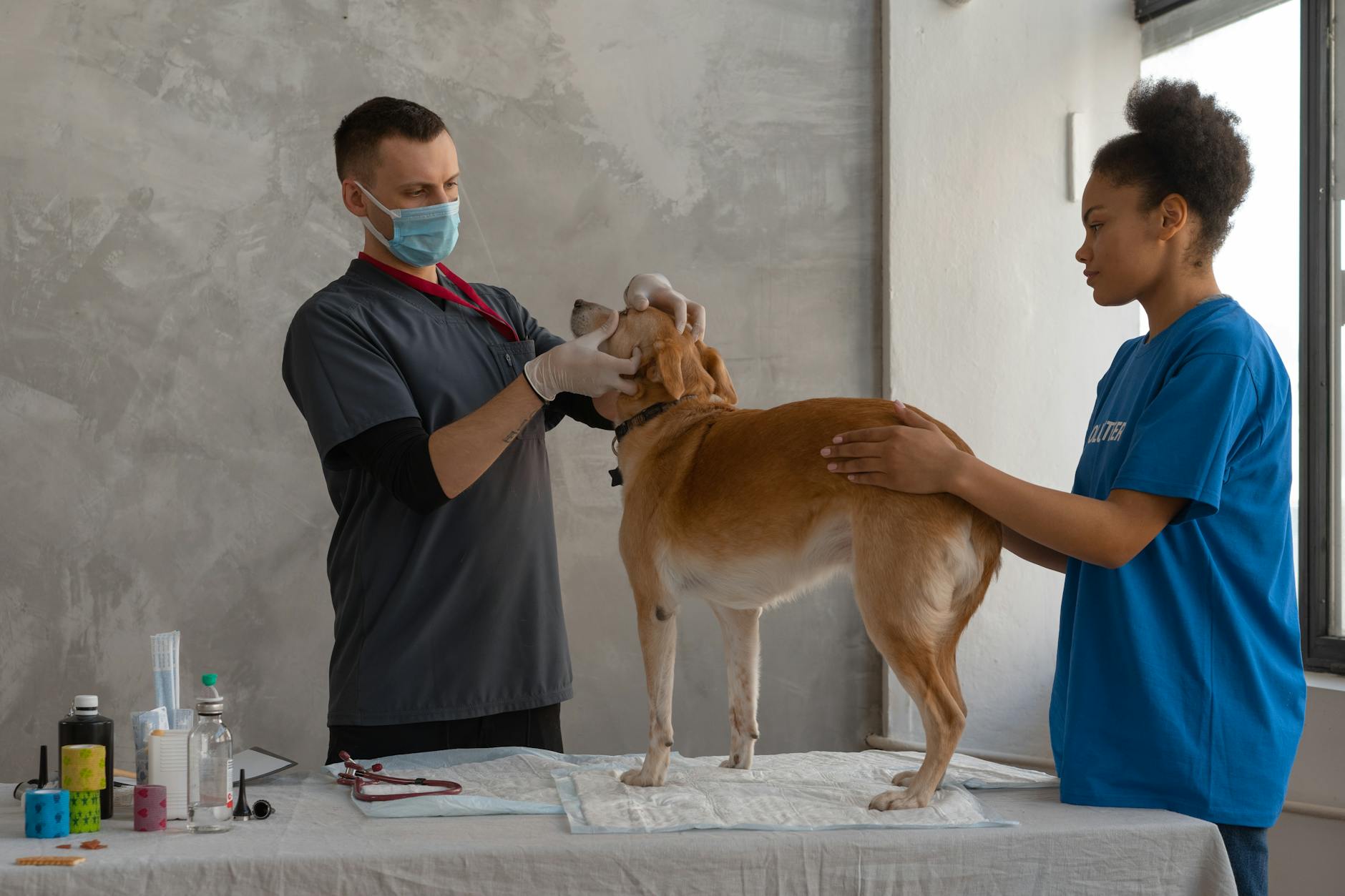
The Norwegian Lundehund is physically hardy but genetically bottlenecked, leading to a critical breed-specific vulnerability. In my clinical practice, our primary focus is managing Lundehund Syndrome, a collection of gastrointestinal disorders that can strike at any age. Regular screening, proactive bloodwork, and strict dietary control are non-negotiable for keeping this breed healthy.
Lundehund Syndrome (Gastrointestinal Enteropathy)
A severe, hereditary protein-losing enteropathy (PLE) and lymphangiectasia where the intestinal walls lose the ability to absorb nutrients, leading to protein wasting. This condition is chronic, currently incurable, and requires lifelong, meticulous medical and dietary management.
Intestinal Adenocarcinoma
Lundehunds have a statistically significant, highly elevated risk of developing malignant stomach or intestinal tumors, often secondary to chronic, long-term gastrointestinal inflammation from Lundehund Syndrome. Regular veterinary screenings are essential as they age.
Patellar Luxation
An orthopedic condition where the kneecap slips out of its natural anatomical groove, which is common in small, highly active breeds. Due to their extreme joint flexibility, this can sometimes be overlooked but can lead to early-onset osteoarthritis.
MIU COLOR Pet Deshedding Brush
- ✓Stainless steel comb with evenly spaced teeth
- ✓Detachable head for easy cleaning
- ✓Suits short- and long-haired pets
- Reaches through the topcoat to remove loose undercoat, cutting down the hair on your floors and furniture
Atopic Dermatitis
Environmental allergies that cause intense skin itching and subsequent secondary bacterial or yeast infections. Lundehunds can be highly sensitive to seasonal allergens, mold, and dust mites.
How long do Norwegian Lundehunds typically live?
With meticulous medical management and an optimized diet, Lundehunds typically live between 12 and 14 years. However, their lifespan can be significantly shortened if they develop severe, uncontrollable Lundehund Syndrome or intestinal cancer early in life. Regular veterinary bloodwork is vital to monitoring their longevity.
What to Feed a Norwegian Lundehund
Feeding a Lundehund is one of the most critical aspects of their veterinary care plan. Because of their extreme predisposition to protein-losing enteropathy, they cannot tolerate standard, high-fat commercial dog foods. In my practice, I manage these dogs on specialized, highly digestible, low-fat diets from puppyhood.
Best Diet
The ideal diet is a therapeutic, low-fat veterinary prescription diet (dry or wet) with easily digestible protein sources, typically keeping fat content below 10-12% on a dry matter basis. Always consult your veterinarian before introducing any raw, home-cooked, or boutique diets, as these can easily trigger a fatal intestinal crisis.
How to Feed
To prevent overloading their sensitive digestive tracts, feed adults 3 to 4 small, measured meals per day rather than one or two large ones. Avoid using food bowls that encourage fast eating; slow-feeders or puzzle toys can help, but ensure they are thoroughly sanitized daily to prevent bacterial overgrowth.
How Much to Feed
Typically, adult Lundehunds require between 300 to 500 calories per day depending on their activity level, but this must be calibrated precisely. Work closely with your vet to calculate portions based on their current body condition score and serum albumin levels.
Nutritional Tips
Supplementation with medium-chain triglyceride (MCT) oil, cobalamin (Vitamin B12) injections, and specific fat-soluble vitamins (A, D, E, K) is often necessary under direct veterinary supervision to combat malabsorption. Never feed fatty table scraps, cheese, or high-fat treats, as even a single high-fat bite can trigger life-threatening diarrhea.
Norwegian Lundehund Grooming Guide
Grooming a Lundehund is relatively straightforward in terms of coat care, but their unique anatomy requires specialized attention. Their six-toed paws and folding ears demand regular, meticulous inspections that differ from standard breeds. Establishing a calm grooming routine early in puppyhood will make these essential checks much easier.
Coat Care
Their double coat should be brushed once or twice a week with a slicker brush and metal comb to remove dead undercoat. During their heavy biannual shedding seasons, expect to brush them daily to control the shedding. They are generally clean dogs and only require baths every 8 to 12 weeks.
Skin Care
Keep a close eye on their skin for redness or scaling, especially if they have underlying allergies. Ensure they are thoroughly dried after baths or swimming, as moisture trapped in their dense undercoat can lead to hot spots.
Eye Care
Keep the eyes clear of any discharge by wiping them gently with a damp, warm cloth when needed. Lundehunds are not particularly prone to severe eye issues, but any persistent tearing or squinting warrants a vet visit.
Ear Care
Their unique ears can fold shut to protect against moisture and dirt, but they still need weekly inspections. Clean them gently with a veterinarian-approved, non-irritating ear cleaner if you notice any wax buildup or a yeast-like odor.
Nail & Dental Care
Because they have six fully functioning toes on each foot—complete with extra dewclaws that do not touch the ground—their nails do not wear down naturally and must be trimmed every 2 to 3 weeks to prevent painful ingrowing. Brush their teeth daily with dog-safe enzymatic toothpaste, as small Spitz breeds are highly prone to early-stage periodontal disease.
Considerations for Pet Parents
Pros
- Fascinating, unique physical traits (6 toes, neck flexibility)
- Deeply loyal and affectionate with their family
- Compact, convenient size for active outdoor adventures
- Naturally clean, odorless coat that repels dirt
- Alert watchdogs who will warn you of any intruders
- Incredibly agile and fun companions for hiking
Cons
- High genetic risk for severe, life-threatening Lundehund Syndrome
- Extremely difficult to housebreak compared to other breeds
- Can be highly vocal with a unique, high-pitched bark
- Aloof or suspicious of strangers if not heavily socialized
- Prone to severe separation anxiety if left alone
Best For
A highly dedicated, experienced owner who is financially prepared for specialized veterinary care and enjoys a unique, active, and physically fascinating breed. It is ideal for individuals who work from home and can commit to a strict, lifelong dietary and medical monitoring routine.
Not Recommended For
First-time dog owners, households with pocket pets or birds, or families looking for a low-maintenance, easily housebroken pet. It is also not suitable for those who travel frequently or cannot afford potentially expensive lifelong veterinary treatments and prescription diets.
Cost
- purchase price$2,000 to $3,500 USD
- monthly cost$150 to $300 USD (heavily dependent on prescription food and veterinary monitoring)
- initial setupInitial setup costs of $1,000 to $1,500 will cover high-quality crates, veterinary wellness exams, initial blood chemistry baselines, and microchipping.
-
TKENPRO 2K Pet Camera with Treat DispenserLets you check in, talk to your pet and spot problems while you’re out
-
Diamond Naturals Skin & Coat Dog Food, Salmon & PotatoA complete, balanced diet matched to your dog’s size and age is the foundation of a healthy coat, gut and energy level
-
Veterinary Formula Ear Therapy CleanerRegular ear cleaning helps prevent infections, especially in breeds with floppy or hairy ears
Similar Breeds

Norwegian Lundehund FAQs
Why do Norwegian Lundehunds have six toes?
This is an evolutionary adaptation for hunting puffins on steep, slippery, wet cliffs. The six fully functioning toes (polydactyly), along with extra footpads, provided them with superior traction and stability in rocky crevices where standard dogs would slip and fall.
What is Lundehund Syndrome and can it be cured?
Lundehund Syndrome is a hereditary, chronic gastrointestinal disease characterized by lymphangiectasia and protein-losing enteropathy. There is currently no cure, but it can be managed with a strict, life-long low-fat diet, targeted medications, and regular veterinary monitoring. In severe cases, it can be fatal.
Can a Norwegian Lundehund climb trees?
While they cannot climb straight up vertical tree trunks like cats, their extreme joint flexibility and six-toed grip allow them to scramble up steep rocks, low-hanging branches, and steep cliffs with cat-like ease. You must secure your yard with high, escape-proof fencing because they are phenomenal climbers.
How flexible are Norwegian Lundehunds?
They are incredibly flexible, with a unique skeletal structure that allows them to bend their heads backward so their forehead touches their spine. Additionally, their shoulder joints are extremely loose, enabling them to extend their front legs completely flat to the sides at a 90-degree angle.
Are Norwegian Lundehunds rare?
Yes, they are one of the rarest dog breeds in the world. After World War II and a devastating distemper outbreak in the mid-20th century, the breed almost went extinct, with only a tiny handful of surviving dogs. Today, their population remains small, controlled, and carefully monitored by breed preservationists.
Why do they fold their ears?
Lundehunds have specialized ear cartilage that allows them to fold their ears shut, backward, or forward. This physical adaptation evolved to seal their ear canals against dirt, mud, and dripping water while they crawled through tight, damp puffin tunnels on coastal cliffs.
How loud is a Norwegian Lundehund?
They are quite vocal and have a unique, wide range of sounds, including high-pitched yips, whines, and a bird-like alarm bark. They were bred to locate birds and alert their handlers, so they will readily vocalize at any change in their environment, making them poor apartment dogs.
Are they easy to housebreak?
No, they are notoriously difficult to housebreak, with many owners reporting it takes up to a year or more of strict crates, schedules, and supervision to achieve success. Their primitive nature means they do not have the same instinctual aversion to nesting near their waste as some modern breeds, requiring extreme patience.
What kind of exercise do they need?
They are high-energy dogs that require at least an hour of daily physical exercise combined with mental stimulation. They excel at hiking, nosework, and exploring rocky terrains. However, due to their strong prey drive, they should always be kept on a leash or in a securely fenced area.
Are they prone to separation anxiety?
Yes, they are a primitive pack-oriented breed that forms intense bonds with their human family. If left alone for extended periods, they frequently develop severe separation anxiety, which manifests as destructive digging, escaping, and continuous, distressed vocalizations.
Can they eat normal dog food?
In my clinical experience, feeding a Lundehund standard, high-fat commercial dog food is highly risky and can trigger a life-threatening episode of Lundehund Syndrome. They require a specialized, highly digestible, low-fat diet (ideally a veterinary prescription diet) for their entire lives.
Do they swim well?
Despite their coastal heritage, they were bred to climb cliffs rather than swim. While some may tolerate water or enjoy splashing in shallow pools, they are not natural water retrievers. Due to their unique anatomy, they should always be supervised closely around deep water.
How often should I test my Lundehund for Lundehund Syndrome?
I recommend routine veterinary screening starting in puppyhood. This should include a complete blood count, serum biochemistry panel (specifically looking at albumin and globulin levels), and urinalysis at least once or twice a year to detect early signs of protein loss before physical symptoms emerge.
What is their prey drive like?
They have an extremely high prey drive, particularly for birds, wild fowl, and small rodents, stemming from their history as puffin hunters. They will instantly chase anything that flies or scampers, meaning they cannot be trusted off-leash in open areas and should not live with birds.