
Pharaoh Hound Breed Guide
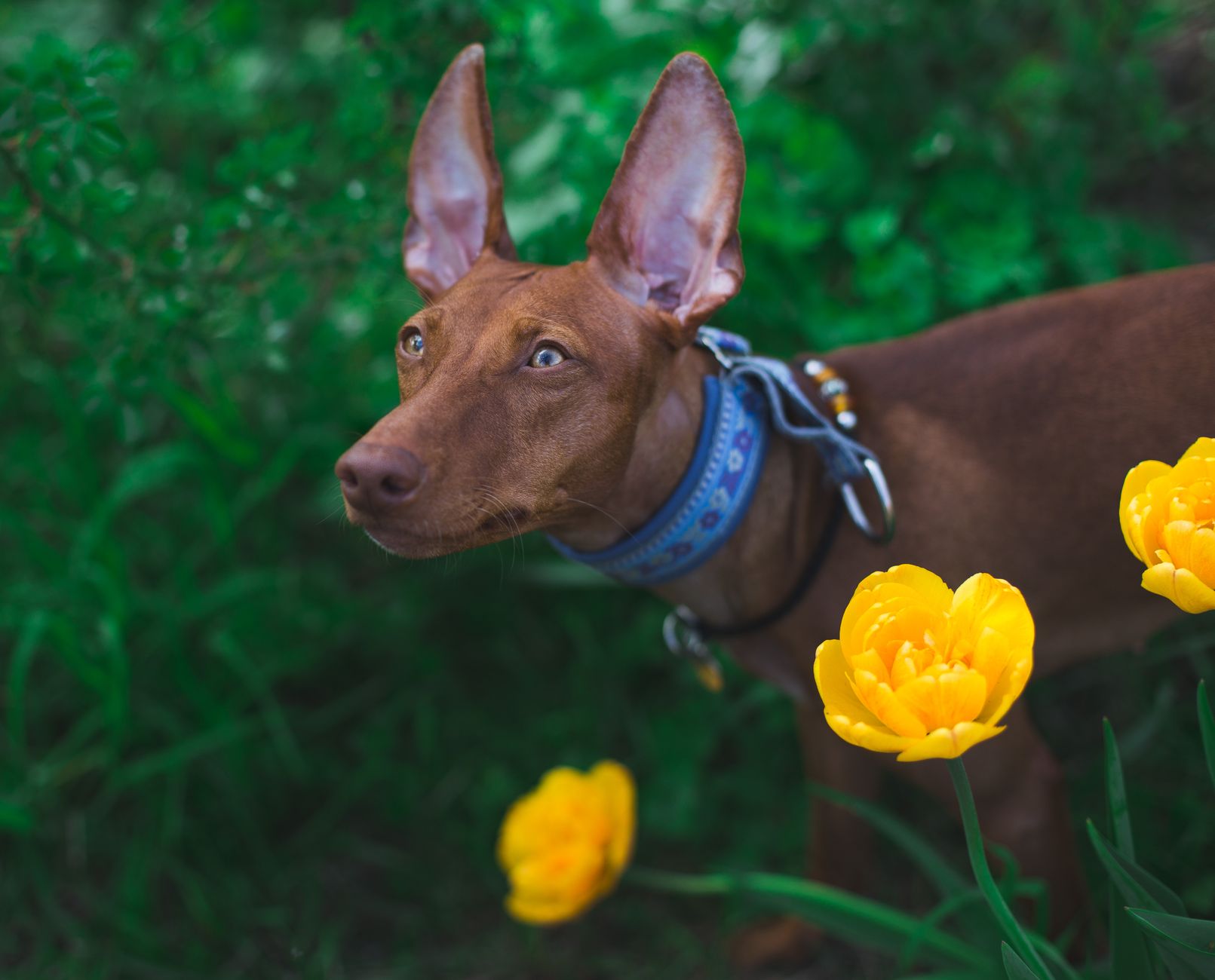
Quick Summary
The Pharaoh Hound is an ancient, elegant sighthound known for its athletic grace, unique ‘blushing’ ability, and intense prey drive. Best suited for active, engaged owners who can provide secure exercise areas, this breed combines a gentle, affectionate home life with an energetic, independent spirit outdoors. As a veterinarian, I find they are remarkably healthy, but their sensitive nature and sighthound physiology require a dedicated, knowledgeable hand.
Quick Facts
- origin countryMalta
- breed groupHound
- sizeMedium to Large
- weight range45-55 lbs (20-25 kg)
- height range21-25 inches (53-64 cm)
- lifespan11-14 years
- coat typeShort, glossy, fine to slightly harsh
- common colorsRich tan to chestnut, often with minor white markings on the chest, toes, and tail tip
- other namesKelb tal-Fenek
- recognized byAKC, UKC, FCI
Caring for a Pharaoh Hound
Living with a Pharaoh Hound is an exercise in managing athletic joy and sensitive companion animal dynamics. In my clinic, I emphasize to new owners that these dogs are built for speed and require daily opportunities to run in safely enclosed spaces. Indoors, they are surprisingly quiet ‘couch potatoes’ who crave soft bedding and close human contact. Because of their thin coats and low body fat, they do not tolerate extreme cold well and require coats during winter walks. Their high prey drive is a constant factor; they can never be trusted off-leash in unsecured areas.
Is a Pharaoh Hound a good family pet?
Yes, they make wonderful family pets for active households, as they are naturally gentle, affectionate, and highly loyal. However, their energetic play and jumping ability mean they may accidentally knock over toddlers, so supervision is always recommended.
Do Pharaoh Hounds shed a lot?
No, they are very light shedders with a single, short coat that requires minimal maintenance. A quick weekly brush with a rubber curry glove is usually more than enough to keep their coat gleaming and manage the minimal hair they do lose.
Is a Pharaoh Hound good for first-time owners?
Generally, I do not recommend them for novice owners due to their strong prey drive, independent sighthound streak, and high exercise needs. They require consistent, positive-reinforcement training and an understanding of sighthound behavior to thrive.
Temperament & Personality
The Pharaoh Hound possesses a captivating temperament: noble and independent yet deeply affectionate and clownish with their family. They are famous for their unique ability to ‘blush’ when excited or happy, with their ears and nose turning a deep rose color. While they are highly alert and will bark to announce visitors, they are generally peaceful and friendly once introduced. They retain a strong hunting instinct, meaning their focus can shift instantly if they spot a small animal.
Is a Pharaoh Hound good with other pets?
They can live peacefully with other medium-to-large dogs if properly socialized, but their intense prey drive makes them highly dangerous to cats, rabbits, and other small pocket pets. I advise extreme caution and separation from small animals.
How much attention does a Pharaoh Hound need?
They are highly social dogs that form tight bonds with their families and can develop separation anxiety if left alone for long periods. They need to be integrated into daily household activities and require plenty of mental and physical engagement.
Training & Behavior
Training a Pharaoh Hound requires patience, creativity, and a gentle touch. As independent hunters, they do not possess the eager-to-please attitude of a Retriever; instead, they ask ‘what’s in it for me?’ Harsh training methods will cause them to shut down completely. I advise using high-value food rewards and keeping training sessions short, varied, and fun to maintain their interest.
Training Tips
- Use positive reinforcement exclusively with high-value treats like chicken or cheese.
- Keep training sessions short (5-10 minutes) to prevent boredom.
- Focus heavily on recall training, though never trust it fully in open areas.
- Socialize extensively during puppyhood to prevent aloofness or timidity.
Fun Activities
- Lure coursing
- Agility training
- Flyball
- Scent work
- Structured hiking on a long line
Is a Pharaoh Hound easy to train?
They are highly intelligent but possess a strong streak of independence. While they learn commands quickly, they may choose not to obey if they are distracted by a scent or movement, making consistency and patience essential.
Pharaoh Hound Health Issues

From a clinical perspective, Pharaoh Hounds are exceptionally robust and free of many genetic diseases that plague other purebreds. However, their unique sighthound physiology means they have specific medical sensitivities that owners must be aware of, particularly regarding anesthesia and chemical exposures.
Anesthesia Sensitivity
Like most sighthounds, Pharaoh Hounds have low body fat percentages and metabolize drugs differently, making typical doses of barbiturate anesthetics dangerous.
Patellar Luxation
This condition occurs when the patella (kneecap) slips out of its normal anatomical groove, which can cause discomfort and eventual arthritis.
Hip Dysplasia
A genetic condition where the hip joint does not fit together perfectly, leading to wear and tear, inflammation, and eventual osteoarthritis.
Allergic Dermatitis
Their thin skin and short coat make them prone to environmental allergies, contact dermatitis, and reactions to certain chemicals or insect bites.
How long do Pharaoh Hounds typically live?
With proper nutrition, regular exercise, and preventive veterinary care, Pharaoh Hounds are quite long-lived for a medium-to-large breed, typically reaching 11 to 14 years of age.
What to Feed a Pharaoh Hound
Pharaoh Hounds require a high-quality diet tailored to their energetic lifestyle and lean body structure. Because they have very little body fat, keeping them at an ideal body condition score (around a 4 or 5 out of 9) is crucial to protect their joints and overall health.
Best Diet
I recommend a premium commercial dry kibble formulated for active, medium-sized breeds. Ensure the diet is rich in high-quality animal proteins to support their lean muscle mass, and consider life-stage specific formulations (puppy, adult, senior).
How to Feed
Split their daily food allowance into two equal meals to help maintain stable blood sugar and reduce the risk of digestive upset. Avoid heavy exercise for at least one hour after eating to minimize gastrointestinal distress.
How Much to Feed
Typically, an active adult Pharaoh Hound will require 1.5 to 2.5 cups of high-quality kibble daily, but this varies widely based on individual metabolism and exercise. Consult your veterinarian to calculate precise caloric needs based on their current weight.
Nutritional Tips
Supplementing their diet with omega-3 fatty acids (like fish oil) can support their sensitive skin and coat health. Ensure they always have access to clean, fresh water, especially after vigorous running sessions.
Pharaoh Hound Grooming Guide
Grooming a Pharaoh Hound is exceptionally straightforward, making them one of the lowest-maintenance breeds in my practice in terms of coat care. Their clean, almost odorless coat requires minimal intervention to look its best.
Coat Care
Brush weekly with a soft bristle brush or a rubber grooming mitt to remove loose hairs. They only need baths every few months or when they roll in something unpleasant, as their coat naturally repels dirt.
Skin Care
Because their skin is thin and exposed, check regularly for scratches, scrapes, or minor sunburn during the summer months. Apply pet-safe sunscreen if they will be spending extended time in bright sunlight.
Eye Care
Wipe away any minor corner discharge with a soft, damp cloth. Redness or excessive tearing warrants a veterinary examination.
Ear Care
Check their large, upright ears weekly for wax buildup, redness, or a foul odor, which can indicate an infection. Clean them gently with a vet-approved ear cleaner and a cotton ball, never inserting cotton swabs into the canal.
Nail & Dental Care
Trim their fast-growing nails every 2-3 weeks; if you hear them clicking on hard floors, they are too long. Brush their teeth at least three times a week with dog-specific toothpaste to prevent periodontal disease.
Considerations for Pet Parents
Pros
- Low grooming requirements and virtually odorless coat
- Affectionate, loyal, and gentle companions indoors
- Remarkably healthy breed with few genetic disorders
- Quiet and calm inside the home once exercised
- Charming and unique traits like ‘blushing’ and smiling
Cons
- Extremely high prey drive; cannot be trusted off-leash
- Requires high, secure fencing (minimum 6 feet) as they are exceptional jumpers
- Sensitive to cold weather and requires winter gear
- Can be vocal and bark to alert or during play
- Independent nature can make training a challenge
Best For
Active individuals or families who have access to a large, securely fenced yard and can dedicate time to daily exercise and mental stimulation. They thrive with owners who appreciate independent breeds and can provide consistent, gentle training.
Not Recommended For
Homes with cats or small pocket pets, apartment dwellers who cannot commit to rigorous daily outdoor exercise, or owners who expect perfect off-leash obedience in open areas.
Cost
- purchase price$1,800 – $3,000
- monthly cost$150 – $250
- initial setupInitial costs include high-quality crates, secure harnesses, winter coats, and essential veterinary care, typically totaling $1,000 to $1,500.
Similar Breeds

Ibizan Hound

Cirneco dell’Etna
Pharaoh Hound FAQs
Do Pharaoh Hounds really blush?
Yes! When excited, happy, or highly stimulated, blood rushes to their skin, causing their flesh-colored nose and the insides of their large ears to turn a distinct, deep rosy pink.
Can Pharaoh Hounds live in apartments?
They can adapt to apartment life only if their owners are deeply committed to providing multiple long, active walks and opportunities to run in secure areas daily. Without this outlet, they can become destructive.
How high can a Pharaoh Hound jump?
They are phenomenal jumpers, easily clearing 5-foot fences from a standing position. A secure yard must have a fence at least 6 feet high to safely contain this athletic breed.
Are they hypoallergenic?
No, they are not hypoallergenic. While they have short coats and shed minimally, they still produce dander and saliva, which can trigger allergies in sensitive individuals.
Can they ever go off-leash in public?
In my professional opinion, no. Their prey drive is so deeply hardwired that if they spot a rabbit or squirrel, they will run across busy streets and ignore all commands, no matter how well-trained.
Why do they chitter their teeth?
Teeth chittering is a common sighthound behavior that usually signifies extreme happiness, anticipation, or excitement, such as when you are preparing their dinner or getting ready for a walk.
How do they tolerate cold weather?
Very poorly. Because of their thin skin, single coat, and lack of body fat, they feel the cold quickly. In winter, they must wear insulated coats outdoors, and some may even need sweaters indoors.
Are Pharaoh Hounds prone to separation anxiety?
Yes, they form strong emotional bonds with their families and can easily suffer from separation anxiety. Early crate training and gradual departures are essential to help them feel secure.
Are they good watchdogs?
They make excellent watchdogs in terms of alerting you to strangers, as they are highly observant and vocal. However, they are not protection dogs and are generally too friendly to act as guard dogs.
Why is the breed called the ‘Kelb tal-Fenek’?
This is their native Maltese name, which translates literally to ‘rabbit dog.’ It refers to their traditional, ancient role of hunting rabbits in the rocky terrain of the Maltese islands.
Are they prone to bloat (GDV)?
While they are deep-chested, their risk of Gastric Dilatation-Volvulus (bloat) is moderate compared to larger breeds, but owners should still avoid heavy exercise immediately after meals as a precaution.
How vocal are they?
They are more vocal than many other sighthounds. They will bark when they hear unusual noises, during play, or when they are trying to communicate their excitement to their owners.