
Ragamuffin Longhair Breed Guide

Quick Summary
As a veterinarian who has treated this wonderful breed for over fifteen years, I often describe the Ragamuffin as the ultimate gentle giant of the feline world—a slow-maturing, incredibly affectionate companion that literally goes limp with trust in your arms. This breed is ideal for households seeking a highly social, low-maintenance-coat longhair that thrives on human companionship and gets along famously with children and other pets.
Quick Facts
- origin countryUnited States
- breed groupCompanion Cat (CFA)
- sizeLarge, heavily boned
- weight range10 to 20+ lbs (Males: 15-20+ lbs, Females: 10-15 lbs)
- height range9 to 12 inches
- lifespan12 to 16 years
- coat typeMedium-long, plush, rabbit-like texture, low-matting
- common colorsAll colors and patterns, including bi-colors, solids, tortoiseshells, and tabbies with any eye color
- other namesRagamuffin
- recognized byCFA, ACFA, UFO
Caring for a Ragamuffin Longhair
In my practice, caring for a Ragamuffin is surprisingly straightforward given their luxurious appearance. Their plush coat is remarkably resistant to matting, but they do require weekly brushing to manage shedding and prevent hairballs. Because they are notoriously sedentary and slow-maturing—not reaching full skeletal growth until age 4 or 5—monitoring their caloric intake to prevent obesity is my primary clinical focus. They are strictly indoor cats due to their overly trusting, non-defensive nature.
Is a Ragamuffin Longhair a good family pet?
Absolutely, they are one of the most patient and docile breeds I treat. They adore children, often allowing themselves to be carried around like stuffed animals, provided kids are taught gentle handling.
Do Ragamuffin Longhairs shed a lot?
They shed moderately throughout the year, with a heavier blow during seasonal changes in spring and fall. However, their unique rabbit-like coat texture doesn’t mat easily, making shedding highly manageable with a weekly comb-through.
Is a Ragamuffin Longhair good for first-time owners?
Yes, their forgiving, highly affectionate, and adaptable temperament makes them an exceptional choice for novices. They lack the demanding intensity of more active breeds, making them very easy to live with.
Temperament & Personality
If I could bottle the Ragamuffin’s temperament, I would; they are the epitome of sweet-tempered serenity. Unlike many aloof felines, they actively seek out human laps, greeting owners at the door and following them from room to room like shadows. They possess a unique trait of relaxing completely when held, which is a testament to their deep trust and docile nature. In my clinic, these patients are absolute sweethearts, rarely showing aggression even during stressful exams.
Is a Ragamuffin Longhair good with other pets?
In my years of practice, I have rarely seen a breed integrate so seamlessly with other animals. They thrive in multi-pet homes, frequently forming close bonds with friendly dogs and other cats.
How much attention does a Ragamuffin Longhair need?
They are highly social velcro cats that require significant daily interaction and do not do well when left alone for long periods. If you work long hours, I strongly recommend getting them a companion animal to prevent loneliness.
Training & Behavior
Ragamuffins are highly intelligent, eager to please, and remarkably responsive to positive reinforcement. I often tell owners that they possess a dog-like capacity for learning, easily mastering basic commands, tricks, and harness walking. Their gentle nature means they respond poorly to any harsh corrections, thriving instead on clicker training and treats.
Training Tips
- Use clicker training with high-value treats
- Introduce harness training early at 6 months of age
- Teach retrieve games to channel mental energy
- Reinforce calm behaviors with quiet praise
- Provide scratching posts near their favorite sleeping spots
Fun Activities
- Interactive puzzle toys
- Fetching soft crinkle balls
- Leash walking in secure gardens
- Target stick training
- Learning sit and high-five commands
Is a Ragamuffin Longhair easy to train?
Yes, they are highly trainable due to their desire for human interaction and food motivation. They pick up routines quickly and can easily be trained to use scratching posts and perform simple tricks.
Ragamuffin Longhair Health Issues
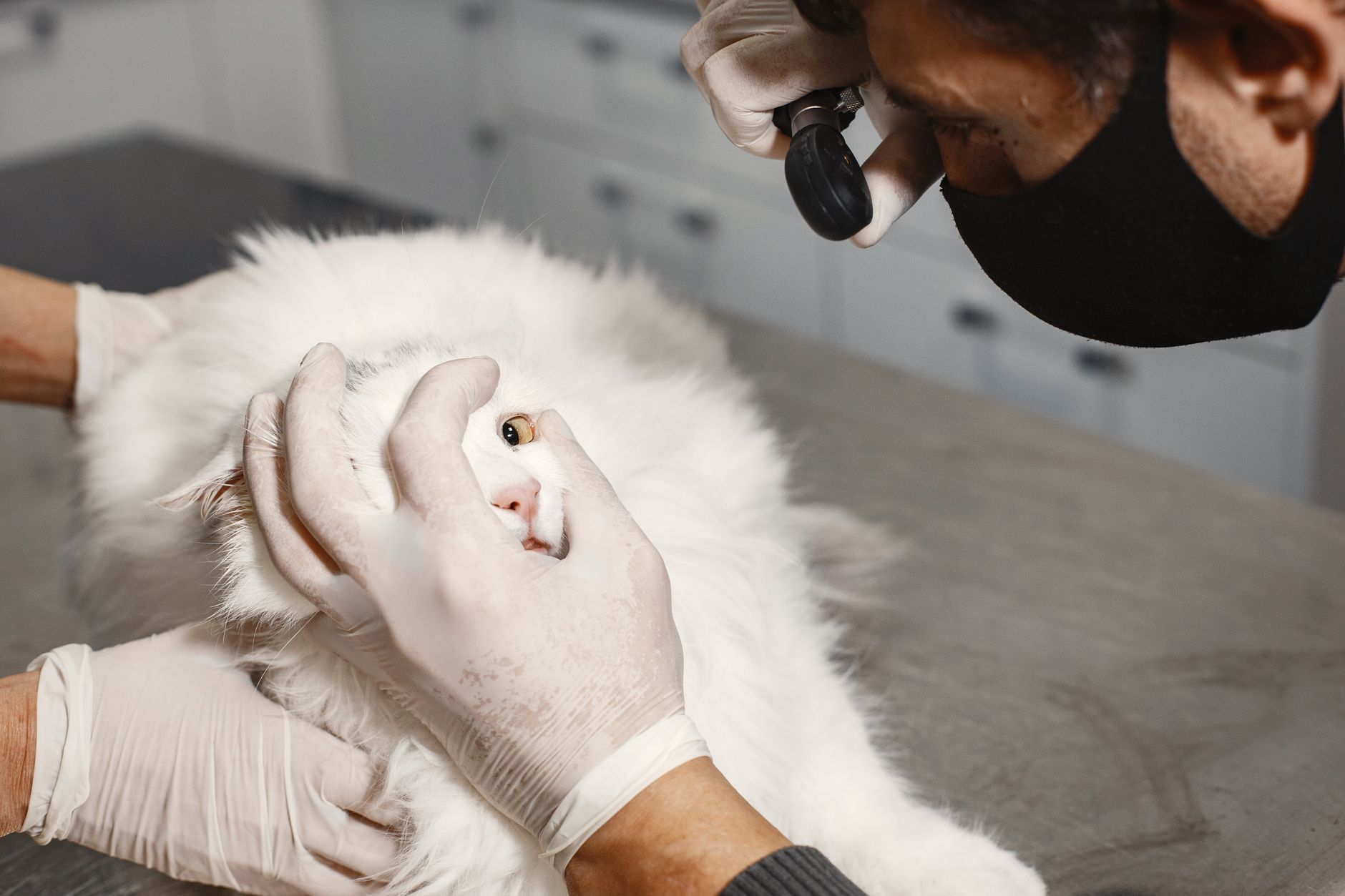
While the Ragamuffin is generally a robust and sturdy breed, their lineage exposes them to a few genetic vulnerabilities. In my clinic, my primary concerns are managing their tendency toward obesity and screening for inherited cardiac and renal diseases.
Hypertrophic Cardiomyopathy (HCM)
This is the most common heart disease in cats, characterized by the thickening of the heart walls, which can lead to heart failure or blood clots. Ragamuffins can inherit this genetically, making pre-breeding DNA screening essential.
Polycystic Kidney Disease (PKD)
An inherited condition where fluid-filled cysts form in the kidneys, gradually multiplying and enlarging over time, eventually leading to chronic kidney failure. DNA tests can identify carriers before they are bred.
Feline Obesity and Primordial Pouch Misinterpretation
Ragamuffins have a natural fatty pad on their lower abdomen (primordial pouch), which owners often mistake for normal weight. However, their sedentary lifestyle makes them highly prone to true clinical obesity, which exacerbates joint stress and diabetes.
Periodontal Disease
Like many domestic breeds, Ragamuffins are prone to plaque and tartar buildup, which can lead to painful gingivitis and tooth loss if left untreated. Chronic oral inflammation can also impact internal organs like the kidneys and heart.
How long do Ragamuffin Longhairs typically live?
With proper indoor care, a balanced diet, and routine veterinary checkups, Ragamuffins typically live between 12 and 16 years. Some well-cared-for individuals can even reach their late teens.
What to Feed a Ragamuffin Longhair
Feeding a Ragamuffin requires strict portion control to offset their naturally low-energy, couch-potato lifestyle. Because they take up to five years to reach full structural maturity, their nutritional needs shift slowly from calorie-dense kitten food to high-protein adult formulas.
Best Diet
I highly recommend a diet rich in high-quality, animal-based proteins with moderate fat and low carbohydrates, utilizing wet canned food for hydration. A moisture-rich diet is especially beneficial for supporting their kidney and urinary tract health as they age.
How to Feed
Avoid free-feeding dry food at all costs; instead, establish 2 to 3 strictly scheduled, measured meals per day. Utilizing puzzle feeders can slow down their eating and provide much-needed mental stimulation and physical activity.
How Much to Feed
An average adult Ragamuffin requires roughly 25 to 30 calories per pound of target body weight daily, but this must be adjusted based on their specific activity level. Always consult your veterinarian to calculate exact portion sizes based on your cat’s body condition score.
Nutritional Tips
Incorporate omega-3 fatty acids (like salmon oil) to support their plush, dense coat and promote joint health, which is vital for heavy-bodied breeds. Avoid high-carb fillers that contribute to rapid weight gain.
Ragamuffin Longhair Grooming Guide
Despite their luxurious, long, plush coats, Ragamuffins are surprisingly low-maintenance because their fur texture is silky and resistant to matting. However, a consistent grooming routine is still necessary to control shedding and keep their skin healthy.
Coat Care
Brush their dense coat at least twice a week using a high-quality slicker brush and a long-toothed metal comb to reach the undercoat. Increase this to daily grooming during seasonal shedding periods in the spring and fall to minimize hairballs.
Skin Care
Regular brushing distributes natural skin oils, preventing dry, flaky skin. Ensure you check their lower abdomen and armpits regularly, as these high-friction areas are the most prone to developing small tangles.
Eye Care
Wipe the corners of their eyes weekly with a damp, warm cloth to remove any minor discharge, using a clean section of the cloth for each eye to prevent spreading bacteria.
Ear Care
Inspect their ears bi-weekly for wax buildup, redness, or debris; gently clean using a vet-approved ear flush and a cotton round if needed, never inserting cotton swabs into the canal.
Nail & Dental Care
Clip their nails every 2 to 3 weeks and brush their teeth daily with cat-safe enzymatic toothpaste to prevent periodontal disease.
Considerations for Pet Parents
Pros
- Extremely affectionate and loving lap cat personality
- Very patient and gentle with children of all ages
- Adapts beautifully to multi-pet households
- Plush coat is highly resistant to severe matting
- Highly intelligent and surprisingly easy to train
- Quiet, calm demeanor well-suited for apartment living
- Stunningly beautiful with a plush, soft coat
Cons
- Prone to obesity due to a sedentary lifestyle
- Requires a long-term commitment due to a 5-year maturation period
- Does not tolerate being left alone for long periods
- Lacks outdoor survival instincts and must remain strictly indoors
Best For
The ideal home for a Ragamuffin is an active, loving household where family members are frequently present to offer affection. They are perfect for families with respectful children, multi-pet homes, and seniors seeking a devoted, low-key companion.
Not Recommended For
I do not recommend this breed for busy individuals who work long hours away from home and cannot provide companionship. They are also not suited for owners looking for an active, highly energetic, or independent cat that can go outdoors.
Cost
- purchase price$1,500 – $2,500
- monthly cost$80 – $150
- initial setupInitial costs including spaying/neutering, microchipping, genetic screenings (HCM/PKD), vaccines, and high-quality grooming tools average $500 to $1,000.
Similar Breeds
Ragdoll

Siberian
Ragamuffin Longhair FAQs
What is the difference between a Ragdoll and a Ragamuffin?
While closely related, Ragamuffins are a distinct breed established in 1994. Unlike Ragdolls, which must have pointed patterns and blue eyes, Ragamuffins can be any color or pattern and have any eye color. Additionally, Ragamuffins allow outcrossing to certain breeds like Persians or Siberians to maintain genetic diversity.
Why do Ragamuffins go limp when you hold them?
This characteristic trait is a result of their exceptionally docile, trusting, and relaxed temperament. When picked up by someone they trust, their muscles completely relax, mimicking a plush toy. However, always support their heavy hindquarters to prevent spinal strain.
How long does it take for a Ragamuffin to grow to full size?
Ragamuffins are slow-maturing gentle giants, taking anywhere from 4 to 5 years to reach their full skeletal size, weight, and coat density. It is crucial to monitor their growth stages closely with your vet to ensure they are gaining muscle and bone density, not excess fat.
Do Ragamuffins need to go outside?
No, Ragamuffins should be strictly indoor cats. Their gentle, trusting nature means they lack defensive hunting instincts, making them easy prey for predators, vehicles, and stray pathogens. Indoor enrichment like cat trees and window perches is highly recommended.
Are Ragamuffins hypoallergenic?
No, they are not hypoallergenic. They produce the Fel d 1 protein in their saliva, skin, and urine, which causes allergies in sensitive individuals. Their long coats can also trap environmental dander and pollen, exacerbating allergy symptoms.
Why does my Ragamuffin have a saggy belly?
This saggy belly is a primordial pouch, a normal anatomical feature of the breed that provides extra skin elasticity for stretching and running. However, do not confuse this pouch with clinical obesity—always have your vet check their body condition score to ensure they are at a healthy weight.
How do I prevent hairballs in my Ragamuffin?
Preventing hairballs requires twice-weekly brushing to remove loose undercoat before your cat can ingest it during grooming. Incorporating a high-fiber diet, veterinary-approved hairball gel, or omega-3 fatty acids can also help pass ingested hair smoothly through the digestive tract.
Can Ragamuffins be left alone while I am at work?
While they can manage short periods alone, they are highly social cats that crave human interaction. Leaving them alone for 8 to 10 hours daily can lead to separation anxiety and depression. I always recommend a feline or canine companion if you have a busy work schedule.
Are Ragamuffins vocal cats?
Generally, no. Ragamuffins are quiet cats that communicate with soft chirps, purrs, and quiet meows rather than loud vocalizations. If your Ragamuffin suddenly becomes loudly vocal, it may indicate pain, discomfort, or an underlying medical issue, which warrants a veterinary visit.
What type of brush is best for a Ragamuffin’s coat?
I recommend a dual-approach: use a high-quality slicker brush to remove loose topcoat hair, followed by a stainless-steel greyhound comb with long teeth to gently detangle the dense undercoat. Avoid aggressive pulling, as their skin is sensitive.
Are Ragamuffins prone to kidney issues?
Yes, because of historical outcrossing with Persians, they carry a genetic risk for Polycystic Kidney Disease (PKD). Responsible breeders screen their cats using DNA testing, so always ask for genetic clearances before purchasing a kitten.
Do Ragamuffins like water?
While they rarely enjoy full baths, many Ragamuffins are fascinated by water. Don’t be surprised if your cat plays with water dripping from the faucet or watches you in the shower—this curious, dog-like behavior is quite common in the breed.
How can I tell if my Ragamuffin is overweight?
Stand over your cat and look down: you should see a subtle waistline behind their ribs. When you run your hands along their sides, you should be able to feel their ribs under a thin layer of fat. If you cannot feel the ribs or see a waist, consult your vet for a weight management plan.
What toys are best for a Ragamuffin?
They enjoy toys that stimulate their mind and mimic hunting without requiring extreme exertion. Feather wands, crinkle balls, interactive puzzle feeders, and motorized laser toys are excellent options to keep them moving and prevent obesity.
Sources & Further Reading
- The Cat Fanciers’ Association (CFA)
- Merck Veterinary Manual
- Cornell University College of Veterinary Medicine
- International Cat Care