
Australian Shepherd Breed Guide

Quick Summary
The Australian Shepherd is an incredibly intelligent, high-octane herding breed built for active owners who can provide daily mental and physical challenges. In my years working with them, I’ve found they thrive best when given a clear ‘job’ to do, becoming intensely loyal and affectionate ‘velcro’ companions. However, without a structured outlet for their massive energy, they will easily channel their brilliance into destructive behaviors or obsessive herding.
Quick Facts
- origin countryUnited States
- breed groupHerding Group (AKC)
- sizeMedium
- weight range40 to 65 lbs (18 to 29 kg)
- height range18 to 23 inches (46 to 58 cm)
- lifespan12 to 15 years
- coat typeMedium-length, weather-resistant double coat, straight to wavy
- common colorsBlue merle, red merle, solid black, solid red, all with or without white markings and tan points
- other namesAussie, Little Blue Dog
- recognized byAKC, UKC, FCI, ASCA
Caring for a Australian Shepherd
Living with an Aussie is a lifestyle commitment, not just typical pet ownership. You must be prepared for at least 1 to 2 hours of vigorous exercise daily, coupled with intense mental stimulation like puzzle toys, agility, or advanced training. I always warn new owners that if you don’t give an Aussie a job, they will invent one—which usually involves herding your children, cats, or even the vacuum cleaner. While their double coat needs regular maintenance to prevent mats, the real work lies in keeping their brilliant minds occupied.
Is an Australian Shepherd a good family pet?
Yes, but with caveats. Aussies are incredibly loving and protective of their families, but their strong herding instincts can cause them to nip at the heels of running children, meaning they require supervision and early boundary training.
Do Australian Shepherds shed a lot?
Absolutely. They shed moderately year-round and ‘blow’ their dense undercoats heavily twice a year in the spring and fall, during which you will need to brush them daily to manage the tumbleweeds of hair.
Is an Australian Shepherd good for first-time owners?
Generally, no. Their extreme intelligence combined with high energy means they will easily outsmart and manipulate an inexperienced owner who does not know how to set firm, consistent boundaries.
Temperament & Personality
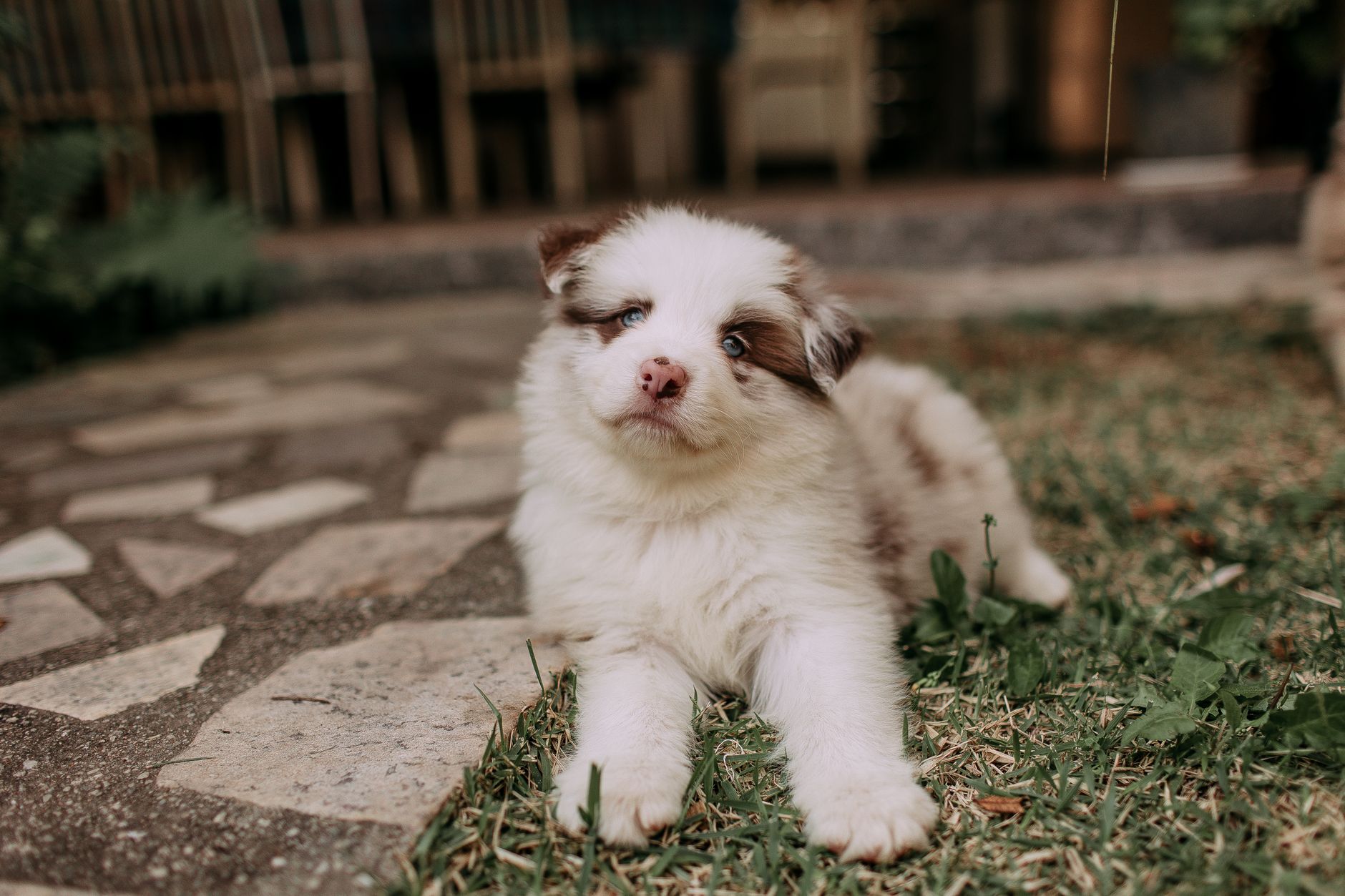
Aussies are intensely loyal, deeply affectionate with their immediate families, and possess a strong, natural protective instinct. They are famously ‘velcro’ dogs, following you from room to room because they simply must be involved in whatever you are doing. While they are highly trainable, they also have a strong independent streak and can be quite reserved around strangers. I’ve noticed they possess an uncanny ability to read their handler’s body language, making them incredibly intuitive partners.
Is an Australian Shepherd good with other pets?
They can be, provided they are socialized early. However, their high prey drive and herding instinct mean they will often try to herd cats and smaller pets, which requires consistent training to redirect.
How much attention does an Australian Shepherd need?
A tremendous amount. They are true companion dogs that do not do well when left alone in a backyard for long periods, often developing severe separation anxiety if excluded from family life.
Training & Behavior
Training an Aussie is a joy because they learn commands in just a few repetitions, but they will quickly test boundaries if they sense any inconsistency. In my experience, positive reinforcement combined with rapid, varied training sessions is the only way to keep their focus. If you repeat the same basic sit-stay command twenty times, an Aussie will get bored and start looking for something more interesting to do.
Training Tips
- Keep training sessions short, fast-paced, and mentally challenging.
- Use positive reinforcement; avoid harsh corrections as they are highly sensitive.
- Incorporate ‘jobs’ into training, such as fetching specific toys by name.
- Socialize heavily during puppyhood to curb natural reservation toward strangers.
Fun Activities
- Agility trials
- Frisbee and flying disc games
- Dock diving
- Competitive herding trials
- Advanced trick training
Is an Australian Shepherd easy to train?
Yes, they are among the easiest breeds to train command-wise, but their high intelligence means they can easily train you if you aren’t consistent, structured, and confident as a leader.
Australian Shepherd Health Issues
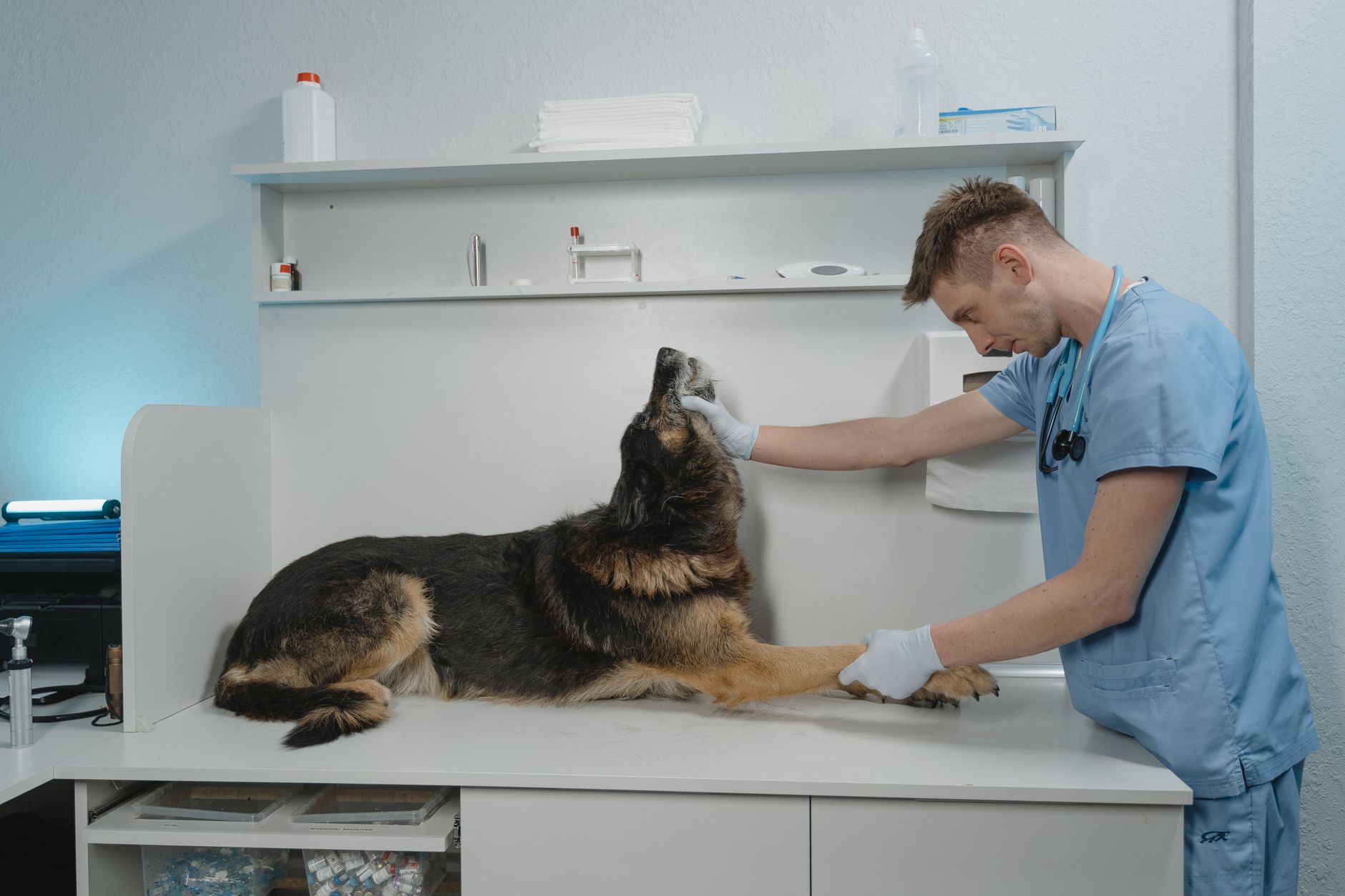
Aussies are generally a robust and athletic breed, but like all purebreds, they are genetically predisposed to several hereditary conditions. Working with a breeder who does thorough genetic screening is crucial to minimizing these risks.
MDR1 Gene Mutation (Multidrug Sensitivity)
A genetic mutation that makes the dog highly sensitive to common medications, including certain heartworm preventatives (like ivermectin) and anesthetics, allowing these drugs to cross the blood-brain barrier and cause toxic reactions.
Hip and Elbow Dysplasia
The improper formation of the hip or elbow joints, which causes the bones to rub and grind, eventually leading to painful arthritis and mobility issues.
Collie Eye Anomaly (CEA)
An inherited bilateral eye disease that causes abnormal development of the choroid (the tissue layer under the retina), potentially leading to retinal detachment and blindness.
Hereditary Cataracts
An inherited condition that causes clouding of the eye lens, which can progress rapidly and lead to partial or complete blindness.
Epilepsy
A neurological condition causing recurrent, unprovoked seizures, typically manifesting between 1 and 5 years of age.
How long do Australian Shepherds typically live?
A healthy Australian Shepherd typically lives between 12 and 15 years when provided with proper nutrition, regular veterinary checkups, and ample physical exercise.
What to Feed a Australian Shepherd
To fuel their high metabolism and active lifestyle, Aussies require a high-quality diet packed with premium proteins and healthy fats. In my experience, feeding a formula designed for active or working breeds yields the best results for their muscle tone and coat health.
Best Diet
An active-breed-specific dry kibble featuring whole meats as the first ingredient is ideal. For puppies, make sure to feed a large/medium breed puppy formula to support steady, controlled bone growth.
How to Feed
Divide their daily food into two distinct meals rather than free-feeding. I highly recommend using puzzle feeders or scatter-feeding in the grass to turn mealtime into a mental workout.
How Much to Feed
Generally, active adult Aussies require between 2 and 3 cups of high-quality dry food daily, but this varies wildly based on age and activity level. Always consult your veterinarian to customize portions.
Nutritional Tips
Incorporate Omega-3 fatty acids (like wild-caught salmon oil) to support their joint health and keep their beautiful double coats glossy and shed-resistant.
Australian Shepherd Grooming Guide
While their coats look high-maintenance, Aussies actually require relatively straightforward grooming. Regular, consistent brushing is the key to preventing the dense undercoat from matting.
Coat Care
Brush their double coat 2 to 3 times a week using a slicker brush and an undercoat rake to pull out dead hair, increasing this to daily brushing during seasonal shedding periods.
Skin Care
Bathe them only once every 6 to 8 weeks to avoid stripping the natural, weather-resistant oils from their skin, unless they have rolled in mud.
Eye Care
Wipe away any tearing or debris from the corners of their eyes weekly with a damp cloth, as Aussies can be prone to dust-related irritation due to their active outdoor lifestyles.
Ear Care
Check their ears weekly for redness, debris, or a sweet/musty odor, which can indicate an infection, and clean with a vet-approved ear solution if dirty.
Nail & Dental Care
Trim their nails every 3 to 4 weeks using heavy-duty clippers or a grinder, and brush their teeth at least 3 times a week with dog-safe toothpaste.
Considerations for Pet Parents
Pros
- Unmatched intelligence and rapid learning ability
- Highly versatile, excels in almost every dog sport
- Intensely loyal ‘velcro’ companion
- Excellent watchdog with a natural protective instinct
- Beautiful, striking coat colors and eye variations
- A perfect running, hiking, and camping partner
Cons
- Extremely high energy requirements that demand daily outlets
- Requires significant mental stimulation to prevent destructiveness
- Strong herding instinct can lead to nipping at heels of kids or pets
- Sheds heavily, especially during seasonal transitions
- Can be reserved or suspicious of strangers if under-socialized
Best For
Highly active households, runners, hikers, farmers, or those interested in competitive dog sports who have at least 2 hours a day to dedicate to physical and mental exercise.
Not Recommended For
Sedentary owners, apartment dwellers with busy work schedules, or first-time dog owners who cannot commit to rigorous training and daily active engagement.
Cost
- purchase price$1,000 to $2,500
- monthly cost$120 to $200
- initial setupInitial setup costs, including high-quality crates, herding toys, grooming tools, and MDR1 genetic testing (if not done by the breeder), typically range from $1,000 to $1,500.
Similar Breeds

Border Collie

Shetland Sheepdog
Australian Shepherd FAQs
Are Australian Shepherds actually from Australia?
No. Despite their name, the breed was fully developed in the western United States during the Gold Rush to herd sheep for Basque shepherds who had previously traveled through Australia.
What is a ‘velcro dog’ and does it apply to Aussies?
A ‘velcro dog’ is a term used to describe a breed that forms an incredibly close bond with their owner and constantly wants to be by their side. Aussies are classic velcro dogs and will follow you from room to room, even into the bathroom.
Why do some Australian Shepherds have short or missing tails?
Many Aussies are born with a natural bobtail (a gene mutation causing a naturally short tail). For working dogs, tails were historically docked to prevent injury while herding livestock, a practice still common in some regions today.
Do all Australian Shepherds have blue eyes?
No. While blue eyes are common—especially in blue merle Aussies—they can also have brown, amber, green, or hazel eyes. Some even have ‘split’ eyes (one eye is half-blue and half-brown) or two completely different colored eyes (heterochromia).
How do I stop my Aussie puppy from nipping at my heels?
This is a natural herding behavior. To stop it, immediately freeze when they nip (movement encourages herding), redirect their mouth to an appropriate toy, and reward them for calm behaviors. Never yell or physically punish them.
Can Australian Shepherds live in apartments?
It is highly discouraged. While technically possible if the owner spends several hours outside daily exercising them, they thrive much better in homes with secure, fenced yards where they have space to run.
What is the difference between an Australian Shepherd and a Border Collie?
While both are high-energy herding breeds, Border Collies tend to herd using an intense ‘eye’ stare and a crouching posture, whereas Aussies herd using physical presence, barking, and occasional nipping. Aussies are also typically heavier-boned and have a more protective instinct.
What is the MDR1 gene, and why is it important for Aussies?
The MDR1 gene mutation makes dogs highly sensitive to certain medications, allowing drugs like ivermectin (found in some heartworm preventatives) to reach toxic levels in the brain. Owners should get their Aussie tested so they know which drugs to avoid at the vet.
What happens if a double merle Australian Shepherd is bred?
Breeding two merle Aussies together yields a 25% chance of ‘double merle’ puppies. These puppies are mostly white and have an extremely high risk of being born deaf, blind, or with malformed eyes. Responsible breeders never cross two merles.
Do Aussies bark a lot?
They can. Aussies are naturally alert watchdogs and will bark to alert you to strangers, animals, or unusual sounds. If left bored or frustrated, this can easily escalate into excessive, compulsive barking.
How much exercise does an Aussie puppy need?
To protect their developing joints, avoid high-impact activities like agility or forced running on concrete until they are at least 12-18 months old. Stick to free play, short walks, and heavy mental stimulation instead.
Is there a miniature version of the Australian Shepherd?
Yes, but they are recognized as a distinct breed by the AKC called the Miniature American Shepherd. Be cautious of anyone selling ‘Toy’ Australian Shepherds, as they are not recognized by major kennel clubs and are often bred unsafely for size.
Are Australian Shepherds prone to separation anxiety?
Yes. Because of their intense velcro nature, they do not handle isolation well. They require gradual crate training and independence training from puppyhood to prevent destructive chewing and howling when left alone.