
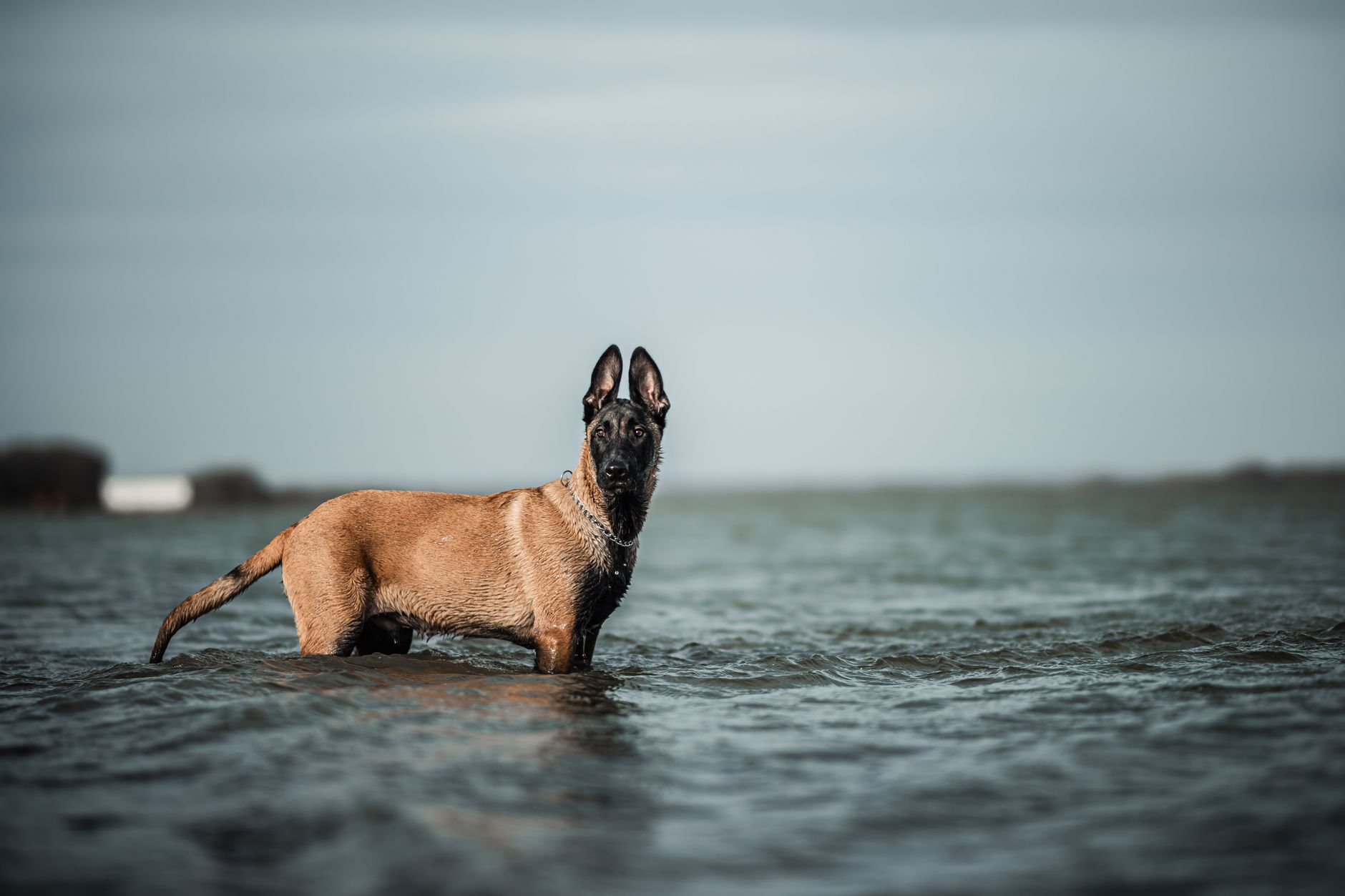
 Belgian Malinois: Is This High-Drive Breed Right for You?” loading=”lazy”>
Quick Summary
The Belgian Malinois is an elite, high-drive working breed that requires experienced handling, intense mental stimulation, and hours of daily physical exercise. While incredibly intelligent and loyal, they are not suited for average pet owners or households with small children due to their powerful guarding instincts and high reactivity. Prospective owners must carefully evaluate the significant time, training, and financial commitments required to keep this breed healthy and balanced.
In my fifteen years as a veterinarian, few breeds have surged in popularity quite like the Belgian Malinois.
Thanks to high-profile military movies and viral social media clips, clients frequently ask me if this stunning, intelligent breed is right for their family.
My answer is almost always a cautious, deeply detailed reality check because what looks like effortless grace on screen is actually the result of relentless, professional training.
Key Takeaways
- Belgian Malinois are elite working dogs, not standard household companions.
- They require 2 to 3 hours of intensive, structured daily exercise and mental engagement.
- This breed has an incredibly high prey and defense drive that requires expert management.
- Common genetic risks include hip and elbow dysplasia, along with anesthesia sensitivity.
- Without proper socialization and jobs to do, they can develop severe, self-destructive behaviors.
- Early muzzle training and professional, breed-specific obedience training are highly recommended.
- They are generally not recommended for families with young children or other small pets.
In This Article
- The Myth vs. The Reality of the Malinois
- Decoding ‘High-Drive’ in the Exam Room
- Orthopedic and Genetic Vulnerabilities
- The Danger of Mental Understimulation
- Designing the Ultimate Malinois Exercise Routine
- The Socialization Window and Reactivity
- The True Cost of Malinois Ownership
- Clinical Checklist: Are You Ready?
The Myth vs. The Reality of the Malinois
I often treat Belgian Malinois that have been surrendered or rehomed because the owners were completely unprepared for their sheer velocity.
These are not oversized German Shepherds; they are highly specialized, elite working machines with endless stamina.
In my practice, I have seen young Malinois tear through drywall out of sheer boredom because their owners left them alone during a standard workday.
- They require a massive daily time commitment of active engagement.
- Their instinct to chase, herd, and bite is hardwired into their DNA.
- They do not have a natural ‘off’ switch and must be taught to settle.
Decoding ‘High-Drive’ in the Exam Room
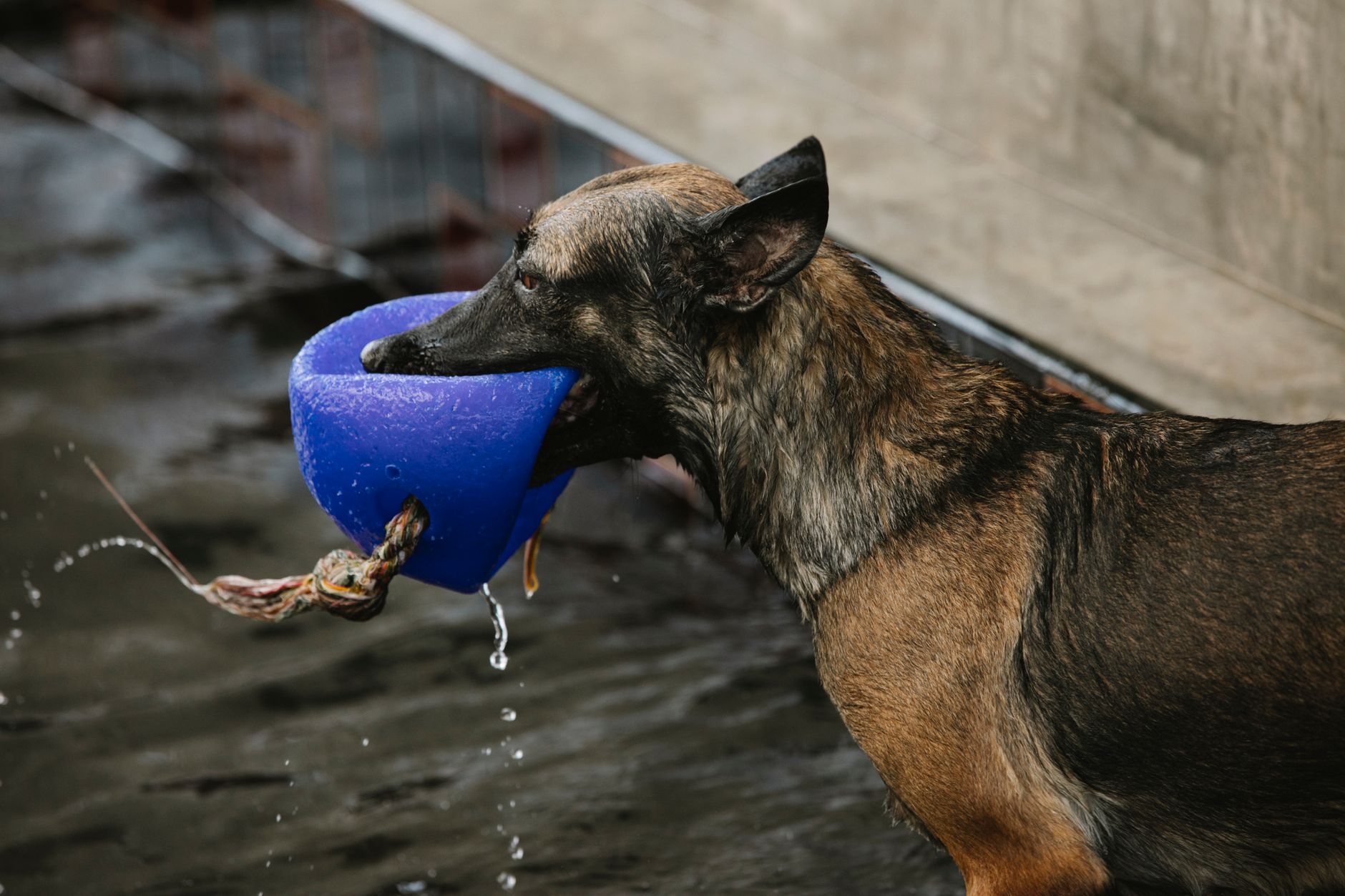
When veterinarians talk about ‘drive,’ we are referring to a dog’s instinctual motivation to perform specific tasks.
The Belgian Malinois possesses an extraordinarily high prey and defense drive, meaning they react to stimuli at lightning speed.
In a clinical setting, this manifests as a dog that is hyper-aware of every movement, sound, and touch.
Understanding Prey Drive
Prey drive is not basic aggression, but rather an intense, obsessive focus on moving objects. To a Malinois, moving cars, bicycles, running children, or fleeing cats are all objects to be chased, captured, and nipped.

Orthopedic and Genetic Vulnerabilities
While Malinois are generally a robust breed, they are not immune to serious genetic and orthopedic conditions.
In my practice, I frequently evaluate these active dogs for structural issues that can cut a working career short.
Knowing these clinical risks before you purchase a puppy allows you to request the correct parental health clearances.
- Hip Dysplasia: A malformation of the hip socket leading to early-onset, painful arthritis.
- Elbow Dysplasia: Abnormal development of the elbow joint causing lameness and pain.
- Progressive Retinal Atrophy (PRA): A degenerative eye disease that eventually leads to blindness.
- Anesthesia Sensitivity: Low body fat makes standard dosing of sedatives riskier for this breed.

The Danger of Mental Understimulation
As a vet, the saddest cases I see are the mentally understimulated Belgian Malinois.
These dogs do not just get sad; they develop severe, obsessive-compulsive clinical behaviors to cope with their excess energy.
I have treated Malinois with raw, bleeding paws from constant licking, and tails chewed to the bone out of frustration.
- Repetitive pacing or bouncing off walls and fences.
- Self-mutilation, including tail-chewing or flank-sucking.
- Obsessive shadow-chasing or light-fixation.
- Severe destructive chewing of non-food items like drywall, rocks, and wood.
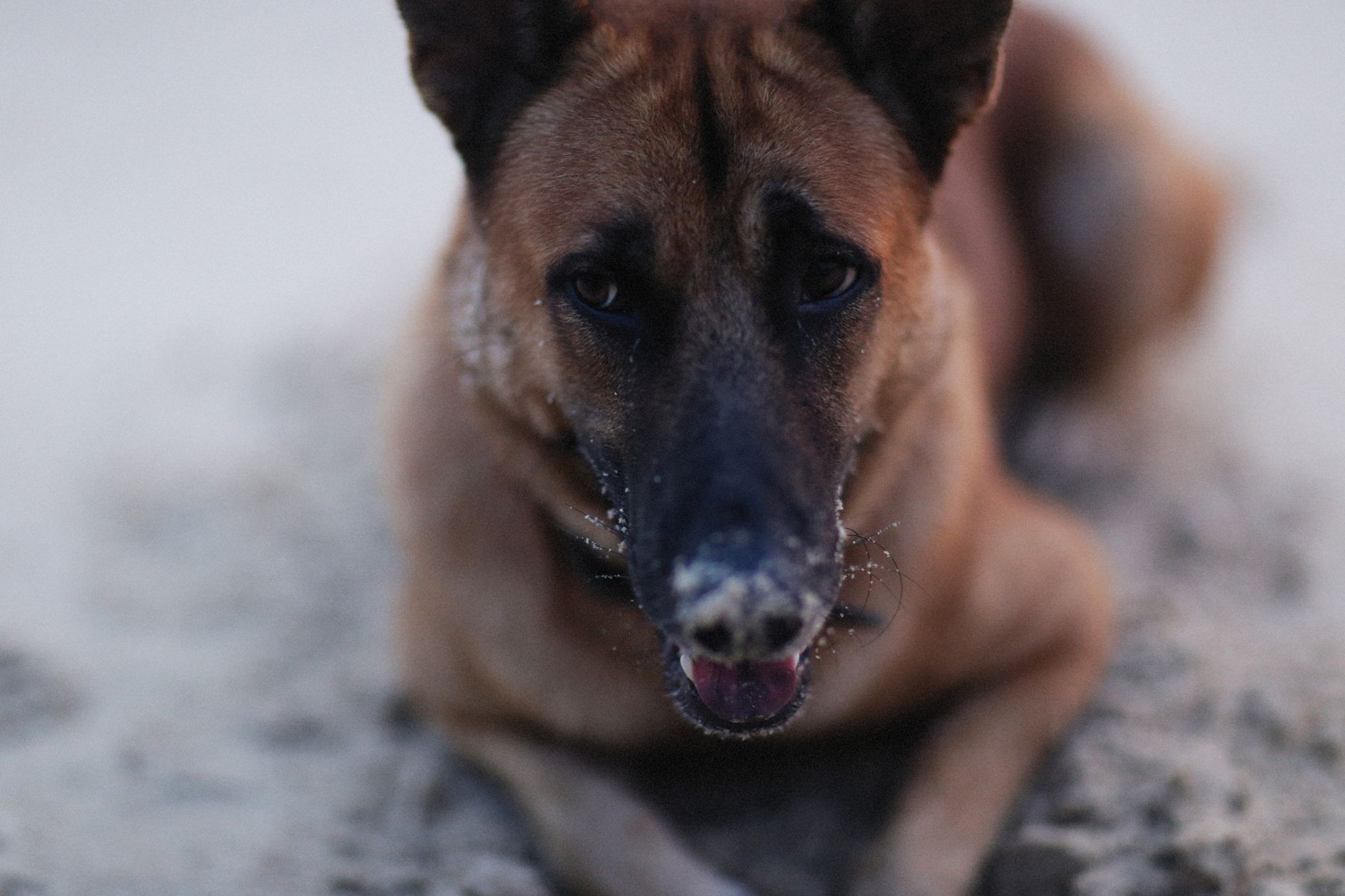
Designing the Ultimate Malinois Exercise Routine
I tell my clients to throw away the idea of a simple neighborhood walk when owning this breed.
A Malinois needs structured, athletic exertion that incorporates high-level obedience to truly tire them out.
This is a commitment that must happen rain, snow, or shine, 365 days a year without fail.
- Flirt poles for controlled, high-speed prey-drive redirection.
- Agility courses that challenge both their physical agility and mental focus.
- Scent work and nose-work tracking games to exhaust their minds.
- Weighted backpack walks to increase physical resistance and build muscle.

The Socialization Window and Reactivity
The window for socializing a Belgian Malinois closes faster than most owners realize.
Between 8 and 16 weeks of age, your puppy must be exposed to hundreds of distinct sights, sounds, and people.
In my clinic, an unsocialized Malinois is one of the most dangerous patients to handle because they default to protective aggression.
- Expose them to novel surfaces like metal grates, wet grass, and shaking platforms.
- Introduce them to diverse people wearing hats, helmets, and bulky winter coats.
- Train them to remain completely neutral around other dogs without demanding interaction.
- Incorporate early positive muzzle training so vet visits remain stress-free and safe.
The True Cost of Malinois Ownership
Owning a Belgian Malinois is an expensive endeavor that goes far beyond the initial purchase price of the puppy.
From high-quality nutrition to specialized working-dog gear, the financial reality can be staggering.
In my clinic, I often see owners struggle to keep up with the cost of specialized behavioral professionals.
Professional Training Budgets
Do not expect to train this breed using standard puppy classes. You will likely need to hire a private trainer experienced in working breeds, which can cost thousands of dollars annually.
Clinical Checklist: Are You Ready?
Before you sign a breeder’s contract or adopt, I want you to look at your lifestyle with brutal honesty.
A Malinois is not a status symbol or a cool guard dog; they are an all-consuming lifestyle choice.
If you cannot tick every single box on this list, please consider a different, more forgiving breed.
- I have at least 2 to 3 hours of free time to dedicate specifically to my dog daily.
- I own my home or have a yard with a secure, 6-foot-plus fence that cannot be scaled.
- I have extensive prior experience training high-drive, working-dog breeds.
- I have the financial stability to invest in professional behavioral support if issues arise.
Frequently Asked Questions
Are Belgian Malinois good with children?
In my clinical opinion, they are generally not recommended for households with young children. Their intense prey drive and herding instincts often lead to them chasing and nipping at running kids, which can cause injuries and fear.
How long do Belgian Malinois live?
The typical lifespan of a healthy Belgian Malinois is between 10 to 14 years. With proper preventative veterinary care, a high-quality diet, and regular joint support, many live long, highly active lives well into their senior years.
Do Belgian Malinois shed a lot?
Yes, they shed constantly throughout the year, with a heavy ‘blow-out’ of their dense undercoat twice a year. Their short, double coat requires weekly brushing with a slicker brush and undercoat rake to manage the loose hair in your home.
Can a Belgian Malinois live happily in an apartment?
While technically possible with an incredibly dedicated owner, I highly discourage keeping a Malinois in an apartment. The lack of space, constant noise of neighbors, and lack of a secure yard often lead to severe barrier frustration and territorial barking.
What is the difference between a Belgian Malinois and a German Shepherd?
Malinois are generally smaller, lighter, and far more energetic than German Shepherds. They react much faster, have a higher working drive, and typically lack the calmer ‘off-switch’ that many modern German Shepherds possess.
Are Belgian Malinois prone to bloat?
Yes, like many deep-chested breeds, Malinois can experience Gastric Dilatation-Volvulus (GDV or bloat). I advise feeding multiple small meals a day and avoiding intense exercise for at least one hour before and after eating.
Sources & Further Reading
- American Kennel Club (AKC)
- Merck Veterinary Manual
- American Veterinary Medical Association (AVMA)
- PetMD
Final Thoughts
In closing, the Belgian Malinois is one of the most remarkable, intelligent, and capable canine breeds on the planet. However, their brilliance is a double-edged sword that requires an equally brilliant, dedicated handler to shape.
In my veterinary practice, I have seen these dogs thrive beautifully when placed in the right working or active sport homes. Conversely, I have seen the heartbreak that occurs when they are treated like standard household couch potatoes.
If you have the time, experience, and energy to match their drive, you will never find a more loyal partner.