
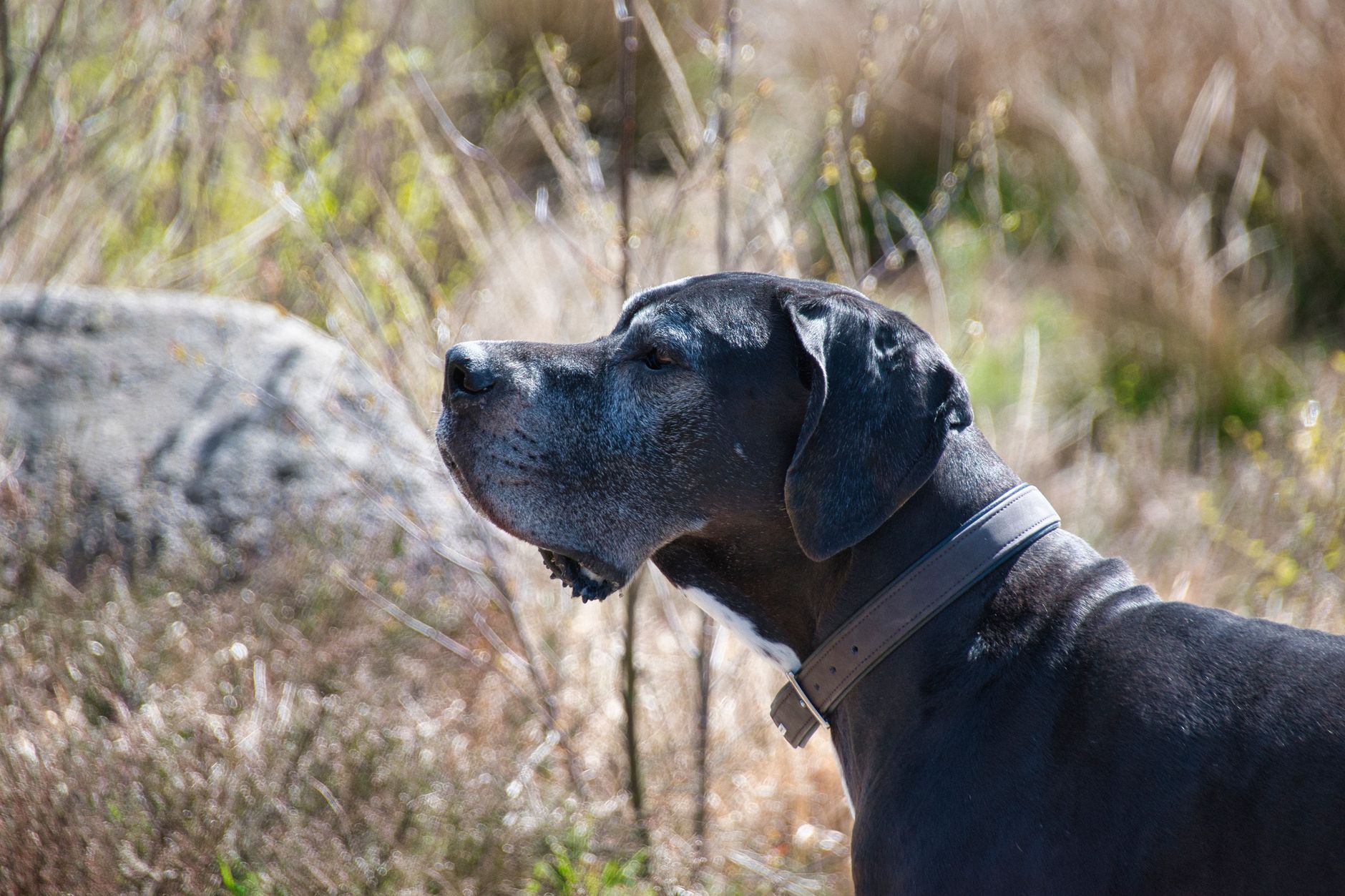
 Great Dane Growth Chart: What to Expect at Every Age” loading=”lazy”>
Quick Summary
Great Danes grow at an extraordinary rate, transitioning from 1-pound newborns to over 100 pounds within their first year. Managing this growth through specialized giant-breed nutrition and controlled exercise is clinically vital to prevent debilitating orthopedic diseases. A Dane is not fully mature structurally until they reach two to three years of age.
In my two decades of clinical practice, nothing quite prepares a new owner for the sheer velocity of a Great Dane’s growth. I often joke with my clients that if you blink during their first six months, you will miss an entire growth stage.
This rapid physical development is beautiful, but it is also a delicate medical tightrope. As a veterinarian, my main goal during this phase is to keep their growth slow, steady, and controlled to protect their developing skeletal system.
Key Takeaways
- Great Danes grow rapidly for the first 12 to 18 months, but are not structurally mature until age 3.
- Skeletal growth plates close late, meaning high-impact exercise must be avoided until 18 months.
- Overnutrition is dangerous; keeping puppies lean reduces the risk of developmental orthopedic diseases.
- Prophylactic gastropexy should be discussed to prevent life-threatening Gastric Dilatation-Volvulus (GDV).
- Never supplement a growing Great Dane puppy with additional calcium or vitamin D.
- Routine orthopedic assessments during veterinary checkups help catch joint deviations early.
In This Article
The Foundation: Birth to 3 Months
During their first twelve weeks of life, Great Dane puppies undergo a staggering physical transformation. At birth, they weigh a mere one to two pounds, looking much like any other puppy breed.
By the time they reach twelve weeks, they often tip the scales at thirty to forty-five pounds.
This is a critical period for socialization and early joint care. I always tell my clients that the physical foundation you lay in these first three months dictates their structural integrity for the rest of their lives.
During this stage, their bones are still soft cartilage. Excessive force from running on slippery hardwood floors or jumping off couches can cause micro-fractures and permanent joint misalignment.
- Target weight at 8 weeks: 15 to 25 pounds
- Target weight at 12 weeks: 30 to 45 pounds
- Soft cartilage requires carpeted or gripped surfaces to prevent slipping
- Avoid high-impact exercise like jumping from cars or furniture
- Feed a high-quality giant-breed specific puppy formula to regulate mineral intake
The Critical Growth Window: 4 to 6 Months
This is what I call the high-danger zone in my clinic. Between four and six months of age, a Great Dane puppy will experience their most dramatic skeletal growth spurt.
During this window, they often gain three to five pounds every single week.
Their long bones are lengthening rapidly, and their growth plates are highly active and vulnerable. Because their muscles and tendons sometimes grow at different rates than their bones, you might notice your puppy looking awkward, knuckly, or temporarily uneven.
In my practice, this is when we most frequently diagnose developmental issues like hypertrophic osteodystrophy (HOD) or panosteitis. Keeping them lean during this window is not just a cosmetic preference; it is a clinical necessity to reduce load-bearing stress on their soft joints.
- Target weight at 4 months: 50 to 65 pounds
- Target weight at 6 months: 70 to 100 pounds
- Growth plates in the long bones are at their most vulnerable state
- Watch for ‘knuckling over’, where the carpal joints appear to bow forward
- Keep body condition score strictly at a 4 out of 9 (slightly ribby)
The Adolescent Awkward Phase: 7 to 12 Months
By seven months, your Great Dane will look like an adult from a distance but behave like a chaotic puppy up close. Height growth begins to slow down slightly compared to the chaotic early months, but they are still adding significant mass.
This is the stage where hormonal shifts begin to occur. I frequently consult with owners during this window about the timing of spaying or neutering, which has a massive impact on when their growth plates finally close.
Pediatric spaying or neutering removes the sex hormones that signal growth plates to stop growing. In giant breeds, altering them too early can cause their legs to grow unnaturally long, altering their joint angles and increasing the risk of cranial cruciate ligament (CCL) tears later in life.
- Target weight at 9 months: 85 to 115 pounds
- Target weight at 12 months: 100 to 140 pounds
- Height growth begins to plateau, but vertical growth is still occurring
- Consult your vet about delaying spay or neuter until at least 12 to 18 months of age
- Introduce low-impact obedience training to manage their growing physical strength
Structural Consolidation: 12 to 24 Months
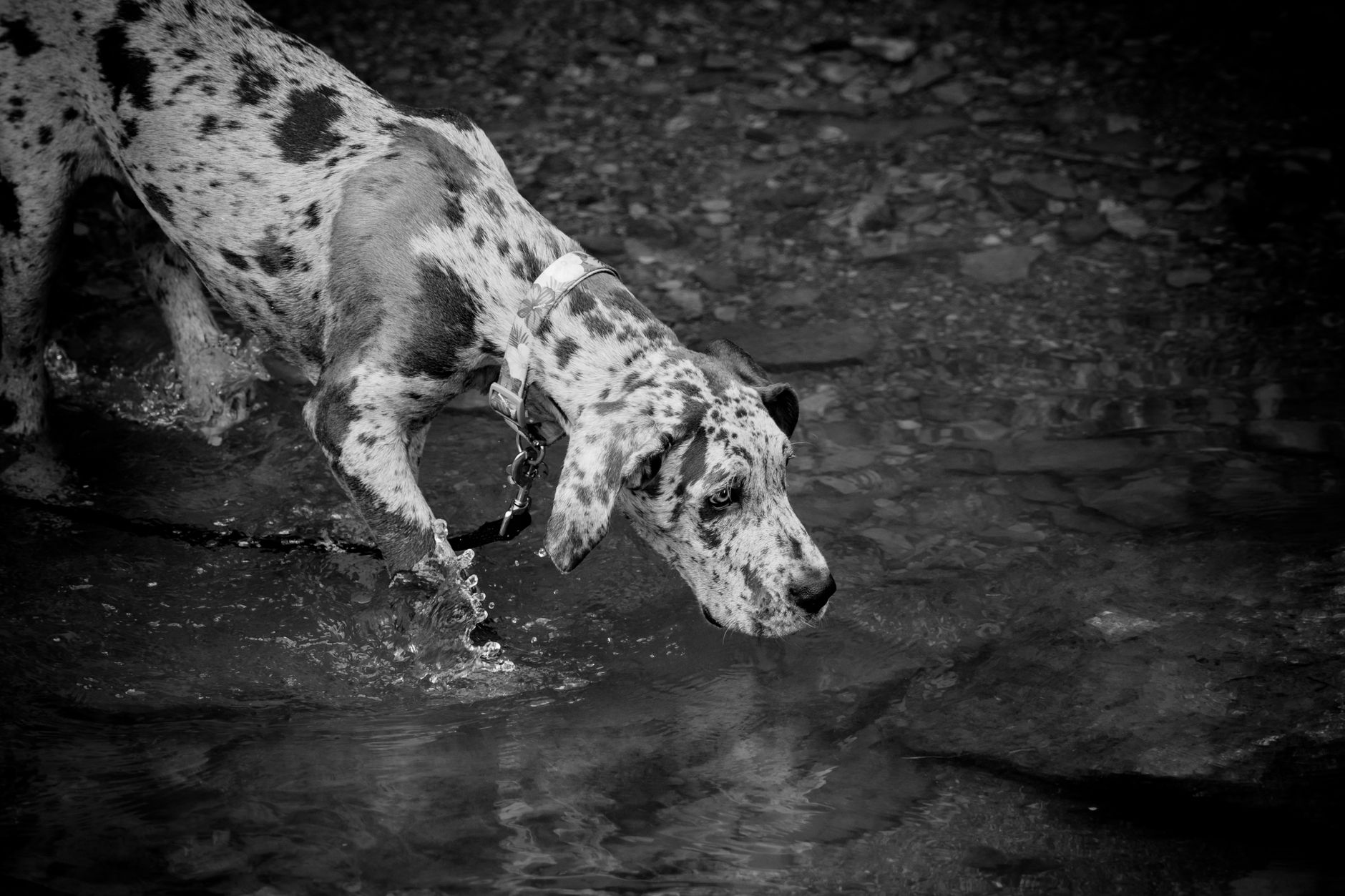
At one year old, many owners assume their Great Dane is fully grown. However, in my clinical experience, they are only about eighty percent of their final adult weight, even if they have reached close to their adult height.
Between twelve and twenty-four months, their growth plates finally close. The distal radial and ulnar growth plates near the wrist are typically the last of the limb plates to close, usually around fifteen to eighteen months of age.
Until these growth plates are fully sealed, high-impact activities like agility, long-distance running, or frisbee should remain off the table. I always perform a thorough orthopedic exam at the one-year mark to assess joint alignment and mobility before giving the green light for increased physical activity.
- Skeletal growth plates generally close between 12 and 18 months of age
- Great Danes will continue to grow in height very slowly during this second year
- Gradually transition from giant-breed puppy food to an appropriate adult formula
- Continue to avoid prolonged running on concrete or hard pavement
- Regular veterinary checks are vital to monitor for silent joint deviations
The Fill-Out Phase: 2 to 3 Years
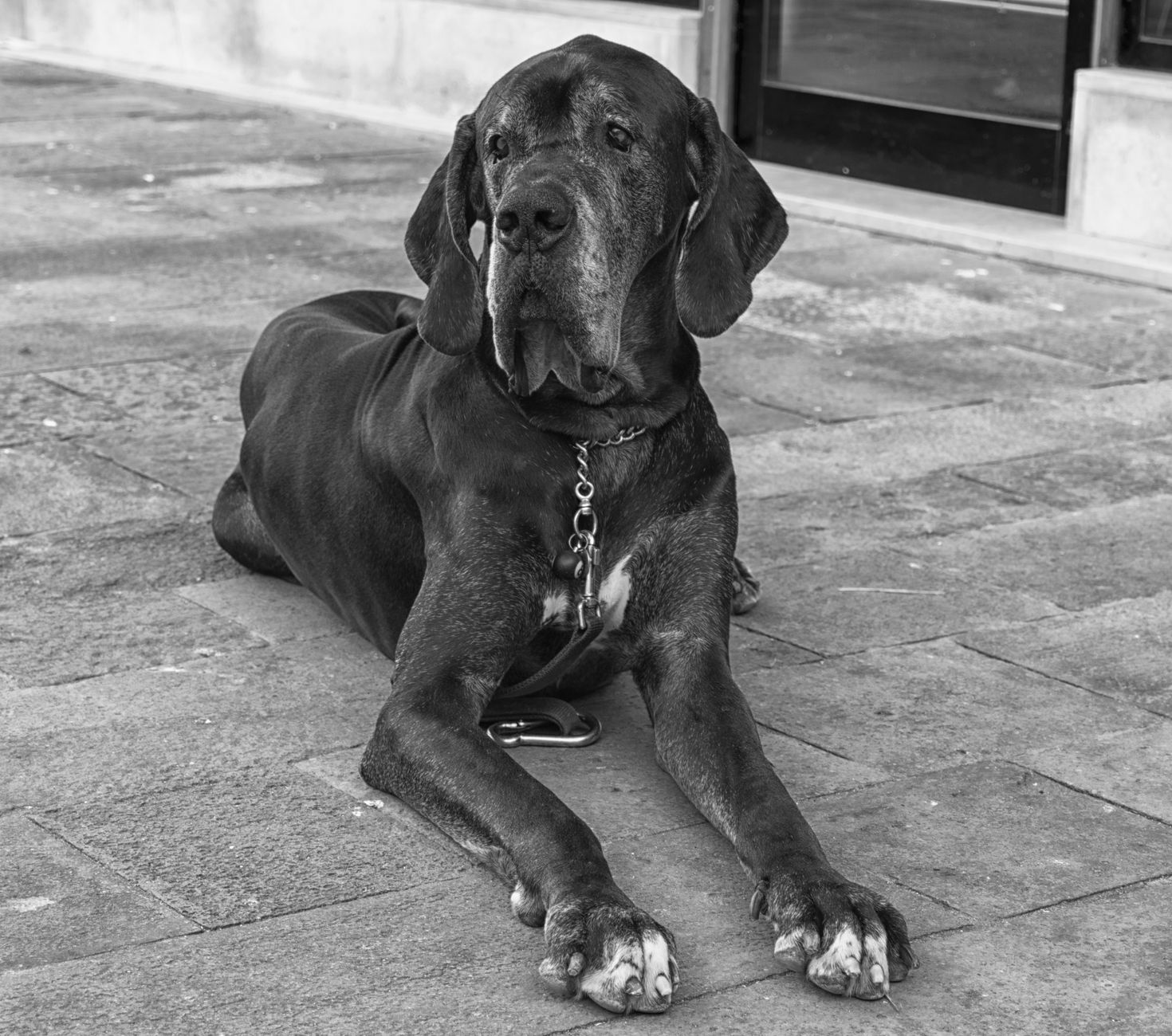
This is the rewarding phase where your lanky, gangly teenager finally transforms into the majestic, muscular adult Great Dane they were meant to be. Between two and three years of age, their chest will deepen, their shoulders will widen, and they will pack on clean muscle mass.
During this phase, they typically gain another fifteen to thirty pounds of pure muscle and structural tissue. Their calorie requirements may actually stabilize or decrease slightly as their metabolic rate slows down from its puppyhood peak.
I must warn owners that a deeper chest also brings a significantly increased risk of Gastric Dilatation-Volvulus (GDV), commonly known as bloat. This is a life-threatening emergency that occurs when the stomach fills with gas and twists on its axis.
The Deepening Chest and GDV Risk
As the chest cavity expands downward and outward during this phase, the stomach has more room to rotate. I highly recommend discussing a prophylactic gastropexy—a surgical procedure that tacks the stomach to the abdominal wall—when your dog is neutered or spayed.
Muscle Mass vs. Unhealthy Fat
Do not mistake fat for muscle as your Dane fills out. You should always be able to easily feel their ribs without pressing hard, and they should maintain a distinct waistline when viewed from above.
Dr. Heller’s Golden Rules of Giant Breed Nutrition
If there is one thing I repeat daily to my giant-breed clients, it is this: slow growth is healthy growth. Trying to make your Great Dane puppy grow faster by overfeeding them is a recipe for orthopedic disaster.
The key to preventing skeletal disorders is limiting their energy intake and strictly managing their calcium and phosphorus levels. Giant breed puppy foods are specifically formulated to have lower fat and caloric density, along with a highly precise calcium-to-phosphorus ratio.
Never supplement a growing Great Dane puppy with extra calcium, vitamin D, or bone meal. Doing so disrupts their natural bone remodeling process and can lock in skeletal deformities that require major orthopedic surgery to correct.
- Choose diets labeled specifically for giant or large breed puppies
- Keep the calcium content strictly between 1.1% and 1.5% on a dry matter basis
- Avoid free-feeding; always measure meals using a standard measuring cup
- Maintain a lean body condition where the last two ribs are faintly visible
- Avoid raw diets for growing puppies unless formulated by a veterinary nutritionist

Clinical Red Flags: What to Watch For
Because Great Danes grow so quickly, orthopedic problems can escalate from minor soreness to permanent structural damage in a matter of days. You must be highly vigilant during their first eighteen months of life.
If you notice your puppy limping, lagging behind on walks, or struggling to stand up after a nap, do not assume it is just growing pains. There is no such benign clinical diagnosis as ‘growing pains’; these symptoms almost always indicate an underlying pathology that requires medical intervention.
Early intervention is the difference between a simple medical management plan and a lifetime of chronic pain or expensive surgeries. If your Dane shows any signs of mobility issues, schedule an appointment immediately for an orthopedic exam and diagnostic radiographs.
- Persistent limping or favoring of one leg for more than 24 hours
- Swollen, warm, or painful joints to the touch
- Reluctance to stand up, climb stairs, or jump into the car
- An abnormal, bunny-hopping gait when running
- Sudden bowing of the front legs or outward flaring of the paws
Frequently Asked Questions
When do Great Danes stop growing?
Great Danes typically reach their full skeletal height by 12 to 18 months of age. However, they will continue to fill out, gain muscle, and broaden in the chest until they are between 2 and 3 years old.
How much should a 6-month-old Great Dane weigh?
A healthy 6-month-old Great Dane typically weighs between 70 and 100 pounds. Males are generally on the higher end of this range, while females tend to be slightly lighter.
Can I feed my Great Dane puppy standard adult dog food?
I do not recommend standard adult food or generic puppy food. You must feed a formula specifically designed for giant breed puppies to ensure the correct calcium-to-phosphorus ratio and caloric density.
Why does my Great Dane puppy have knobby wrists?
Rapidly growing Great Danes often have prominent, knobby-looking carpal joints. While this can be normal growth plate development, pronounced bowing or knuckling over is a warning sign of carpal laxity and requires immediate veterinary evaluation.
Is it safe to give my Great Dane puppy calcium supplements?
No, never give your growing Great Dane puppy calcium supplements. Excess calcium is a primary driver of developmental orthopedic diseases like OCD and HOD because giant breed puppies cannot regulate calcium absorption in their intestines.
Sources & Further Reading
Final Thoughts
Raising a Great Dane is an incredibly rewarding journey, but it requires diligent veterinary partnership and careful management during their explosive growth phases. By focusing on slow growth, feeding a clinically appropriate diet, and strictly regulating high-impact exercise, you can protect their vulnerable joints.
Remember that keeping them lean now secures their physical mobility for the future. If you are ever in doubt about your Dane’s growth rate or physical posture, please reach out to schedule an orthopedic evaluation.