
Scottish Fold Breed Guide
Quick Summary
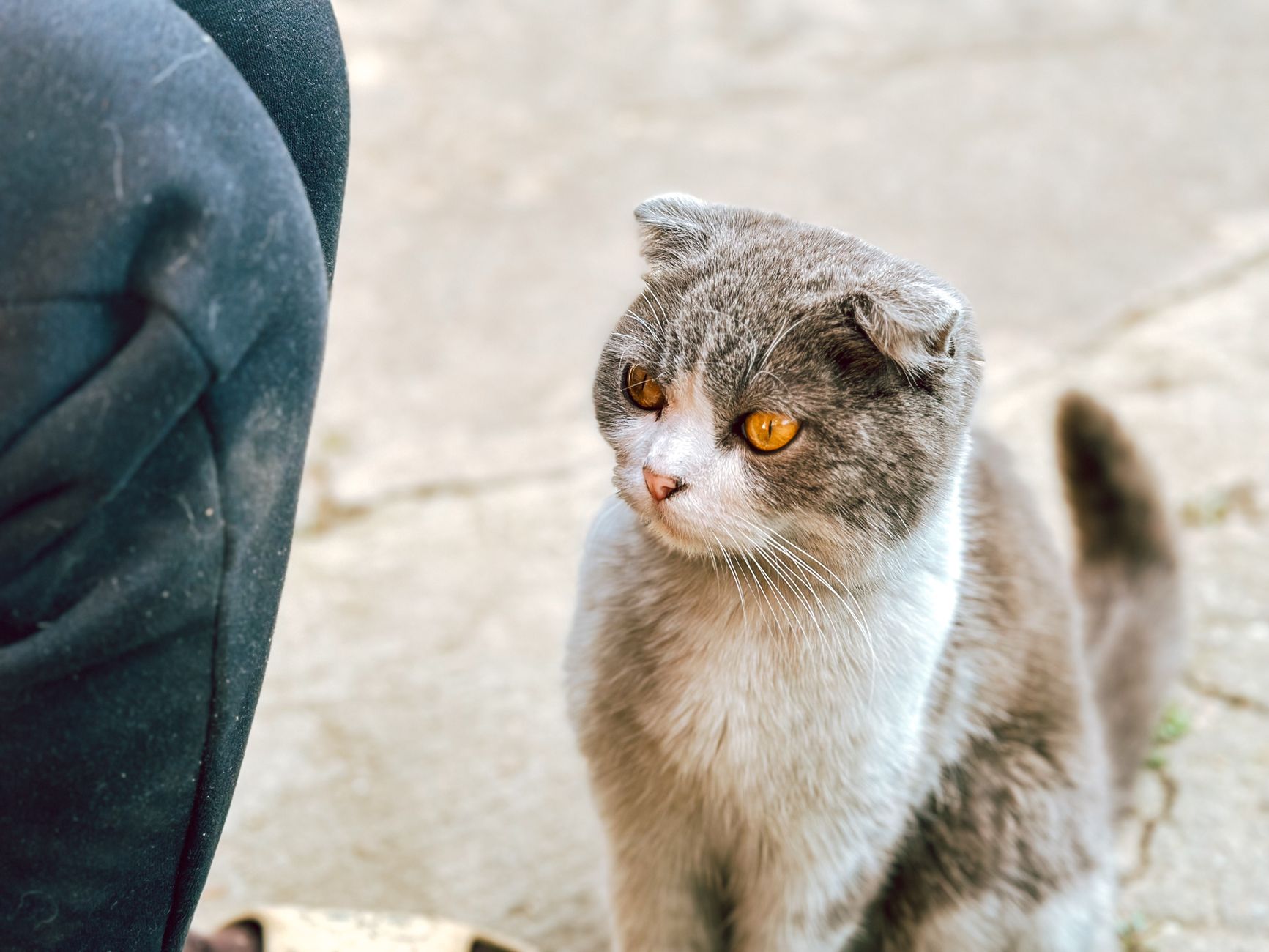
The Scottish Fold is a sweet-tempered, owl-faced companion famous for its folded ears and charming habit of sitting flat on its hind legs. Best suited for attentive owners who can provide consistent joint care, these gentle cats offer quiet devotion and thrive in calm, loving households.
Quick Facts
- origin countryScotland
- breed groupShorthair & Longhair (Highland Fold)
- sizeMedium
- weight range6 to 13 lbs
- height range8 to 10 inches
- lifespan11 to 15 years
- coat typeDense, plush short hair or semi-long hair
- common colorsBlue, white, black, silver tabby, cream, and cameo
- other namesHighland Fold (longhair), Coupari
- recognized byCFA, TICA, ACFA, AACE
Caring for a Scottish Fold
Living with a Scottish Fold is an exercise in quiet companionship; they love following you from room to room without demanding constant attention. In my experience, they adapt beautifully to indoor life, but their unique genetic makeup means you must keep a close eye on their mobility and joint health from day one. I always tell owners that maintaining a lean weight and offering plenty of ground-level enrichment is the key to keeping these gentle cats comfortable and happy.
Is a Scottish Fold a good family pet?
Absolutely, as they possess a remarkably sweet and tolerant disposition. They do best in calmer households where children know how to handle them gently, particularly avoiding any rough play with their sensitive tails or joints.
Do Scottish Folds shed a lot?
They are moderate shedders year-round, but their dense, plush double coat traps loose hair easily. You will need to brush them at least twice a week to keep dead hair off your furniture and prevent painful matting.
Is a Scottish Fold good for first-time owners?
Yes, but only if the owner is fully educated on the breed’s genetic skeletal risks. While their sweet temperament makes them incredibly easy to live with, managing their long-term orthopedic health requires a proactive and committed owner.
Temperament & Personality
The Scottish Fold is characterized by its exceptionally mellow, affectionate, and unassuming nature. They are not demanding or loud, preferring to communicate with tiny, soft chirps and purrs. I’ve found they form deep bonds with their entire human family rather than just a single person, happily lounging nearby while you work or watch television.
Is a Scottish Fold good with other pets?
In my experience, Folds are highly adaptable and get along famously with other cats and cat-friendly dogs. Their non-confrontational attitude helps them integrate smoothly into multi-pet households.
How much attention does a Scottish Fold need?
They don’t demand constant interactive play, but they hate long stretches of isolation. They are happiest when they can simply be in the same room as you, supervising your daily activities.
Training & Behavior
Scottish Folds are clever, observant cats that respond wonderfully to gentle, positive reinforcement. Because they are not high-energy athletes, training sessions should focus on mental stimulation rather than intense physical feats. I’ve found they love interactive food puzzles and can easily learn basic household routines.
Training Tips
- Use high-value, low-calorie treats to motivate them without causing weight gain.
- Keep training sessions short, ideally under five minutes, to match their focus.
- Incorporate food puzzle toys to stimulate their intelligent minds daily.
- Never use force or raise your voice, as they are highly sensitive to negative energy.
Fun Activities
- Solving interactive treat puzzle boards
- Gentle feather wand play at ground level
- Learning simple commands like ‘sit’ and ‘come’
- Watching birds from a low, easily accessible window perch
- Cuddling on the couch in their famous ‘Buddha position’
Is a Scottish Fold easy to train?
Yes, they are highly intelligent and eager to please, making them very receptive to basic training. They pick up on litter box habits and scratching post rules incredibly quickly with positive reinforcement.
Scottish Fold Health Issues
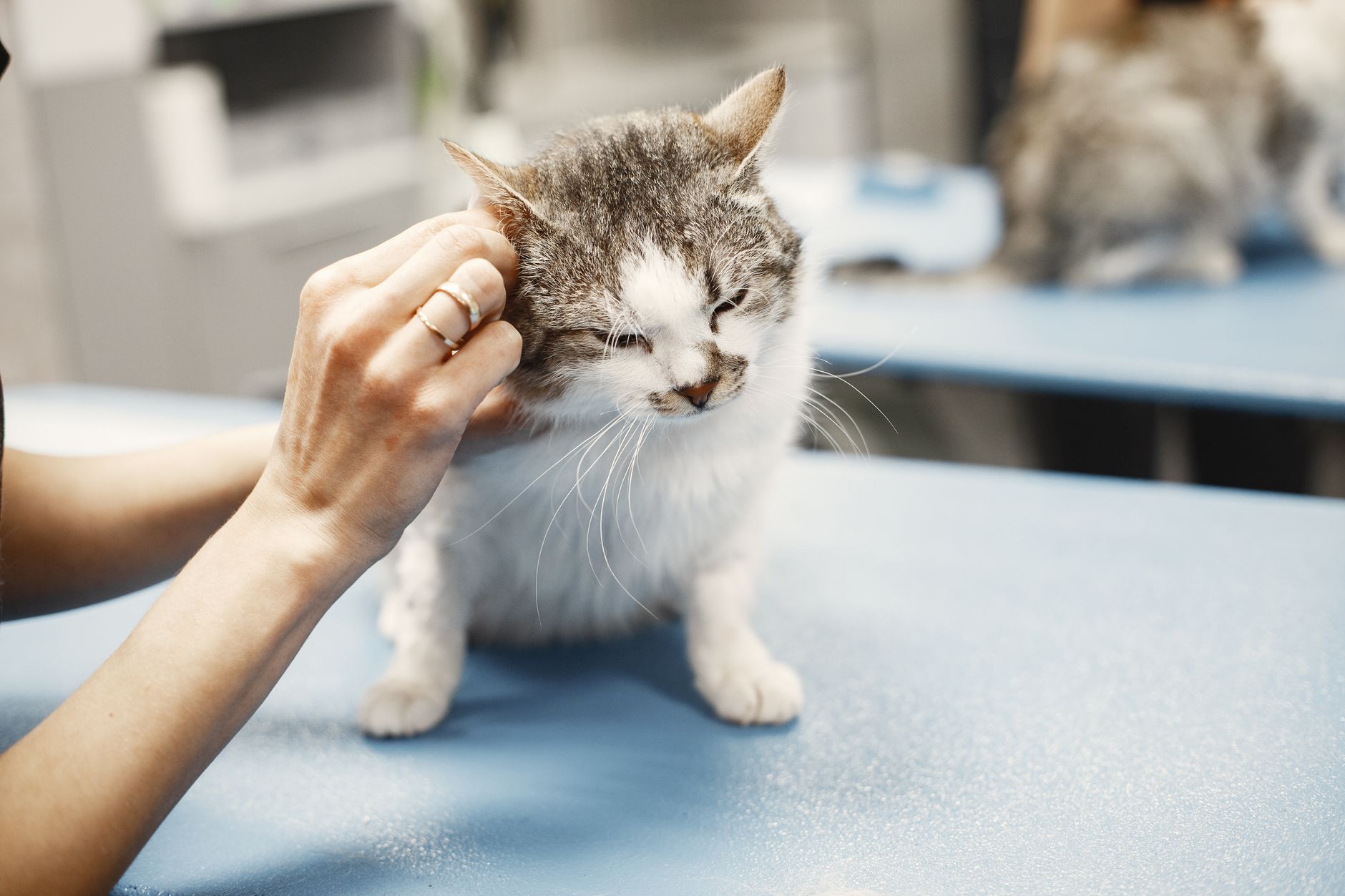
While they are sweet and loyal companions, the gene that causes their signature folded ears also impacts their skeletal health. Prospective owners must work closely with a veterinarian to monitor joint mobility and general physical comfort throughout the cat’s life.
Osteochondrodysplasia (SFOCD)
A degenerative joint disease that affects cartilage and bone development across the body, caused by the same gene responsible for the folded ears. It can lead to painful arthritis, fused bones in the tail and ankles, and progressive lameness.
Polycystic Kidney Disease (PKD)
An inherited condition where fluid-filled cysts form in the kidneys, gradually multiplying and growing over time, eventually leading to kidney failure.
Hypertrophic Cardiomyopathy (HCM)
A common feline heart disease characterized by the thickening of the heart muscle walls, which impairs cardiac efficiency and can lead to heart failure.
Otitis Externa
Inflammation or infection of the outer ear canal, which occurs more frequently in Folds because the folded ear flap restricts airflow and traps moisture and wax.
How long do Scottish Folds typically live?
With excellent veterinary care, a high-quality diet, and proactive joint management, Scottish Folds typically live between 11 and 15 years.
What to Feed a Scottish Fold
Keeping a Scottish Fold lean is absolutely vital; any excess weight puts unnecessary, painful pressure on their compromised joints. I recommend structured meal times rather than leaving food out all day.
Best Diet
A moisture-rich, high-protein wet food diet is ideal to support kidney health and muscle mass. Look for formulas fortified with joint-supporting nutrients like glucosamine, chondroitin, and Omega-3 fatty acids.
How to Feed
Feed your Fold two to three measured meals a day rather than free-feeding. Using puzzle feeders is an excellent way to slow down their eating while providing low-impact mental exercise.
How Much to Feed
Adult Folds typically require about 200 to 250 calories per day, depending on their weight and activity level. Always consult your veterinarian to calculate exact portions to prevent obesity.
Nutritional Tips
Incorporate high-quality marine oil supplements, such as wild caught salmon oil, to support joint lubrication and cartilage health. Ensure they have access to a clean pet fountain to encourage hydration.
Scottish Fold Grooming Guide
Grooming a Scottish Fold is a wonderful bonding experience that requires regular coat care and diligent attention to their unique ears. Keeping up with a routine prevents painful matting and catches ear infections before they escalate.
Coat Care
Brush shorthaired Folds twice a week with a slicker brush or grooming glove to remove loose undercoat. Longhaired Highland Folds require brushing three to four times a week to prevent tangles.
Skin Care
Check the skin folds around the ears and neck to ensure they stay dry and free from irritation or yeast buildup.
Eye Care
Wipe away any corner-of-the-eye tearing with a damp, soft cloth, using a clean section of the cloth for each eye to avoid spreading potential infections.
Ear Care
Inspect the folded ears weekly; use a vet-approved, gentle ear cleaner on a cotton ball to carefully wipe away dirt, taking care never to insert cotton swabs into the canal.
Nail & Dental Care
Trim their nails every two to three weeks to prevent them from snagging, and brush their teeth daily with feline-safe toothpaste to ward off periodontal disease.
Considerations for Pet Parents
Pros
- Incredibly sweet, gentle, and quiet temperament
- Unique, charming owl-like appearance
- Highly adaptable to apartment and indoor living
- Form deep, affectionate bonds with all family members
- Generally quiet with a soft, pleasant voice
- Love entertaining human-like sitting postures
Cons
- High risk of hereditary skeletal joint issues (SFOCD)
- Require lifelong ear monitoring and cleaning
- Can be highly expensive to purchase and care for medically
- Unsuited for high-energy or rough-and-tumble households
Best For
Calm, attentive owners who can afford regular veterinary care, prioritize preventative joint health, and want a quiet, devoted indoor companion.
Not Recommended For
Those looking for an athletic, high-energy cat, busy households where the cat will be left alone for long stretches, or owners on a tight budget who cannot support potential chronic health needs.
Cost
- purchase price$1,500 – $3,000
- monthly cost$120 – $250
- initial setupExpect to spend $500 to $800 initially on orthopedic bedding, scratching posts, grooming tools, and vet-approved joint supplements.
Similar Breeds

British Shorthair

American Shorthair
Scottish Fold FAQs
Why do Scottish Folds have folded ears?
Their ears fold due to an incomplete dominant gene mutation that affects the cartilage development in their body, making the ear cartilage too weak to support the ear flap.
Are all Scottish Folds born with folded ears?
No, all Scottish Fold kittens are born with straight ears. If they carry the gene, their ears will typically begin to fold between 18 and 24 days of age.
What is a Scottish Straight?
A Scottish Straight is a kitten from a Fold litter whose ears remain straight. They still possess the lovely temperament of the breed and are vital for breeding programs to keep the breed healthy.
Is breeding two folded-ear cats safe?
No, breeding two folded-ear cats is highly unethical. It produces homozygous kittens who will develop severe, painful, and progressive osteochondrodysplasia at a very young age.
Do their ears get dirty more easily than other cats?
Yes, because the folded flap restricts airflow, trapping moisture, wax, and debris. This environment makes them more susceptible to ear infections, requiring weekly inspections.
Can Scottish Folds still move their ears?
Yes, they can still flare, pivot, and flatten their ears to express emotion, though their physical range of motion is slightly more limited than a straight-eared cat.
What is the ‘Buddha position’?
It is a famous posture where the Scottish Fold sits flat on its rump with its hind legs stretched out and its front paws on its belly, which may help relieve pressure on their joints.
Are they high-energy cats?
No, they are moderately active. They enjoy brief, gentle play sessions but generally prefer lounging close to their human companions.
Do Scottish Folds get along with dogs?
Yes, their calm and unfazed nature makes them excellent companions for gentle, cat-friendly dogs when introduced properly.
Do they suffer from a lot of health problems?
They are genetically predisposed to joint and skeletal issues (SFOCD) due to the ear-folding gene, alongside risks of PKD and HCM, making proactive vet care essential.
How can I tell if my Scottish Fold is in pain?
Watch for a stiff or short tail, reluctance to jump, a bunny-hopping gait, sleeping more than usual, or irritability when touched near their lower back or tail.
Why are Scottish Folds banned by some registries?
Some registries, like the GCCF and FIFe, refuse to recognize the breed due to welfare concerns regarding the painful genetic joint disorders tied directly to the folded-ear mutation.
Do they shed a lot of dander?
They produce a normal amount of dander and have a thick double coat that sheds moderately, meaning they are not considered hypoallergenic.
How often should I groom a longhair Scottish Fold?
At least three to four times a week to prevent the soft, dense undercoat of the Highland Fold from developing painful mats and tangles.
Can Scottish Folds live outdoors?
I strongly advise keeping them strictly indoors. Their compromised joint health makes escaping predators or navigating outdoor physical hazards highly difficult and dangerous.