
Staffordshire Bull Terrier Breed Guide

Quick Summary
The Staffordshire Bull Terrier is an incredibly affectionate, muscular athlete that thrives on human companionship and is famous for its affinity with children. In my practice, I find they are best suited for active, engaged owners who can provide consistent training and redirect their powerful physical energy. They are not suited for hands-off owners or those looking for an outdoor-only dog, as they crave being an integral part of the family dynamic.
Quick Facts
- origin countryUnited Kingdom
- breed groupTerrier
- sizeMedium
- weight range24 to 38 lbs (11 to 17 kg)
- height range14 to 16 inches (35.5 to 40.5 cm)
- lifespan12 to 14 years
- coat typeShort, smooth, close-pressing
- common colorsRed, fawn, white, black, blue, or brindle; any of these colors with white
- other namesStaffy, Staffie, SBT
- recognized byAKC, UKC, KC, FCI
Caring for a Staffordshire Bull Terrier
Living with a Staffie means managing a high-octane athlete who has absolutely no concept of personal space. In my years treating this breed, I have found that their physical needs are easily met with daily structured exercise, but their emotional need for human contact is what truly defines them. They are prone to separation anxiety if left isolated for long stretches, so their day-to-day routine must include close family integration. Because of their powerful jaws, a safe environment requires heavy-duty chew toys rather than standard plushies, which they will easily swallow and turn into surgical emergencies.
Is a Staffordshire Bull Terrier a good family pet?
Absolutely, they are historically known as ‘nanny dogs’ because of their remarkable patience and affection toward children. However, because they are incredibly strong and enthusiastic, I always advise parents to supervise interactions to prevent accidental knock-downs. Their deep desire to please makes them exceptional companions for active households.
Do Staffordshire Bull Terriers shed a lot?
They are low to moderate shedders with a single, short coat that does not require heavy maintenance. You will experience some mild, needle-like shedding year-round, which can be easily managed with a weekly brushing session using a rubber curry brush. They do not have a dense undercoat, so they do not blow their coats seasonally.
Is a Staffordshire Bull Terrier good for first-time owners?
I generally recommend them for owners who have some dog experience or are highly committed to professional training. Their sheer physical strength, terrier tenacity, and potential for dog-reactivity can overwhelm an unprepared novice. A first-time owner must be dedicated to early socialization and firm, positive boundaries from day one.
Temperament & Personality

The Staffie possesses a dual nature: they are courageously robust on the outside, yet incredibly sensitive and eager to please on the inside. What I see most often in practice is their profound vulnerability to their owner’s emotions; they shut down quickly under harsh discipline. They are notoriously social with humans but can retain a high prey drive and selective attitude toward other dogs. This is a breed that loves hard, play-fights enthusiastically, and wants nothing more than to curl up directly on your lap.
Is a Staffordshire Bull Terrier good with other pets?
This is a common clinical discussion; while they can co-exist beautifully with household pets if raised together, they possess a strong prey drive and terrier instinct. Dog-on-dog selectivity or reactivity can develop as they reach social maturity around 18 to 24 months. I always tell owners to proceed with caution at off-leash dog parks and manage introductions carefully.
How much attention does a Staffordshire Bull Terrier need?
Staffies are high-maintenance when it comes to emotional demands and crave constant proximity to their humans. They do not do well as outdoor dogs or in households where they are ignored for eight hours a day. Left alone too long, they will often vent their frustration by destructively chewing furniture or digging.
Training & Behavior
Training a Staffie requires an understanding of their intense physical drive and highly sensitive ego. They respond exceptionally well to positive reinforcement, clicker training, and high-value food rewards, whereas physical corrections will cause them to shut down or become anxious. In my experience, focusing on impulse control from puppyhood is the absolute key to managing their enthusiastic leaps and strong pulling habits.
Training Tips
- Begin crate training early to prevent destructive chewing.
- Focus heavily on impulse control exercises like ‘wait’ and ‘leave it’.
- Use positive reinforcement and avoid physical corrections.
- Expose them to diverse, controlled social situations before 16 weeks.
- Train a reliable loose-leash walk early before they reach full muscle mass.
Fun Activities
- Agility trials
- Flyball
- Weight pulling (structured and veterinary-approved)
- Scent work
- Canicross
- Interactive puzzle games
Is a Staffordshire Bull Terrier easy to train?
Yes, they are highly intelligent and eager to please, making them very receptive to training when positive methods are used. However, their innate terrier stubbornness and high energy levels mean you must keep sessions short, engaging, and consistent. If they find a task boring, they will quickly invent their own games.
Staffordshire Bull Terrier Health Issues

Generally, the Staffordshire Bull Terrier is a remarkably robust and athletic breed with a solid skeletal structure. However, they are genetically predisposed to several specific hereditary conditions that owners must screen for to avoid heartbreak and high veterinary bills.
L-2-Hydroxyglutaric Aciduria (L-2-HGA)
A metabolic disorder affecting the central nervous system, caused by a genetic mutation that prevents the breakdown of a specific organic acid.
Hereditary Cataracts (HC)
An inherited eye disease that causes bilateral clouding of the lenses, leading to progressive blindness at an early age.
Atopic Dermatitis (Skin Allergies)
An overactive immune response to environmental allergens like pollen, mold, and dust mites, which is highly prevalent in this breed and often requires long-term therapy.
Hip and Elbow Dysplasia
Developmental malformations of the hip or elbow joints that lead to painful osteoarthritis and joint laxity, exacerbated by excess weight.
Patellar Luxation
A condition where the kneecap slips out of its normal anatomical groove, common in active, muscular breeds.
How long do Staffordshire Bull Terriers typically live?
With proper nutrition, regular veterinary care, and genetic screening, a healthy Staffie typically enjoys a lifespan of 12 to 14 years. Keeping them lean and managing their joint health as they age are the best ways to ensure a long, comfortable life.
What to Feed a Staffordshire Bull Terrier
Staffies are muscular, high-energy dogs that require a nutrient-dense diet to maintain their lean body mass. Because they are prone to joint issues and food-related skin allergies, their caloric intake and ingredient selection must be carefully monitored.
Best Diet
I recommend a high-quality, high-protein diet formulated for active, medium-sized breeds. If your Staffie displays signs of atopic dermatitis, a novel protein source (like venison or kangaroo) or a hydrolyzed diet may be necessary under veterinary supervision.
How to Feed
Split their daily ration into two distinct meals, morning and evening, to prevent digestive upset and manage energy levels. Avoid using self-feeders, as this breed has an excellent appetite and will easily become obese if food is left out.
How Much to Feed
Portion sizes typically range from 1.5 to 2.5 cups of dry kibble daily, depending on weight and activity level. Always consult your veterinarian to calculate exact caloric needs, especially since neutering can lower their metabolic rate.
Nutritional Tips
Incorporate omega-3 fatty acid supplements (like high-quality fish oil) to support their skin barrier and joint health. Avoid overfeeding treats; instead, use portions of their daily kibble allowance or baby carrots for training rewards.
Staffordshire Bull Terrier Grooming Guide
The Staffie is a wonderfully low-maintenance breed when it comes to coat care, making them ideal for owners who dislike intensive grooming schedules. However, their prone-to-allergies skin means you must pay close attention to dermatological hygiene.
Coat Care
Brush their short coat once a week with a rubber curry brush or soft bristle brush to remove loose hairs and distribute skin oils. Wipe them down with a damp cloth after outdoor activities to remove environmental allergens.
Skin Care
Bathe them every 4 to 6 weeks using a gentle, hypoallergenic or oatmeal-based shampoo to avoid stripping their natural skin barrier. If they have active allergy flares, your vet may prescribe a medicated chlorhexidine shampoo.
Eye Care
Keep the corners of their eyes clean by wiping away any daily discharge with a damp, soft cloth. Contact your vet immediately if you notice excessive tearing, cloudiness, or squinting.
Ear Care
Inspect their ears weekly for redness, odor, or wax buildup, which are common secondary signs of environmental allergies. Clean them with a vet-approved, pH-balanced ear cleaner, avoiding cotton swabs.
Nail & Dental Care
Trim their nails every 3 to 4 weeks using a dremel or heavy-duty clippers, as their highly active lifestyle demands short, strong nails. Brush their teeth at least three times a week with dog-safe toothpaste to prevent periodontal disease.
Considerations for Pet Parents
Pros
- Extremely loyal and deeply affectionate with family
- Excellent with children (‘nanny dog’ reputation)
- Low-maintenance grooming requirements
- Highly intelligent and responsive to positive training
- Compact, athletic size suitable for various living spaces
- Generally robust health when properly screened
Cons
- Can display strong dog-reactivity or selective behaviors
- Prone to severe separation anxiety if isolated
- Extremely powerful chewers requiring durable toys
- Highly sensitive to extreme heat due to short muzzle
- Prone to environmental skin allergies
Best For
Active families, experienced handlers, or dedicated owners who can integrate a highly affectionate dog into their daily life, provide structured mental stimulation, and commit to consistent, positive socialization.
Not Recommended For
Sedentary households, individuals who work long hours away from home without a pet sitter, or those who expect an outdoor dog or a social butterfly that automatically loves every strange dog it meets.
Cost
- purchase price$1,500 – $3,500 USD
- monthly cost$100 – $250 USD
- initial setupBudget for high-quality crates, indestructible chew toys, and obedience classes, which can total $500 – $1,000 initially.
Similar Breeds
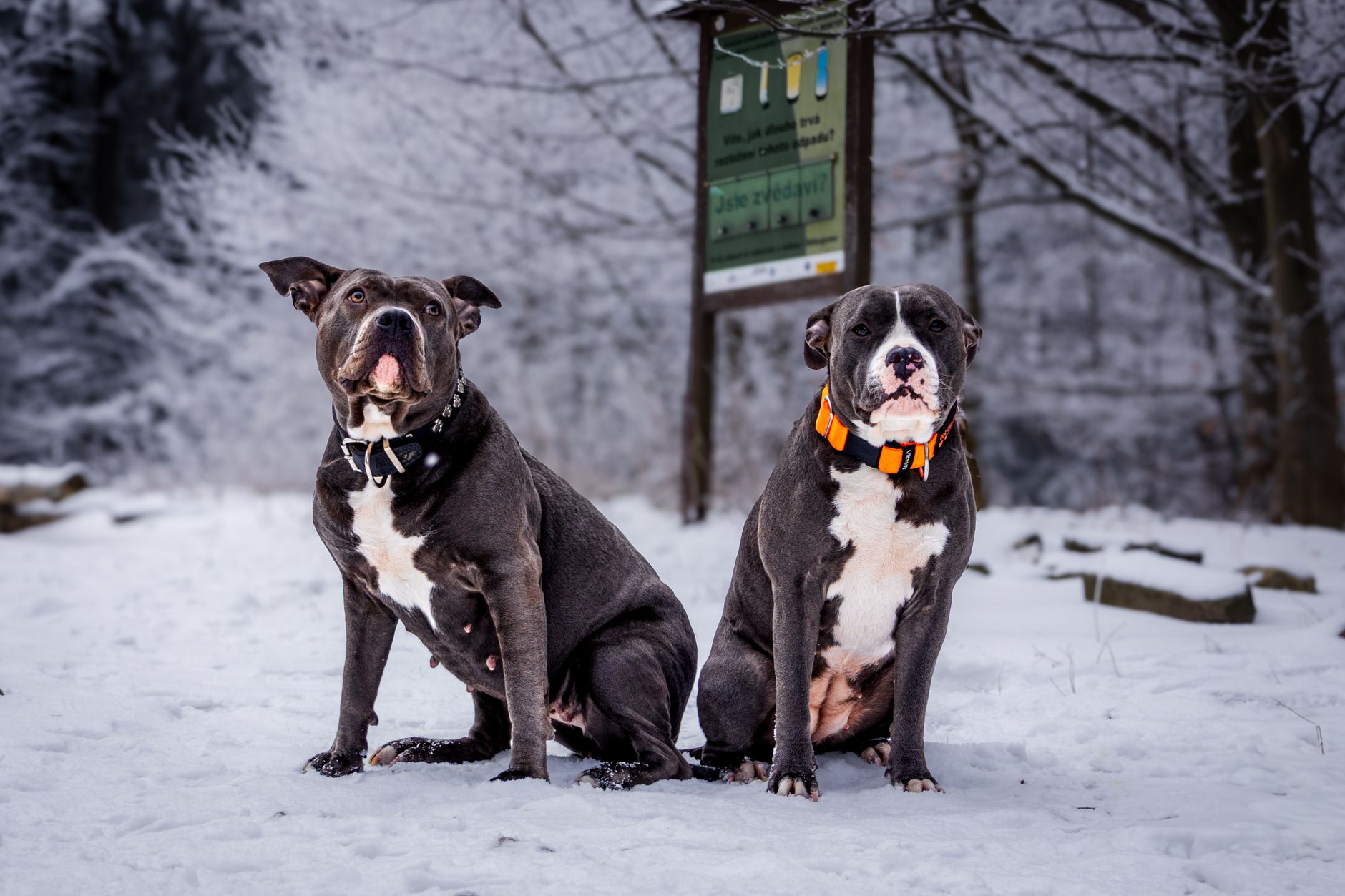

Staffordshire Bull Terrier FAQs
Are Staffordshire Bull Terriers aggressive?
As a vet, I can tell you that aggression is not an inherent breed trait; they are selectively bred to love humans. However, their physical strength and historical background mean they can have dog-directed reactivity, which highlights the critical importance of early socialization and training.
What is the difference between a Staffie and an AmStaff?
While they share ancestry, the Staffordshire Bull Terrier (Staffie) is a British breed that is smaller and lighter (generally under 38 lbs), while the American Staffordshire Terrier (AmStaff) is larger, taller, and heavier (often up to 70 lbs).
Do Staffies drool a lot?
Unlike some mastiff breeds, Staffies are tight-lipped and do not drool excessively. You might see some drool when they are watching you prepare their food or during intense physical exercise in hot weather.
Are Staffies good apartment dogs?
Yes, their compact size makes them suitable for apartment living, provided they receive adequate daily exercise. They are relatively quiet indoors, but they must have outlets for their mental and physical energy.
Can Staffies swim?
Generally, no; their dense bone structure, heavy muscle mass, and relatively short snout make them poor swimmers. I always advise my clients to put a life jacket on their Staffie when near pools or open water.
How much exercise does a Staffie need daily?
They need at least 60 to 90 minutes of active exercise daily, combining physical walks with mental stimulation like nose work or puzzle toys. A simple stroll around the block is rarely enough for this athletic breed.
Why does my Staffie chew everything?
Staffies have incredibly powerful jaws and a high chewing drive that stems from their terrier ancestry. If not provided with safe, virtually indestructible toys, they will chew furniture, shoes, or drywall out of boredom.
Are Staffies prone to cold weather?
Yes, their short, single coat provides very little insulation against the cold. In winter temperatures, I recommend dressing them in a dog fleece or jacket for walks and keeping outdoor sessions brief.
Are they prone to heat stroke?
Yes, because of their muscular build and short muzzle, they struggle to cool themselves efficiently in high humidity and heat. Limit intense exercise during the hottest parts of summer days.
Can they be left alone during the work day?
Not for extended periods; they are highly prone to separation anxiety. If you must leave them, keep it under 4 hours, or utilize a dog walker or doggy daycare to prevent stress-related destruction.
Why do Staffies get a bad reputation?
Their history as pit dogs and physical resemblance to other bull breeds leads to unfair stereotyping. In reality, they are remarkably gentle with humans, but their power means irresponsible ownership can have serious consequences.
What age do Staffies calm down?
Most Staffies maintain their puppy-like enthusiasm until about 2 to 3 years of age, when they reach physical and mental maturity. Even as adults, they will remain energetic but will develop a more manageable off-switch.
Do Staffies bark a lot?
No, they are generally not vocal dogs and rarely bark without a clear reason, such as alerting you to someone at the door. However, they do make a variety of funny snorting, grunting, and ‘talking’ noises.
Can Staffies live with cats?
They can co-exist with cats if raised together from puppyhood and carefully managed. However, due to their innate terrier prey drive, you should never leave them unsupervised with small animals.
Sources & Further Reading
- American Kennel Club (AKC)
- Merck Veterinary Manual
- American Veterinary Medical Association (AVMA)
- PetMD