
Burmese Breed Guide

Quick Summary
The Burmese is an exceptionally social, high-energy companion known for its dog-like devotion, playful nature, and striking ‘brick wrapped in silk’ weight. This breed craves human interaction above all else, making them perfect for active households, families, and owners who work from home and want a constant, loving shadow.
Quick Facts
- origin countryMyanmar (Burma) / United States
- breed groupShorthair
- sizeMedium, muscular and compact
- weight range6 to 12 lbs (males are notably heavier, often feeling surprisingly dense)
- height range9 to 12 inches
- lifespan12 to 16 years (many live into their late teens)
- coat typeShort, fine, satin-like, and glossy
- common colorsSable (rich dark brown), Champagne, Blue, and Platinum
- other namesNone (though closely related to the European Burmese, which has different breed standards)
- recognized byCFA, TICA, FIFe, GCCF, ACFA
Caring for a Burmese
Living with a Burmese is less like owning a cat and more like sharing your home with an interactive toddler who never quite grows up. In my experience, these cats do not tolerate being ignored; they will follow you from room to room, sit on your shoulders, and inspect everything from your morning coffee to your laptop. They thrive on physical affection and mental stimulation, meaning you must be prepared to integrate them into your daily activities. Because they are highly social, they can become deeply distressed and exhibit separation anxiety if left alone for long stretches of time.
Is a Burmese a good family pet?
Absolutely. I’ve found that their robust build and incredibly outgoing, patient nature make them fantastic companions for gentle children and active households.
Do Burmeses shed a lot?
No, they are very low-shedding cats. Their single coat is short and fine, meaning a quick weekly brushing is usually more than enough to manage loose hairs.
Is a Burmese good for first-time owners?
They can be excellent for beginners who want an interactive, dog-like pet, but only if the owner is fully prepared for a cat that demands constant attention and cannot be left alone all day.
Temperament & Personality
If you want a quiet, aloof cat that sits decoratively on a windowsill, the Burmese is absolutely not the breed for you. I always tell prospective owners that the Burmese is a social dynamo with zero concept of personal space. They are intensely affectionate, incredibly curious, and maintain a kitten-like playfulness well into their senior years. They form deep emotional bonds with their human family and are known to greet visitors at the door like a welcoming puppy.
Is a Burmese good with other pets?
Yes, they are highly gregarious and typically thrive in homes with other cats or cat-friendly dogs. In fact, having a companion pet is highly recommended if you work long hours.
How much attention does a Burmese need?
They need a significant amount of daily interaction. I’ve found that they expect to participate in your activities, cuddle during down times, and receive dedicated play sessions every day.
Training & Behavior
The Burmese is highly intelligent and responds incredibly well to positive reinforcement training. Because they are so food-motivated and eager to interact with humans, they can easily learn tricks that would baffle other breeds. I’ve successfully trained many Burmese cats to perform tasks that are typically reserved for dogs, provided the sessions are kept fun, short, and rewarding.
Training Tips
- Use clicker training paired with high-value treats like freeze-dried chicken.
- Keep training sessions short—under 5 minutes—to prevent boredom.
- Teach fetch early using lightweight, soft toys or crinkle balls.
- Never use physical punishment, as this will destroy their trusting bond with you.
Fun Activities
- Playing interactive fetch games
- Leash and harness walking in secure outdoor areas
- Navigating indoor agility courses
- Solving complex food puzzle toys
- Learning commands like ‘sit’, ‘high-five’, and ‘come’
Is a Burmese easy to train?
Yes, they are among the easiest cat breeds to train. Their intelligence and desire to please their humans make them highly receptive to clicker training and trick learning.
Burmese Health Issues
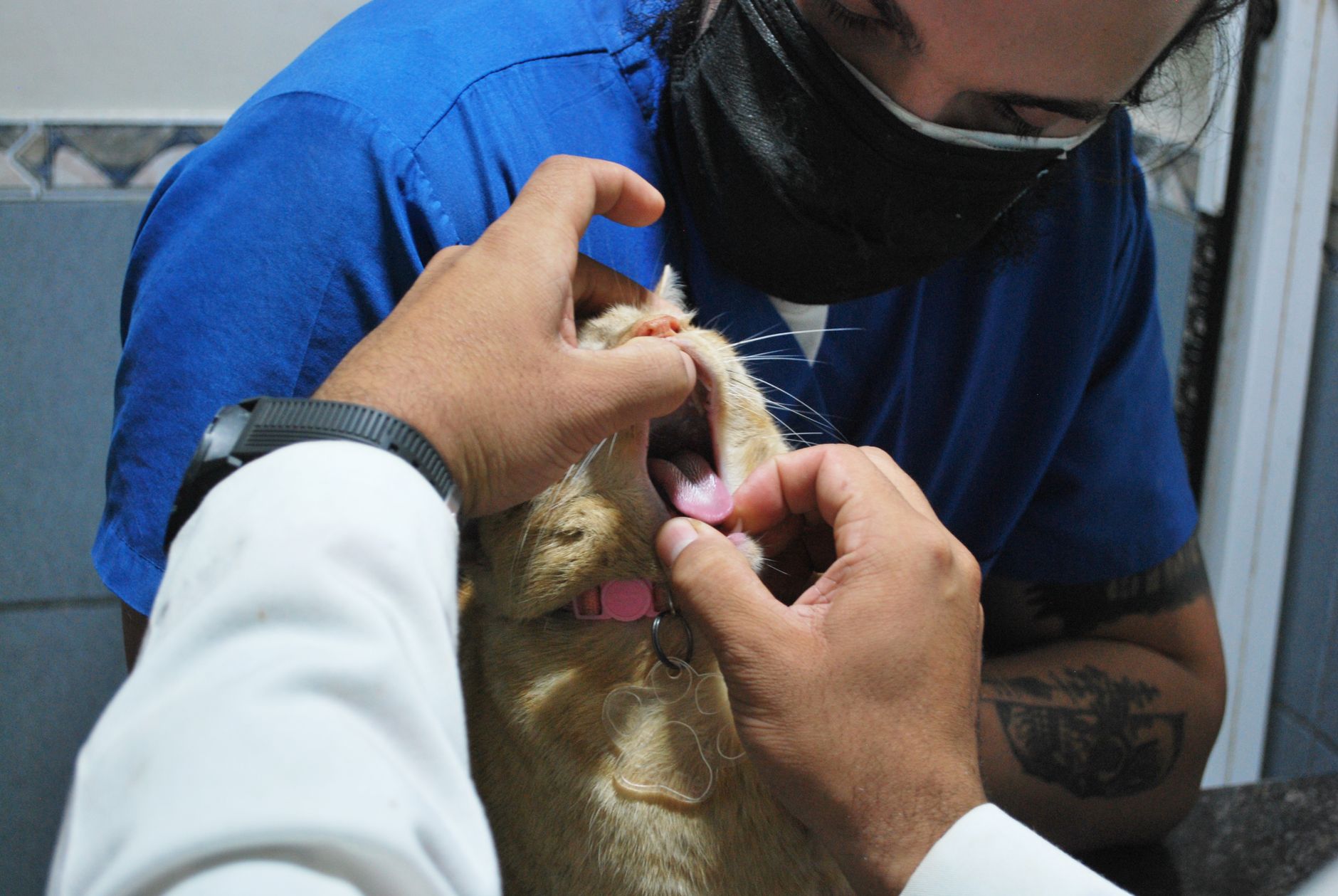
While the Burmese is generally a robust and long-lived breed, they are genetically predisposed to several specific inherited health issues. Responsible breeders screen their lines carefully, but owners should always work closely with a veterinarian to monitor for early signs of disease.
Hypokalemia (Periodic Muscle Weakness)
An inherited genetic disorder that causes low potassium levels in the blood, leading to muscle weakness, a stiff gait, and difficulty holding up the head.
Burmese Head Defect
A severe congenital craniofacial deformity caused by a recessive gene. Responsible breeders test their breeding cats to ensure they are not carriers of this fatal mutation.
Diabetes Mellitus
Burmese cats, particularly those from European lines, have a higher genetic predisposition to developing type 2 diabetes, which affects how their bodies process glucose.
Feline Orofacial Pain Syndrome (FOPS)
A unique neuropathic pain disorder characterized by brief episodes of severe pain in the face and mouth, often triggered by stress, teething, or dental issues.
Hypertrophic Cardiomyopathy (HCM)
A common feline heart condition where the muscular walls of the heart thicken, potentially leading to heart failure or blood clots.
How long do Burmeses typically live?
With proper nutrition, regular veterinary care, and an indoor-only lifestyle, Burmese cats typically live between 12 and 16 years, with many reaching 18 or even 20.
What to Feed a Burmese
Because Burmese cats are prone to obesity and diabetes, managing their diet is one of the most critical responsibilities of ownership. I always advise owners to avoid free-feeding dry food and instead focus on high-protein, low-carbohydrate meals.
Best Diet
An ideal diet consists of premium wet food that is rich in animal-based proteins and moisture, with very minimal grain or carbohydrate fillers. This helps protect their kidneys and keeps their blood sugar stable.
How to Feed
Feed your adult Burmese on a strict schedule of two to three small, measured meals per day rather than leaving food out continuously. I’ve found that using puzzle feeders is a great way to slow down eager eaters and provide mental stimulation.
How Much to Feed
Portion sizes should be determined based on your cat’s ideal weight, age, and activity level. Always consult your veterinarian to calculate the exact caloric intake your specific cat needs to prevent weight gain.
Nutritional Tips
Ensure fresh water is always available, ideally via a pet fountain, as Burmese cats are often attracted to moving water which encourages healthy hydration and prevents urinary tract issues.
Burmese Grooming Guide
Grooming a Burmese is delightfully simple. Their sleek, single coat does not mat and requires very little maintenance to keep its signature satin-like shine.
Coat Care
Brush your Burmese once a week with a rubber curry brush or a soft-bristled brush to remove dead hair. Rubbing them down with a damp chamois cloth afterward will give their coat a brilliant, glossy sheen.
Skin Care
Generally, they do not require baths unless they happen to get into something dirty. Their skin produces natural oils that keep their coat healthy, so frequent bathing should be avoided to prevent dryness.
Eye Care
Wipe the corners of their eyes with a soft, damp cloth if you notice any minor discharge, using a separate clean area of the cloth for each eye.
Ear Care
Check their ears weekly for dirt, redness, or wax buildup, cleaning them only if necessary with a vet-approved ear cleaning solution and a cotton ball, never a cotton swab.
Nail & Dental Care
Trim their nails every two to three weeks. Because Burmese cats are prone to gingivitis and periodontitis, daily dental brushing with feline-safe toothpaste is highly recommended to prevent painful dental disease.
Considerations for Pet Parents
Pros
- Incredibly affectionate and loving companions
- Dog-like loyalty and highly trainable nature
- Very low-maintenance grooming routine
- Highly adaptable to busy, multi-pet households
- Maintains a fun, kitten-like playfulness into senior years
- Wonderful with children and household guests
Cons
- Prone to severe separation anxiety if left alone
- Can be demanding and highly vocal when seeking attention
- Susceptible to specific genetic health issues like diabetes and FOPS
- High energy levels require daily physical and mental stimulation
Best For
This breed is ideal for active families, multi-cat homes, or individuals who work from home and want an interactive, highly affectionate companion who will actively participate in their daily life.
Not Recommended For
I do not recommend this breed for people who are out of the house for long hours, those who prefer quiet, independent cats, or anyone unwilling to dedicate significant daily time to play and interaction.
Cost
- purchase price$1,200 to $2,500+
- monthly cost$80 to $150
- initial setupExpect to spend $400 to $800 initially on high-quality vertical scratching posts, interactive toys, a cat tree, and essential veterinary exams.
Similar Breeds

Siamese

Tonkinese
Burmese FAQs
Why are Burmese cats described as ‘bricks wrapped in silk’?
This is a classic description because the Burmese has a compact, elegant appearance but is surprisingly muscular and heavy when picked up. They possess a much denser bone and muscle structure than their sleek silhouette suggests.
Do Burmese cats get along with dogs?
Yes, they generally get along wonderfully with dog-friendly dogs. In my experience, their bold, confident, and playful nature allows them to easily integrate into multi-pet homes.
Are Burmese cats loud?
While they are highly vocal and love to ‘talk’ to their owners, their voices are softer, sweeter, and much less raspy than their close relatives, the Siamese.
Can a Burmese cat be an outdoor cat?
No. Due to their trusting, highly curious nature and lack of fear, they have virtually no street smarts. To keep them safe from cars, predators, and disease, they must be kept strictly indoors.
What is the difference between an American and a European Burmese?
The American Burmese has a rounder head, shorter muzzle, and rounder eyes, whereas the European Burmese has a more wedge-shaped head, slightly slanted, almond-shaped eyes, and a more elegant, slender body type.
Are Burmese cats hypoallergenic?
No, they are not hypoallergenic. While they are low-shedding, they still produce the Fel d 1 protein in their saliva and dander, which is the primary trigger for cat allergies.
How do I prevent my Burmese from getting bored?
Provide plenty of vertical space like tall cat trees, rotate interactive toys, use puzzle feeders for their meals, and dedicate at least two 15-minute sessions of active play (like chase or fetch) every day.
Why does my Burmese follow me to the bathroom?
This is classic ‘velcro cat’ behavior. They are intensely curious and form such deep bonds with their owners that they hate to miss out on any activity, even if it’s just you washing your hands.
Do they suffer from separation anxiety?
Yes, they are highly prone to it. If they are left alone for long periods without human or animal companionship, they can become depressed, cry continuously, or exhibit destructive behaviors.
Is it better to get a male or female Burmese?
Both genders are incredibly affectionate. However, in my experience, males tend to be slightly more laid-back and lap-oriented, whereas females are often more active, demanding, and highly inquisitive.
At what age do Burmese cats stop growing?
While they reach their full height and length around 10 to 12 months, they will continue to fill out and develop their dense, muscular weight until they are about 2 years old.
What kind of toys do Burmese cats like?
They love interactive toys that mimic prey, such as feather wands, laser pointers, and lightweight balls they can easily carry in their mouths to play fetch.