
Maine Coon Breed Guide
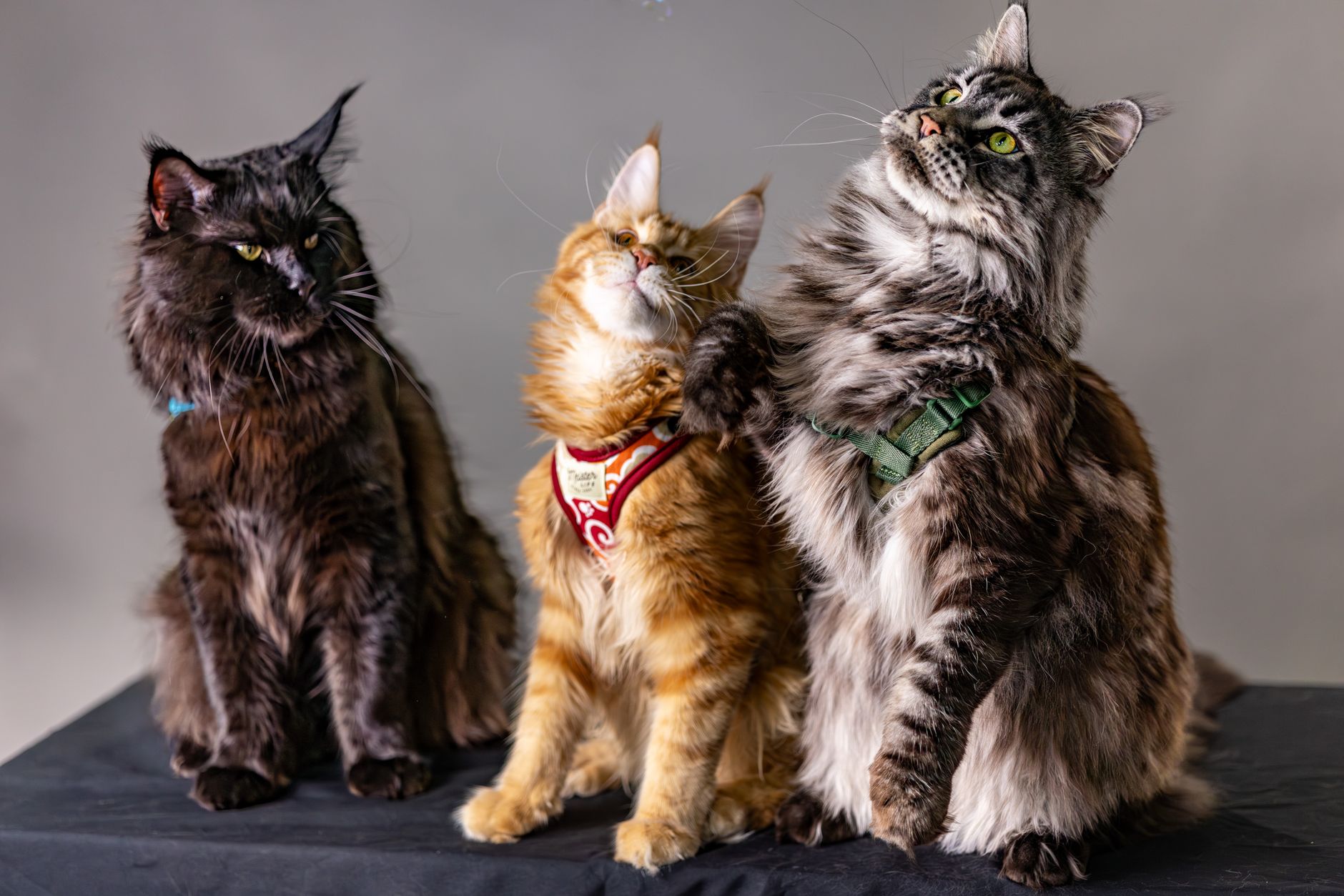
Quick Summary
Known as the ‘Gentle Giant’ of the feline world, the Maine Coon is a massive, highly intelligent, and dog-like companion that thrives on being a core part of family life. With their striking shaggy coats, tufted ears, and playful, water-loving nature, they are ideal for active households seeking an interactive, social pet. I always tell owners to expect a cat that will follow them from room to room, offering quiet trills and a lifetime of loyal companionship.
Quick Facts
- origin countryUnited States (Maine)
- breed groupNatural Breed / Longhair
- sizeVery Large to Giant
- weight range8 to 12 lbs (females), 15 to 25+ lbs (males)
- height range10 to 16 inches (up to 40 inches in length)
- lifespan12 to 15 years
- coat typeHeavy, shaggy, water-resistant double coat with a dense undercoat, prominent neck ruff, and heavily plumed tail
- common colorsBrown tabby is classic, but accepted in solid black, blue, red, cream, white, and various tortoiseshell, bi-color, and shaded patterns
- other namesCoon Cat, Gentle Giant, Maine Shag
- recognized byCFA, TICA, FIFe, ACFA, GCCF
Caring for a Maine Coon
Living with a Maine Coon is more like having a friendly, low-key dog than an aloof cat. In my experience, they don’t just occupy your house; they participate in your life, following you from room to room and ‘helping’ with chores. Their massive size means you’ll need sturdy, oversized cat furniture, and their long coats require committed, weekly grooming to prevent painful mats. They remain remarkably kitten-like and playful well into their senior years, requiring daily mental and physical stimulation.
Is a Maine Coon a good family pet?
Absolutely, they are among the best family cats in the world. Their patient, laid-back nature makes them incredibly tolerant of children, and they love being in the middle of family activities.
Do Maine Coons shed a lot?
Yes, they shed moderately year-round, with heavy seasonal ‘blowouts’ in spring and autumn. Regular brushing is a non-negotiable requirement to manage the loose hair and prevent painful matting.
Is a Maine Coon good for first-time owners?
They can be excellent for first-time owners due to their forgiving, friendly temperaments. However, novices must be fully prepared for the extensive grooming commitment and the cost of feeding a giant-sized cat.
Temperament & Personality
In my experience, Maine Coons are the ultimate ‘extroverted introverts’ of the cat world—they want to be near you, but they aren’t necessarily needy lap hogs. They prefer to lounge next to your keyboard or curl up at the foot of your bed, watching you with intelligent, expressive eyes. They are famous for their quiet, bird-like trills and chirps, which contrast hilariously with their massive physical presence. They retain a strong prey drive and an endearing, lifelong curiosity that keeps them highly active.
Is a Maine Coon good with other pets?
Yes, they are exceptionally gregarious and typically integrate beautifully with other cats and cat-friendly dogs. I’ve often seen them form tight bonds with the family dog, even playing fetch together.
How much attention does a Maine Coon need?
While they aren’t frantically demanding, they do crave companionship and shouldn’t be left alone for 10-12 hours a day. They thrive when they have human or animal company, and easily get lonely or bored without interaction.
Training & Behavior
Maine Coons are highly trainable, often referred to as the ‘dogs of the cat world’ for a reason. They learn routines quickly, can easily be taught to walk on a harness, and many naturally enjoy playing fetch. I always recommend starting positive reinforcement training early to keep their sharp minds occupied and prevent mischief.
Training Tips
- Use high-value treats like freeze-dried chicken for reward-based clicker training.
- Introduce harness and leash training slowly indoors during kittenhood.
- Keep training sessions short (2-5 minutes) to match their natural attention span.
- Redirect their love of water by training them to accept bath routines early on.
- Teach boundary rules early, as a 20-pound cat jumping on counters can cause real chaos.
Fun Activities
- Playing fetch with crinkle balls or felt mice
- Splashing in shallow water bowls or pet fountains
- Walking outdoors on a secure harness and leash
- Solving complex puzzle feeders and treat dispensers
- Chasing wand toys and interactive laser pointers
Is a Maine Coon easy to train?
Yes, they are highly intelligent and eager to please, making them much easier to train than the average cat. They respond beautifully to clicker training and positive reinforcement.
Maine Coon Health Issues

While they are generally robust, natural cats built to survive harsh New England winters, their large size and specific genetics predispose them to several hereditary health concerns. Responsible breeders screen for these conditions, but prospective owners should consult a vet for ongoing health screenings.
Hypertrophic Cardiomyopathy (HCM)
The most common heart disease in cats, causing thickening of the heart walls. I always advise asking breeders for DNA test results and recent echocardiograms of the parent cats.
Hip Dysplasia
A genetic malformation of the hip joint that can lead to painful arthritis, exacerbated by the breed’s heavy build. Your vet can perform X-rays to assess joint health if mobility issues arise.
Spinal Muscular Atrophy (SMA)
A genetic neuromuscular disease causing muscle weakness and degeneration in the hind limbs, though it is not painful and affected cats can live happy lives.
Polycystic Kidney Disease (PKD)
An inherited condition where fluid-filled cysts form in the kidneys, gradually multiplying and destroying healthy tissue over time.
Stomatitis
A severe, painful inflammation of the cat’s mouth and gums, which Maine Coons are genetically prone to developing.
How long do Maine Coons typically live?
The average lifespan of a Maine Coon is 12 to 15 years. With high-quality nutrition, regular veterinary checkups, and keeping them strictly indoors, many can reach 16 or 17 years.
What to Feed a Maine Coon
Maine Coons grow slowly, not reaching full physical maturity until they are 3 to 5 years old. This prolonged growth period requires a carefully managed diet to support their massive bone and muscle development without causing unhealthy obesity.
Best Diet
A high-protein, moderate-fat diet featuring real meat as the first ingredient is vital. I highly recommend a mix of high-quality wet food (to ensure proper hydration) and dry kibble specifically formulated for large breeds to support joint health.
How to Feed
Establish a structured feeding schedule of 2 to 3 portioned meals a day rather than free-feeding. Because of their large size, using elevated, wide food bowls can prevent whisker fatigue and improve digestive comfort.
How Much to Feed
Portion sizes vary widely based on age, gender, and activity levels. A neutered, sedentary male may need 300-350 calories daily, whereas an active, growing juvenile might need more; always consult your veterinarian to customize their caloric intake.
Nutritional Tips
Incorporate joint supplements like Glucosamine and Chondroitin early in life to protect their heavy-bearing joints. Always ensure they have access to fresh, flowing water, ideally via a pet fountain, as they love running water.
Maine Coon Grooming Guide
Maintaining a Maine Coon’s majestic coat requires dedication, but it doesn’t have to be a chore if you make it a bonding experience. Their shaggy, double coat is prone to mats, particularly in high-friction areas like the armpits and britches.
Coat Care
Line-brush their coat 2 to 3 times a week using a high-quality metal greyhound comb and a slicker brush to remove loose undercoat. During seasonal shedding periods, daily brushing is essential to prevent painful matting.
Skin Care
Bathe them every few months or as needed; luckily, many Maine Coons actually enjoy water, making baths easier than with other breeds. Always use a cat-safe, moisturizing shampoo to keep their skin from drying out.
Eye Care
Wipe the corners of their large, expressive eyes with a soft, damp cloth daily to remove any discharge or tearing build-up.
Ear Care
Check their tufted ears weekly for wax or debris. Wipe them clean with a cotton ball dampened with a vet-approved ear cleaner, never inserting anything into the ear canal.
Nail & Dental Care
Trim their nails every 2-3 weeks to prevent them from snagging on carpets. Brush their teeth at least twice a week using veterinary enzyme toothpaste to prevent periodontal disease.
Considerations for Pet Parents
Pros
- Extremely affectionate, social, and family-friendly temperament
- Highly intelligent and easily trained to do tricks or walk on a leash
- Get along phenomenally well with dogs and other cats
- Endearing, quirky vocalizations (trills, chirps, and coos)
- Stunning, wild appearance with beautiful tufted ears and a plume tail
- Playful, kitten-like personality that persists throughout their lives
Cons
- High grooming requirements with risk of severe coat matting
- Prone to expensive hereditary health conditions like HCM and hip dysplasia
- Higher food, litter, and veterinary costs due to giant size
- Require heavy-duty, oversized cat trees, carriers, and litter boxes
Best For
The ideal owner is an active family or individual who wants a highly interactive, dog-like companion and has the time to commit to regular grooming and interactive play. They do best in households where they won’t be left alone for long stretches.
Not Recommended For
They are not recommended for busy individuals who are rarely home, those living in cramped spaces unwilling to accommodate giant cat furniture, or anyone who cannot tolerate shedding and frequent coat maintenance.
Cost
- purchase price$1,500 – $3,500+
- monthly cost$100 – $200
- initial setupExpect to spend $500 to $1,000 initially on veterinary-strength carriers, heavy-duty extra-large cat trees, jumbo litter boxes, and high-quality grooming tools.
Similar Breeds

Norwegian Forest Cat

Siberian
Maine Coon FAQs
Why do Maine Coons love water?
Their love of water is legendary. It stems from their ancestry as ship cats with water-resistant double coats, making them fascinated by dripping faucets, pet fountains, and even join-in-the-shower antics.
When do Maine Coons stop growing?
Unlike typical domestic cats that reach adult size by one year, Maine Coons grow very slowly. They do not reach their full physical skeletal size and coat development until they are 3 to 5 years old.
How big do Maine Coons actually get?
Males typically weigh between 15 and 25 pounds (some even larger), while females range from 8 to 12 pounds. From nose to the tip of the tail, they can measure up to 40 inches in length.
Are Maine Coons lap cats?
They are companionable rather than demanding. While some love a good cuddle, most prefer to lounge right next to you on the sofa or follow you around the house rather than sit directly on your lap.
Do Maine Coons meow?
They rarely make a classic ‘meow.’ Instead, they communicate using an endearing range of soft bird-like trills, chirps, and coos, which is incredibly charming coming from such a massive cat.
Can Maine Coons be left alone during the day?
They can tolerate normal workdays, but they are highly social and get lonely easily. If you are away long hours, I strongly recommend getting them a companion animal, like another cat or a friendly dog.
Are Maine Coons hypoallergenic?
No, they are not. They produce the Fel d 1 protein allergen in their saliva and skin just like other cats, and their heavy shedding can easily distribute dander and loose fur throughout the home.
Why do Maine Coons have tufted ears and paws?
These tufts are evolutionary adaptations. The heavy ear tufts (lynx tips) protected their ears from freezing temperatures, while the thick fur tufts between their toes acted as natural snowshoes in harsh winters.
What is the difference between a Maine Coon and a Norwegian Forest Cat?
Maine Coons have a wedge-shaped head with a gentle concave slope to the nose and large, high-set ears. Norwegian Forest Cats have a straight profile from forehead to nose-tip, triangular heads, and almond eyes.
Are Maine Coons prone to obesity?
Because of their naturally large frames, owners often mistake fat for muscle. They are prone to obesity if overfed, which puts dangerous pressure on their joints; work with your vet to monitor their body condition score.
Do Maine Coons like to climb?
Yes, they love high vantage points, but because of their weight, standard cat trees will wobble or break. They require heavily weighted, wide-based, or wall-mounted climbing furniture to stay safe.
Are Maine Coons polydactyl?
Historically, up to 40% of Maine Coons had extra toes (polydactyly) to help them walk on snow. While still present in some lines, modern breed standards for show cats generally restrict this trait.
How often should I bathe my Maine Coon?
Generally, a bath every 2 to 4 months is sufficient to keep their heavy coat clean and manage natural skin oils. You may need to bathe them more frequently during heavy spring shedding cycles.