
Australian Terrier Breed Guide
Quick Summary
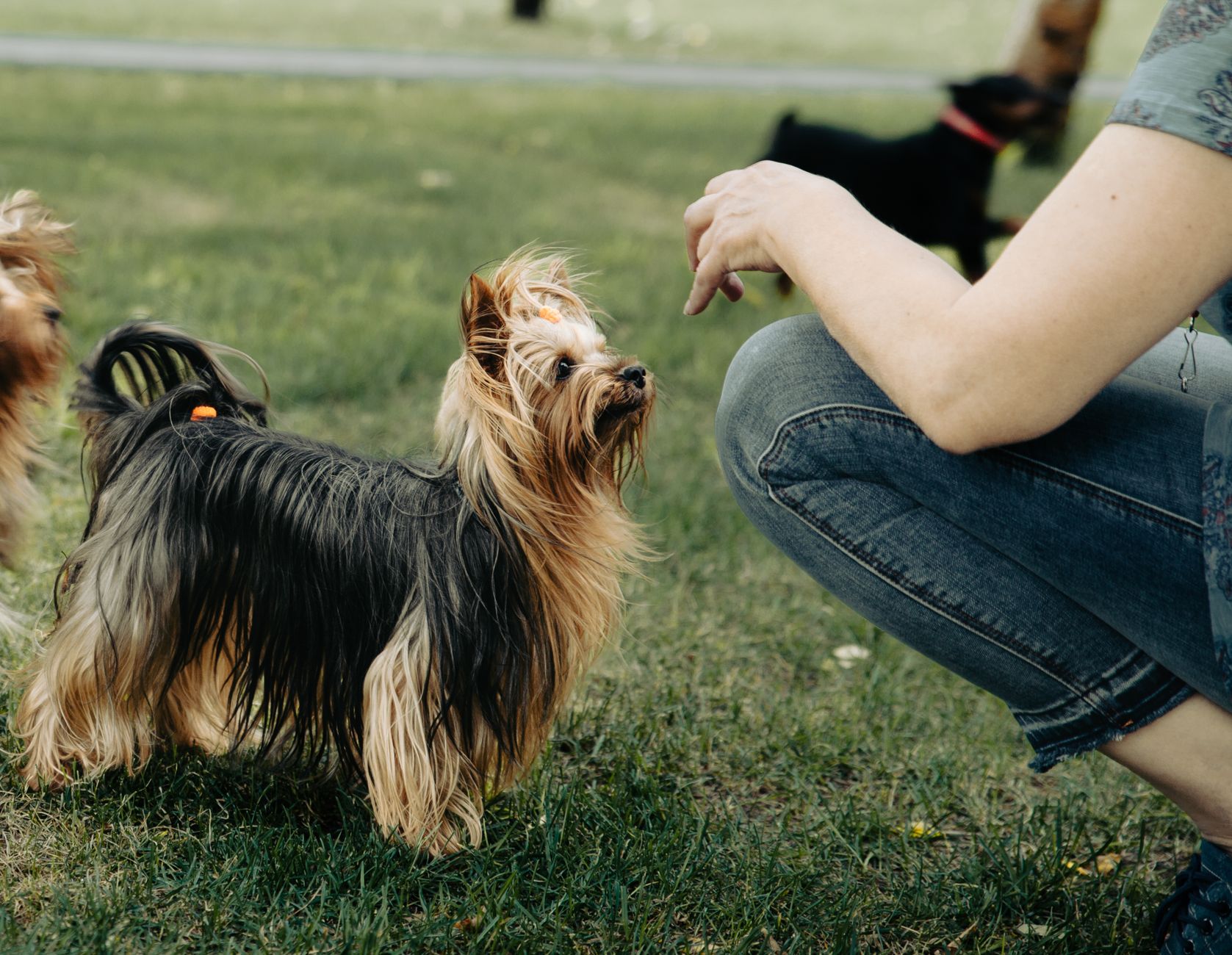
The Australian Terrier is a tenacious, spirited little dynamo that packs a big-dog personality into a sturdy, low-slung frame. In my clinical practice, I find they are best suited for active individuals or families who can channel their sharp minds and high prey drive into positive activities, rather than leaving them to make their own backyard ‘renovations’.
Quick Facts
- origin countryAustralia
- breed groupTerrier Group
- sizeSmall
- weight range15 to 20 pounds (6.8 to 9 kg)
- height range10 to 11 inches (25 to 28 cm)
- lifespan11 to 15 years
- coat typeDouble coat with a harsh, straight outer coat and a soft, short undercoat; features a distinctive ruff around the neck.
- common colorsBlue and tan, solid sandy, or solid red
- other namesAussie
- recognized byAKC, ANKC, UKC, FCI
Caring for a Australian Terrier
Living with an Aussie means managing a high-energy engine in a compact body. I tell my clients that these dogs need daily structured mental and physical exercise to prevent boredom-induced behaviors like chronic barking or digging. Expect to provide at least 45 to 60 minutes of daily activity, including brisk walks and puzzle toys. Because of their strong prey drive, backyard fences must be secure, as they will easily slip under or dig beneath weak barriers.
Is a Australian Terrier a good family pet?
Absolutely, provided the children are taught how to handle a small dog respectfully. In my clinic, I’ve observed that Aussies are incredibly loyal and protective of their family units, often bonding closely with everyone in the household. However, because of their high energy and sturdy nature, play sessions with very young toddlers should always be supervised.
Do Australian Terriers shed a lot?
They are actually very low shedders compared to many other breeds, which makes them a popular choice for families looking to minimize vacuuming. They do require consistent weekly brushing and occasional hand-stripping to remove dead undercoat hairs. If you clip their coat instead of hand-stripping, it will soften the texture and increase the likelihood of shedding slightly.
Is a Australian Terrier good for first-time owners?
I usually caution novice owners that Australian Terriers possess a strong-willed, independent terrier streak that can be challenging. They are clever enough to manipulate inconsistent owners, so while they are affectionate, they require a handler who understands positive reinforcement and firm boundaries. If a first-time owner is committed to professional training classes, they can certainly succeed.
Temperament & Personality
The Australian Terrier is the quintessential big dog in a small body—courageous, alert, and fiercely loyal. In my clinical assessments, I see a breed that is incredibly responsive to its environment, always ready to alert you to a visitor or a passing squirrel. They possess a mischievous intelligence and an affectionate, cuddly side that they reserve for their immediate family after a long day of working or playing.
Is a Australian Terrier good with other pets?
They can coexist beautifully with other household dogs if socialized intensively from puppyhood, though they may try to assert dominance. However, due to their historically bred instinct to hunt vermin, they should never be trusted unsupervised around small mammals like hamsters, guinea pigs, or rabbits. Cats can be a hit-or-miss scenario; early, controlled introductions are critical.
How much attention does a Australian Terrier need?
They are highly social dogs that thrive on being integral members of the family, so they do not do well when left isolated in a backyard. While they aren’t as needy as some toy breeds, leaving them alone for more than 4 to 6 hours regularly can lead to separation anxiety and destructive habits. They prefer to follow you from room to room, watching your every move.
Training & Behavior
Training an Australian Terrier is an exercise in creativity and patience; they are highly intelligent but easily bored by repetitive tasks. In my clinical experience, utilizing short, 5-to-10 minute training sessions packed with high-value treats yields the best results. They respond poorly to harsh corrections, which can cause them to shut down or become defensive.
Training Tips
- Keep training sessions under 10 minutes to prevent boredom
- Use high-value rewards like freeze-dried liver
- Begin socialization within the first 16 weeks of life
- Establish consistent house rules from day one
- Incorporate positive crate training early
Fun Activities
- Agility courses
- Earthdog trials
- Scent work and nosework
- Interactive puzzle games
- Structured fetch and retrieve
Is a Australian Terrier easy to train?
They are highly intelligent and learn commands very quickly, but their independent streak means they will often assess whether a command is worth their time. I advise owners to make training a game where the dog feels like they are winning. Consistency is absolutely vital; if you give them an inch, they will gladly take a mile.
Australian Terrier Health Issues

The Australian Terrier is generally a remarkably robust and hardy breed, but like all purebred dogs, they have genetic predispositions to specific conditions. In my practice, keeping an Aussie at a lean, healthy weight is the single most effective way to protect their joints and extend their lifespan.
Patellar Luxation
A genetic condition where the kneecap slips out of its anatomical groove, common in small terrier breeds. Over time, this causes cartilage wear and tear, eventually leading to osteoarthritis.
Diabetes Mellitus
A metabolic disorder where the pancreas fails to produce enough insulin, requiring lifelong insulin therapy. Aussies are statistically more prone to this than many other small breeds.
Allergic Dermatitis
An overactive immune response to environmental allergens, fleas, or dietary proteins, leading to intense skin irritation. This can easily lead to secondary bacterial or yeast skin infections if untreated.
Legg-Calve-Perthes Disease
A degenerative disease of the hip joint seen in toy and small breeds, where the head of the femur spontaneously begins to necrotize due to poor blood supply. It typically manifests between 5 and 12 months of age.
Tracheal Collapse
A progressive weakening of the cartilaginous rings of the windpipe, causing it to flatten as the dog inhales. This is exacerbated by obesity and the use of traditional neck collars instead of harnesses.
How long do Australian Terriers typically live?
With proper nutrition, regular veterinary preventative care, and an active lifestyle, Australian Terriers frequently live between 11 and 15 years. I have seen several well-cared-for patients reach 16 years old in my clinical practice. Key factors to longevity include maintaining a lean body condition and rigorous dental hygiene.
What to Feed a Australian Terrier
Proper nutrition for an Australian Terrier must balance their high metabolism with their propensity to gain weight quickly if overfed. Because they are prone to diabetes, avoiding sugary treats and processed filler-heavy foods is highly recommended.
Best Diet
I recommend a high-quality, life-stage appropriate (puppy, adult, or senior) dry kibble designed for small breeds, featuring a named animal protein (like chicken, lamb, or salmon) as the first ingredient. If your vet suspects food allergies, a limited-ingredient diet or a hydrolyzed protein diet may be necessary.
How to Feed
Divide their daily caloric intake into two equal meals, feeding once in the morning and once in the evening to maintain stable blood glucose levels. Avoid free-feeding, as Aussies are opportunistic eaters who will easily consume an entire day’s worth of food in one sitting.
How Much to Feed
On average, a healthy adult Aussie weighing 15 to 20 pounds requires approximately 1/2 to 1 cup of dry kibble per day, divided into two meals. However, metabolic rates vary widely, so you must consult your veterinarian to calculate exact caloric requirements based on your dog’s activity level and body condition score.
Nutritional Tips
Incorporate omega-3 fatty acid supplements, like high-quality wild-caught fish oil, to support their skin barrier and maintain their harsh coat. Keep treat intake to less than 10% of their daily caloric budget, choosing low-calorie options like fresh green beans or zucchini slices.
Australian Terrier Grooming Guide
The Aussie’s weather-resistant double coat is remarkably low-maintenance compared to other terrier breeds, but it still requires structured care to prevent matting and preserve its natural texture. I advise my clients to establish a grooming routine early to get the puppy used to being handled.
Coat Care
Brush the coat thoroughly at least once a week using a pin brush and a metal comb to prevent tangles in the softer undercoat. To preserve the harsh, dirt-repelling texture of the outer coat, hand-strip the dead hairs every three to four months; clipping with electric trimmers will soften the coat and alter the color over time.
Skin Care
Bathe only when necessary—ideally no more than once every 6 to 8 weeks—using a mild, hypoallergenic, oatmeal-based shampoo. Over-bathing strips the coat of its natural protective oils, which can lead to dry, itchy skin and exacerbate underlying allergies.
Eye Care
Trim the hair around the eyes carefully if it grows long enough to cause mechanical irritation or block their vision. Wipe away any ocular discharge daily with a damp, warm cotton ball, checking for signs of conjunctivitis.
Ear Care
Inspect the upright ears weekly for redness, wax buildup, or a foul odor, which can indicate an infection. Use a vet-approved, gentle ear cleaning solution on a cotton ball to clean the outer canal, never inserting cotton swabs into the ear canal itself.
Nail & Dental Care
Clip or grind their nails every 3 to 4 weeks to prevent splaying of the paws and joint discomfort. Brush their teeth at least three times a week with veterinary-formulated enzymatic toothpaste to prevent periodontal disease, which is highly prevalent in small breeds.
Considerations for Pet Parents
Pros
- Extremely loyal and affectionate with family members
- Highly effective alert dog and watchdog
- Low-shedding and relatively hypoallergenic coat
- Sturdy and robust physical constitution
- Adaptable to apartment living if adequately exercised
- Intelligent and capable of excelling in dog sports
Cons
- Strong prey drive makes them untrustworthy with small pocket pets
- Propensity for digging up yards and gardens if bored
- Can be territorial and prone to vocalization/barking
- Independent terrier streak requires experienced training
Best For
Active individuals or families with older children who live in suburban or urban environments and can dedicate time to daily mental stimulation, training, and structured exercise.
Not Recommended For
Sedentary owners, households with small rodents or rabbits, or individuals who are away from home for long stretches of time and cannot provide a secure, dig-proof yard.
Cost
- purchase price$1,500 to $2,500
- monthly cost$100 to $150
- initial setupExpect to spend between $500 and $1,000 initially on high-quality crates, essential grooming tools (like stripping knives and pin brushes), puppy vaccines, microchipping, and spay/neuter surgery.
Similar Breeds

Australian Terrier FAQs
How do I stop my Australian Terrier from digging?
In my experience, digging is a deeply ingrained breed instinct for earth-working terriers, not just bad behavior. To manage this, I recommend creating a designated ‘digging pit’ in your yard filled with loose sand and burying toys there for them to find. Redirecting their natural energy and ensuring they are getting enough physical exercise is the key to preventing unwanted yard destruction.
Are Australian Terriers prone to barking?
Yes, they are natural watchdogs and will bark to alert you of any changes in their environment. In my clinic, owners who complain about excessive barking usually haven’t trained a solid ‘quiet’ command early on. Left unchecked, this alert system can morph into chronic nuisance barking, which requires consistent, positive behavioral training to resolve.
Do Australian Terriers have a high prey drive?
Yes, they have a exceptionally high prey drive. They were bred to hunt and eliminate rodents, snakes, and other vermin. Therefore, they should never be walked off-leash in unsecured areas, as they will instantly bolt after squirrels, rabbits, or cats without warning.
What is the difference between an Australian Terrier and a Silky Terrier?
Though they look similar, the key structural difference lies in the coat and size. Aussies have a harsh, rough, double coat with a prominent neck ruff, whereas Silky Terriers have a long, fine, single coat that flows like human hair. Medically, Silky Terriers are also finer-boned and weigh less on average than the sturdy, muscular Aussie.
Are Australian Terriers prone to obesity?
Absolutely, and as a vet, this is one of my biggest concerns for this breed because obesity severely exacerbates joint issues like luxating patellas. It also significantly increases their risk of developing diabetes mellitus. I always advise owners to use a gram scale to weigh out portions precisely rather than relying on standard measuring cups.
Is it better to hand-strip or clip an Aussie’s coat?
From a clinical perspective, hand-stripping is far superior if you want to maintain the coat’s natural protective, weather-resistant texture and deep color. Clipping cuts the hair shaft, which softens the texture, dilutes the rich blue and tan colors, and makes the coat more prone to matting and holding onto dirt. However, if your dog is purely a pet, clipping is a common shortcut that many owners choose for convenience.
Can Australian Terriers tolerate hot weather?
While they were bred in Australia and have a protective double coat that insulates them against both heat and cold, they can still overheat. In hot, humid summer months, I warn owners to limit strenuous exercise to early mornings or late evenings. Always provide cool, fresh water and watch for heavy panting or lethargy, which can indicate heat stress.
How can I prevent luxating patellas in my Australian Terrier?
While patellar luxation is largely a hereditary skeletal issue, you can minimize its impact by keeping your dog at an ideal body weight. Feeding joint supplements containing glucosamine, chondroitin, and green-lipped mussel from a young age can also protect cartilage health. I also advise avoiding high-impact jumps from tall couches or beds to prevent acute joint trauma.
Are Australian Terriers easy to housebreak?
Like many small breeds, housebreaking can take a bit longer due to their small bladders and independent nature. I always recommend strict crate training and keeping them on a highly consistent feeding and elimination schedule. In my practice, consistency within the first few weeks of bringing a puppy home is the single biggest predictor of fast housebreaking success.
Do they need professional grooming?
Not necessarily, if you are willing to learn the technique of hand-stripping and are diligent about weekly brushing. However, many owners find hand-stripping tedious and opt to visit a professional groomer every 8 to 12 weeks. If you do go to a professional, be sure to specify whether you want them hand-stripped or clipped, as most commercial groomers default to clipping.
How much exercise does an Australian Terrier puppy need?
Puppies have growth plates that don’t fully close until they are around 12 months old, so high-impact exercise must be avoided. I recommend the rule of thumb of 5 minutes of structured exercise per month of age, twice a day. For example, a 4-month-old puppy only needs two 20-minute walks per day, supplemented with safe, low-impact play.
Are they prone to separation anxiety?
Aussies are highly devoted to their humans and can develop separation anxiety if they are regularly left alone for long periods. I treat many cases of this by working with owners to establish a calm departure routine and using interactive treat-dispensing toys to keep the dog occupied. If you work long hours, arranging for a dog walker or doggy daycare is highly recommended.
Why does my Australian Terrier scratch at its ears?
If your Aussie is scratching at its ears or shaking its head, it may have an ear infection, ear mites, or an underlying environmental allergy. Because their ears are erect, they get good airflow, but allergies can still cause inflammation in the ear canal that leads to yeast overgrowth. You should bring them in for an otoscopic exam so we can prescribe the appropriate targeted medication.
What should I look for in an Australian Terrier breeder?
A reputable breeder will always provide official health clearances from the Orthopedic Foundation for Animals (OFA) for the parents’ hips and patellas, as well as an eye clearance certificate. I advise prospective owners to run away from breeders who cannot show you these health clearances. Ask to meet the mother dog so you can assess her temperament, as this is highly heritable.