
Papillon Breed Guide
Quick Summary
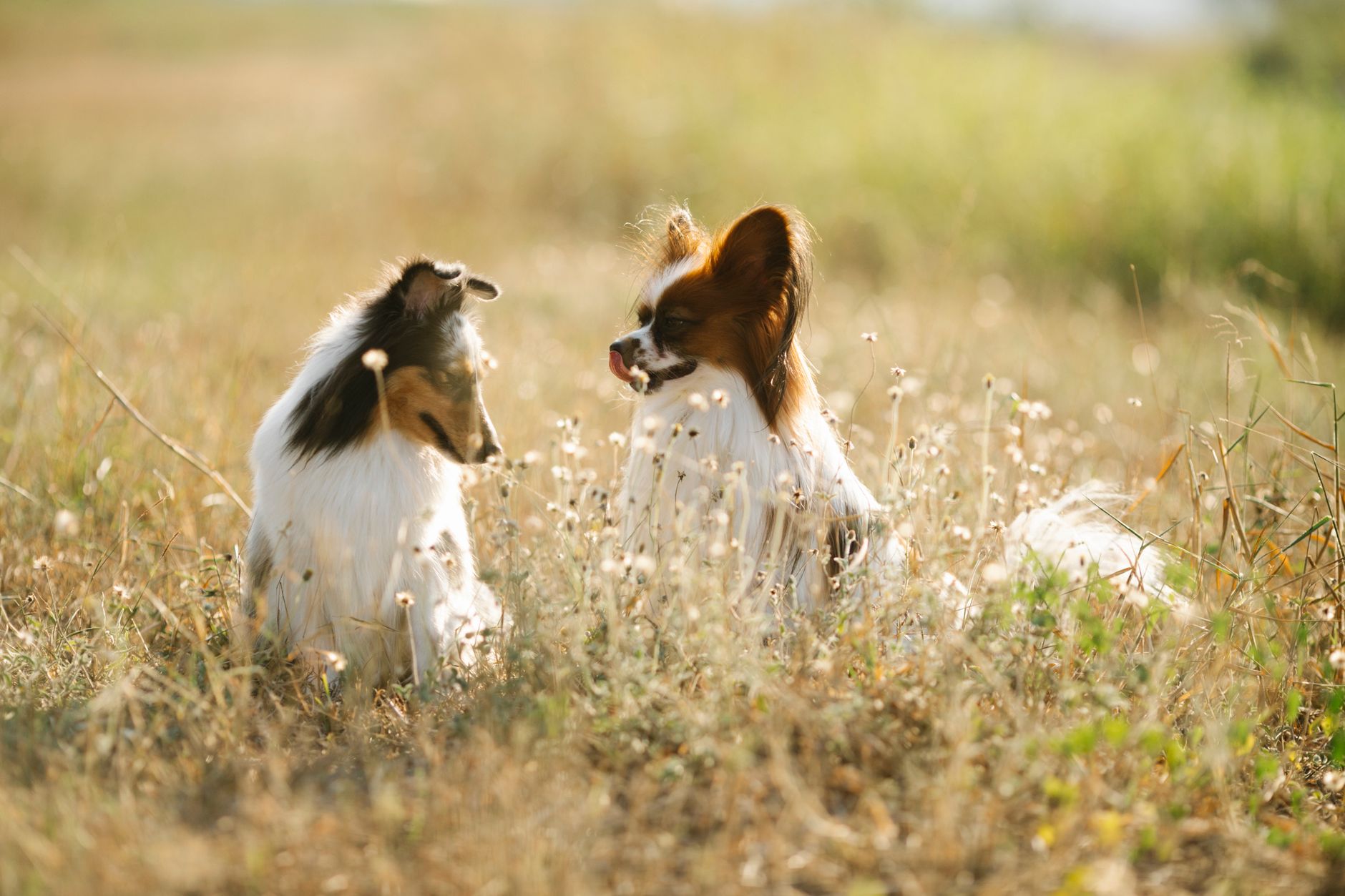
The Papillon is a highly intelligent, athletic, and surprisingly robust toy breed disguised in an elegant, butterfly-eared frame. While they look like delicate lapdogs, they possess the drive of a working spaniel and thrive in active households that can provide daily mental challenges. They are exceptional family companions for those who can protect their fragile bones while satisfying their high-energy, inquisitive nature.
Quick Facts
- origin countryFrance / Belgium
- breed groupToy
- sizeToy
- weight range5 – 10 pounds (2.3 – 4.5 kg)
- height range8 – 11 inches (20 – 28 cm) at the shoulder
- lifespan14 – 16 years
- coat typeSingle coat, long, silky, flowing, with no undercoat and prominent ear fringing
- common colorsWhite with patches of any color (including black, red, sable, and tricolor)
- other namesContinental Toy Spaniel, Butterfly Dog, Phalène (drop-eared variety)
- recognized byAKC, UKC, KC, FCI
Caring for a Papillon
Living with a Papillon is like sharing your home with a miniature border collie in a fancy coat. In my years treating this breed, the biggest mistake I see owners make is treating them like fragile, inactive ornamentals; these dogs need physical exercise and serious mental outlets to prevent behavioral issues. Because they lack a protective undercoat, they are sensitive to extreme temperatures and must be kept indoors. Their small physical stature means household hazards like high furniture and larger dogs pose real risks of injury. Plan on dedicating at least 45 to 60 minutes daily to structured play, training, and walks to keep their active minds and bodies satisfied.
Is a Papillon a good family pet?
Yes, but with strict caveats regarding household dynamics. While exceptionally affectionate and playful, their delicate skeletal structure makes them highly vulnerable to accidental fractures, so I generally advise against placing them in homes with toddlers or very young children unless supervision is absolute.
Do Papillons shed a lot?
They are moderate, single-coated shedders. Because they lack a dense undercoat, you won’t experience the heavy seasonal ‘blowouts’ seen in double-coated breeds, but they do drop hairs year-round, requiring regular brushing to keep their fine, silky coat from matting.
Is a Papillon good for first-time owners?
They can be excellent for first-time owners who are prepared for an active, highly intelligent dog. However, if an owner is looking for a low-maintenance, sedentary lapdog, the Papillon’s high energy and need for consistent mental stimulation will quickly prove overwhelming.
Temperament & Personality
The Papillon is a vibrant, highly alert, and outgoing companion that completely defies the typical ‘timid toy dog’ stereotype. In my clinic, they are often the stars of the exam table—curious, confident, and eager to interact rather than cowering behind their owners. They possess an intense desire to be part of every family activity and are highly sensitive to their owner’s moods. If left under-stimulated or isolated, their keen intelligence can quickly manifest as vocal frustration or compulsive behaviors.
Is a Papillon good with other pets?
Generally yes, as they are social and rarely show unprovoked aggression. However, in my practice, I frequently treat toy breeds for injuries caused by well-meaning but rough play with larger household dogs, so all multi-pet interactions must be carefully supervised.
How much attention does a Papillon need?
They require a high level of daily interaction and do not tolerate long periods of isolation. If left alone for standard 8-to-10-hour workdays, they are highly prone to developing severe separation anxiety, which often leads to incessant barking and destructive chewing.
Training & Behavior
Training a Papillon is incredibly rewarding because they rank among the top ten smartest dog breeds and are the absolute brightest of the toy group. They learn new commands with shocking speed, often anticipating what you want before you even ask. Because they are highly sensitive, they shut down immediately under harsh corrections; positive reinforcement, clicker training, and high-value treats are the gold standards for this breed.
Training Tips
- Keep training sessions short, fast-paced, and highly rewarding to prevent boredom.
- Use positive reinforcement exclusively; harsh tones can permanently damage their confidence.
- Begin crate training on day one to assist with housebreaking and provide a safe retreat.
- Socialize extensively during the critical 8-to-16-week window to prevent territorial alertness from turning into fear-aggression.
Fun Activities
- Agility trials (where they routinely dominate the small-dog divisions)
- Competitive obedience and Rally
- Trick training and cognitive puzzle games
- Flyball and scent work
Is a Papillon easy to train?
Yes, they are exceptionally easy to train due to their intense focus and desire to work. However, their high intelligence means they will also quickly learn how to manipulate weak boundaries, so consistency from the owner is vital.
Papillon Health Issues
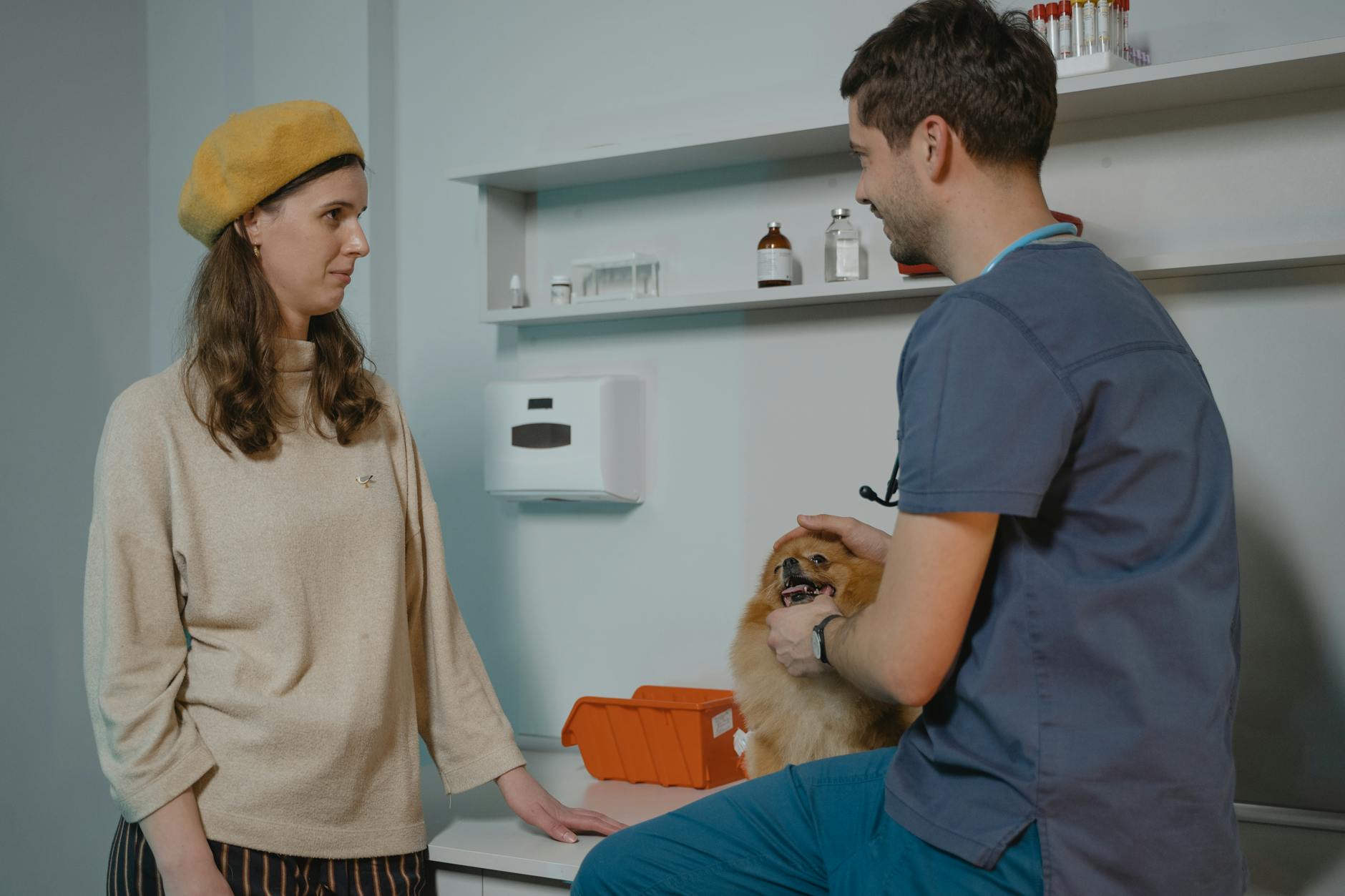
As a vet, I consider the Papillon to be one of the hardiest toy breeds, routinely living well into their mid-to-late teens with proper care. However, their physical structure and genetics do predispose them to several specific orthopedic, ocular, and dental conditions that require proactive management.
Patellar Luxation
A condition where the kneecap slips out of its normal anatomical groove, graded from I (mild, temporary slipping) to IV (permanent dislocation). This is highly common in small breeds and can lead to early-onset osteoarthritis.
Progressive Retinal Atrophy (PAP-PRA1)
An inherited genetic disease causing the gradual degeneration of the retina, eventually leading to complete blindness. Fortunately, a reliable DNA test is available to screen breeding stock.
Tracheal Collapse
A progressive disease where the cartilage rings supporting the trachea weaken and flatten, restricting airflow. This is exacerbated by obesity, collar pressure, and excitement.
Periodontal Disease
Due to their small mouths, plaque and tartar accumulate rapidly, leading to gum recession, bone loss, systemic infection, and early tooth loss. This is the most common pathology I treat in adult Papillons.
Open Fontanel
A condition where the skull plates fail to fuse completely at the dome of the head, leaving a soft spot that makes the brain highly vulnerable to blunt-force trauma.
How long do Papillons typically live?
With excellent dental care, a lean diet, and regular veterinary checkups, Papillons frequently live between 14 and 16 years, with some resilient individuals reaching 17 or 18.
What to Feed a Papillon
Because of their incredibly fast metabolism and active lifestyles, Papillons require a high-quality diet that delivers concentrated nutrition. Because they are so small, even a single pound of excess weight can place catastrophic strain on their tiny joints, trachea, and heart.
Best Diet
I recommend a high-quality, small-breed-specific dry kibble formulated for their unique energy needs and smaller jaw size. For puppies, look for formulas containing DHA for brain development, and for seniors, transition to a diet enriched with glucosamine and chondroitin to protect their joints.
How to Feed
Puppies under six months should be fed three to four times daily to prevent life-threatening hypoglycemia. Adult Papillons should be fed on a strict twice-daily schedule; free-feeding (leaving food out all day) is a fast track to canine obesity.
How Much to Feed
Generally, an active adult Papillon weighing 8 pounds requires roughly 1/3 to 1/2 cup of high-quality kibble per day, split into two meals. Because caloric density varies wildly by brand, always consult your veterinarian to calculate your dog’s exact daily caloric target.
Nutritional Tips
Avoid high-fat table scraps, which can easily trigger acute, life-threatening pancreatitis in small dogs. Keep training treats tiny—cut them down to the size of a pea—and ensure treats never exceed 10% of their total daily caloric intake.
Papillon Grooming Guide
Despite their glamorous, flowing coats, Papillons are surprisingly easy to groom because they lack a dense, woolly undercoat. This single-coat structure means they do not mat easily and do not require professional ‘clipping’ or haircuts, which can actually ruin their coat texture.
Coat Care
Line-brush the coat with a high-quality pin brush and a metal comb two to three times a week, paying extra attention to the fine, high-friction hair behind the ears and in the groin area. Bathe them every 3 to 4 weeks using a mild, soap-free canine shampoo, and always dry them thoroughly to prevent chilling.
Skin Care
Because they have a single coat, their skin is highly exposed to solar radiation; use dog-safe sunscreen if they spend extended time outdoors, and monitor for dry, flaky skin during winter heating months.
Eye Care
Wipe the eye area daily with a damp, warm cloth to prevent tear staining, which is highly visible on their white facial blazes.
Ear Care
Inspect the inside of their large, fringed ears weekly for redness, odor, or discharge, cleaning them only when dirty using a vet-approved, drying ear cleanser.
Nail & Dental Care
Trim nails every 2 to 3 weeks using a small clipper or dremel; their active lifestyles don’t always wear their nails down sufficiently. Dental care is non-negotiable: brush their teeth daily with enzymatic dog toothpaste to prevent severe periodontal disease.
Considerations for Pet Parents
Pros
- Exceptional intelligence and world-class trainability.
- Incredibly long lifespan, often reaching 16+ years.
- Highly adaptable to apartment living if given mental stimulation.
- Low-maintenance coat that does not require professional clipping.
- Very affectionate, loyal, and socially engaging companion.
- Excellent, enthusiastic competitors in dog sports like agility.
Cons
- Skeletally fragile and highly susceptible to fractures and joint luxation.
- Prone to excessive barking if not trained and mentally stimulated.
- Difficult to housebreak due to a tiny bladder capacity.
- Highly prone to separation anxiety if left alone for long periods.
Best For
Active individuals, couples, or families with older, respectful children who want a brilliant, highly trainable, and portable companion to join them on outdoor adventures, dog sports, and daily activities.
Not Recommended For
Homes with toddlers or boisterous large dogs who could accidentally step on or drop them, or busy owners who work long hours outside the home and cannot provide the mental stimulation they require.
Cost
- purchase price$1,500 – $3,000 from a reputable, health-testing breeder
- monthly cost$80 – $150 (covering high-quality food, dental care, grooming supplies, and preventative vet care)
- initial setupPlan on $600 – $1,000 initially for essential gear (crate, harness, puzzles, puppy vaccines) and crucial pediatric spay/neuter surgery.
Similar Breeds

Phalène

Chihuahua (Long Coat)
Papillon FAQs
Are Papillons barkers?
Yes, they can be. Because they are highly alert and descended from watchdogs, they are quick to sound the alarm at any novel sound or sight. This must be managed with early positive reinforcement training to teach a reliable ‘quiet’ command.
Can Papillons jump off furniture?
I strongly advise against allowing this. Jumping from high beds or couches is one of the primary causes of cranial cruciate ligament tears and patellar luxation in my practice. I highly recommend placing pet ramps or steps next to high surfaces.
What is the difference between a Papillon and a Phalène?
They are the same breed, distinguished only by their ear carriage. The Papillon has erect, butterfly-like ears, while the Phalène (which means ‘moth’ in French) has dropped ears that lie flat against the head. Both can appear in the same litter.
Why is dental care so critical for Papillons?
Their small jaws result in crowded teeth, which traps plaque and bacteria at an accelerated rate. If left unchecked, the resulting periodontal disease leads to systemic bacteria entering the bloodstream, potentially damaging their kidneys, liver, and heart valves.
Are Papillons hard to housebreak?
Like many toy breeds, they have tiny bladders and can be challenging to housebreak, especially in cold or wet weather. Consistency, crate training, frequent outdoor trips, and positive reinforcement are essential for success.
Do they do well in cold weather?
No. Because they have a single, silky coat with no insulating undercoat, and very little body fat, they chill very easily. In cold climates, they should always wear a well-fitted sweater or fleece for outdoor walks.
Are Papillons sensitive to anesthesia?
Yes, like many toy breeds, their small body mass makes them highly susceptible to hypothermia and drug overdoses during surgery. In my clinic, we use precise pediatric monitoring equipment and tailored anesthetic protocols to keep them safe.
What is a ‘molera’ and do Papillons have it?
A molera, or open fontanel, is a soft spot on the skull where the bones have not fully fused. It is relatively common in toy breeds, including Papillons, and requires owners to be exceptionally careful to avoid head trauma.
How do I prevent hypoglycemia in a Papillon puppy?
Puppies under six months can crash rapidly due to low blood sugar if they miss a meal or get stressed. I advise owners to feed them 3 to 4 scheduled meals a day and keep Nutri-Cal or maple syrup on hand to rub on their gums in an emergency.
Are Papillons hypo-allergenic?
No, they are not. While they lack an undercoat and shed less than some breeds, they still produce dander and saliva, which are the primary triggers for human pet allergies.
How much exercise does a Papillon need daily?
They need significantly more exercise than a typical lapdog. I recommend a minimum of two 20-to-30-minute walks per day, supplemented with interactive play or training games to satisfy both their physical and mental needs.
Can a Papillon live in an apartment?
Absolutely. They adapt wonderfully to apartment living due to their compact size, provided their physical and mental exercise needs are met and they are trained not to bark excessively at building noises.
What is the ‘fringe’ on a Papillon’s ears?
The fringe refers to the long, silky hair that grows along the edges of their large, erect ears, giving them their signature ‘butterfly’ appearance. This hair takes several years to reach its full, luxurious length.
Sources & Further Reading
- American Kennel Club (AKC)
- Merck Veterinary Manual
- American Veterinary Medical Association (AVMA)
- PetMD