
LaPerm Breed Guide
Quick Summary
The LaPerm is a highly affectionate, curly-coated breed with a mischievous barn-cat heritage, famous for its dog-like devotion and low-maintenance ringlets. It is the ultimate choice for active families and individuals who want an interactive, social feline companion that thrives on close human connection and playful engagement.
Quick Facts
- origin countryUnited States
- breed groupRex (Curly-Coated)
- sizeSmall to Medium
- weight range6 – 10 lbs (2.7 – 4.5 kg)
- height range9 – 11 inches (23 – 28 cm)
- lifespan12 – 15+ years
- coat typeCurly or wavy, loose ringlets, soft texture (shorthair and longhair varieties)
- common colorsAll colors and patterns accepted, including tortoiseshell, tabby, solid, and pointed
- other namesDalles LaPerm
- recognized byCFA, TICA, GCCF, FIFe, ACFA
Caring for a LaPerm
Living with a LaPerm is like having a tiny, curly-haired shadow that always wants to assist in your daily chores. In my experience, they don’t just sit nearby; they actively participate by sitting on your shoulders, tapping your arm for attention, and greeting visitors at the door. Despite their exotic look, their rustic barn-cat roots make them incredibly adaptable, robust, and easy to care for on a day-to-day basis. They do require consistent mental stimulation and interactive play to prevent their clever minds from turning to mischief.
Is a LaPerm a good family pet?
Absolutely, they are phenomenal with kids of all ages because of their gentle, playful, and patient nature. I’ve found they readily adapt to the noisy, high-energy environment of a busy household without getting easily startled.
Do LaPerms shed a lot?
Surprisingly, no. Because of their unique curly coat structure and minimal undercoat, they shed very lightly compared to straight-coated breeds, and the loose hair tends to get trapped in the curls rather than ending up on your furniture.
Is a LaPerm good for first-time owners?
Yes, they are an excellent choice for novices because they are highly forgiving, social, and lack the high-maintenance grooming routines of other exotic breeds. Their friendly, dog-like disposition makes building a bond effortless for beginners.
Temperament & Personality
The LaPerm’s temperament is defined by an enchanting mix of high intelligence, clownish playfulness, and profound affection. I often tell owners that these cats have a built-in ‘radar’ for human emotion, always knowing exactly when to curl up in your lap or offer a soft, reassuring purr. They are highly social creatures that thrive on companionship and dislike being left alone for long stretches. Their curiosity is boundless, and you will frequently find them exploring high shelves or opening cabinet doors.
Is a LaPerm good with other pets?
Yes, they are exceptionally gregarious and typically welcome the company of other cats and cat-friendly dogs. In my experience, introducing them to a multi-pet home is usually seamless if done gradually over 7 to 10 days.
How much attention does a LaPerm need?
They are a high-touch breed that requires daily interactive play and close human contact. If you work long shifts away from home, a LaPerm will likely become lonely and depressed unless they have a companion pet.
Training & Behavior
Training a LaPerm is an absolute joy because they possess a sharp, inquisitive mind and a strong desire to please their humans. I have successfully taught LaPerms to fetch toys, walk on a harness, and even perform basic agility maneuvers using positive reinforcement. They respond exceptionally well to clicker training and treats, though their cleverness means they can easily learn how to open doors and drawers if not kept occupied.
Training Tips
- Use a clicker to mark desired behaviors immediately
- Incorporate feather wand toys as high-value rewards
- Keep training sessions short, around 3 to 5 minutes
- Teach fetch early to channel their high energy
- Baby-proof cabinets to outsmart their clever paws
Fun Activities
- Harness and leash walking
- Interactive puzzle feeders
- Fetching crumpled paper or foil balls
- Cat agility courses
- Shoulder riding during daily chores
Is a LaPerm easy to train?
Yes, they are among the easiest feline breeds to train due to their high intelligence and social drive. I always recommend using clicker training and high-value treats like freeze-dried chicken to tap into their cooperative nature.
LaPerm Health Issues
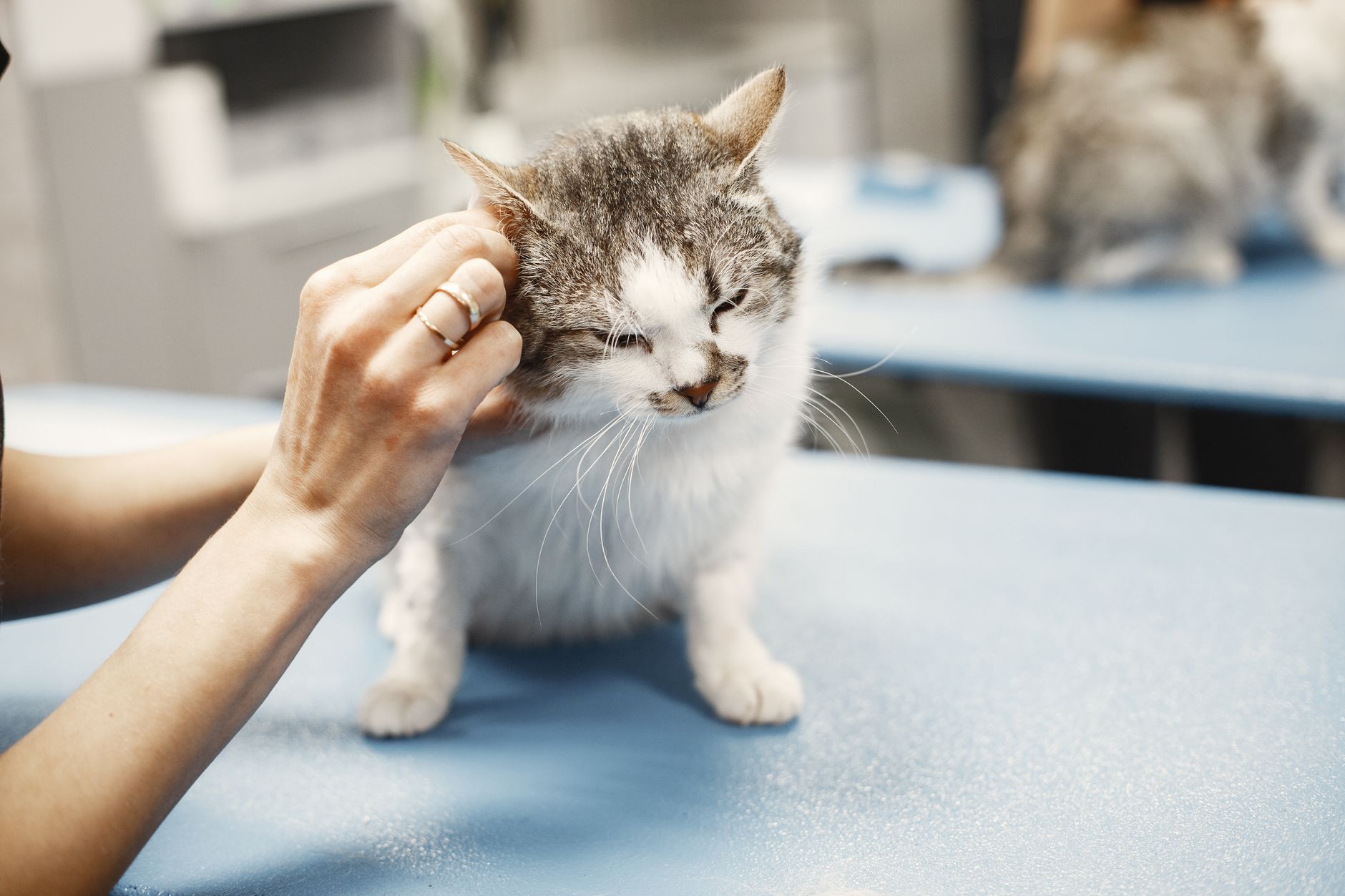
Coming from a hearty genetic pool of domestic barn cats, the LaPerm is one of the sturdiest and healthiest natural breeds in the feline world. However, like all cats, they can occasionally develop common genetic and lifestyle-related health conditions that owners should watch out for.
Hypertrophic Cardiomyopathy (HCM)
The most common form of heart disease in all cats, characterized by the thickening of the heart walls, which can lead to heart failure or blood clots.
Pyruvate Kinase Deficiency (PKD)
An inherited enzymatic disorder that causes red blood cells to break down prematurely, resulting in chronic anemia.
Periodontal Disease
Inflammation and infection of the gums and supporting structures of the teeth, highly common in adult cats without routine dental care.
Patellar Luxation
A condition where the kneecap temporarily slips out of its normal anatomical groove, which can cause discomfort or lead to early arthritis.
How long do LaPerms typically live?
LaPerms are quite long-lived, frequently reaching 12 to 15 years, and many well-cared-for indoor individuals can easily live to 18 or 20 years. Maintaining a lean weight and keeping up with veterinary dental cleanings are key to their longevity.
What to Feed a LaPerm
Feeding your LaPerm a nutrient-dense, high-protein diet is essential to support their active lifestyle and maintain their lustrous, curly coat. They do not have unique breed-specific nutritional deficiencies, but they do require high-quality moisture-rich foods to prevent urinary tract issues.
Best Diet
I highly recommend a diet consisting primarily of high-quality wet/canned food or a balanced raw diet rich in animal proteins (chicken, turkey, or salmon) with minimal carbohydrate fillers. This mimics their natural ancestral diet and supports kidney health.
How to Feed
Establish a consistent twice-daily feeding schedule for adult LaPerms rather than free-feeding dry kibble, which easily leads to obesity. Use puzzle feeders for their dry treats to keep their highly active minds engaged.
How Much to Feed
Portions should be calculated based on their target weight, typically ranging from 200 to 250 calories per day for an active 8-pound adult. Always consult your veterinarian to customize the exact caloric intake based on their age and body condition score.
Nutritional Tips
Incorporate an Omega-3 fatty acid supplement (like wild-caught salmon oil) to nourish their skin and help keep their unique curls soft and resilient. Always ensure they have access to fresh, filtered water, ideally from a circulating pet fountain.
LaPerm Grooming Guide
Many people assume that curly coats require grueling daily maintenance, but the LaPerm is surprisingly low-maintenance. In my experience, over-grooming actually ruins their beautiful, natural ringlets by causing the coat to frizz.
Coat Care
Gently comb the coat once or twice a week using a wide-toothed metal comb to prevent matting, avoiding fine brushes that disrupt the curls. If you bathe them, use a gentle cat shampoo and simply towel-blot and let them air dry to allow the curls to bounce back naturally.
Skin Care
Monitor their skin during seasonal changes, as their sparse undercoat makes them slightly more sensitive to dry skin or sunburn if they spend time in direct window sunlight.
Eye Care
Wipe any minor discharge from the corners of their eyes with a damp, warm cotton ball, using a fresh section for each eye to prevent spreading any potential low-grade infections.
Ear Care
Check their ears weekly for dirt, wax buildup, or redness, and gently wipe the outer canal with a cotton round moistened with a vet-approved ear cleanser if needed.
Nail & Dental Care
Clip their claws every 2 to 3 weeks and introduce daily teeth brushing with cat-safe enzymatic toothpaste starting from kittenhood to prevent periodontal disease.
Considerations for Pet Parents
Pros
- Extremely affectionate and loving
- Low-shedding and easy-care coat
- Intelligent and highly trainable
- Robust and generally very healthy
- Wonderful with children and other pets
- Charming, unique curly-coated look
Cons
- Prone to separation anxiety if left alone
- High energy levels require daily engagement
- Can be mischievous and open cabinets
- Rare breed that can be difficult to find
Best For
Active families, work-from-home professionals, or multi-pet households who want a deeply interactive, dog-like cat that loves to cuddle and participate in daily home life.
Not Recommended For
Owners who spend long hours away from home daily, or individuals seeking a quiet, highly independent, or ‘low-effort’ lap cat that doesn’t require mental stimulation.
Cost
- purchase price$1,000 – $2,000 USD
- monthly cost$80 – $120 USD
- initial setupExpect to spend $400 to $600 initially on high-quality scratching posts, a cat tree, grooming tools, carrier, and initial veterinary checkups and vaccinations.
Similar Breeds

Selkirk Rex
Devon Rex
LaPerm FAQs
Are LaPerm cats hypoallergenic?
While no cat is truly hypoallergenic, many allergy sufferers find they tolerate LaPerms better because they shed very little dander and loose hair. However, allergies are caused by the Fel d 1 protein in saliva and sebum, so it is best to spend time around a LaPerm before adopting.
Are LaPerm kittens born with curly coats?
LaPerm kittens can be born bald, with straight hair, or with curls. Many lose their birth coat entirely around 4 months of age and go through a temporary bald or sparse phase before their adult curly coat grows in fully by their first birthday.
Do LaPerms need to be bathed?
They only need occasional baths, perhaps once every few months or if they get dirty. Frequent bathing can dry out their skin and strip natural oils that keep their curls soft; always let them air-dry to preserve the curl pattern.
Do LaPerms make a lot of noise?
They are moderately talkative but have very soft, melodic voices. They will chirrup and purr to communicate their needs rather than letting out loud, demanding meows, making them wonderful apartment companions.
Can LaPerms go outside?
It is highly recommended to keep LaPerms strictly indoors to protect them from infectious diseases, traffic, predators, and theft. Their friendly, trusting nature makes them poorly equipped to handle outdoor dangers.
Why is my LaPerm losing its hair?
Do not panic; this is a unique breed trait. LaPerms regularly shed their coats (often referred to as ‘molting’), sometimes leaving them temporarily bald or thin-coated, after which the coat regrows even curlier than before.
Do they like to be held?
Yes, most LaPerms absolutely adore being held, carried on shoulders, and snuggling closely on your lap. They are a highly tactile breed that seeks physical touch and security from their trusted humans.
Are longhair LaPerms harder to groom than shorthair ones?
Surprisingly, longhair LaPerms are not much harder to groom because their coat is airy and light with minimal undercoat, meaning it doesn’t mat easily. A gentle weekly combing is usually sufficient for both lengths.
How high can a LaPerm jump?
They are highly agile, athletic cats with powerful hind legs. I have seen them easily clear six-foot vertical jumps to land on top of refrigerators or high bookshelves, so vertical territory like cat trees is a must.
Are LaPerms lap cats?
They are the ultimate lap cats, but only after they have burned off their energetic play drive. They love nothing more than curling up on you for a long nap after a session of chasing feather toys.
Can LaPerms be left alone during the day?
They do not tolerate isolation well. If you work standard 8-to-5 hours, it is highly recommended to have another cat or a pet-friendly dog to keep your LaPerm company and prevent separation anxiety.
What is the difference between a LaPerm and a Selkirk Rex?
While both are curly breeds, the Selkirk Rex is a much larger, stockier cat with a dense, plush coat similar to a teddy bear. The LaPerm is lighter, more elegant, and has a springy, airy coat with ringlets.
Do they get along with dogs?
Yes, LaPerms are famously dog-friendly. Their confident, playful, and non-aggressive nature allows them to form close bonds with dogs, often sleeping together or playing interactive games.