
Kinkalow Breed Guide
Quick Summary
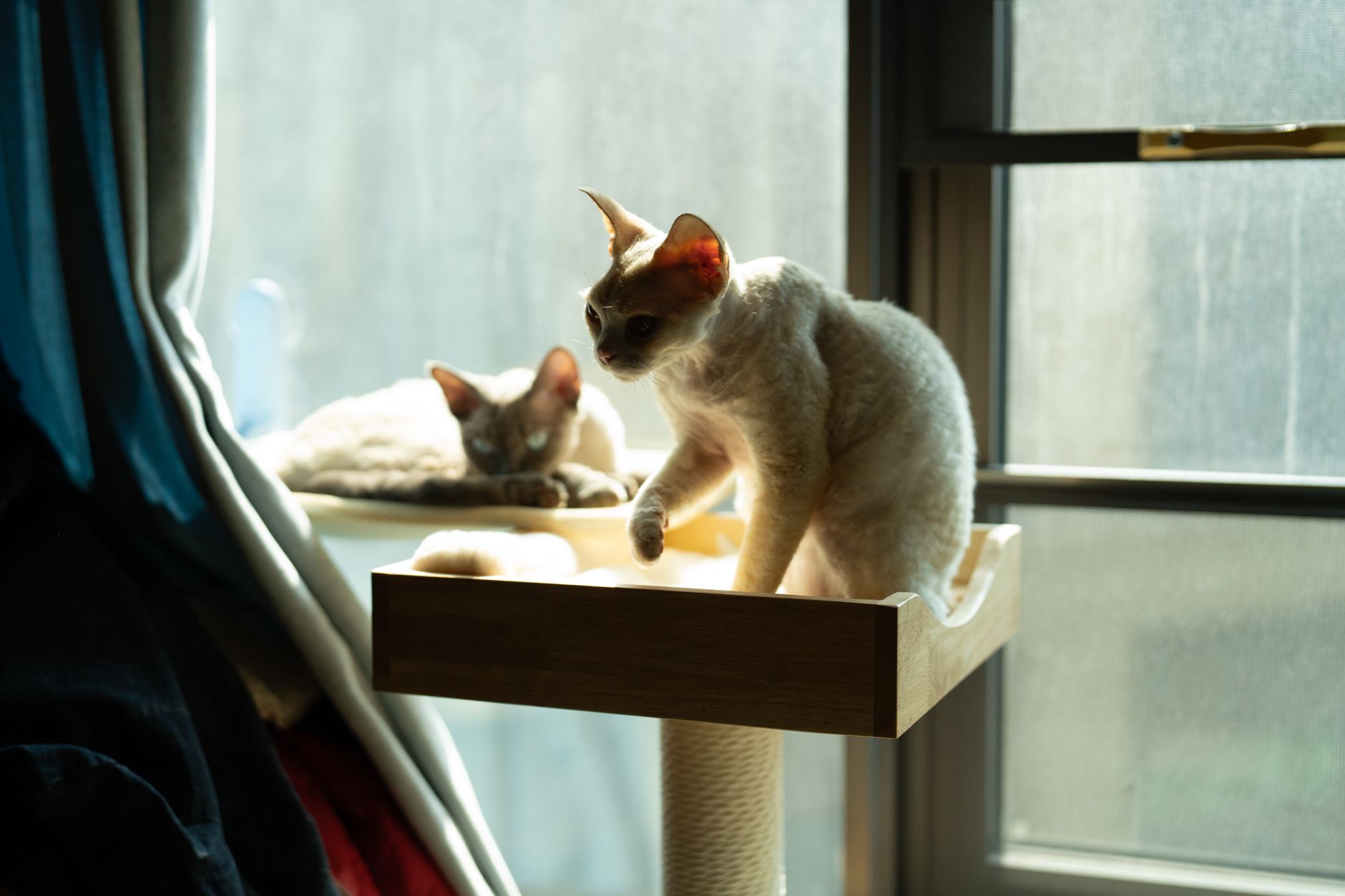
The Kinkalow is an enchanting, pint-sized crossbreed of the Munchkin and American Curl, instantly recognizable by its short legs and outward-curled ears. In my clinic, I find these cats to be exceptionally playful, dog-like in their curiosity, and best suited for families who can dedicate ample time to interactive play while carefully managing their joint health.
Quick Facts
- origin countryUnited States
- breed groupExperimental (TICA)
- sizeSmall
- weight range3 to 7 pounds (1.4 to 3.2 kg)
- height range7 to 8 inches (18 to 20 cm)
- lifespan12 to 15 years
- coat typeShort to semi-longhair, soft and sleek
- common colorsAll colors and patterns, including seal point, tabby, and solid white
- other namesNone
- recognized byTICA
Caring for a Kinkalow
Living with a Kinkalow means welcoming a perpetually kitten-like explorer into your home. Despite their short legs, these cats are surprisingly agile and will find creative ways to scale your furniture, making sturdy, low-level climbing aids essential. In my practice, I emphasize that their unique anatomy requires proactive weight management to protect their spine and joints from unnecessary strain. Daily interactive play and routine ear checks are non-negotiable parts of their daily care routine.
Is a Kinkalow a good family pet?
Absolutely, as they possess an outgoing and highly social nature that thrives on human companionship. However, because of their delicate, short-limbed structure and cartilage-dependent ears, I advise close supervision with very young children to prevent rough handling.
Do Kinkalows shed a lot?
They are moderate shedders, depending on whether they inherited a short or semi-long coat from their parent breeds. A quick weekly brushing session is usually all it takes to manage loose hair and keep their coat looking sleek.
Is a Kinkalow good for first-time owners?
Yes, their highly affectionate and adaptable temperament makes them wonderful companions for beginners. That said, novices must be fully committed to learning about dwarfism-related joint care and the specific ear hygiene needs of this breed.
Temperament & Personality
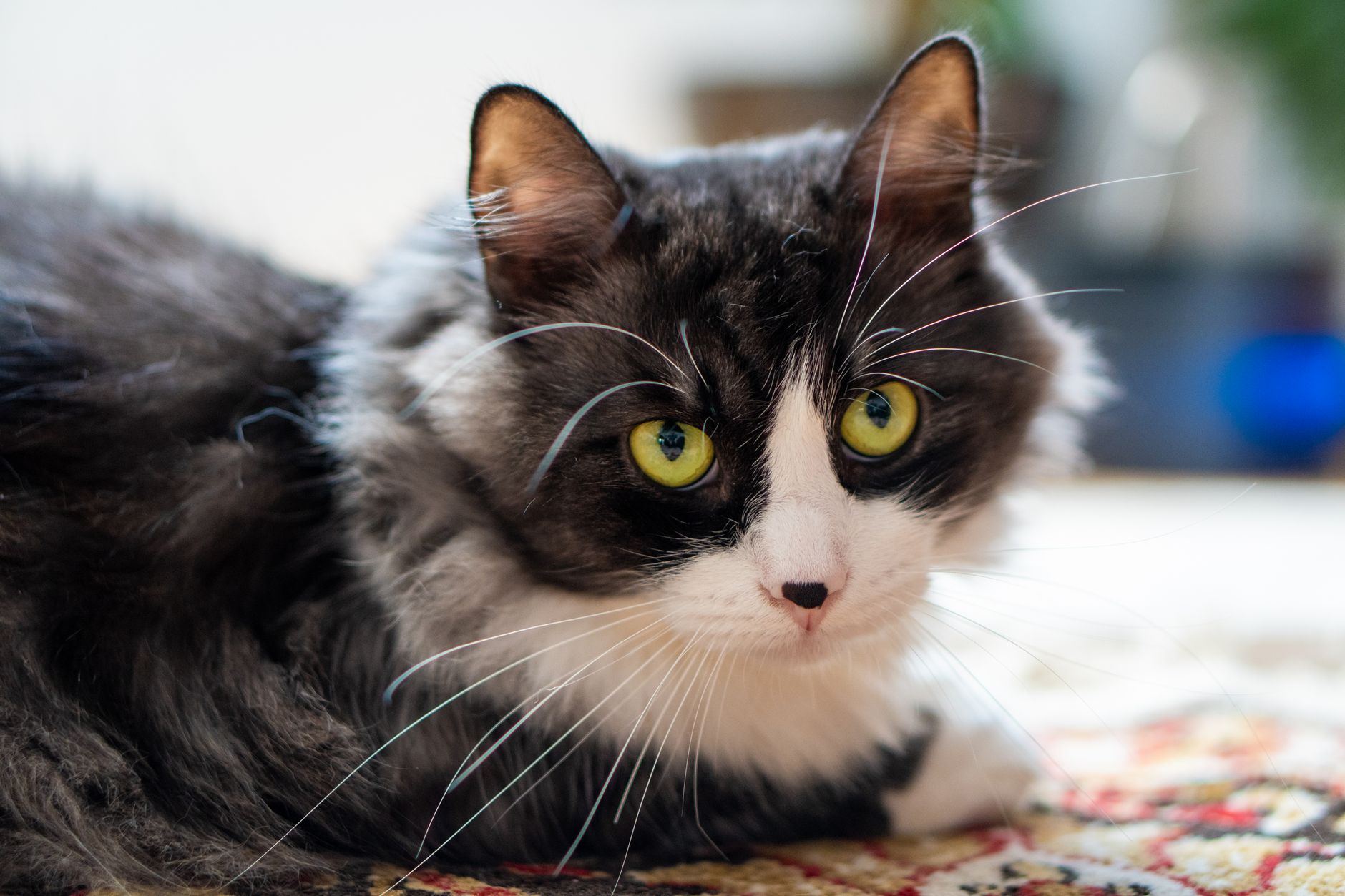
In my clinical experience, Kinkalows possess a remarkably bubbly, extroverted personality that belies their small size. They are intensely curious, often following their owners from room to room like little shadows and ‘helping’ with household tasks. These are not aloof cats; they thrive on social engagement and retain their playful, kitten-like antics well into their senior years.
Is a Kinkalow good with other pets?
Yes, they are incredibly gregarious and typically get along splendidly with both cat-friendly dogs and other felines. Their social nature means they actually prefer having a furry companion to play with when you are out of the house.
How much attention does a Kinkalow need?
They require a high level of human interaction and do not tolerate long periods of isolation well. I often recommend them to households where someone is home during the day, or where they have a companion pet to keep them company.
Training & Behavior
Kinkalows are highly intelligent and remarkably receptive to training when positive reinforcement is used. Thanks to their Munchkin heritage, they are natural puzzle-solvers, and their American Curl background gives them an eager-to-please attitude. I have successfully guided owners to clicker-train their Kinkalows to fetch toys and even walk on a harness.
Training Tips
- Use high-value, low-calorie treats to prevent joint-straining weight gain.
- Incorporate clicker training early to stimulate their active minds.
- Keep training sessions short and engaging, around 5 minutes.
- Introduce puzzle feeders to channel their problem-solving instincts.
Fun Activities
- Playing fetch with lightweight crinkle balls
- Navigating low-to-the-ground agility courses
- Interactive feather wand chase sessions
- Exploring the house via wide, carpeted ramps
- Solving advanced treat puzzle toys
Is a Kinkalow easy to train?
Yes, they are highly trainable due to their sharp intellect and desire for engagement. They respond beautifully to clicker training, making it easy to teach them basic cues, fetch, and trick behaviors.
Kinkalow Health Issues
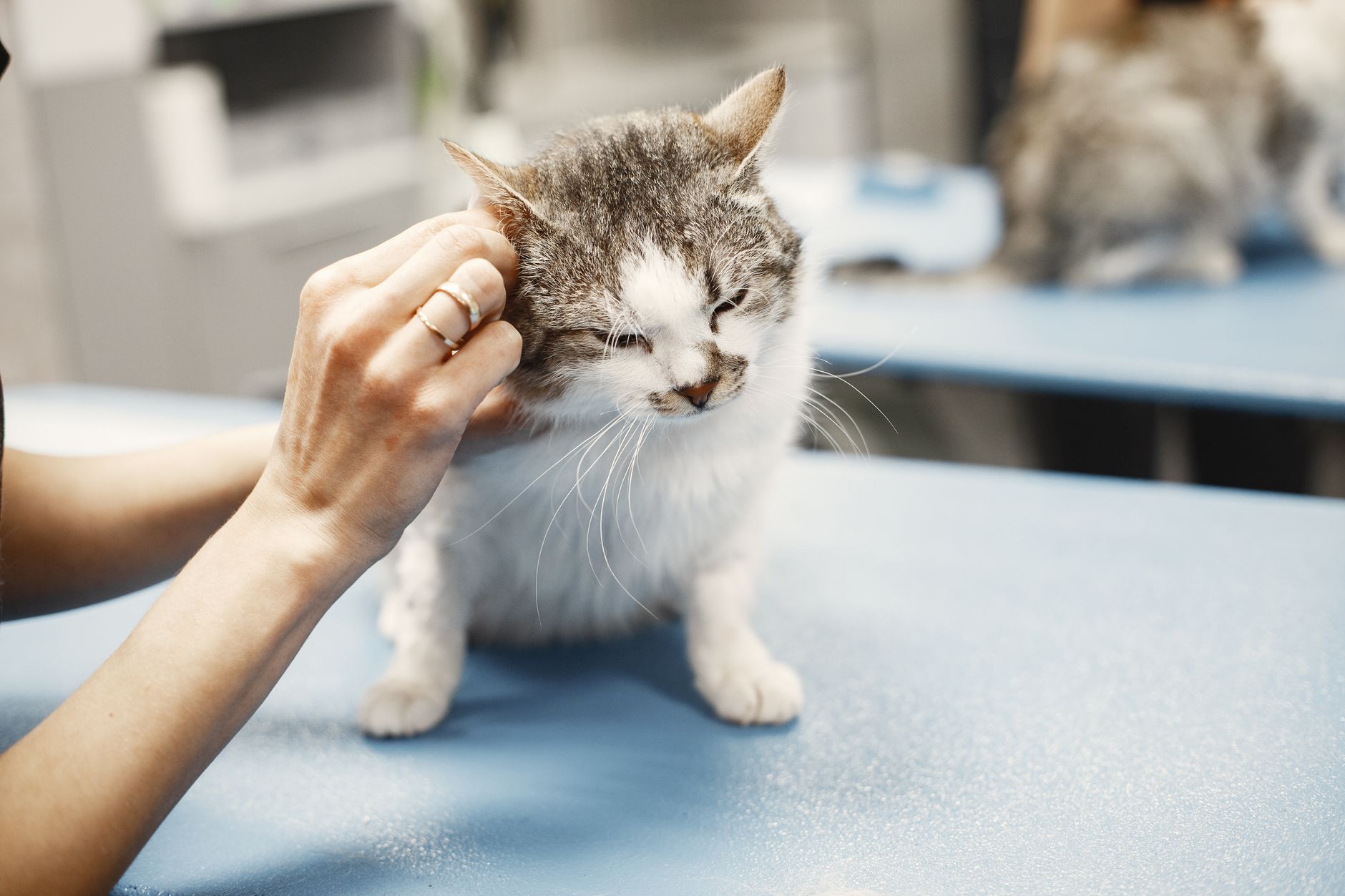
While Kinkalows are generally robust, their unique physical traits—specifically their short legs (chondrodysplasia) and curled ears—introduce distinct genetic susceptibilities. As a vet, my clinical focus with this breed centers on joint longevity, spinal health, and meticulous ear canal hygiene to prevent chronic issues.
Osteoarthritis
The gene responsible for their short legs (chondrodysplasia) alters joint mechanics, putting abnormal wear and tear on their limbs over time. This frequently leads to early-onset osteoarthritis, particularly in the elbows and hips.
Lordosis
This is a spinal deformity characterized by an abnormal inward curvature of the spine, which is a known risk in short-legged breeds. In severe cases, it can compress internal organs, particularly the heart and lungs.
Pectus Excavatum
A congenital deformity where the breastbone (sternum) sinks into the chest, narrowing the thoracic cavity. This can be inherited from the Munchkin lineage and can range from mild to life-threatening.
Otitis Externa
Because of the unique backward curl of their ears, the ear cartilage is stiff and the ear canals can be unusually narrow or prone to debris accumulation. This creates a warm, dark environment ripe for yeast and bacterial infections.
Obesity
Carrying even a single extra pound puts immense, dangerous mechanical stress on a Kinkalow’s short limbs and spine. Weight management is the single most critical preventative health measure an owner can take.
How long do Kinkalows typically live?
With diligent preventative veterinary care, a high-quality diet, and strict weight management, a Kinkalow can enjoy a long lifespan of 12 to 15 years.
What to Feed a Kinkalow
Proper nutrition is the cornerstone of a Kinkalow’s health, directly impacting their joint lifespan and energy levels. Because they are prone to joint strain, preventing obesity through precise portion control is my primary clinical recommendation.
Best Diet
I highly recommend a high-protein, low-carbohydrate wet diet formulated for their life stage (kitten, adult, or senior). Wet food provides essential hydration to support kidney health while keeping calorie density manageable.
How to Feed
Establish a strict feeding schedule of 2 to 3 small, measured meals per day rather than free-feeding kibble. Free-feeding is a major driver of feline obesity, which is exceptionally dangerous for short-legged breeds.
How Much to Feed
Portions should be calculated using exact caloric needs based on their target weight (usually 150 to 220 calories daily). Consult your veterinarian to tailor these amounts precisely, adjusting for your cat’s specific activity level and body condition score.
Nutritional Tips
Incorporate joint supplements containing glucosamine, chondroitin, and Omega-3 fatty acids early in life to support cartilage health. Avoid carb-heavy treats; opt for freeze-dried single-ingredient meats instead.
Kinkalow Grooming Guide
Grooming a Kinkalow is generally straightforward, but it requires specialized attention to their unique ears. Establishing a calm grooming routine during kittenhood makes these essential health checks a stress-free bonding experience.
Coat Care
Brush short-haired Kinkalows once a week, and semi-longhaired varieties two to three times a week using a slicker brush. This prevents matting, removes dead hair, and stimulates healthy skin oils.
Skin Care
Their skin is generally healthy, but regular brushing helps distribute natural oils to prevent dry, flaky patches.
Eye Care
They do not typically have major ocular issues, but wiping the inner corners of their eyes with a damp, soft cloth weekly keeps them clean.
Ear Care
Examine their curled ears weekly for dirt, wax, or redness. Because the cartilage is stiff, never bend or force the ear pinna, and clean only with a vet-approved flush and a cotton ball—never cotton swabs.
Nail & Dental Care
Trim their nails every two to three weeks to prevent snagging, and brush their teeth daily with feline-safe toothpaste to combat periodontal disease.
Considerations for Pet Parents
Pros
- Extremely affectionate and socially engaging
- Charming, perpetually kitten-like appearance and energy
- Adapts wonderfully to multi-pet households
- Highly intelligent and responsive to clicker training
- Compact size makes them perfect for apartment living
- Minimal shedding compared to heavy-coated breeds
Cons
- High risk of joint and spinal issues due to dwarfism
- Requires meticulous, life-long ear canal care
- Prone to separation anxiety if left alone too long
- Extremely rare and difficult to source from ethical breeders
Best For
Attentive owners or families with older children who are home frequently and committed to proactive joint care, weight management, and routine veterinary visits.
Not Recommended For
Busy households where the cat will be left alone for 8+ hours a day, or families with very young children who might accidentally injure the cat’s delicate skeletal system.
Cost
- purchase price$1,500 to $3,500
- monthly cost$100 to $180
- initial setupExpect to spend $600 to $1,200 initially on specialized low-profile scratching posts, steps, veterinary exams, vaccines, microchipping, and high-quality food.
Similar Breeds


Kinkalow FAQs
Why are a Kinkalow’s ears curled?
Their unique ears are a genetic trait inherited from the American Curl parent. The cartilage at the base of the ear is firm and sweeps backward in an elegant arc, a feature that develops within the first few weeks of a kitten’s life.
Can Kinkalows jump despite their short legs?
Yes, they can jump, but their vertical range is significantly reduced compared to standard-legged cats. They are incredibly resourceful and will use a series of smaller leaps, scrambling, or climbing to reach higher vantage points.
Do Kinkalows have back problems like Dachshunds?
While cats have a much more flexible spine than dogs, Kinkalows are still at an elevated risk for spinal issues like lordosis. Keeping them at a lean, healthy weight is vital to prevent extra physical strain on their vertebral column.
Are Kinkalow kittens born with curled ears?
No, Kinkalow kittens are born with straight ears. The ears typically begin to curl backward within 10 to 14 days after birth, gradually hardening into their permanent shape by about four months of age.
Is the Kinkalow recognized as an official breed?
The Kinkalow is recognized as an Experimental Breed by The International Cat Association (TICA). Because it is a newer hybrid, it is not yet fully recognized by more conservative registries like the Cat Fanciers’ Association (CFA).
How often should I clean my Kinkalow’s ears?
I recommend checking their ears weekly. Due to the stiff, curled cartilage, their ear canals can trap wax and moisture easily, so cleaning them with a vet-approved liquid cleaner every 1 to 2 weeks is highly beneficial.
Are Kinkalows hypoallergenic?
No, Kinkalows are not hypoallergenic. They produce the Fel d 1 protein in their saliva and dander just like other cats, meaning they can still trigger reactions in allergy sufferers.
What is the temperament of a Kinkalow?
They are playful, sweet, and highly people-oriented cats. Many owners describe them as ‘dog-like’ because they love following humans around, fetching toys, and participating in family activities.
How do I prevent joint pain in my Kinkalow?
Preventing joint pain involves two key steps: keeping your cat at a strict, lean body weight and introducing low-impact ramps or steps to assist them onto high furniture, reducing the impact shock of jumping down.
Are there long-haired Kinkalows?
Yes, depending on the coat types of the parent breeds, Kinkalows can be born with either short, sleek coats or semi-long, plush coats. The long-haired variety requires slightly more frequent brushing to prevent mats.
What should I look for in a Kinkalow breeder?
Always choose a breeder who performs genetic screening for hereditary defects, provides veterinary health certificates, and raises kittens in a home environment. Avoid any breeder who cannot show you clean veterinary clearances for both parent lines.
Can Kinkalows be left alone during the work day?
They can manage short periods, but they are highly social and prone to loneliness. If you must be away for long stretches, providing them with a feline companion or engaging puzzle toys is highly recommended to keep them stimulated.