
Toyger Breed Guide

Quick Summary
The Toyger is a striking, highly intelligent, and muscular cat bred to replicate the look of a wild tiger while retaining a thoroughly domesticated, affectionate temperament. In my years treating this breed, I have found they thrive best in active, enrichment-filled homes where owners can commit to daily mental stimulation and interactive play. They are a wonderful match for families seeking an outgoing, trainable companion with a unique aesthetic.
As an Amazon Associate, we earn from qualifying purchases.
Popular with Toyger owners: Cat Tree · Puzzle Toys · Cat Food
Quick Facts
- origin countryUnited States
- breed groupShorthair Cat
- sizeMedium to Large
- weight range7 to 15 lbs (3.2 to 6.8 kg)
- height range9 to 13 inches (23 to 33 cm)
- lifespan10 to 15 years
- coat typeShort, plush, thick, with a distinct ‘glitter’ effect
- common colorsBrown Mackerel Tabby (bold black or brown stripes on an orange-tan ground color)
- other namesToy Tiger
- recognized byTICA
Caring for a Toyger
Living with a Toyger is like sharing your home with an athletic, highly inquisitive toddler who never quite grows up. In my clinical experience, these cats do not do well when left idle; they require daily puzzle feeders, sturdy climbing trees, and structured interactive play to channel their energy. I always tell owners to secure their cabinets and doors, as their problem-solving skills mean they will quickly learn how to open them. Expect a highly social companion that wants to participate in every household activity, from supervising your morning routine to curling up on your lap in the evening.
Is a Toyger a good family pet?
Yes, their confident, friendly, and robust nature makes them excellent family pets, particularly for active households with children who respect boundaries. I frequently see them thrive on the social stimulation and interactive games that kids readily provide.
Do Toygers shed a lot?
No, they are relatively low shedders thanks to their short, plush, and dense coat. A simple weekly brushing session with a soft slicker brush or a rubber grooming mitt is usually more than enough to manage loose hairs.
Is a Toyger good for first-time owners?
While incredibly sweet, their high demand for mental stimulation and physical activity can overwhelm an unprepared novice. I recommend them to first-time owners only if they are fully committed to providing daily enrichment, puzzle toys, and interactive play.
Temperament & Personality
The Toyger’s temperament is a delightful contradiction to its wild, tiger-like aesthetic: they are exceptionally sweet-natured, deeply affectionate, and highly social. In my clinic, I often observe them greeting veterinary staff with confident tail-swishes and head-butts rather than hiding. They possess an intense curiosity and high intelligence, meaning they need to understand everything happening in their territory. If you want a quiet, aloof cat that sits passively on a shelf, the Toyger is definitely not the breed for you.
Globlazer XXL Cat Tower for Multiple Cats
- ✓Multi-level tower for multi-cat homes
- ✓3 top perches
- ✓Spacious condos to hide and nap
- Gives cats vertical space to climb, scratch and nap, which reduces stress and keeps them off your shelves
Is a Toyger good with other pets?
Yes, their outgoing and confident nature makes them excellent companions for other cats and cat-friendly dogs. In my practice, I find they integrate smoothest when introduced slowly using positive reinforcement and scent swapping over 7 to 14 days.
How much attention does a Toyger need?
They need a significant amount of daily interaction, usually at least 30 to 45 minutes of direct play and mental training. Toygers left alone for long stretches without stimulation can develop stress-induced behaviors like over-grooming or destructive scratching.
Training & Behavior
Because of their Bengal ancestry, Toygers are incredibly quick learners who respond exceptionally well to clicker training and positive reinforcement. I have seen clients successfully train their Toygers to walk on harnesses, retrieve toys, and even complete agility courses. The secret is keeping training sessions short—about 3 to 5 minutes—and highly rewarding with high-value treats like freeze-dried chicken.
Training Tips
- Use clicker training for rapid association
- Keep training sessions short and positive (3-5 minutes)
- Incorporate high-value protein treats to keep interest high
- Train harness and leash walking early in life
- Redirect unwanted behaviors with interactive toys
Fun Activities
- Harness walking in quiet parks
- Feline agility courses
- Retrieving small crinkle balls
- Solving advanced level-3 puzzle feeders
- Playing with water in safe, shallow trays
Is a Toyger easy to train?
Yes, they are among the easiest cat breeds to train due to their high intelligence and strong desire to interact with their owners. I always tell my clients that if they don’t train their Toyger, the Toyger will train them to open doors and deliver treats on demand.
Toyger Health Issues

Toygers are generally a robust and structurally sound breed, but their relatively small gene pool makes them susceptible to specific inherited genetic conditions. In my years treating this breed, proactive screening via cardiac ultrasounds and DNA testing is essential to catching potential issues early.
Hypertrophic Cardiomyopathy (HCM)
A genetic condition where the heart muscle thickens, potentially leading to heart failure or arterial thromboembolism. I recommend yearly echocardiograms for breeding cats to screen for this silent killer.
Progressive Retinal Atrophy (PRA)
An inherited degenerative eye disease that causes slow, bilateral degeneration of the retina, eventually leading to complete blindness. A simple DNA test can identify carriers before they are bred.
Pyruvate Kinase Deficiency (PK Def)
An inherited hemolytic anemia caused by a lack of the pyruvate kinase enzyme, resulting in the premature destruction of red blood cells. Fortunately, this can be easily ruled out with a modern buccal swab DNA test.
Catstages Tower of Tracks Interactive Cat Toy
- ✓Three levels of tracks with six spinning balls
- ✓Non-slip base keeps the tower in place
- ✓Lets several cats play at once
- Keeps indoor cats and kittens active on their own
- Taps into the instinct to chase and bat
Flat-Chested Kitten Syndrome (FCKS)
A developmental deformity found in kittens where the rib cage compresses, which can restrict lung expansion. Early intervention with physical therapy under a vet’s guidance can often resolve mild-to-moderate cases.
Feline Infectious Peritonitis (FIP) Susceptibility
While any cat can develop FIP from mutated feline coronavirus, some pedigree bloodlines exhibit a genetic predisposition to this inflammatory disease. Modern antiviral therapies have vastly improved the prognosis of this once-fatal disease.
How long do Toygers typically live?
With excellent veterinary care, a high-quality diet, and an indoor-only lifestyle, Toygers routinely live between 10 and 15 years. Regular biannual senior blood screenings starting at age seven are key to maximizing their lifespan.
What to Feed a Toyger
Toygers are muscular, high-energy cats that require a diet rich in highly digestible animal proteins to maintain their lean body mass. What I see most often in practice is active young Toygers maintaining an ideal body condition score (BCS), but they quickly become prone to obesity if transitioned to sedentary, free-fed diets as they mature.
Best Diet
I highly recommend a diet consisting primarily of high-quality, meat-first wet foods, supplemented with high-protein dry kibble to encourage chewing. Wet food is crucial for maintaining optimal hydration and supporting urinary tract health, which I closely monitor in active breeds.
How to Feed
Feed your Toyger measured portions on a strict twice-daily schedule rather than free-feeding. I strongly advocate for utilizing puzzle toys or microchip feeders to slow down their eating and provide a satisfying mental challenge during mealtime.
How Much to Feed
Portion sizes should be calculated based on your Toyger’s ideal target weight, metabolic rate, and activity level, typically averaging 200 to 280 calories daily for an adult. Always consult your veterinarian to customize a precise caloric plan, especially after neutering or spaying when metabolic rates drop.
Nutritional Tips
Incorporate Omega-3 fatty acid supplements, such as wild-caught salmon oil, to support their unique, glittering coat and joint health. Ensure they always have access to clean, fresh water, preferably from a running pet fountain to encourage drinking.
Toyger Grooming Guide
The Toyger’s grooming routine is exceptionally simple compared to long-haired breeds, making coat maintenance a breeze for owners. However, their physical care must extend beyond their fur to include diligent attention to their teeth, nails, and ears.
Coat Care
Brush your Toyger once a week with a rubber grooming mitt or a soft bristle brush to remove loose undercoat and distribute natural skin oils. This weekly ritual is also an excellent opportunity to check for any unusual skin lumps, parasites, or dry patches.
Skin Care
Their skin is generally healthy, but look out for chin acne, which can occur if they feed from plastic bowls. Switch to stainless steel, ceramic, or glass dishes to prevent bacterial buildup.
Ear Care
Inspect their ears bi-weekly for mild wax buildup or redness; clean them gently using a vet-approved ear flush and a cotton ball, never inserting cotton swabs into the canal.
Nail & Dental Care
Trim their nails every 2 to 3 weeks and brush their teeth daily using feline-safe enzymatic toothpaste to prevent periodontal disease, which is a common clinical finding in purebred cats.
Considerations for Pet Parents
Pros
- Striking, unique wild-tiger aesthetic with a domestic soul
- Highly intelligent and exceptionally easy to clicker train
- Very affectionate and loves bonding with family members
- Low-maintenance coat that sheds minimally
- Outgoing personality that typically handles guests well
- Generally gets along beautifully with other cats and dogs
Cons
- Requires extensive daily mental and physical stimulation
- Expensive to purchase from reputable, ethical breeders
- Can become destructive or vocal if bored or lonely
- High curiosity means they are prone to escaping or getting into cabinets
Best For
Active families, experienced cat owners, or households where someone is home during the day to provide play, puzzle games, and regular interactive companionship.
Not Recommended For
Individuals who work long hours outside the home and cannot provide environmental enrichment, or those seeking a quiet, sedentary lap cat that requires minimal daily effort.
Cost
- purchase price$1,500 to $3,500 USD
- monthly cost$80 to $150 USD
- initial setupExpect to spend $500 to $800 initially on high-quality vertical scratching posts, tall cat trees, puzzle toys, a carrier, and essential spay/neuter/microchip procedures.
-
Purina Friskies Pate Wet Cat Food Variety PackA high-protein, complete diet suits cats’ needs as obligate carnivores
-
Greenies Feline Smartbites Indoor Cat TreatsHairball formulas help swallowed fur pass through, so long-haired cats cough up fewer hairballs
-
Veken 95oz Pet Water FountainMoving, filtered water encourages pets to drink more, which supports kidney and urinary health
Similar Breeds
Related Cat Guides
Toyger FAQs
Are Toygers hypoallergenic?
No breed is truly hypoallergenic. Toygers produce Fel d 1 protein in their saliva and dander, though their short, low-shedding coat may spread less allergen around the house compared to long-haired breeds.
Why do Toygers have a ‘glitter’ coat?
This is a unique genetic trait inherited from their Bengal ancestors. The hair shafts are hollow or translucent, refracting light to give the fur an iridescent, shimmering gold appearance under sunlight.
Do Toygers like water?
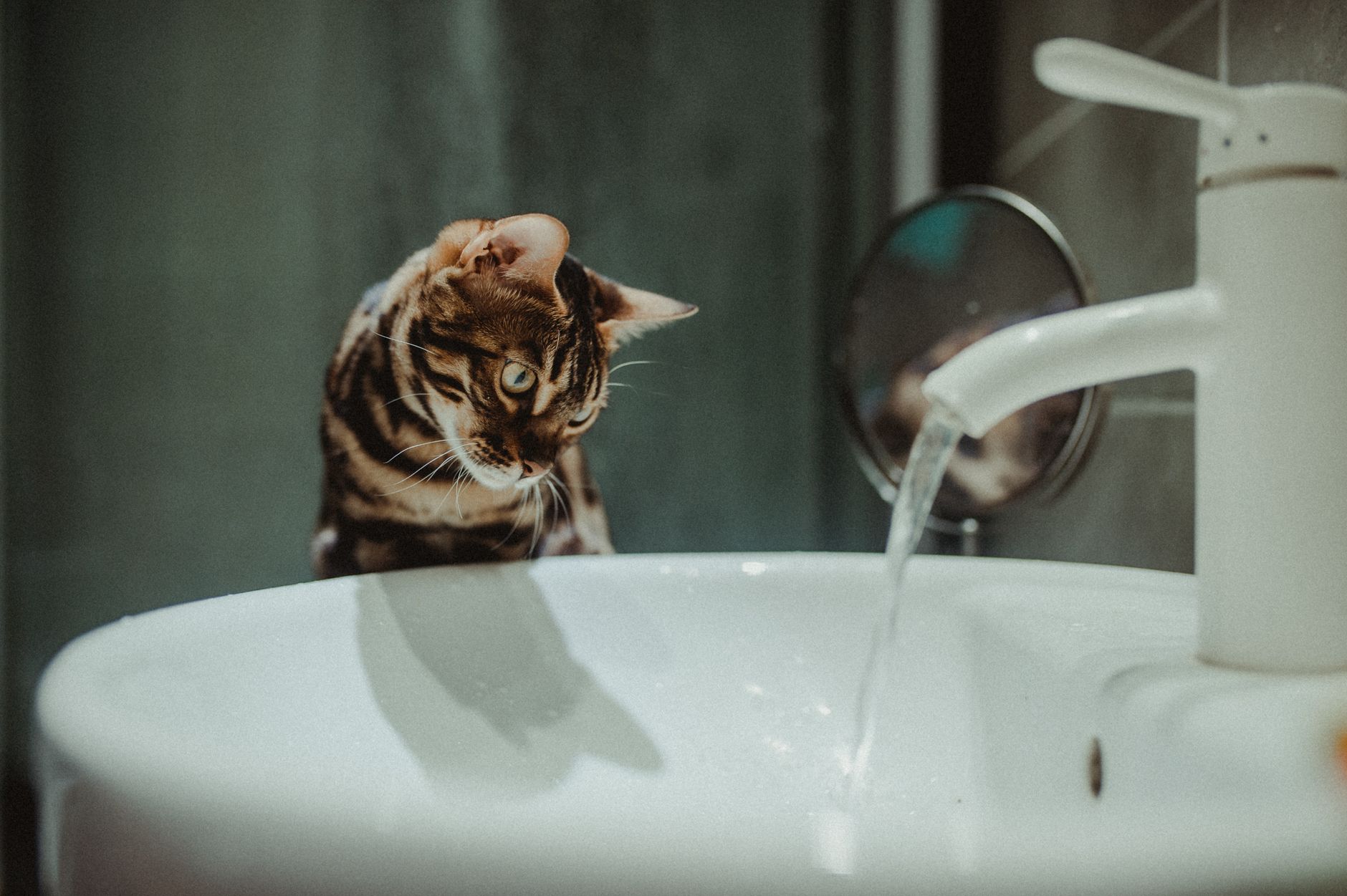
Yes, many Toygers inherit a fascination with water from their Bengal roots. Do not be surprised if they try to join you in the shower, splash in their water bowl, or play with water in safe, shallow trays.
How big do Toygers get?
Males average 10 to 15 pounds, while females are slightly smaller at 7 to 10 pounds. They are long, muscular, and low-slung, giving them a heavy, substantial feel.
Can Toygers live in small apartments?
Yes, but only if you maximize vertical space. I recommend installing cat shelves and a ceiling-high cat tree so they can burn off energy climbing, along with daily interactive play sessions.
How do I prevent my Toyger from scratching furniture?
Provide multiple tall, sturdy scratching posts wrapped in sisal rope. Direct them to these posts using catnip or silvervine spray, and reward them when they use them.
Do Toygers get lonely?
Yes, they are highly social and form deep bonds. If left alone for more than 6-8 hours daily, I highly recommend getting a second active cat or a dog to keep them company.
Are Toygers recognized by major registries?
Yes, they are recognized by TICA (The International Cat Association) for championship status, but are not currently recognized by the CFA (Cat Fanciers’ Association).
Do Toygers have wild DNA?
No, despite their wild appearance, modern Toygers are fully domestic cats bred from Bengals and domestic shorthairs to select for the tiger-stripe pattern without wild temperaments.
How can I tell a Toyger from a Bengal?
Toygers have circular head markings, shorter ears, and vertical ‘mackerel’ stripes, whereas Bengals typically feature rosettes or marbled spots and a more wedge-shaped head.
Are Toygers prone to dental disease?
Like many purebreds, they can develop gingivitis and periodontal disease. I emphasize daily brushing and annual professional veterinary dental cleanings to my clients to keep their mouths healthy.
What type of litter box is best for a Toyger?
Because they are long-bodied and athletic, they require extra-large or high-sided litter boxes to prevent accidents. Make sure it is cleaned daily to prevent litter box avoidance.
Should I let my Toyger go outside?
I strongly advise keeping your Toyger indoors or only allowing outdoor access in a secure ‘catio’ or on a harness. Their exotic look makes them high targets for theft, and they face risks from vehicles, toxins, and predators.