
Petit Basset Griffon Vendeen Breed Guide
Quick Summary
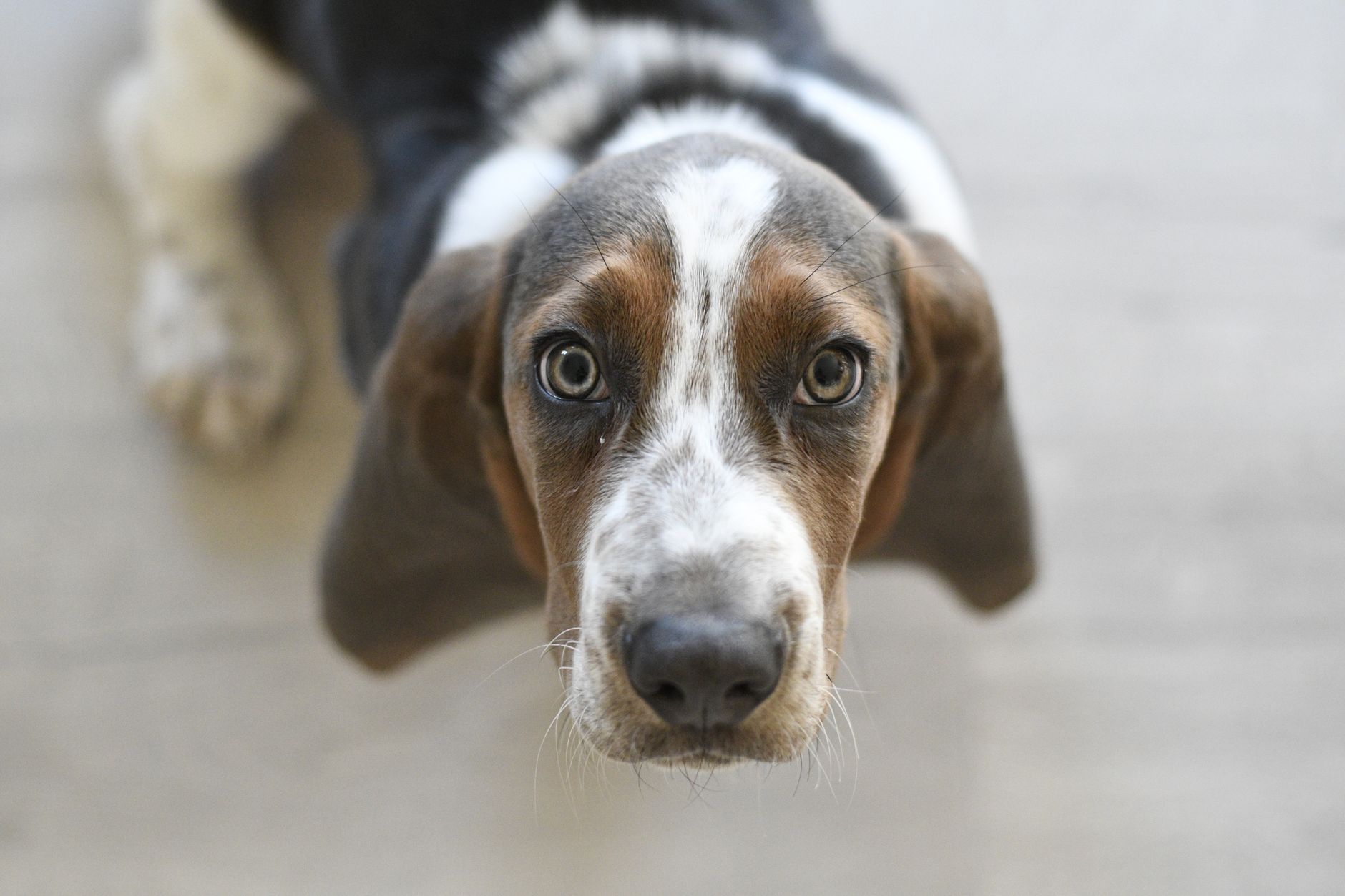
As a veterinarian, I describe the Petit Basset Griffon Vendeen (PBGV) as a compact, joyful dynamo wrapped in a scruffy, weather-resistant coat. These high-energy French scent hounds possess an infectious enthusiasm for life, making them exceptional companions for active, patient owners who can manage their independent streak and strong hunting instincts.
As an Amazon Associate, we earn from qualifying purchases.
Popular with Petit Basset Griffon Vendeen owners: Dog Shampoo · Hip & Joint Supplement · Chew Toys
Quick Facts
- origin countryFrance
- breed groupHound
- sizeSmall to Medium
- weight range25 – 40 lbs (11 – 18 kg)
- height range13 – 15 inches (33 – 38 cm)
- lifespan12 – 14 years
- coat typeRough, harsh, medium-length double coat
- common colorsWhite with tri-color, lemon, orange, black, or sable markings
- other namesPBGV, Petit Basset, The Happy Breed
- recognized byAKC, UKC, FCI, KC
Caring for a Petit Basset Griffon Vendeen
In my years treating this breed, I’ve found that day-to-day life with a PBGV is an exercise in active amusement. These busy little hounds are constantly looking for their next adventure, and a bored PBGV is almost always a mischievous one. Their powerful noses dictate much of their behavior, meaning daily mental stimulation and robust physical exercise are non-negotiable. I always tell owners that they must expect a dog that pulls on leash and attempts to dig out of fences if they catch a scent.
Is a Petit Basset Griffon Vendeen a good family pet?
Absolutely, they make joyful family pets who genuinely adore children and participate enthusiastically in family games. However, I advise parents to supervise play because their high energy and natural hound baying can sometimes overwhelm toddlers.
Do Petit Basset Griffon Vendeens shed a lot?
They are moderate shedders, but their harsh double coat tends to trap loose hairs within the undercoat rather than dropping them on your furniture. I tell my clients that weekly thorough brushing is mandatory to prevent these trapped hairs from forming painful mats.
Is a Petit Basset Griffon Vendeen good for first-time owners?
I typically steer first-time owners toward less demanding breeds due to the PBGV’s strong independent streak and hunting instincts. They require a confident handler who understands positive reinforcement and can patiently manage a dog that often prioritizes scent over commands.
Temperament & Personality
What I see most often in practice is a dog with an infectiously happy, extroverted disposition. The PBGV is famously known as the ‘happy breed,’ and my clinical experience confirms this cheerful attitude is entirely genuine. They are highly inquisitive, social, and carry themselves with a charmingly proud, busy demeanor. However, this happiness is coupled with a typical hound stubbornness and a loud voice that they love to use when excited or alert.
Is a Petit Basset Griffon Vendeen good with other pets?
Generally, yes, as pack hounds they usually enjoy the company of other dogs and get along well in multi-dog homes. However, their incredibly high prey drive makes them unsafe companions for small pocket pets or neighborhood cats.
Burt’s Bees for Pets Oatmeal Dog Shampoo
- ✓Colloidal oat flour soothes dry skin
- ✓Honey and beeswax condition the coat
- ✓Sulfate- and paraben-free, pH balanced for dogs
- A gentle, pH-balanced dog shampoo cleans without stripping the natural oils that protect skin and coat
How much attention does a Petit Basset Griffon Vendeen need?
They demand a high level of daily interaction and do not tolerate isolation well, often developing separation anxiety. I routinely counsel owners that leaving a PBGV alone for 8 to 10 hours a day is a recipe for destructive chewing and incessant baying.
Training & Behavior
I always tell owners that training a PBGV requires a blend of supreme patience, endless creativity, and high-value treats to compete with their scent drive. In my clinical observations, traditional drilling or harsh corrections fail completely, causing them to simply shut down or ignore you. You must make training feel like a collaborative game where they believe your command was actually their idea.
Training Tips
- Use high-value, smelly treats like freeze-dried liver to compete with outdoor scents.
- Keep training sessions short (5-10 minutes) and highly engaging to match their busy minds.
- Begin recall training on day one, but never trust a PBGV off-leash in an unfenced area.
- Implement crate training early to manage housebreaking and prevent destructive separation behaviors.
- Practice quiet commands early to manage their natural tendency to bay and bark.
Fun Activities
- Scent work and nosework games
- Agility trials
- Barn Hunt competitions
- Conformation showing
- Sturdy hiking on a long line
- Interactive puzzle toy challenges
Is a Petit Basset Griffon Vendeen easy to train?
They are highly intelligent but incredibly independent, meaning they learn quickly but choose when to obey. I warn my clients that ‘easy’ is not the word to describe training this breed; it requires consistent, lifelong reinforcement of basic boundaries.
Petit Basset Griffon Vendeen Health Issues
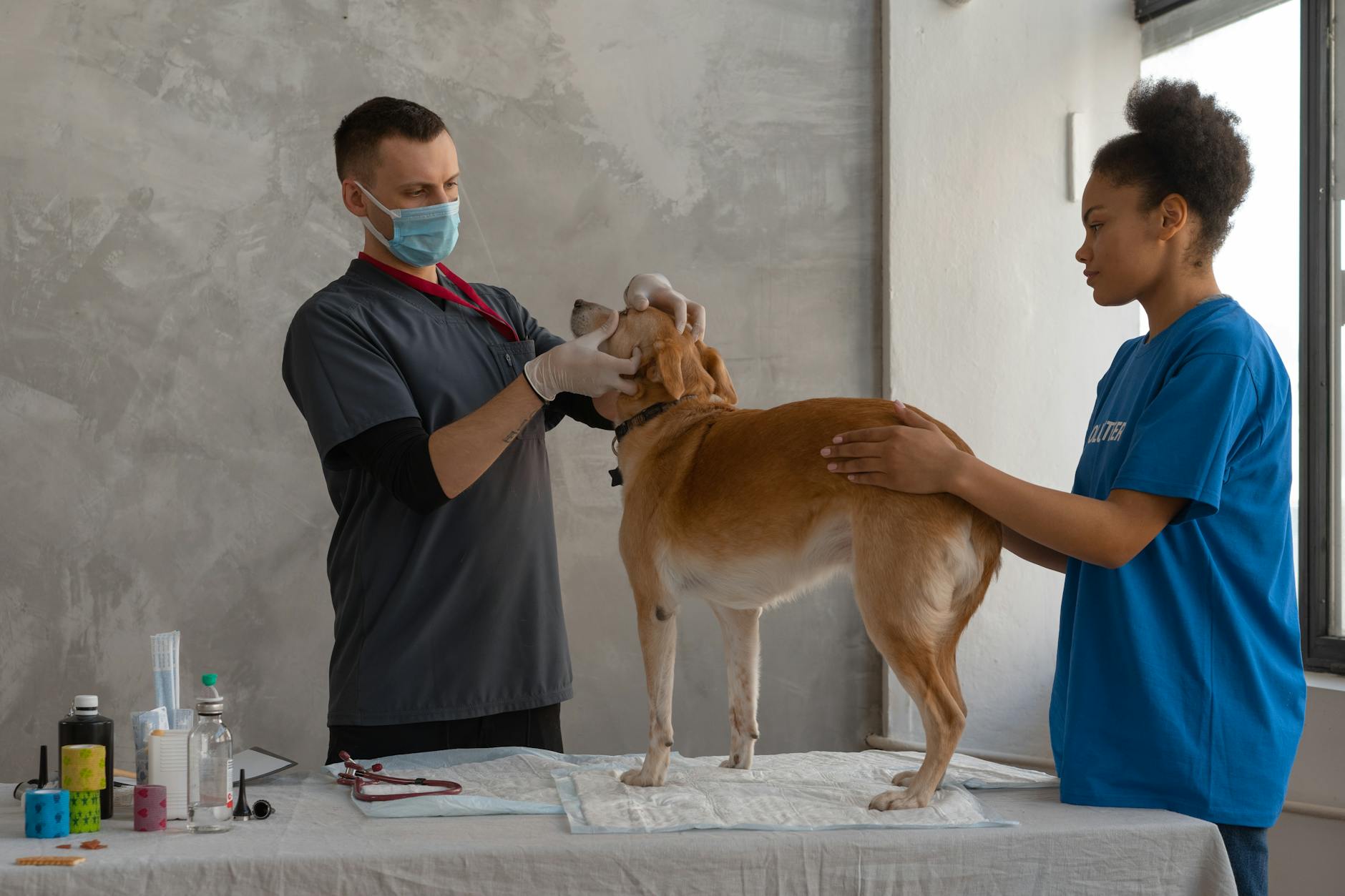
Clinically speaking, the PBGV is a remarkably robust and long-lived hound, but they do carry genetic predispositions that every owner must monitor. Responsible breeding practices and DNA testing have significantly reduced the incidence of several inherited diseases, but vigilance is key.
PBGV Pain Syndrome (Steroid-Responsive Meningitis-Arteriitis / SRMA)
An immune-mediated inflammatory disease affecting the blood vessels and meninges of young PBGVs, typically presenting between 6 and 18 months of age. It requires prompt diagnosis and aggressive immunosuppressive steroid therapy to resolve.
Primary Lens Luxation (PLL)
An inherited eye disorder where the fibers supporting the lens disintegrate, causing the lens to displace from its normal position. This can lead to rapid onset of painful secondary glaucoma and permanent blindness if not surgically addressed.
VetIQ Glucosamine Hip & Joint Chews
- ✓Soft chews dogs take like a treat
- ✓Glucosamine to support mobility
- ✓Good for senior dogs
- Glucosamine and chondroitin chews support cartilage and mobility, especially in large, senior and dysplasia-prone dogs
Persistent Pupillary Membranes (PPM)
A congenital condition where blood vessel remnants that nourished the lens during fetal development fail to wither away. While often minor, severe cases can cause cataracts or corneal opacities that impair vision.
Hip Dysplasia
A skeletal condition where the ball-and-socket joint of the hip does not form properly, leading to gradual cartilage wear, painful arthritis, and mobility issues. In my practice, weight management is critical to reducing strain on these joints.
Hypothyroidism
An underactive thyroid gland that fails to produce sufficient hormone, slowing down the dog’s metabolism. It is highly treatable with daily oral synthetic hormone replacement.
How long do Petit Basset Griffon Vendeens typically live?
A healthy PBGV typically enjoys a long lifespan of 12 to 14 years. In my practice, keeping them at an optimal body condition score significantly extends their active, comfortable senior years.
What to Feed a Petit Basset Griffon Vendeen
From my clinical perspective, managing a PBGV’s nutritional intake is primarily a fight against obesity. Because they are low-slung dogs with long spines, excess weight can be absolutely devastating to their joints and back health.
Best Diet
I recommend a high-quality, commercially prepared or veterinary-formulated dry kibble tailored to medium-sized breeds with moderate to high activity levels. As they age, transitioning to a senior formula containing joint supplements like glucosamine and chondroitin is highly beneficial.
How to Feed
Divide their daily caloric intake into two equal meals, fed in the morning and evening. Avoid free-feeding, as PBGVs are opportunistic scavengers who will happily eat until they are physically ill.
How Much to Feed
Generally, an adult PBGV requires about 1.5 to 2 cups of high-quality dry kibble daily, split between two meals. However, this varies widely based on individual metabolic rate and daily activity levels, so you should always consult your veterinarian to calculate exact caloric needs.
Nutritional Tips
Incorporate fresh, low-calorie treats like green beans or baby carrots during training to avoid caloric overload. Avoid feeding table scraps, particularly fatty foods, as PBGVs can be prone to pancreatitis.
Petit Basset Griffon Vendeen Grooming Guide
I always warn my clients that the PBGV’s hallmark tousled, rustic look is achieved through deliberate care, not neglect. Neglecting their coat leads to dense, painful mats that trap moisture and cause secondary bacterial skin infections.
Coat Care
Brush the coat thoroughly at least twice a week using a pin brush and a metal slicker to remove dead undercoat. To maintain the harsh texture, they should be hand-stripped every few months rather than clipped, which softens the coat and dulls the color.
Skin Care
Bathe only when necessary, typically every 4 to 6 weeks, using a mild oatmeal or soap-free dog shampoo to preserve their natural skin oils. Always dry the coat thoroughly to prevent yeast overgrowth in the dense undercoat.
Eye Care
Trim the long eyebrows slightly if they irritate the eyes, and wipe away discharge daily to prevent tear staining and conjunctivitis.
Ear Care
Because of their long, drop ears, air circulation is poor, creating a perfect dark, moist environment for yeast and bacteria. Clean their ears weekly with a veterinarian-approved drying cleanser and pluck excess hair from the canal if recommended.
Nail & Dental Care
Trim nails every 3 to 4 weeks, and brush their teeth at least three times weekly to prevent periodontal disease, which is highly prevalent in small-to-medium active dogs.
Considerations for Pet Parents
Pros
- Joyful and contagiously happy personality
- Extremely affectionate and great with children
- Sturdy, active companions for outdoor adventures
- Generally good social relationships with other dogs
- Distinctive, charming rustic appearance
- Alert watchdogs who will always notify you of visitors
Cons
- High tendency to bay, bark, and make loud hound noises
- Strong prey drive and poor off-leash reliability
- Independent nature can make training a slow, patient process
- Require regular, consistent grooming to prevent matting
- High exercise needs that cannot be skipped
Best For
The PBGV is best for active households, particularly families with older children, who enjoy outdoor activities like hiking and can dedicate at least an hour daily to vigorous exercise and scent work.
Not Recommended For
I do not recommend this breed for apartment dwellers with strict noise rules, sedentary owners, or individuals who expect a perfectly obedient, off-leash companion.
Cost
- purchase price$1,500 – $3,000
- monthly cost$120 – $200
- initial setupInitial setup costs, including crate, collar, durable toys, puppy shots, and spay/neuter surgery, typically range from $800 to $1,500. Additionally, I advise owners to budget for professional grooming and regular ear cleansers.
-
Frienhund Tough Dog Chew Toys, 3 PackDurable chew toys give strong jaws a safe outlet and save your furniture and shoes
-
CWAWZ Orthopedic Cooling Gel Memory Foam Dog Bed, XLSupportive foam cushions hips and joints, ideal for large, senior or dysplasia-prone dogs
-
AMZNOVA Dog Treat PouchA clip-on treat pouch keeps rewards at hand so you can mark good behaviour instantly
Similar Breeds

Related Dog Guides
Petit Basset Griffon Vendeen FAQs
How noisy is a Petit Basset Griffon Vendeen?
The PBGV is a highly vocal breed with a deep, loud hound bay that they use to communicate excitement, boredom, or alarm. In my practice, owners who live in close quarters often struggle with this, making early ‘quiet’ training and ample mental stimulation essential.
What is PBGV Pain Syndrome?
Also known as Steroid-Responsive Meningitis-Arteriitis (SRMA), this is an autoimmune condition that causes inflammation of the blood vessels and spinal lining in young PBGVs. It presents as severe neck pain, high fever, and lethargy, but responds very well to early, aggressive veterinary treatment with corticosteroids.
How much exercise does a PBGV need daily?
A PBGV requires at least 60 to 90 minutes of active exercise daily, including structured walks, off-leash play in a securely fenced yard, and mental games like scent work. Without this outlet, they will channel their frustration into destructive behaviors like digging, chewing, and excessive baying.
Are PBGVs prone to ear infections?
Yes, their long, heavy drop ears restrict airflow, creating a warm, damp environment ideal for yeast and bacterial infections. I always tell owners to inspect and clean their PBGV’s ears weekly with a veterinary-recommended drying solution and dry them thoroughly after swimming or bathing.
Can a PBGV be let off-leash?
In my professional opinion, a PBGV should never be let off-leash in an unsecured, open area. As scent hounds, once they lock onto a smell, their predatory drive completely overrides their training, and they will run blindly after the scent, ignoring all recall commands.
Are they easy to housebreak?
Like many hound breeds, PBGVs can be moderately slow to housebreak due to their independent nature. I recommend a strict crating and feeding schedule, frequent outdoor trips, and immediate positive reinforcement with high-value treats to establish reliable habits.
Do PBGVs dig?
Yes, they have a strong instinct to dig, which stems from their heritage of flushing game out of dense thickets. If left unsupervised in a yard, they can quickly excavate under fences, so I recommend burying wire along the fence line or providing a designated digging pit.
Should I clip or hand-strip my PBGV’s coat?
If you want to maintain the characteristic harsh, weather-resistant texture and bright coloring of the breed, hand-stripping is highly recommended. Clipping with electric shears cuts the dead hair rather than pulling it out, which eventually makes the coat soft, curly, and more prone to matting.
Are PBGVs prone to separation anxiety?
Yes, these are highly social pack dogs who bond intensely with their human families and thrive on companionship. If left alone for long periods without prior conditioning and mental stimulation, they are highly prone to developing severe separation anxiety, manifested as destructive chewing and howling.
Are they good swimmers?
While individual interest varies, PBGVs are generally capable swimmers due to their athletic nature, but their low-slung build and heavy coat can make them tire quickly. I recommend supervising them closely around water and utilizing a dog life jacket for safety during deep-water activities.
What eye problems affect PBGVs?
The most significant genetic eye conditions in PBGVs are Primary Lens Luxation (PLL) and Glaucoma. I strongly urge prospective owners to ensure that the breeder has performed DNA testing on the parents to clear them of the PLL gene mutation, and to schedule annual veterinary eye exams.
Can a PBGV live in an apartment?
They can adapt to apartment living only if their owners are exceptionally dedicated to providing several hours of outdoor exercise daily. However, their loud, frequent baying is a common source of tenant complaints, so it is generally not ideal unless you have very understanding neighbors.
Why is my PBGV chewing on everything?
Chewing is usually a symptom of boredom, teething (in puppies), or separation anxiety. Because of their high intelligence, a PBGV needs interactive toys and daily mental stimulation; if they don’t get it, they will create their own entertainment, which often involves destroying household items.
Are PBGVs hypoallergenic?
No, PBGVs are not hypoallergenic. While they do not shed heavily all over your home because their harsh outer coat traps loose hair, they still produce dander, saliva, and trap outdoor allergens in their scruffy coats, which can trigger allergies in sensitive individuals.
How do they handle hot and cold weather?
Their harsh, double coat acts as excellent insulation, making them highly resilient to cold and damp weather. However, their thick coat and active nature put them at risk of overheating in hot, humid climates; I advise keeping them indoors with air conditioning during peak summer heat and exercising them in the cool mornings.